










For many years, the LGBTI+ movement in Turkey has been shaped not only by the demand for visibility but also by a deeper struggle over who is allowed access to the public sphere.
Trans Pride Marches, as one of the most intense areas of confrontation along this line of struggle, are reconfigured each year in the streets and in daily life through new boundaries, prohibitions, and forms of resistance.
In recent years, increasing police interference, detentions and arrests, digital surveillance measures, and spatial restrictions have directly impacted not only event practices but also the very ways people come together. Despite this, solidarity networks established in different cities, neighborhoods, and online spaces strive to continually make visibility, organization, and political production possible once again.
Amid all these experiences, the idea of “coming together” transforms into a political persistence that extends not just to a single moment of action but throughout the entire year. This persistence points both to the ever-changing nature of repression and to the creative collective production and solidarity practices developed in response.
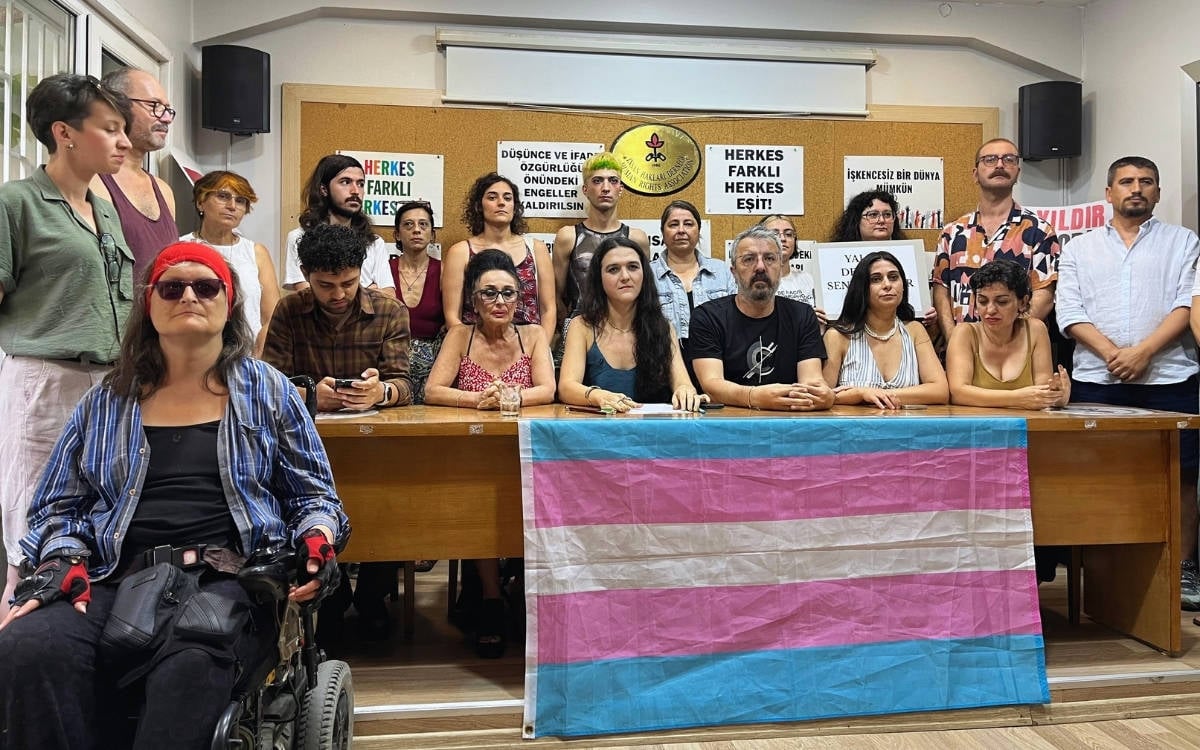
We spoke with Ahmet Soykarcı from the 12th İstanbul Trans Pride Week Committee about the oppression they faced in previous years, what kind of march they envision for this year, and the priority demands of trans people in Turkey.
Claims of AI-assisted surveillance
What happened during last year's Trans Pride march? In general, what kinds of repression have you encountered during Trans Pride marches in recent years?
We faced serious obstructions during last year’s march. Police intervention and harassment were intense; three of our friends were detained before the march even began. In fact, we have been facing an intense policy of repression, particularly since 2021. Since the period when 373 detentions occurred, the city has effectively been under siege. To put it plainly, we believe the reason for such intervention is that the state is afraid of this visibility and solidarity. Last year, claims of AI-assisted tracking and digital surveillance methods also came to the fore. One of our friends was “identified” using this method and detained. Unfortunately, his phone was unlawfully seized during this time. As a result, we had to completely reshape all our plans at the last minute.
Even though the centers we’ve been facing this crackdown against have been surrounded, we’ve been coming together in different areas under the slogan “Istanbul is ours.” We’ve also continued to organize in neighborhoods and various locations throughout the process. During the march planned as part of Trans Pride, intense police activity began as early as the morning hours.
Another situation that occurred was the detention of people with no connection to us, who were deemed “suspicious.” Hair color, appearance, or simply being on the street was criminalized. That day, many people were detained from various parts of the city solely on the grounds that they might be “trans.” Despite the absence of a pre-determined march route, interventions were made on the streets where people were gathered, and brief detentions took place. Nevertheless, despite the state’s intervention, a group of nearly 100 Trans Pride activists managed to carry out this march. But this situation demonstrates that not only protest spaces but also daily life is under surveillance. In Kadıköy as well, despite there being no official call for a march, detentions occurred targeting individuals who had been under prior surveillance, including our friends.
Of course, as Trans Pride, we continue to organize in a horizontal and open manner despite all of this. We establish committees that grow with new participants every year. Security concerns certainly exist; however, we prefer a more open, participatory form of organization rather than overly closed structures. We also communicate with people through new accounts and networks on social media, striving to build trust through verifiable connections.
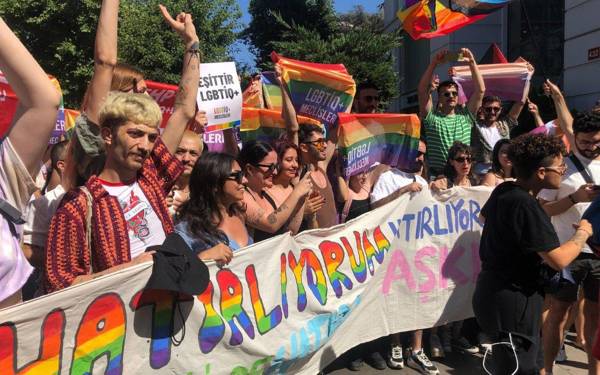
İstanbul's LGBTI+ activists hold Pride March in unexpected location to circumvent bans
Persistence in the struggle
I also see that you’re sometimes criticized on social media—comments like, “Why do you insist on marching? You get detained every year anyway.” What are your thoughts on this?
In my personal opinion, these criticisms miss the point about visibility and persistence. I actually define our struggle precisely through this persistence. Insisting on the world we want to live in isn’t just about marching; it’s about continuing the struggle to defend the right to exist, visibility, and life itself. That’s why we persist.
This year, too, our demands center on the vision of a different world, the right to life, and equality—though, of course, they aren’t limited to these. Our preparation for the march and Trans Pride Week in general also involves developing a trans political agenda. We hear similar criticisms during the actions we take throughout the year; however, here we have a fundamental demand regarding trans policies. For example, we organize actions that call out those responsible for restrictions on access to hormones and healthcare services. In these and similar actions, there were also concerns that they might worsen the already fragile situation regarding hormones; but perhaps we need to insistently remind each other of this: We are not the ones creating these conditions; the state is the perpetrator of all that is happening; we are merely trying to make these issues visible.
The action our friends carried out on the subway is also part of this policy. We are fighting to make each other feel that we are together and not alone, in the face of the “isolation” policies in society. And in an environment where hate speech is on the rise, encounters in daily life can sometimes become more complex than we imagine. Yet while there are escalating hate policies on one side, there is also the reality of the older men who applauded our friend on that subway that day.
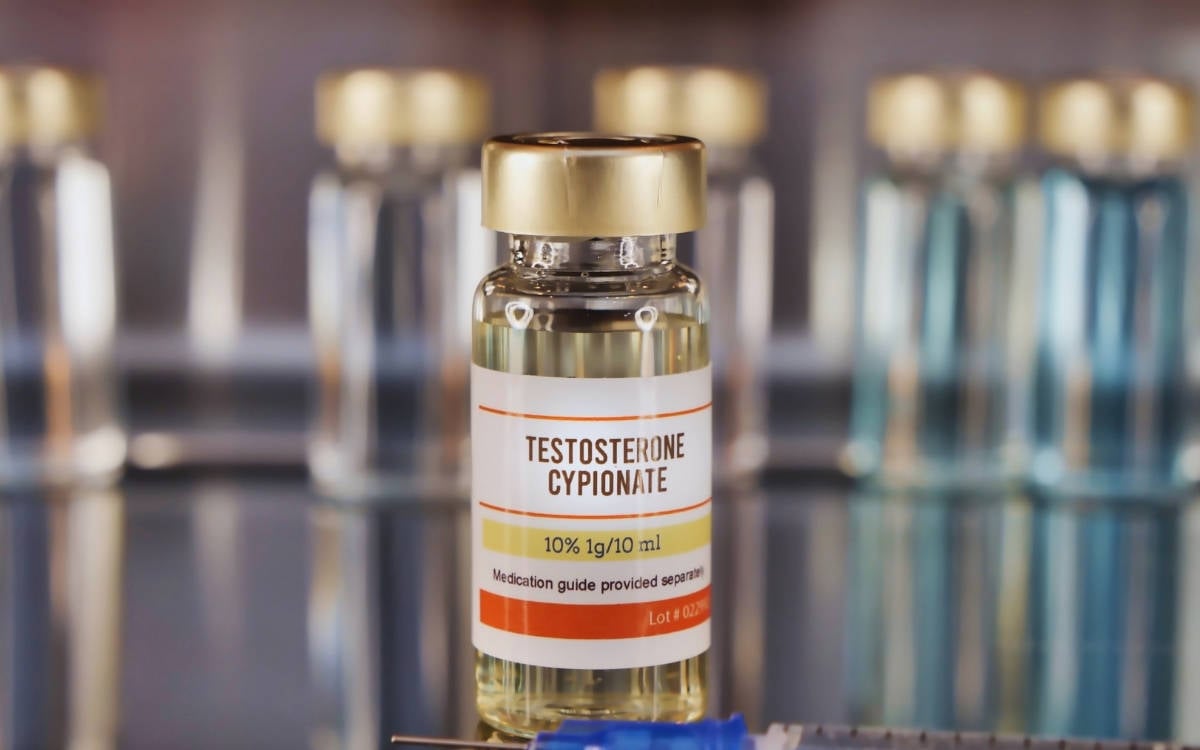
New collective formed to defend trans people's right to hormone access
Intersecting movements
How do you view the opposition’s stance toward the government’s LGBTI+phobic policies?
I’d actually like to start by asking, “What stance?” The LGBTI+ movement is often rendered invisible, or our existence is “brushed aside” through symbolic representations. Of course, we expect more open, more direct support. Every year, various parties—especially opposition parties like the CHP, TİP, and DEM Party—say they will prioritize our demands within their own ranks and carry out work toward that end. Moreover, they attend our meetings and act as if they share our concerns. Similar statements occasionally come from other parties represented in Parliament as well. However, on the streets, this translates into little more than symbolic support. Of course, we must make an exception for the few individuals who dedicate their efforts to this cause.
When looking at the street-level aspect, more organic relationships come to the fore. The connections established with the feminist movement are one of the strongest areas in this regard. The coming together of different struggles in large gatherings like Newroz creates a common ground for engagement. There are also occasional overlaps with socialist and anarchist movements; however, it is difficult to say that LGBT+ politics always occupies a central place in these areas. Although there has been increased contact with these movements in recent years, LGBT+ issues are often pushed to the background; yet the presence of our friends organizing there is transforming these spaces as well. Despite all this, there is a stronger sense of ownership and participation, particularly among younger generations of activists.
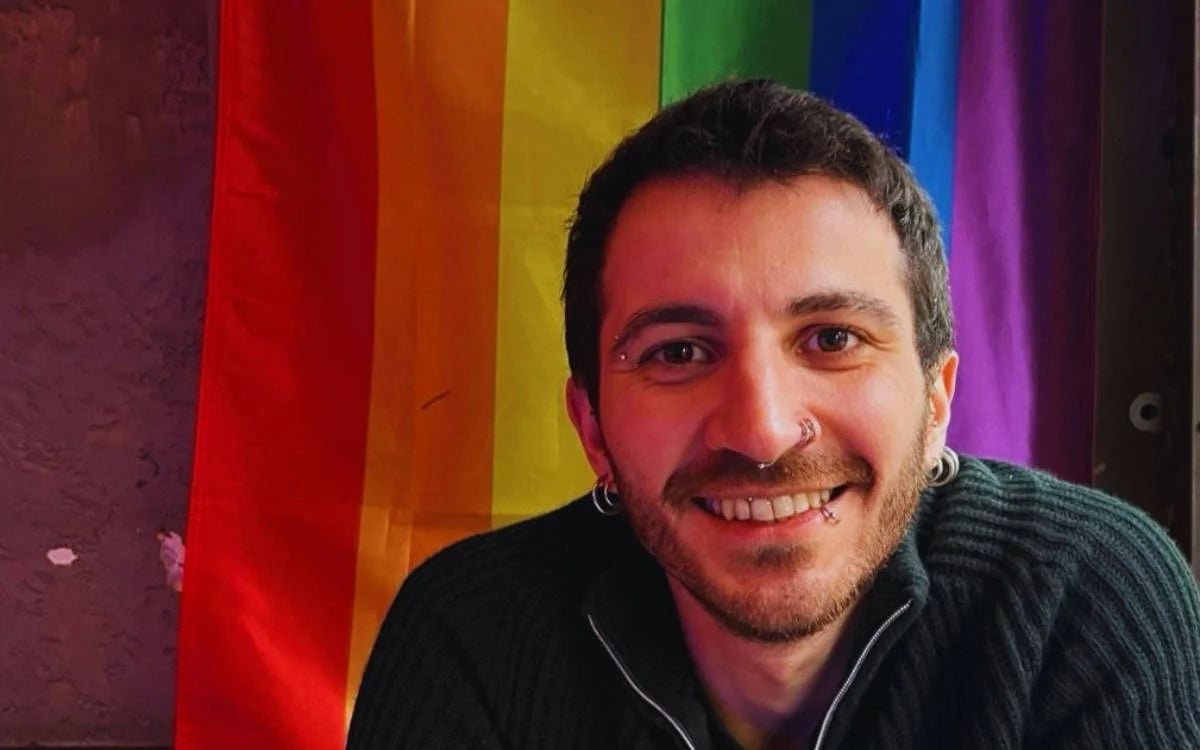
There is also a certain level of engagement with professional organizations. Institutions such as the Bar Associations and the Turkish Medical Association (TTB) occasionally issue statements. Joint calls, particularly regarding ill-treatment during detention and access to healthcare, frequently come to the forefront. How would you describe your stance on this?
Yes, in response to the increasing human rights violations in recent years—such as the failure to implement the Istanbul Protocol and the violation of the right to health during detention—we are calling on doctors and healthcare workers. Our goal is to ensure a more sensitive and prepared approach in emergency departments, particularly when we are detained. For us, the LGBTI+ movement is not merely a structure “supported from the outside”; it is a space for struggle that drives transformation from within professional organizations. Commissions established within bar associations and health professional organizations are also part of this transformation. The relationship between the trans movement and political struggle is multifaceted. Issues such as peace, poverty, health, migration, and economic crisis directly touch the daily lives of trans people. For this reason, the struggle is not solely identity-based but proceeds along an intersectional axis.
The challenges faced by trans people intersect directly with the experiences of migrants, the poor, those without access to healthcare, or those facing housing crises. For this reason, our struggle is a broader demand for equality and the right to life. Even if we cannot always be physically in the same space, we can come together on a common political front across different cities and within various organizations.
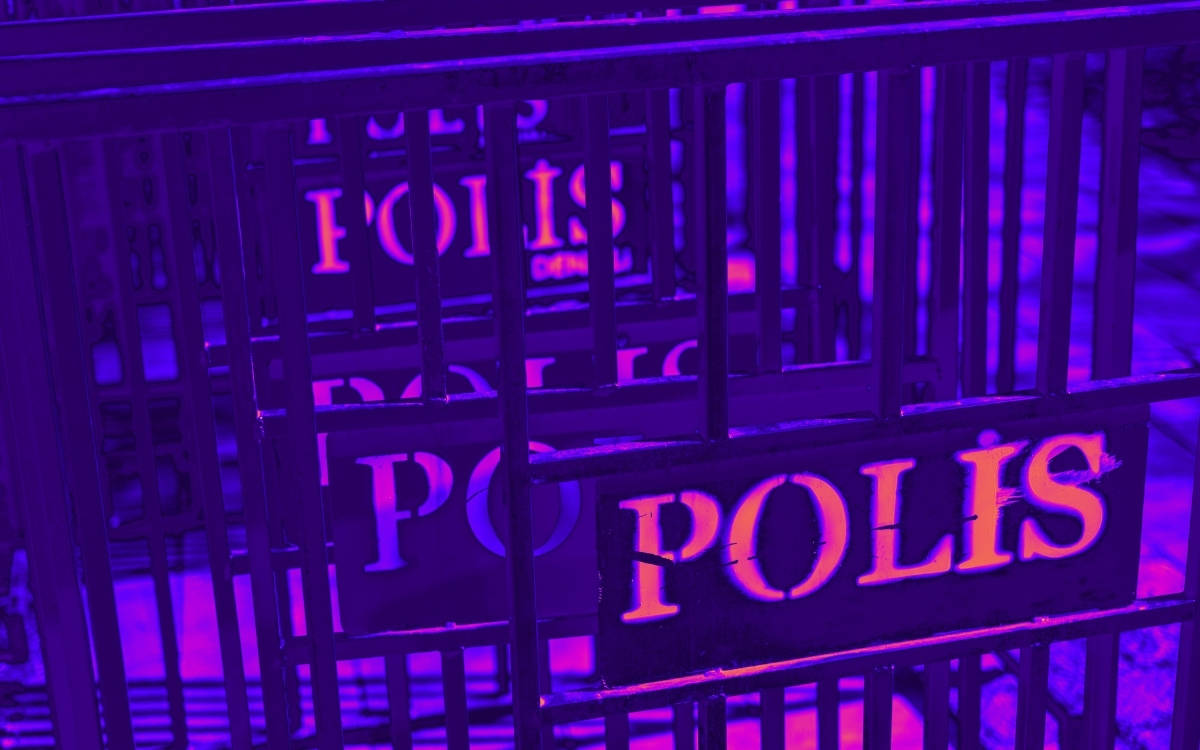
İstanbul police detain trans women for ID checks amid profiling concerns
'There is no basis for these bans'
As you mentioned, the Trans Pride Committee focuses not only on the day of the march but also on organizing activities throughout the year. Could you tell us about the events you plan to hold this year?
This year, we had hoped to organize trans gatherings in addition to open calls; however, we weren’t very successful in that regard. Still, we’re focusing on creating other alternatives that will allow us to come together throughout the year. The main reason for this, as I mentioned earlier, is that Pride isn’t just a single day for us. We also see it as a space for struggle and a platform where trans politics are shaped. We’ll be announcing our event calendar soon. Friends who want to participate can follow our social media accounts.
But since the topic has come up, it might be worth discussing the spatial bans we face every year. In particular, the administrative bans imposed around Taksim and Kadıköy directly impact our events. Despite this, court rulings in the resulting lawsuits often favor freedom of expression and association. However, during this process, the actual enforcement of these bans—even if only for a short time—hinders our events. These bans can sometimes take absurd forms. For example, being prevented from gathering in a public space to drink tea. Despite all this pressure, the movement continues to come together through different methods. I’m mentioning this because there may be friends who want to participate in our events but have to give up due to the bans. Yet these bans have no basis whatsoever.
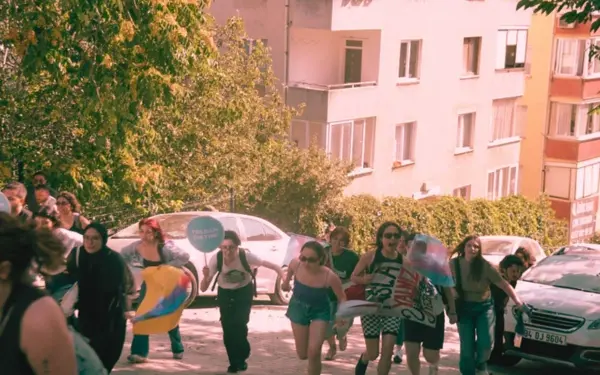
'They wandered in the valley for ever'
The methods you’ve found to come together are also extremely creative. What would you like to say about that?
The process has turned into a kind of collective production. I’m surprised by us more and more every year. Every year, new ideas, new methods, and new forms of solidarity emerge. It’s like following the marches and events, piecing together the clues. It’s very hard for me to say that these ideas emerge at the end of such a process. As for this year, I can’t go into too many details for security reasons; but the trans community manages to piece these clues together every time.
Peace, poverty, health, migration, and the economic crisis
So why are trans people creating a separate organizational space?
This essentially stems from a historical necessity. In Turkey, trans visibility is a direct target, and consequently, there is a need for a distinct political subjectivity. From the early-era marches to the present day, trans people have needed a more independent path in both visibility and organization. This invisibility is not merely a lack of representation; it is also a structural inequality that permeates many areas of life. Discrimination in areas such as housing, employment, healthcare, and the right to exist in public spaces makes this need even more apparent.
Looking at the present, there has been a significant increase in trans suicides in recent years. Some of our trans friends have taken their own lives, citing the direct pressures they faced and, in recent times, difficulties accessing hormones. Practices such as raising age limits for hormone therapy create de facto restrictions. The situation is even more severe in prisons. Transgender inmates’ access to hormone therapy is largely dependent on procedures, which makes sustaining the process difficult.
Human rights organizations, professional associations, and civil society occasionally issue statements regarding these violations; however, despite all these statements, a systematic solution mechanism has not been established. At this point, solidarity networks—one of the strongest survival mechanisms within the trans movement—come to the fore. Yet, it is not just solidarity that is needed, but also a political struggle, and we are striving to build this. Consequently, alongside all of this, we require a separate organizational framework.
Police disrupt Transgender Day of Remembrance event in İstanbul
'Peace is a matter of right to life and equality for us'
Have you had many friends who have emigrated due to oppression?
Of course, there has been an increase in the number of trans people emigrating abroad in recent years; however, oppression is not the sole reason for this. The economic conditions and growing poverty of queer people, especially trans people, are also significant factors. Nevertheless, there are still many trans activists in Turkey who remain organized and engaged in the struggle. Criminal trials and detention processes have already become a routine part of the movement. While the lawsuits filed after protests often result in acquittals, they naturally create a constant mechanism of oppression. Despite this, Trans Pride and Istanbul Pride continue to foster political activism throughout the year and create spaces for visibility.
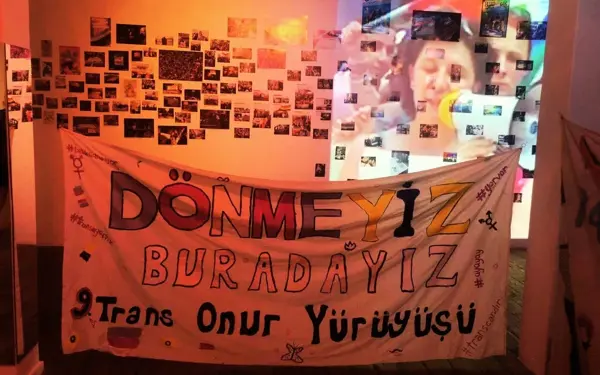
Exhibition on trans movement’s history in Turkey banned in İstanbul
You mentioned earlier that issues like peace, poverty, health, migration, and the economic crisis directly impact trans people’s daily lives. In this context, I’m also curious about the perspective you’ve established regarding the current peace process. Why is peace important for trans people?
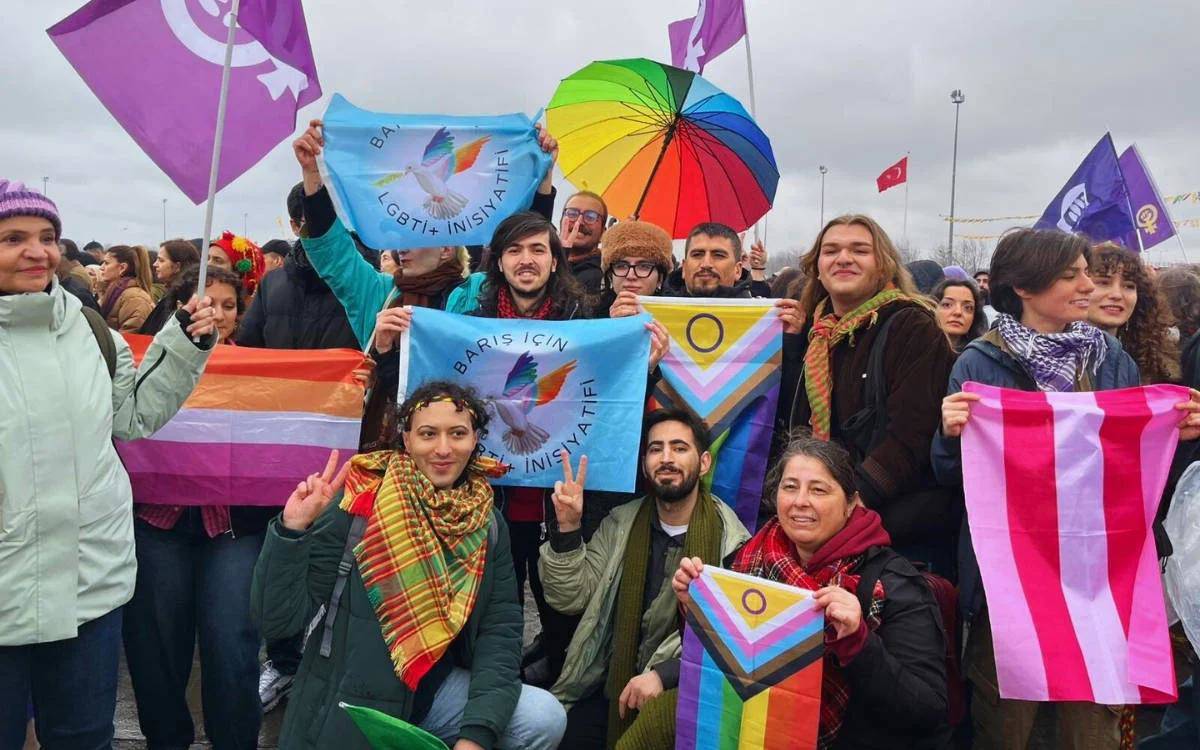
Trans people are one of the groups directly affected by the war and conflict in this region, so we position ourselves directly within these discussions. For us, peace is not merely a political process; it is also a matter of the right to life and equality. For this reason, the trans movement views the peace process as an inseparable part of its own struggle—which is precisely why we build our trans politics on intersectionality.
We also define our relationship with the Kurdish movement through this intersection. Both movements face similar forms of oppression; the state excludes us through similar mechanisms. Therefore, the struggle for peace is not just the common ground of a single identity, but of various oppressed groups. (TY/VK)