







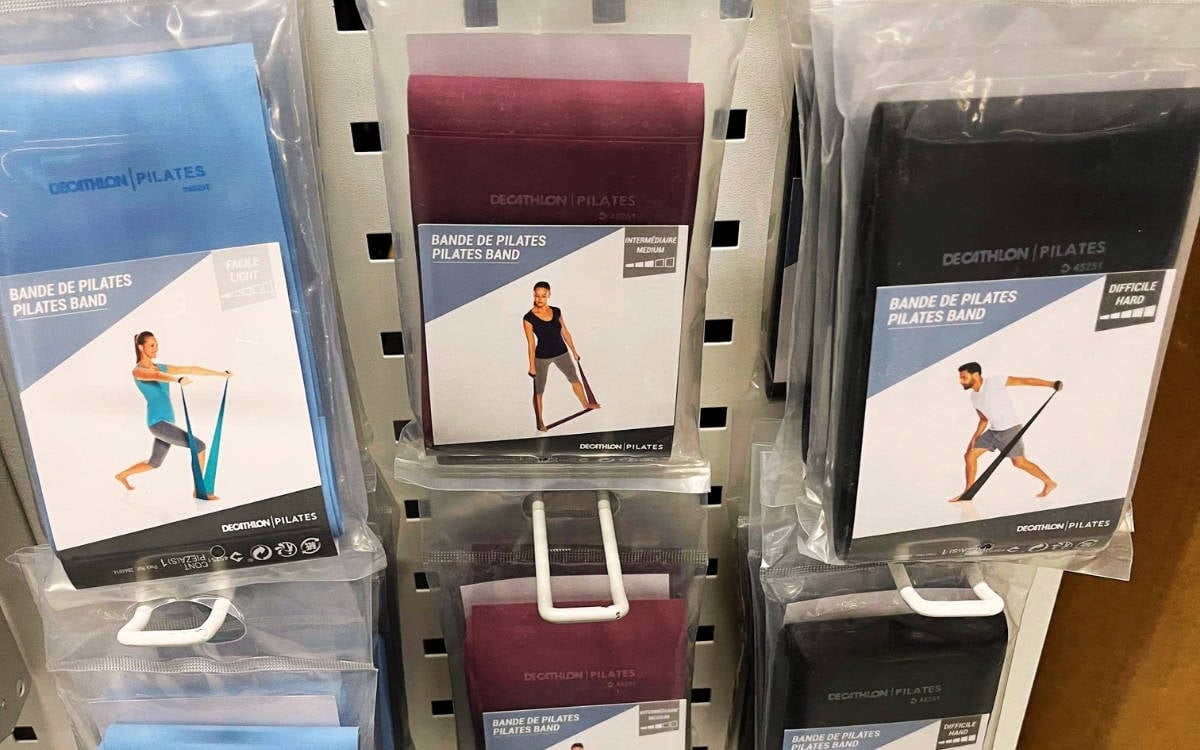



At a Decathlon store I visited over the weekend, the visuals on resistance bands used for pilates caught my attention.
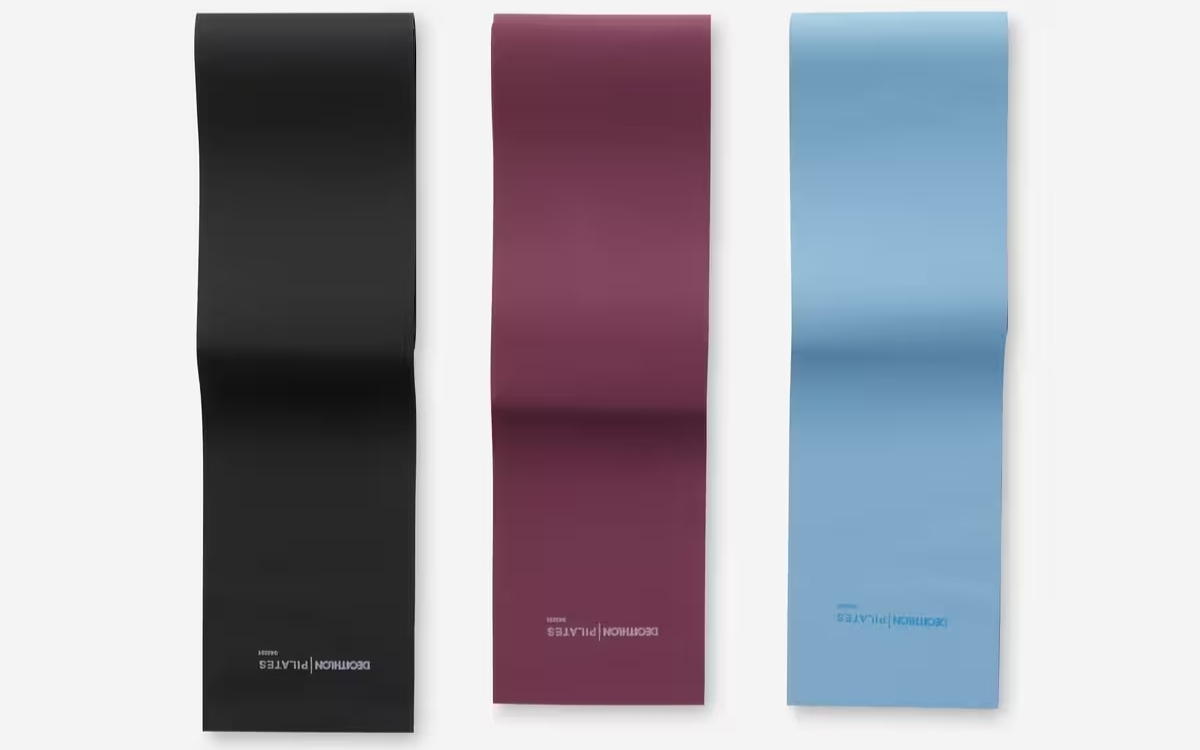
The set has three different resistance levels and is designed for both lower and upper body workouts. The bands are used to support stretching, muscle activation, and general strength training.
The problem, however, is not with the technical function of the product, but with its presentation and marketing.
The brand chose a clear gender preference in the visuals for the bands, which are divided into three levels as light, medium, and hard. Images of women are used for the light and medium levels, while an image of a man is included for the hard level.
There is another detail that my friend drew attention to: The female figures use their lower resistance bands with two hands and a more cautious posture, while the male figure uses the band at the hardest level with a single hand, presenting a more relaxed and powerful image. Thus, not only the resistance level but also the perception of strength is reproduced through gender codes.
Not assuming anyone's strength beforehand
The first Decathlon store opened in 1976 in Englos, France. The brand began operating in Turkey in 2006. Today, the company has more than 40 stores in Turkey and operates in numerous fields, from amateur sports to professional exercise equipment with its wide product range. Sportswear, shoes, and accessory products for women are also very common, and the brand essentially has a strong relationship with its female user base.
In the "Who We Are" section on the website of the brand, it is seen that the company defines itself as a "large responsible team" and its purpose is "to make the pleasures and benefits of sport sustainably accessible to the vast majority."
The claim that sport is accessible and inclusive for everyone must also find its equivalent in the visual world. Otherwise, a mismatch emerges between the technical benefit offered by the product and the narrative it builds.
Let us hope that Decathlon reconsiders these visual codes in the coming period.
Instead of these stereotypical and essentially archaic matchings established between resistance levels and gender, it should adopt a visual language that is more neutral, more inclusive, and does not exclude different body experiences.
Because sport, at its very core, begins without assuming anyone's strength.
(TY/VK)