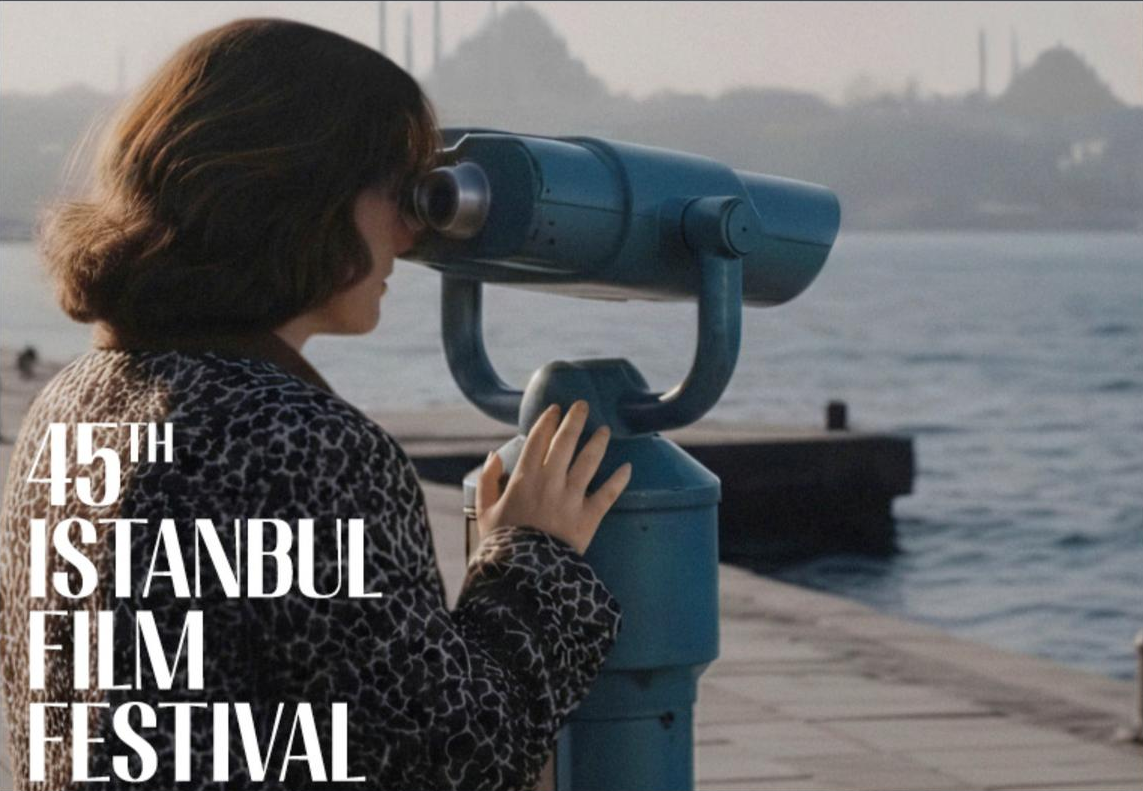








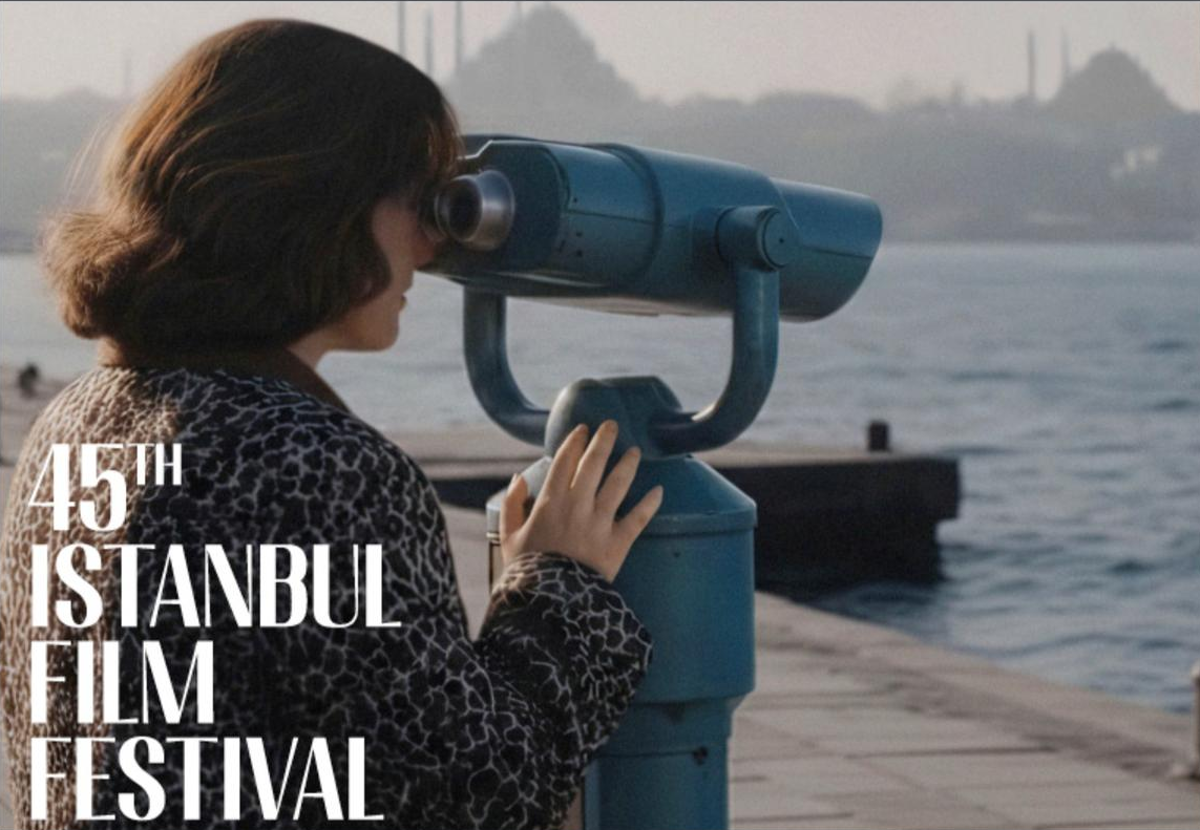



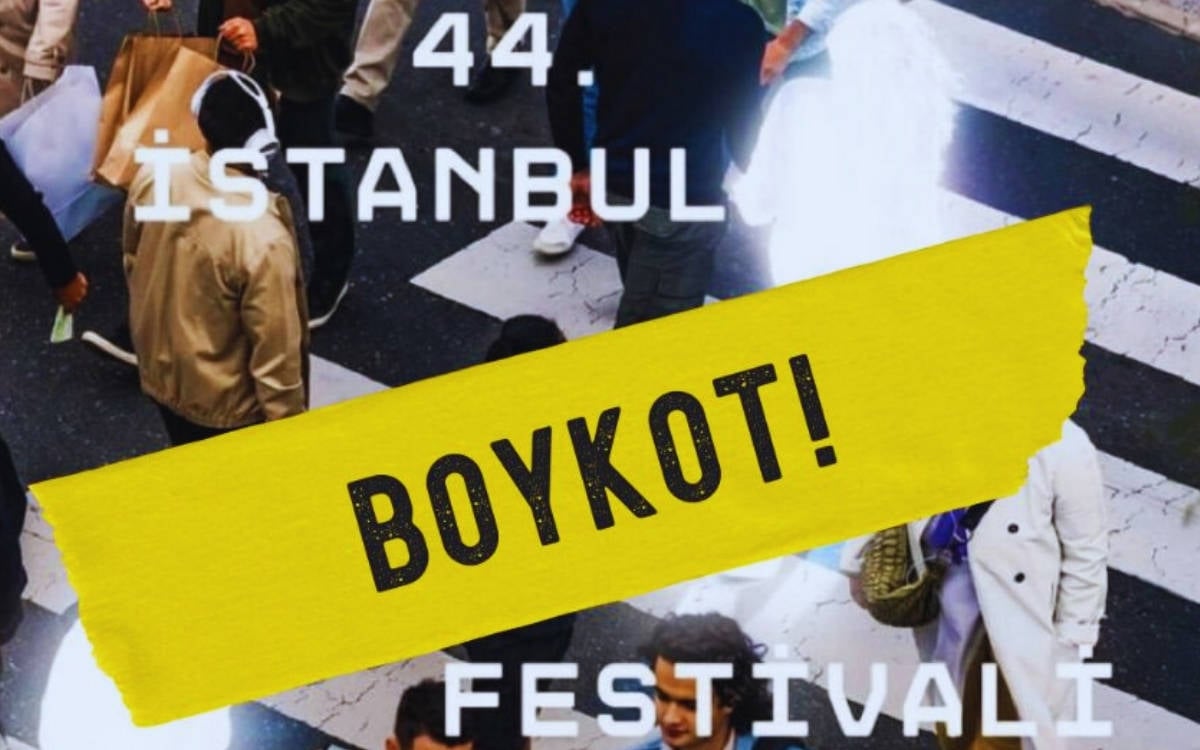
The 45th İstanbul Film Festival has excluded its dedicated queer cinema section for the second consecutive year, prompting criticism from LGBTI+ activists and filmmakers.
Despite previous assurances from the İstanbul Culture and Arts Foundation (İKSV), the organizers of the festival, that the "Where Are You My Love?" (Neredesin Aşkım?) category would return in 2026, the section was omitted from the program.
The festival program, scheduled to run from Apr 9 to 19, features three competition categories and six thematic sections, with none specifically dedicated to queer cinema.
İstanbul Film Festival drops queer films section from 2025 lineup
'İKSV surrendered to pressure'
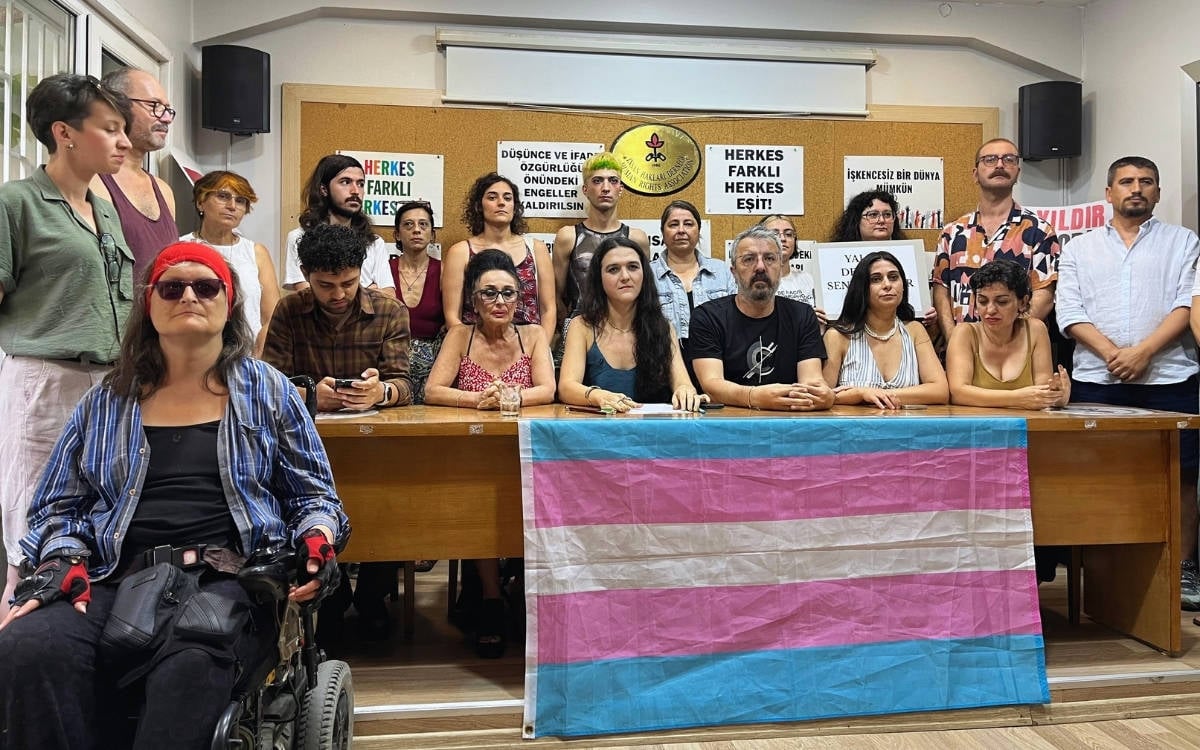
The İstanbul LGBTI+ Pride Week Committee also issued a written statement yesterday, criticizing the festival organizers' for giving in to political pressure.
"What is happening today is not merely a matter of a film selection. It is a direct attack on our very existence, our stories, and our voices," read the statement. "Every step taken to erase the visibility of queer art aligns with policies of hatred.
MUBI Fest İstanbul canceled after last-minute ban on opening film ‘Queer’
"The realm of art cannot be shaped according to the identities deemed acceptable by those in power. Festival programs cannot be turned into tools of political pressure, self-censorship, and discrimination.
"The removal of the 'Where Are You My Love?' section shows that İKSV has surrendered to this environment of pressure."
Alignment with the boundaries of 'sacred family'
Furkan Yurt, curator of Pembe Hayat KuirFest, Turkey's only queer film festival, characterized the removal of the section as a "declaration by Turkey’s oldest arts institution that it is voluntarily aligning itself with the state’s definition of the 'ideal citizen' and the 'sacred family'.”
"The ... decision should be interpreted not so much as the result of a direct ban, but rather as an institutional strategy aimed at mitigating potential political risks," Yurt wrote in an article published on PembeHayat. "At this juncture, rather than transforming its financial and institutional power into a line of resistance, the İKSV has constructed a line of retreat—one that began by hiding behind the rhetoric of technical impossibility and has gradually evolved into a practice of silent disregard.
Director Luca Guadagnino doubts Turkish authorities saw his film 'Queer' before banning it
"This stance is not limited to the exclusion of a single artist from the program; it is part of a cultural climate in which censorship is internalized and reproduced by institutions.
"The fact that one of Turkey’s largest cultural institutions has positioned itself in this manner represents not merely an overt violation of freedom of expression, but one of the most invisible yet effective forms of its erosion at the institutional level."
Ankara governor bans film screening during LGBTI+ festival
Calls for boycott
Filmmaker Gizem Bayıksel expressed a similar opinion that festival's stance is linked to broader government pressure and policies.
"Last year, following boycott calls, the festival quickly issued a statement. The tone showed the aim was to reduce reactions," Bayıksel told bianet. "Behind closed doors, the message that 'there aren’t enough queer films' and that this was a programming decision rather than censorship was being circulated. Eventually, as the backlash grew and calls for a boycott began to gain traction, the promise was made that 'we’ll include them in the program again next year.'
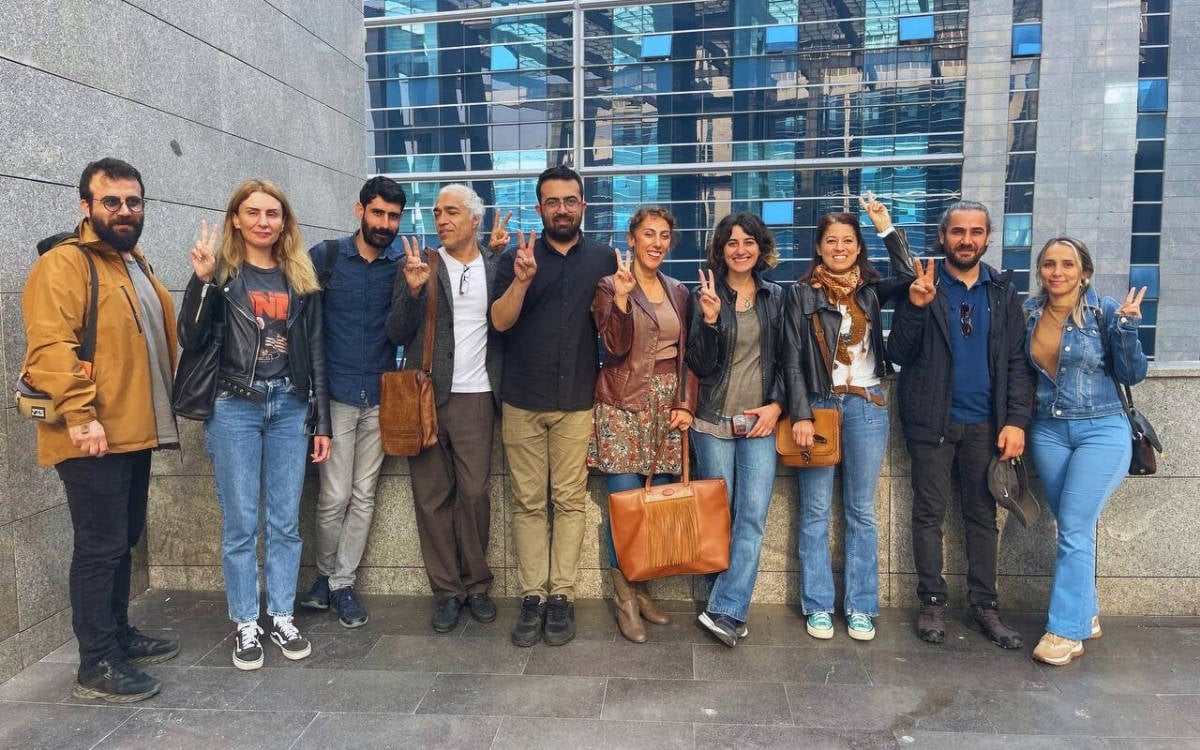
Eight acquitted in trial over banned 'Pride' film screening
"This year, however, there are almost no queer films in the program. The rationale for this year’s lineup will likely be framed as a lack of films to select from. But we know that these steps are deliberate and cannot be understood independently of current pressures and power dynamics—or of how these dynamics directly impact the festival’s finances.
"It would, of course, be naive to expect a response to a promise made in a format—an Instagram Story—that disappears after 24 hours. Still, I believe it is important to reiterate the call for a boycott and to urge film crews to use this call to exert pressure."
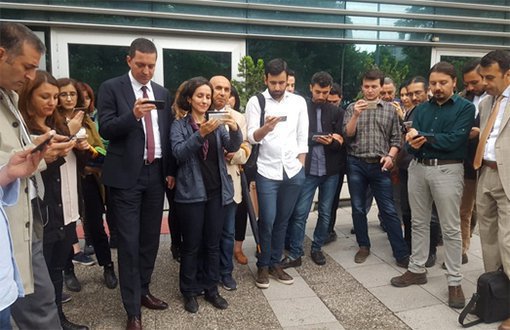
Bar Association’s LGBTI Film Screening Banned, Lawyers Watch Movie on Phone
She noted that while İKSV previously claimed there were not enough queer films, they eventually promised to include the section this year. "This year, there are almost no queer films in the program. We know these steps are planned and cannot be read independently of current pressure and power policies," she added, renewing calls for a boycott.
'The real issue is which films are excluced'
Arda Özen, an arts professional, emphasized that this stance constitutes outright censorship and that the real issue is not which films were included in the selection, but which ones were excluded.
“Through laws and bans, attempts are being made to legitimize the oppression of all identities that society does not view as ideal. By first applying these policies of violence against the LGBTI+ community, a signal is being sent about what is possible. It has always been this way throughout history. This naturally amounts to a veiled threat to those who are not LGBTI+ as well.
“2025, under the banner of the ‘Year of the Family,’ was a year in which the fascist footsteps we had previously heard became a reality. The Istanbul Film Festival must have been so affected by last year’s repressive measures that it removed the queer film selection ‘Where Are You, My Love?’ from its program without justification and made a promise it knew it couldn’t keep: ‘See you next year.’ This year, we see that not only was there no institutional criticism, but the audience was also ignored.

MUBI Fest censorship latest in a series of bans targeting LGBTI+s in İstabul's Kadıköy
“This decision constitutes an act of violence against the LGBTI+ community and filmmakers who include LGBTI+ characters in their films. Because censorship permeates the processes of production, distribution, and reception, establishing power dynamics. Censorship is a tool of power, and those who wield it become the center that determines what cannot be seen. In the end, what matters is not what you select and show, but what you exclude and attempt to render invisible.”
In a press release, İKSV did not directly address the censorship allegations or the boycott. Instead, the foundation stated that films in the selection are not classified in thematic sections but are gathered under titles independent of their content and subjects. (TY/VK)