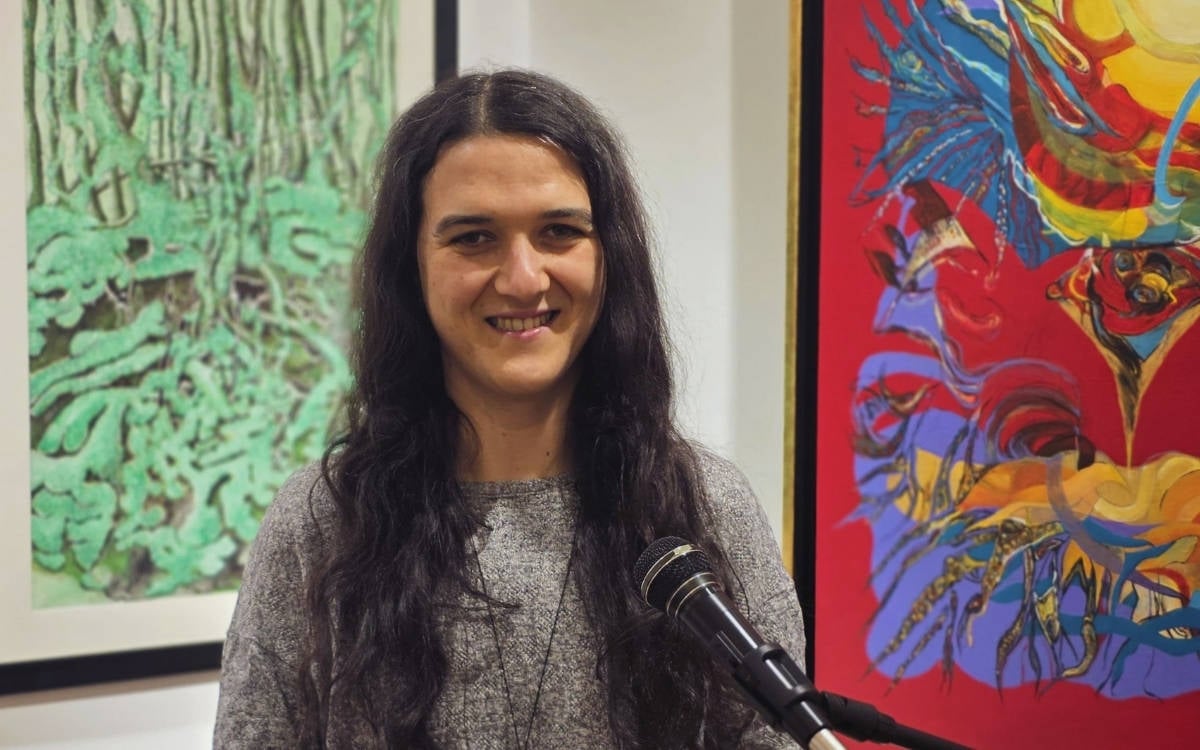











The 'Subsoil' (Toprakaltı) exhibition by Onur Gökmen, one of the artists supported under the second edition of the Salt Artistic Research and Production Support Program, met with the audience at Salt Galata on Apr 2.
The exhibition centers on an event in the environmental and institutional history of Turkey that has often been left invisible: the detection of radioactive contamination in tea produced in the Black Sea region following the 1986 Chernobyl nuclear disaster.
The Chernobyl nuclear disaster went down in history as a global breaking point that affected not only the region where the explosion occurred, but a much wider area through an invisible cloud carried by winds. The spread of the nuclear leak made visible the tensions between the flow of information, public health, and state policies, in addition to environmental impacts.
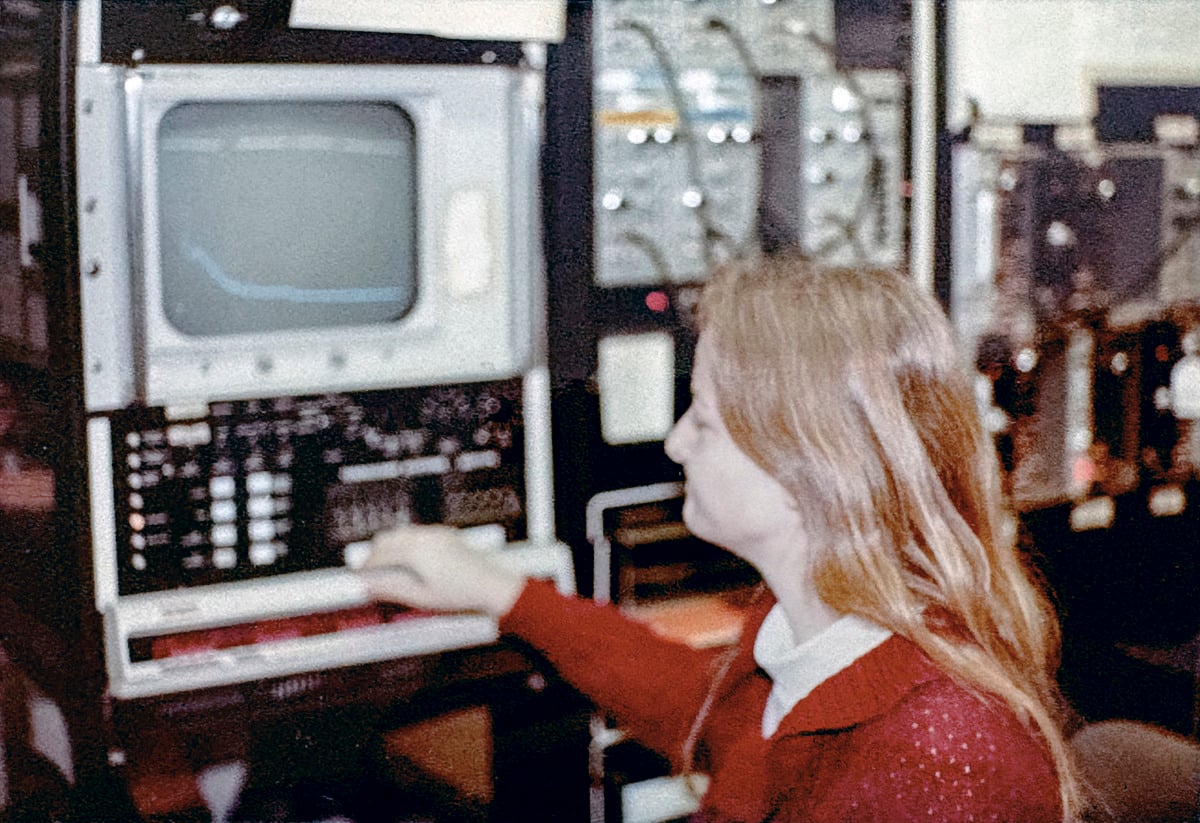
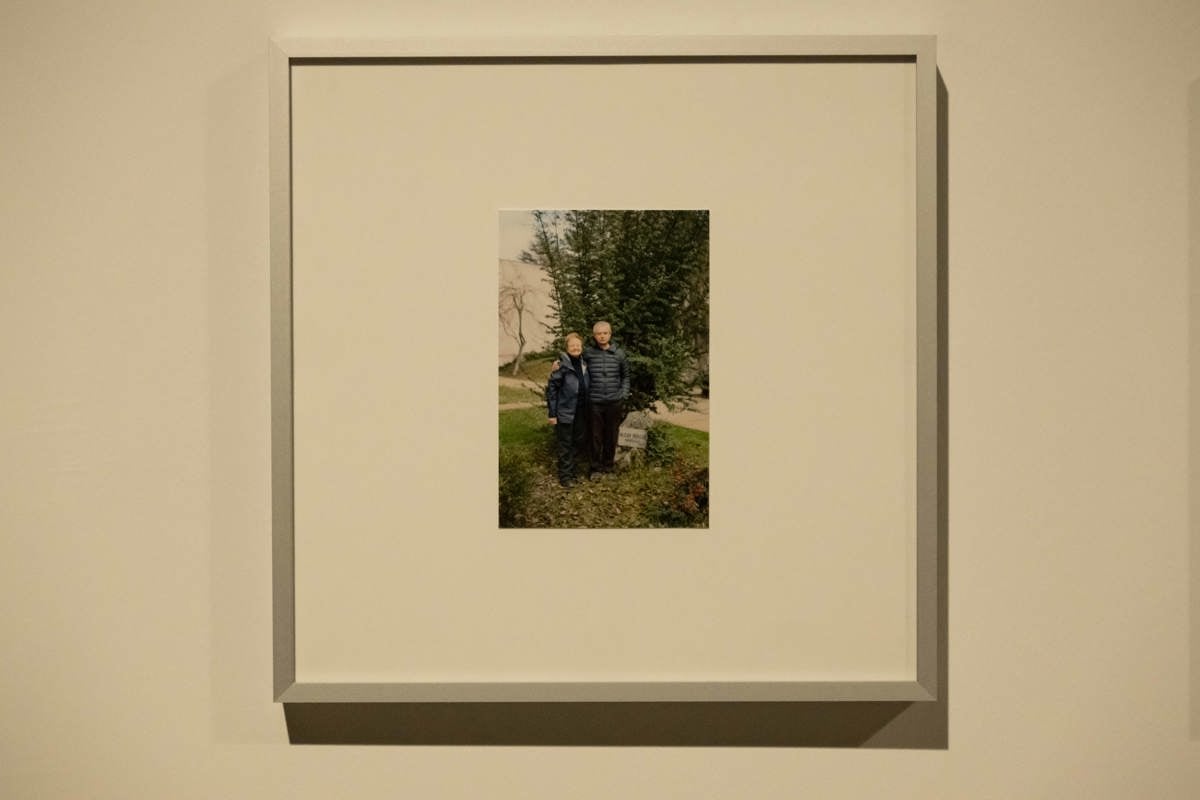
After the explosion at the Chernobyl Nuclear Power Plant, a group of scientists at Middle East Technical University (METU), including the artist's parents İnci and Ali Gökmen, conducted a study to measure the impact of radioactive fallout on tea production in the Black Sea region. The obtained data was presented to relevant institutions as a report. However, official authorities adopted a stance that downplayed the risks created by the findings, prioritizing concerns over economic and social stability.
While debates on public health and transparency continued, the report prepared by METU was later leaked to the public. Although news reports made the issue visible through striking images and headlines, there was no significant change in the institutional approach and the circulation of contaminated tea continued. Discourses lacking scientific basis such as "Radioactive tea is tastier" and "A little radiation is good for the bones," along with images of state officials drinking tea, found a place in social memory. In this process, tea turned into a concrete trace of invisible pollution and the material equivalent of nuclear risk intersecting with daily life.
The exhibition, which handles this unforgettable case regarding the nuclear history of Turkey in three different sections, establishes a narrative language that moves between fiction and documentary. The first part is based on a spatial cross-section from METU, where the radioactive contamination in tea was uncovered, and the testimonies of İnci and Ali Gökmen.
Misleading information
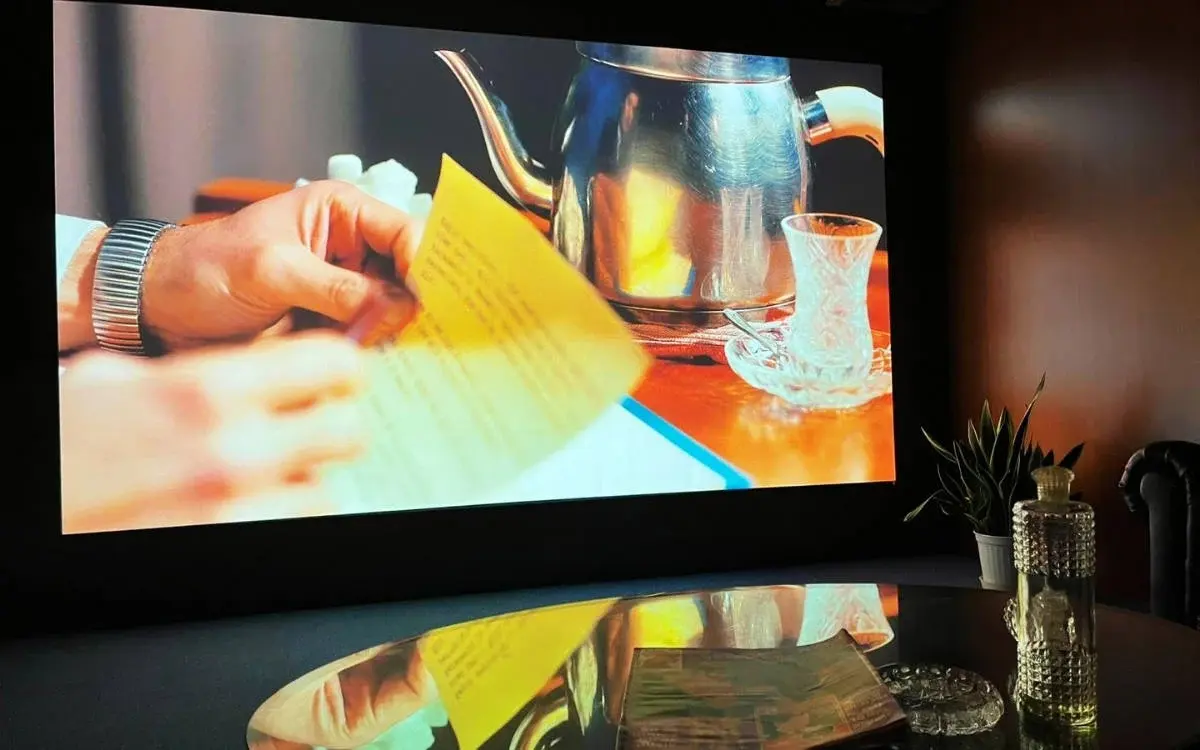
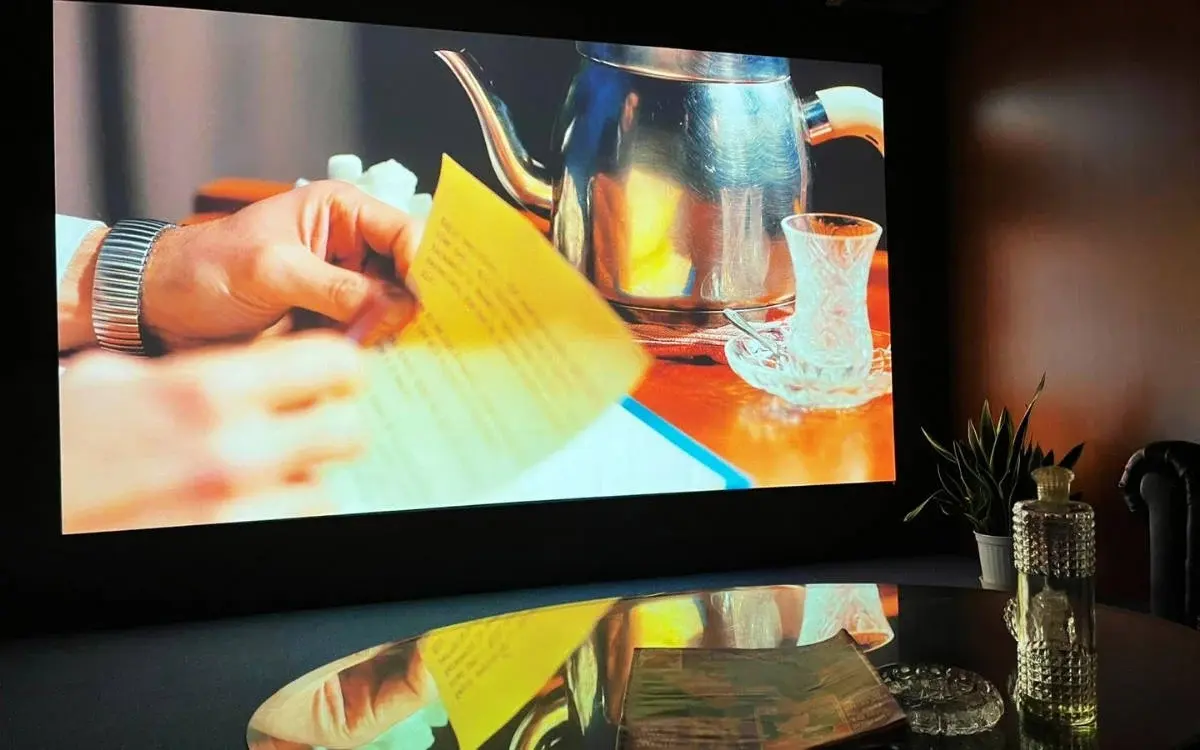
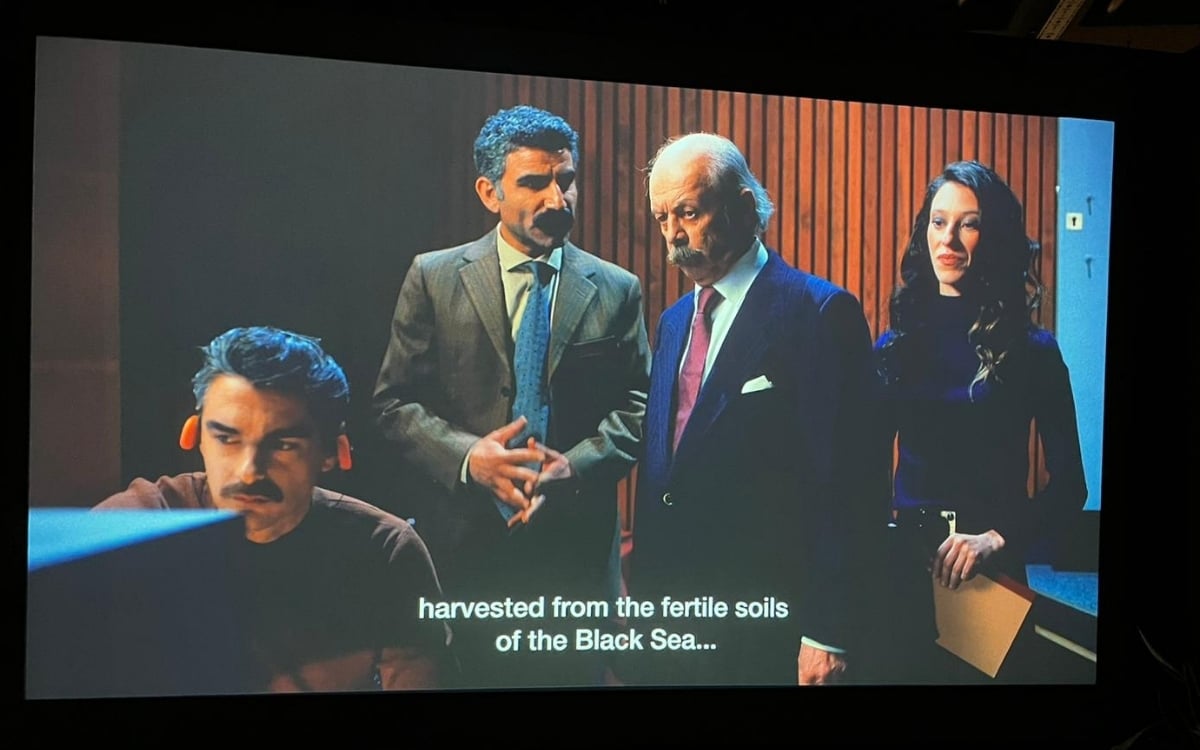
At the center of the installation is the short film Toprakaltı (2026), constructed based on news narratives that denied the amount of radioactive substances in tea and produced a parallel imaginary image of the Black Sea.
The film focuses on the public announcement of the radioactive level in tea as 2 percent. Senior announcer Orhan knows through the report published by scientists that the truth is actually 65 percent, and therefore refuses to go on air to avoid conveying false information to the public. In contrast, young announcer Mesut accepts going on air, seeing it as an opportunity for his career; however, he is not yet aware of the content of the actual report. From the moment Orhan reveals the true percentage to Mesut, the level of tension in the film rises significantly.
Mesut first tests the water and then the tea box in front of him with the radiation measuring device in his hand. As the device approaches the tea box, it reacts with a loud sound. At this point, it is a channel official, played by Aziz Çapkurt, who calms Mesut down. The official removes the batteries of the device, tells Mesut that the device "actually does not work," so there is no need to worry, and tries to soothe him. At the end of the day, Mesut both shares misleading information with the public on a live broadcast watched by millions and is exposed to 65 percent radiation through the tea he drinks.
A powerful reminder
Positioned behind the decors, the third section consists of photographs documenting the traces left by the Chernobyl disaster in Turkey, leaking through these two main narrative lines.
Following the circulation of radiation within both natural environmental cycles and institutional and administrative structures, these three scenes aim to make visible the impact of invisible, slow, and continuous environmental destruction on public health, policy-making processes, and forms of social narrative.
In this context, the exhibition does not only remind one of an environmental disaster that remained in the past, but also opens up the permanent effects of invisible dangers on daily life, institutions, and memory for reconsideration. The narrative built over the traces left by Chernobyl brings the fragile relationship between nature and humans to the present, offering a powerful reminder of how similar processes can be reproduced.
The exhibition, which can be visited free of charge at the Mastercard Exhibition Space in Salt İstanbul until May 3, can be followed for accompanying programs at saltonline.org.
The exhibition is realized with the contributions of Eureko Sigorta and Jotun. (TY/NÖ/VK)