



Facing the past in Europe relies on the conviction that confronting history is closely linked to developing democracy and the rule of law. The lessons learned from past events are considered essential for planning the present and enhancing democracy and peace in the future. Also, confronting past crimes, such as those committed by authoritarian regimes, ideology-based violence, and grave human rights violations, is seen as a requirement for establishing constitutional states and shared democratic values.
"Facing the past" is increasingly adopted by all countries and societal levels in Europe, where it is seen as a regular agenda topic and discussed through ongoing studies. The experience gained and examples of different approaches demonstrate the diversification of works in this area, and it's observed that these efforts are not limited to political and academic studies but are also pursued by civil society through various initiatives.
In Europe, the issue of confronting the past is seen as a multifaceted concept addressed within the framework of social and institutional memory, accountability to society, and evolving international relations strategies. Today, Europe is entering into processes of remembering, commemorating, and confronting past traumas, rather than leaving them to be forgotten or denied. These processes are strengthened by public policies and opened up for discussion in educational institutions, academic circles, and at various layers of society.
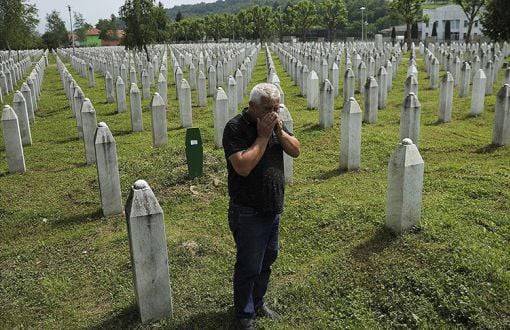
On the other hand, Europe's confrontation with its past is seen as an ongoing process that balances deep, institutional regret about its darkest chapters with a unified, democratic accountability in a volatile, modern geopolitical environment. This process is also seen as an effort by European states to maintain a resilient democratic system by remembering their shameful pasts and engaging in self-criticism within society.
It is also accepted that it is necessary to develop a "culture of remembrance" with a self-criticism approach embraced by society at large. Furthermore, it is acknowledged that this could be achieved by recognizing the complex nature of collective memories in general, and shared European historical memories in particular, including their susceptibility to political instrumentalization.
Four main axes of Europe’s confrontation with the past
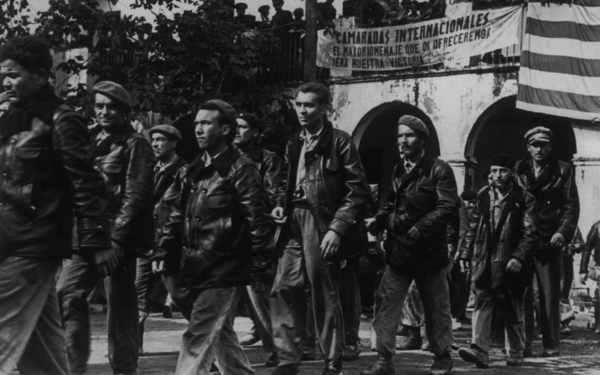
World War II and the Holocaust: In Western European countries, the Holocaust constitutes the main subject of a common past and memory. It is seen as a priority issue in confronting the past, although this takes different forms in different countries. For these nations, learning from the past means recognizing the crimes committed during the years of fascism and maintaining a commitment to universal human rights. Germany, known as a leading state in facing the past, has adopted confronting the Holocaust as a state policy by acknowledging the crimes committed, apologizing, paying reparations, revising educational programs, and establishing monuments and museums.
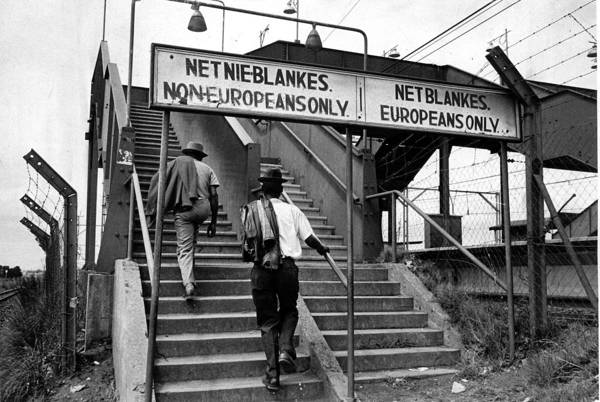
Colonial History: In Europe, countries are entering a new era, facing the past and processes of acknowledging the heavy crimes committed during their colonial past. Many European countries, primarily France, Belgium, and the United Kingdom, have begun to confront the grave human rights crimes committed during the colonial period. Examples of this confrontation include apologies, compensation for the losses, return of stolen historical and artistic artifacts, and the removal of statues of political leaders from the colonial period from public squares.
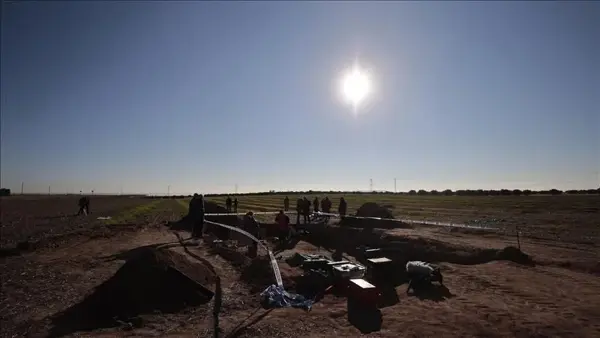
Eastern Europe confronting its past: The emerging states that followed the collapse of the Soviet Union emphasize the need to question not only the Nazi era but also the Stalin era. These nations view Soviet rule as an illegal foreign occupation and place Stalinist terror at the core of their modern national identity policies. While some nations institutionalize the memory of these crimes to solidify their national sovereignty, many Eastern European leaders are convinced that Western Europe has ignored the traumas they experienced under the Soviet Union. It is also evident that the legacy of unaddressed Stalinist violence continues to influence the ongoing processes of facing the past in these former republics.
Questioning the European History: On the other hand, in Europe, "history" plays a significant role in confronting the past, and history-focused studies are leading to a questioning of official narratives. The aim of these studies is to create a critical historical consciousness by addressing the controversial histories constructed by states. This process aims to present insights into the challenges of historical memory, current policies, and future expectations within the European context. Citizen participation is also considered vital in redefining European historical narratives to strengthen democracy.
The process of facing the past can be classified under four main axes:
1. Following World War II. It is observed that in countries occupied by German Nazi forces, during the reconstruction process, there was a debate and tension between those who ignored the past and honored heroes and victims, and those who wanted to punish collaborators with the Nazis, fascists, and native anti-Semites. This covered conflict is noted as particularly true in France and Italy after the war.
2. Long period of silence. After this process, the past dominated by the Nazis was widely preferred to be forgotten. It can be said that this was, although a state policy, widely accepted by society. Both perpetrators and victims of the past voluntarily wanted to seem to have forgotten the past. This period, which coincided with the reconstruction of states after the war and Europe's search for unity, is generally considered to have lasted until the late 1960s.
3. The early 1970s. In Western European countries and the period following the collapse of the Soviet Union in 1989 in Eastern European countries, the beginning of a period of remembrance of the past was entered. At this stage, broader discussions began on issues such as collaboration in countries occupied by the Nazis, as well as support given to fascist regimes in countries not under occupation.
On the other hand, due to the coverage of the issue, the special place of history teaching in facing the past deserves to be mentioned. It is also well known that the Council of Europe has always underlined the importance of history teaching as a means of reinforcing democratic culture. In line with its mission, a conference on "History in Crisi(e)s?" was conducted by the Observatory on History Teaching in Europe on Dec 5, 2024. Luxembourg's National Education Minister Claude Meisch underlined the value of history teaching, stating, "History teaching not only develops our critical thinking skills and understanding of national identity, but also equips young people with the skills necessary to thrive in an uncertain and constantly changing world. Understanding our past shapes the present, strengthens our identity, and actively prepares us for the future."
In recent years, driven by the enforcement and advocacy of African nations, many European countries have officially recognized their past roles in the transatlantic slave trade and colonial slavery. In this field, countries and their political elites have started to face questioning due to the primary role they played in this tragic past. European nations have been accused and held responsible for creating institutional slavery structures and relevant legislation. European governments and the European Union acknowledge slavery as a crime against humanity and have taken steps to question leadership and public responsibilities.
Another significant development in facing the past in Europe was observed as consequential constitutional reforms and the restructuring of the rule of law principles considered as significant progress. European countries have adopted different regulatory approaches within the framework of confronting the past, and they have focused particularly on the democratization processes of authoritarian regimes. In short, constitutions that successfully face the past balance the need for peace with the necessity of justice with inclusive rights acknowledging past injustices.
Conclusion
It can be said that facing the past in Europe is primarily addressed under the headings of coming to terms with dark periods such as World War II, the Holocaust, colonialism, and totalitarian regimes. These studies encourage citizens to critically examine totalitarianism, colonial history, racist exclusion, and systemic exclusion, thereby questioning official national myths and evaluating different perspectives.
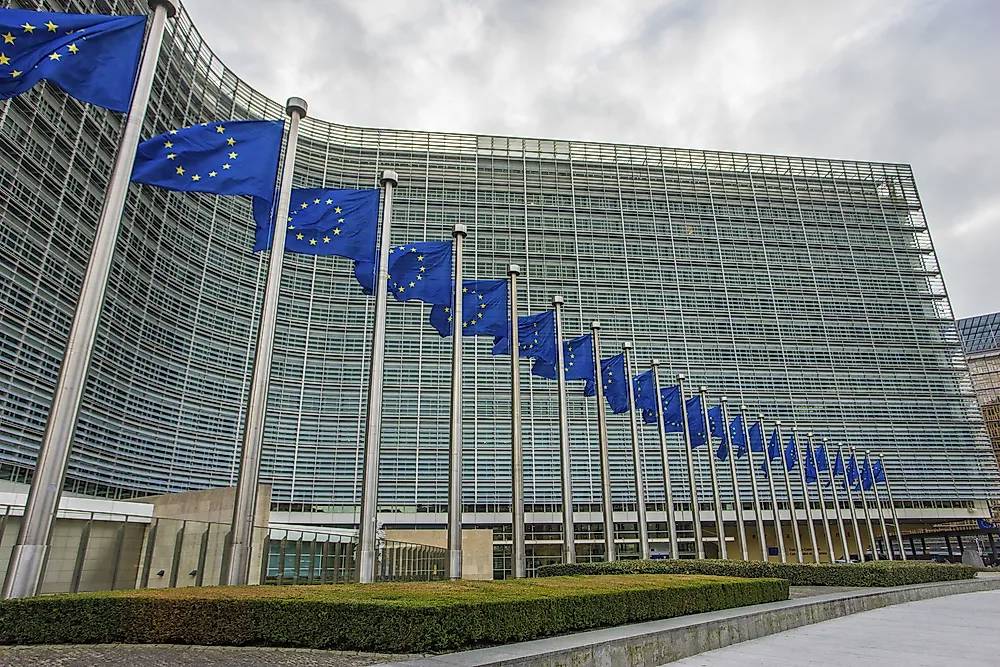
In Europe, confronting the past is increasingly being addressed institutionally by all different segments of society, and especially by Europe's main organizations, the Council of Europe and the European Union. Supporting these efforts and adopting them politically in Europe plays a significant role in the development of democracy and the rule of law.
In this context, the European Parliament, 80 years after the World War II, called for a "common culture of remembrance" as a way to strengthen resilience against modern threats to democracy. May 25 has been declared International Day of Heroes in the Struggle Against Totalitarianism. The European Parliament's decision to commemorate Europe's tragic past on the 80th anniversary of the Second World War is seen as an important step in securing Europe's future. In a resolution it adopted, the European Parliament voiced respect to the victims of Stalinism, Nazism, and other totalitarian and authoritarian regimes. It is also recalled that European integration was built as a model of peace and reconciliation based on the common values of all member states, in response to the sufferings caused by two world wars. Therefore, it is stated that the European Union is particularly responsible for protecting democracy, respect for human rights, and the rule of law. (September 19, 2019)
References
-Mithat Sancar, Geçmişle Hesaplaşma-Unutma Kültüründen Hatırlama Kültürüne, İstanbul, 2010
-Heinrich Böll Stiftung, Perspectives, Southeastern Europe, Issue No 10, 2023;
-Tony Judt, Postwar: A History of Europe Since 1945, 2005; NY: