



Globalization, urbanization, and increasing migration in recent years have made it necessary to reconsider how cities can manage these challenges better within the framework of democratic principles. Today, in countries with developed democratic cultures, the redesign of local authorities and models for harmonizing localization with good governance are on the agenda of discussions regarding state structures.
Intense migration to large cities brings issues such as infrastructure, the environment, and housing to the forefront of countries' agendas. While social problems like poverty, unemployment, and violence cause serious disruptions in the social system, central and local governments are forced to find proper solutions through new approaches.
Furthermore, maintaining social peace in urban areas with diverse ethnic and religious groups constitutes a common challenge for all cities. The main approach to managing ethnic and religious diversity needs to be inclusive and requires designing local policies developed through consultations with councils representing different social groups. This approach calls for community-driven initiatives and inclusive urban planning. Beside these initiatives, implementing anti-discrimination laws, recognizing religious holidays, and establishing permanent multicultural consultative community committees are expected to help maintain social peace.
On the other hand, it is observed that in some regions of the world that have experienced long periods of violent conflicts and wars, social unrest and conflicts still continue openly or covertly. In such cases, responsibility for peace cannot be attributed to national governments alone, although governments hold the primary power to regulate the transition process. Local authorities also have considerable potential in the reconciliation of different community groups at the local level and the reconstruction of the social system to bring peace. In other words, local authorities can play a critical role in peacebuilding processes by mobilizing civil society organizations and local peace committees.
The concept of democracy, after many years of experience and research in political science, has seen "representative government" replaced by the concept of "participatory democracy." This approach has brought about a change that emphasizes local governments, which are the basic service units closest to the people. In short, it has brought to the agenda the expansion of the powers of local governments or autonomy within the framework of contemporary democratic values.
Briefly, local democracy necessitates the transfer of certain administrative authorities to local councils and municipalities to enable the people to govern themselves through representation and active participation. The defining elements of local democracy include regular elections, citizen participation, accountability of local authorities, and financial autonomy. Historical observation teaches us that by bringing decision-making processes closer to the people, local authorities have proven to be efficient units able to find appropriate solutions to local needs.
The dimensions of the problems experienced today, the development of the understanding of democracy, and raised expectations from governments have forced societies to develop a new understanding of administration called governance. Instead of the established strong centralized administration model, "governance" encourages the participation of civil and non-governmental democratic organizations in decision-making and oversight processes.
In Turkey, as the traditional and well-established centralist administration has wide popular recognition, it reminds of the necessity of transferring some powers to local authorities to develop a democratic culture. Local governments, as the units closest to the people, possess characteristics that encourage public participation and help to develop public responsibilities, political awareness, and a sense of responsibility.
Therefore, local governments are of special importance as they are effective in developing a democratic culture by bringing governance closer to citizens, facilitating direct participation, and fostering accountability. They fulfill a mission as a "school of democracy" where citizens learn to exercise their rights and responsibilities.
In local authorities, due to the availability of close observation, it is easier for citizens to hold local officials accountable, reduce corruption, and maintain a well-performing and transparent administration. Transferred power and autonomy enable local authorities to be more effective in tailoring specific solutions to community needs. This means local authorities can better include minorities and disadvantaged groups in decision-making processes, policy design, and the provision of services tailored to local differences. In other words, local authorities can supply more relevant and trusted public services compared to centralized governments.
When we look at the development of autonomy in Europe, we see that city-states served as the basic governmental units of the medieval and early modern periods. These units contributed significantly to the economic rise and public institutional development of Europe. These autonomous cities emerged as centers of self-governance within the feudal structure of much of Europe.
By the 19th century, most city-states were incorporated into larger national units or states, such as during the Italian and German unifications. Briefly, the tradition of city-state autonomy made a serious impact on modern European governance. The last two decades have seen a significant increase in local autonomy, especially in Central and Eastern Europe. Today, European countries in principle recognize power-sharing with autonomous regions and federal structures to balance local needs with national unity.
Turkey has a very strong, deeply rooted centralist public administration tradition, which is a key feature of its governance structure, often described as a "strong state." This centralist structure, developed particularly during the "classical" period of the Ottoman Empire, can be described by a sultanate, a strong bureaucracy, and direct control over provinces. The centralist tradition was reinforced during the establishment of the Republic in 1923, prioritizing national unity and territorial integrity over local autonomy.
The constitutional tradition developed during the Republican period followed the same political principle, with "integral unity" recognized as the key principle of public administration. All constitutions, including the 1982 Constitution, are structured on the concept of the "integral unity of the administration," ensuring that all administrative units act under strict hierarchical control of the center.
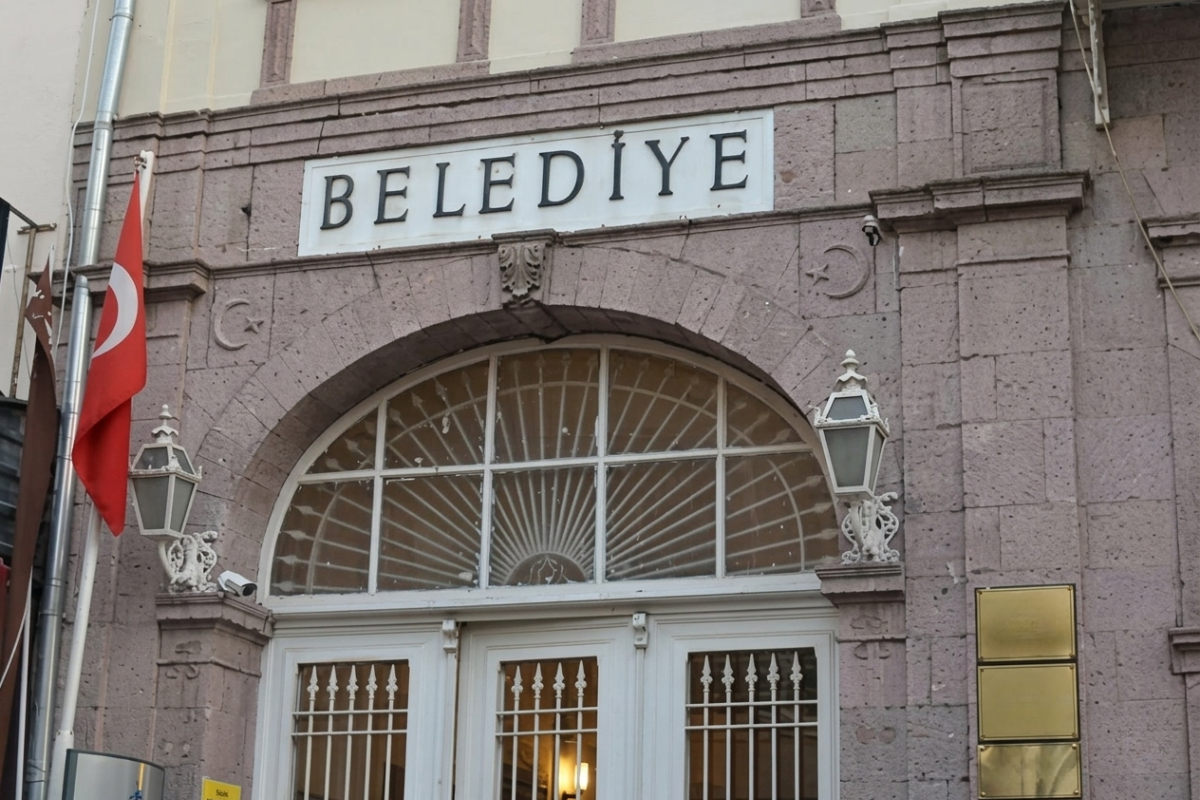
Furthermore, local governments and municipalities operate under strict administrative tutelage of the central government, which limits their decision-making and acts in many cases as an approval authority. Central administrative institutions, such as ministries, are primarily located in Ankara, and provincial administrations and governorships are established as local branches of the central government.
On the other hand, it is easily observed that the centralist tradition has not changed, despite the obligations of joining the European system and democratization processes. The conservative and centralist tradition continues to be effective in shaping policies and acts relevant to public administration and local authorities.
In recent years, the increased pressure and supervisory function of the central authority has been observed, alongside acts issued aimed at weakening the autonomy of local governments. Recent changes regarding the administrative structure and local authorities have been far from contributing to the development of local governance and the culture of local democracy. On the contrary, they have significantly strengthened governorships and provincial special administrations as local units of the central government, while weakening local authorities and excluding civil society.
Participatory and pluralistic governance primarily necessitates the strengthening of local governments through a democratic approach and the participation of civil society organizations in local governance processes. It is also accepted that the development of local democratic structures and a democratic culture from the grassroots level will enable governments to make effective and efficient use of local resources.
In Turkey, the fundamental principles regarding local governments, as defined in Article 127 of the Constitution, essentially recognize the "principle of decentralization" and the "administrative oversight authority of the central government." However, the principle of decentralization is not sufficiently clarified, and its limits are not clear enough to make a definitive judgment. It is also observed through implementation that this formulation of the article allows political leaders to limit this principle according to their discretion and political considerations.
Criticisms from Europe regarding local authorities
The section of the AK Party program summarizing its policies on local governments states that contemporary local democracy principles will be implemented. It describes a well-developed democratic approach to autonomy, including the removal of reservations placed on the European Charter of Local Self-Government. In short, although the AK Party declared a commitment to local government autonomy and democracy in line with European standards, in the last two decades the country has experienced the most restrictive interventions on local authorities in the Republican period.
On the other hand, the compatibility of the country's public structure and local governments with the European system is a common interest and strategic priority for both the Council of Europe and the European Union. Both regularly monitor the compatibility of local autonomy with European standards, particularly with the Charter of Local Self-Government. Criticisms in recent reports indicate that Turkey's commitments to the principles contained in relevant agreements have not been observed, despite the commitment to the accession process to the European system.
The EU Commission's 2025 Report states that the functioning of Turkey’s democratic institutions continues to be severely disrupted. It notes that democratic regression persists, particularly in important areas such as the rule of law and local governments. The report highlights structural flaws in the presidential system, the problem of the separation of powers between the executive and the judiciary, the lack of effective checks and balances, and the inability to hold the government accountable except through elections. Furthermore, the report criticizes the highly politicized public administration, the prosecution and removal of elected opposition mayors, and the appointment of government-appointed trustees, stating these constitute serious violations of local democracy.
In 2025, alongside the Council of Europe, international human rights organizations such as Human Rights Watch and Amnesty International also raised concerns about human rights violations and severely criticized policies and practices targeting local governments. In particular, the practice of replacing democratically elected mayors with government-appointed trustees is heavily criticized. The report notes accusations of corruption against Republican People’s Party (CHP) mayors, particularly the mayor of İstanbul. It also highlights the removal from office of almost all Equality and Democracy Party (DEM Party) mayors through politically motivated decisions, their subsequent prosecution on terrorism charges, arrests, and convictions. These actions are criticized as politically motivated decisions that constitute a serious violation of both obligations to Europe and the Constitution. (NT/VK)