









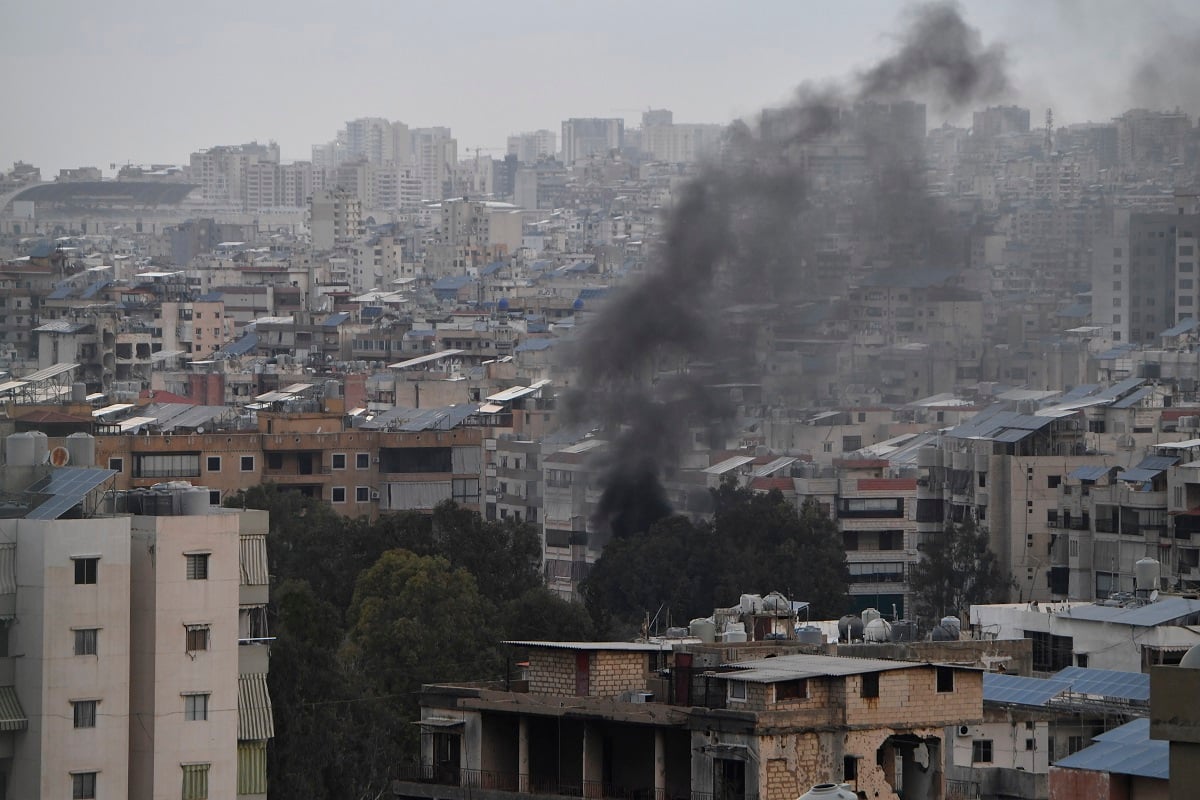
As US and Israeli forces continue their attacks on Iran on day 33, the Israeli army has also been targeting Lebanon with an intense and destructive wave of strikes since Mar 2.
Lebanon, a country of around 6 million people, small in size but marked by a highly complex social fabric, is today facing not only an externally driven assault but also a crisis that is straining its internal balances.
According to official figures, at least 1,268 people have been killed and 3,570 injured in Israeli attacks carried out under the pretext of Hezbollah as of Mar 31. Among the dead are at least 52 health workers and four journalists. More than one million Lebanese have also been forced to flee their homes due to the attacks and evacuation orders.
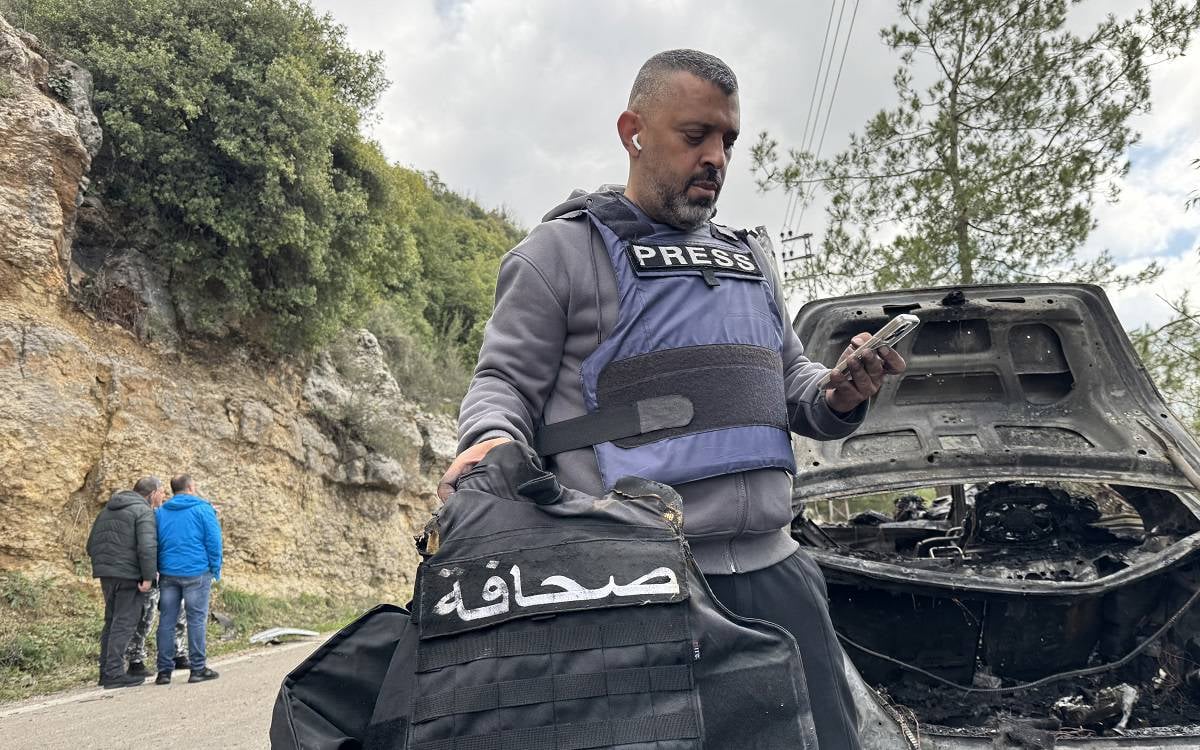
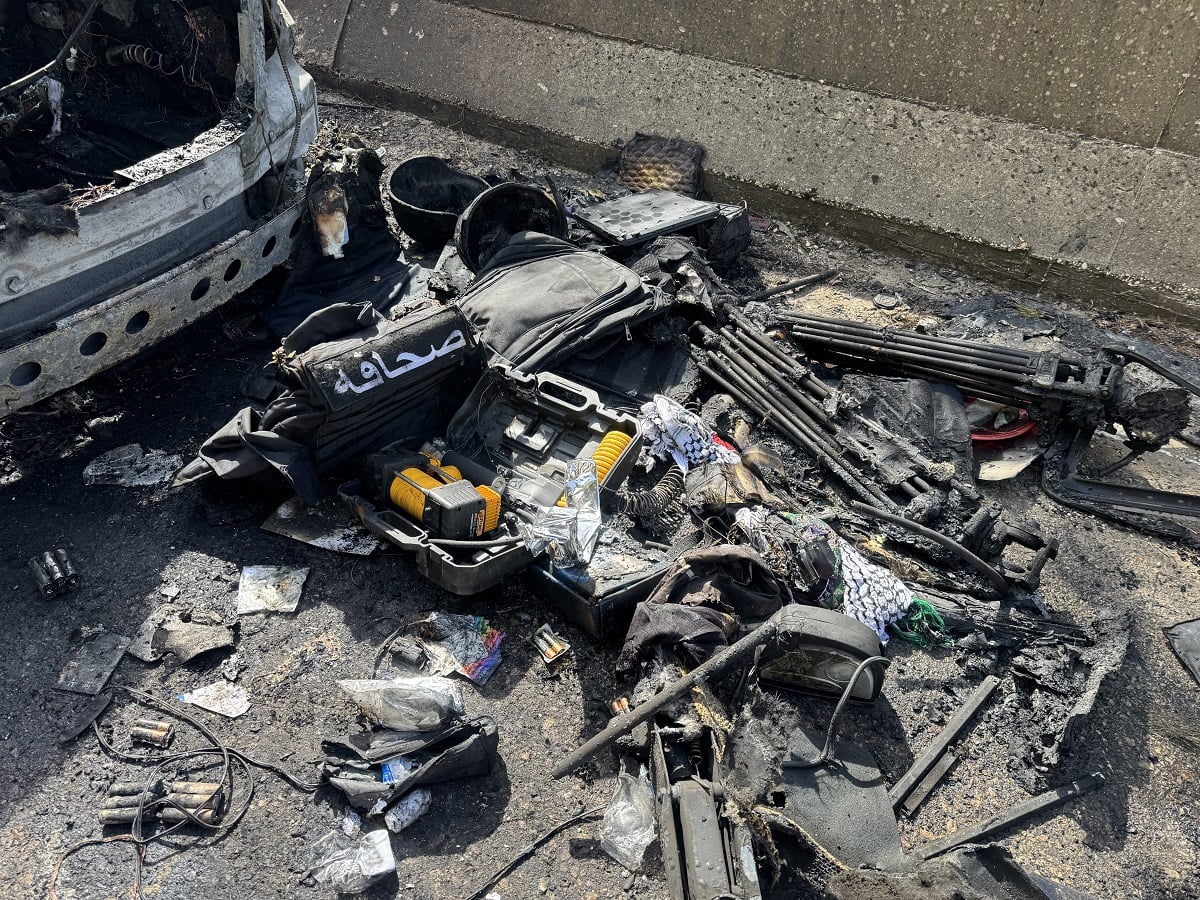
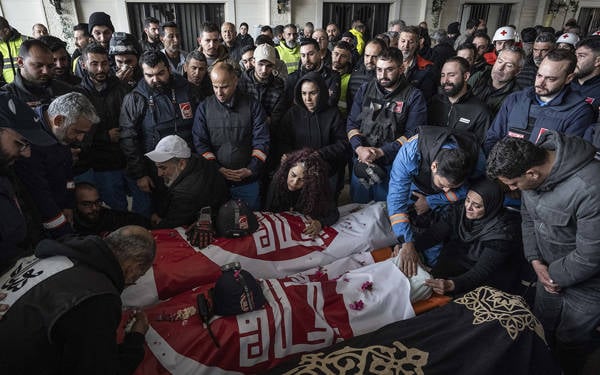
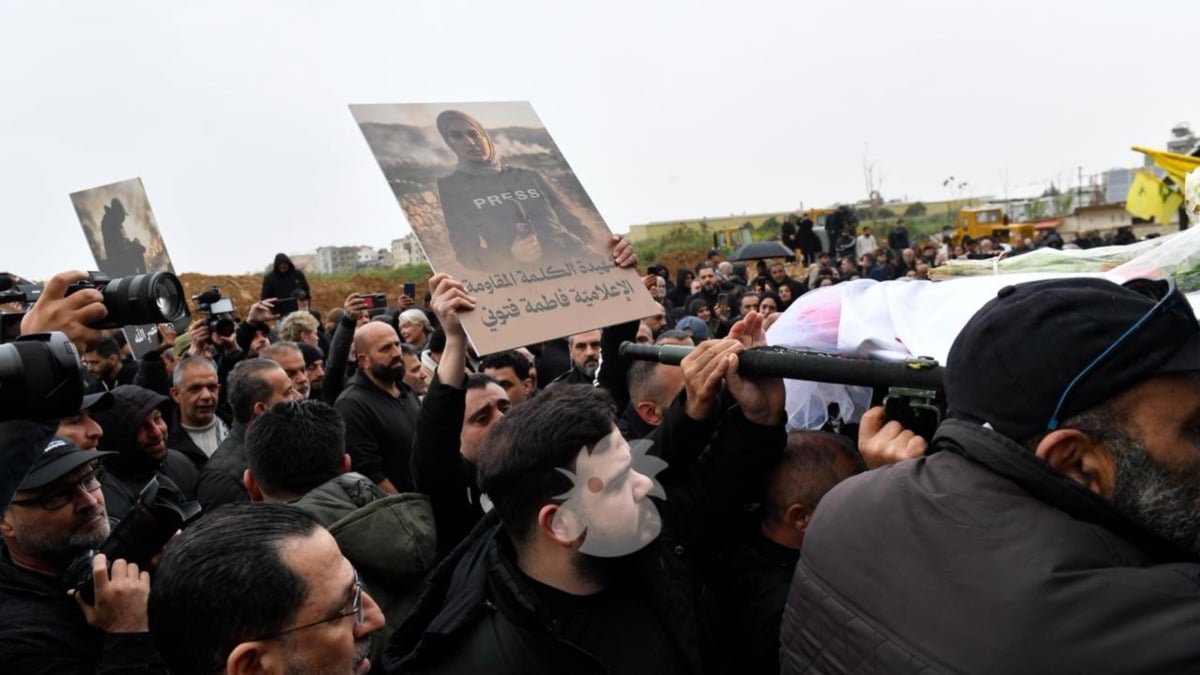
On Mar 28, the Israeli army carried out an airstrike on a moving vehicle in Jezzine, southern Lebanon, killing Ali Shoeib, a correspondent for Hezbollah-affiliated Al-Manar TV, and Al-Mayadeen correspondent Fatima Ftouni and her brother, freelance photojournalist Mohamad Ftouni. Israel also targeted ambulances that arrived at the scene following the attack; one health worker was killed.
The Israeli army claimed responsibility for the strike and alleged that Shoeib was “working in Hezbollah’s intelligence unit under the cover of journalism.” Both the attack and this statement sparked widespread outrage among the Lebanese public. Lebanese officials described the attack as a “deliberate and clear war crime” and announced they would file a complaint with the UN Security Council, while international organizations such as the International Federation of Journalists (IFJ) and the Committee to Protect Journalists (CPJ) also condemned the attack.
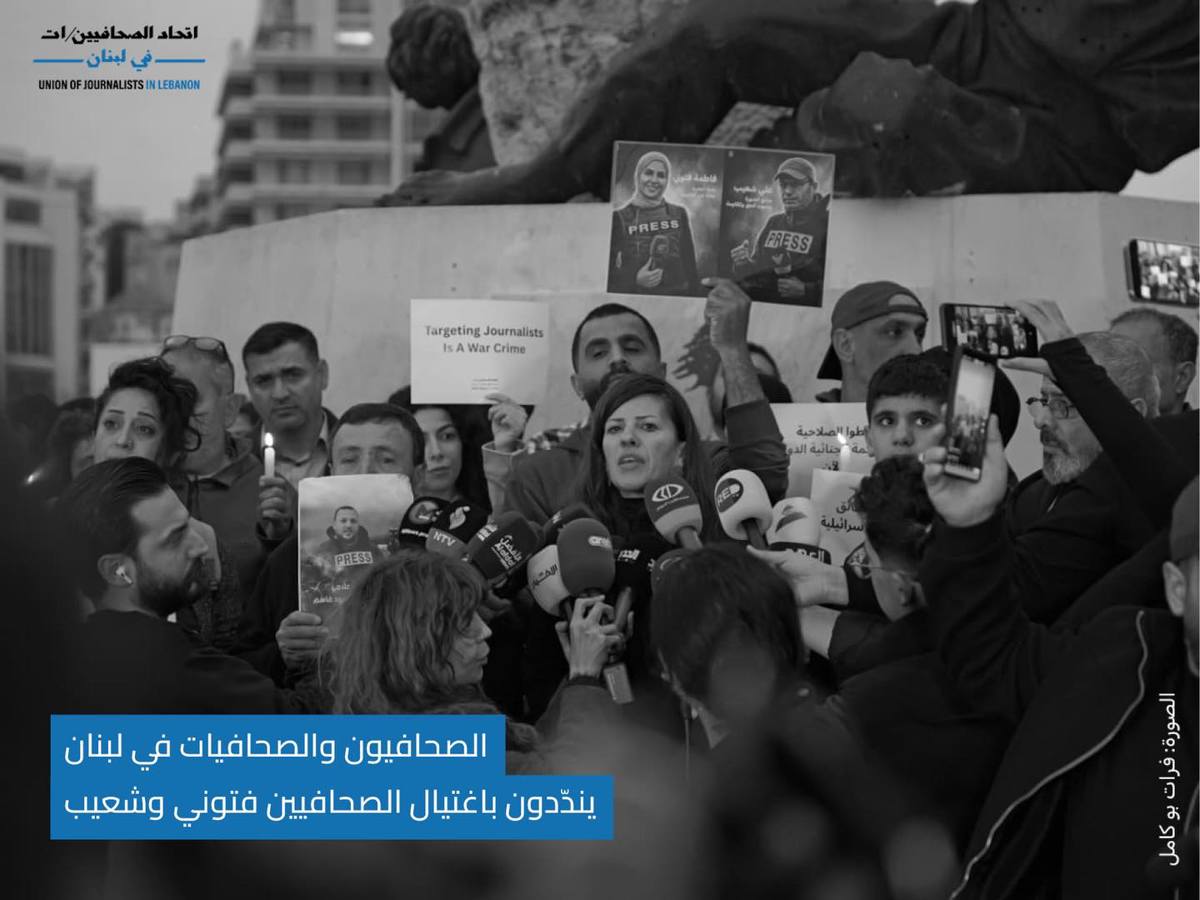
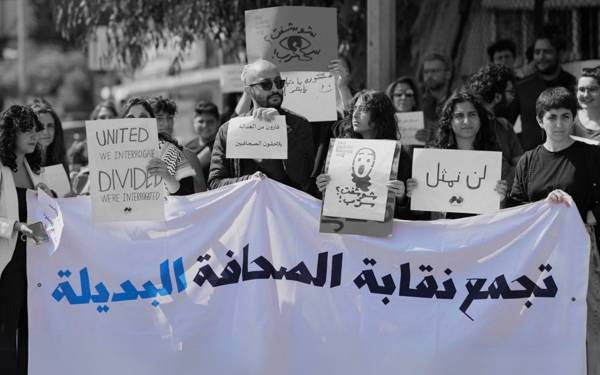
The Union of Journalists in Lebanon (UJL) also protested the attack on their colleagues with a mass demonstration in the capital, Beirut.
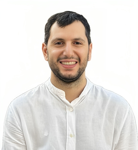
We spoke with UJL President Elsy Moufarrej about Israel’s attacks on Lebanon, their impact on the country’s internal dynamics, the targeting of journalists and health workers, and their efforts to combat impunity.
'A collective trauma'
How have the attacks launched by the Israeli army on March 2 affected Lebanon and Lebanese people? In particular, could you share your observations on how they are affecting everyday life?
The attacks launched on March 2 have affected Lebanon on every level — humanitarian, social, economic, and psychological.
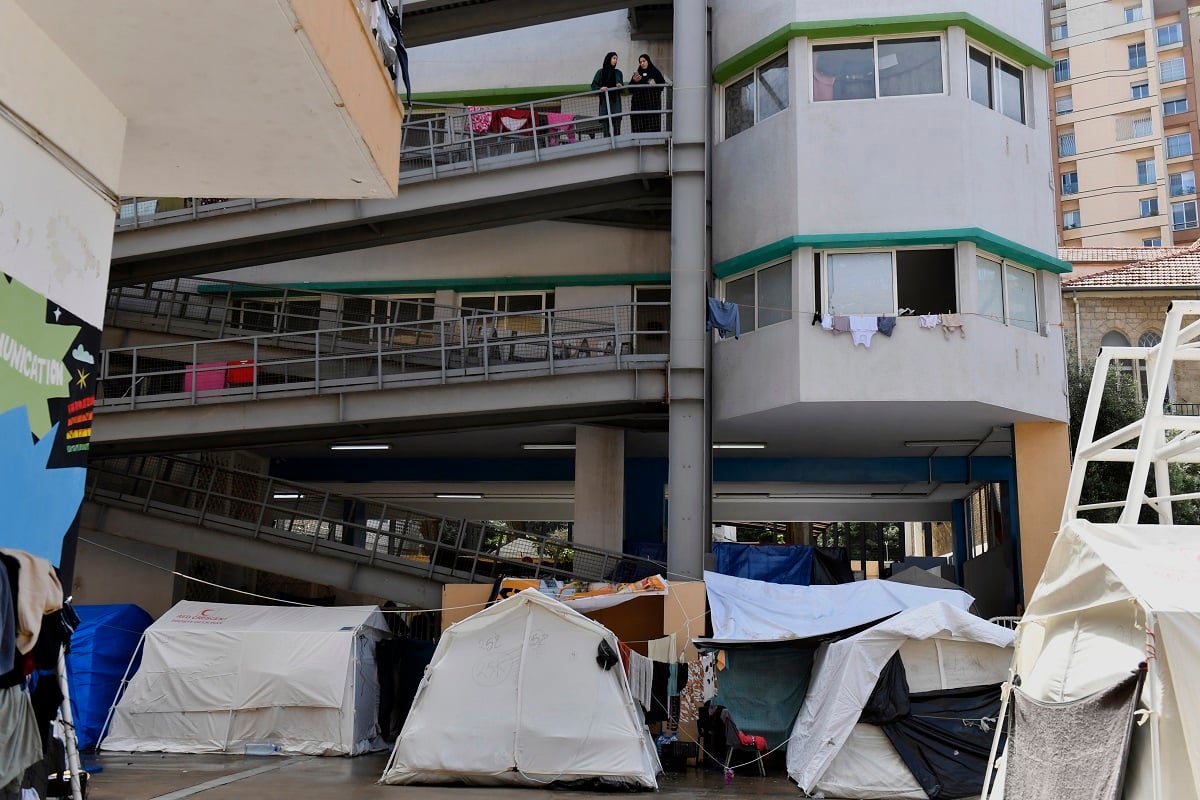
On the level of everyday life, more than 1.2 million Lebanese have been displaced from their homes, forced to leave their towns, their jobs, and their sources of income. For many families, daily life has shifted from stability to survival — searching for shelter, securing basic needs, and trying to maintain some form of normality under extremely difficult conditions.
For the rest of the population, life has also changed dramatically. People are living under constant fear — fear of airstrikes, fear of sudden escalation, fear triggered by the sound of warplanes and explosions. Lebanon is a country that has lived through multiple wars and crises, and what we are witnessing now is a collective trauma being reactivated.
Children and students have been particularly affected. Many schools and universities have suspended in-person education, and students have moved to online learning. But the reality is that many students cannot properly continue their education under displacement, poor internet access, psychological stress, and unstable living conditions.
Economically, the impact is also severe. Lebanon was already suffering from one of the worst economic collapses in modern history. The war has further paralyzed economic activity, disrupted supply chains, increased unemployment, and pushed more families into poverty. This war did not hit a stable country — it hit a country already exhausted by years of economic collapse, the Beirut port explosion, political paralysis, and previous rounds of conflict.
So the impact is not only about physical destruction — it is about the destruction of daily life, stability, education, and the sense of safety.
Deepening internal fault lines
As Israel’s attacks and its occupation in the south escalate, how is this process affecting Lebanon’s internal dynamics? Considering the government’s March 2 decision to ban Hezbollah’s military activities, along with the way displacement is deepening sectarian and class tensions, do you think this situation is also triggering the country’s internal political fault lines?
What is happening today is not only a military escalation — it is also reshaping Lebanon’s internal dynamics in a very dangerous way.
As displacement increases and economic pressure grows, we are seeing rising sectarian tensions, class tensions, and political polarization. Hate speech and incitement have increased dramatically, both on television and on social media, whether from supporters of Hezbollah or from its opponents. This kind of hate speech does not remain in the media — it translates into social tension on the ground.
There is a real risk today that the war is not only happening on the border, but also inside Lebanese society — politically, socially, and psychologically. The longer the war continues, the more it risks deepening Lebanon’s internal fault lines.
Lebanon is not only facing a security crisis — it is facing a social and political stress test that could reshape the country for years to come.
Israel killed 10 journalists in Lebanon
On March 28, the Israeli army killed three Lebanese journalists, while nine health workers were killed in other attacks on the same day. Given the repeated targeting of journalists, emergency response teams, and health facilities throughout March, are we witnessing a broader and systematic pattern of attacks?
What is extremely alarming is that on the same day journalists and paramedics were targeted, we began to see a very dangerous narrative being built to justify these attacks.
After the killing of journalist Ali Shaib, the first claim was that he was affiliated with Hezbollah. The next day, another justification appeared — that ambulances were being used to transport weapons. These are not new arguments; we have seen the exact same narrative used in Gaza. The purpose of these claims is very clear: to strip journalists of their civilian status, to strip medics of their medical and humanitarian status, and to reclassify them as combatants or terrorists.
This is not just propaganda — this is a strategy. A strategy aimed at cooling down the crime, preventing international outrage, and blocking any path toward accountability.
And unfortunately, this strategy has worked before because there has been no accountability.
In the past two to three years, more than 270 journalists have been killed in Palestine and Lebanon.
In Lebanon alone, 10 journalists have been killed in Israeli attacks since October 2023.
None of these cases have led to real accountability.
So what we are seeing today is not only the targeting of journalists and medics — we are seeing the normalization of their killing through political and media narratives that attempt to justify these crimes.
The biggest danger is not only the crime itself, but the global tolerance of these crimes. Because when there is no accountability, these attacks do not stop — they become a policy.
İsrail saldırısında hayatını kaybeden Lübnanlı sağlık görevlileri toprağa verildi
'We document every attack on journalists'
How is the Lebanese Journalists’ Union building a legal, professional, and political line of response in the face of Israel’s escalating attacks?
As the Union of Journalists in Lebanon, we are doing what we have done in previous cases: we are documenting these crimes in a systematic and professional manner, in cooperation with international organizations specialized in documenting war crimes. We are collecting evidence, testimonies, photos, videos, and technical reports related to each attack targeting journalists.
Secondly, we are formally communicating with the United Nations Special Rapporteurs concerned with these types of violations — including those working on extrajudicial killings, freedom of expression, and the protection of journalists. We are submitting documented cases so they can include them in their official communications and reports and issue formal positions regarding these crimes.
Third, we are preparing legal files for future litigation. The major challenge we face is that neither Lebanon nor Israel are members of the International Criminal Court. This makes direct prosecution more difficult. However, there is still a legal pathway: under Article 12(3) of the Rome Statute, a non-member state can grant the International Criminal Court jurisdiction over crimes committed on its territory for a specific period of time.
Lübnanlı sendikacı: Gazeteciliğin yaşaması, hakikatin yaşaması demek
'Our objective is to end impunity'
Since the killing of journalist Issam Abdallah, we have been advocating for the Lebanese state to grant the ICC jurisdiction under Article 12(3), so that war crimes committed against journalists in Lebanon can be investigated and prosecuted. Unfortunately, there are still internal political obstacles preventing this step.
Fourth, we are also pressuring the Lebanese authorities to conduct serious national investigations and proper documentation of these crimes, because even if international justice takes time, proper documentation and official investigations are essential to prevent these crimes from being forgotten and to fight impunity.
This step is not only important to open the door for an ICC investigation, but it also has another crucial legal impact: it would strengthen legal pathways for cases to be brought before national courts in countries that apply universal jurisdiction for war crimes and crimes against journalists.
The targeting of journalists and medical personnel is a war crime under international law, and it must be treated and pursued as such, not as a political dispute but as a matter of international criminal responsibility.
For us, the objective is very clear: ending impunity for the killing and targeting of journalists. (VC/VK)