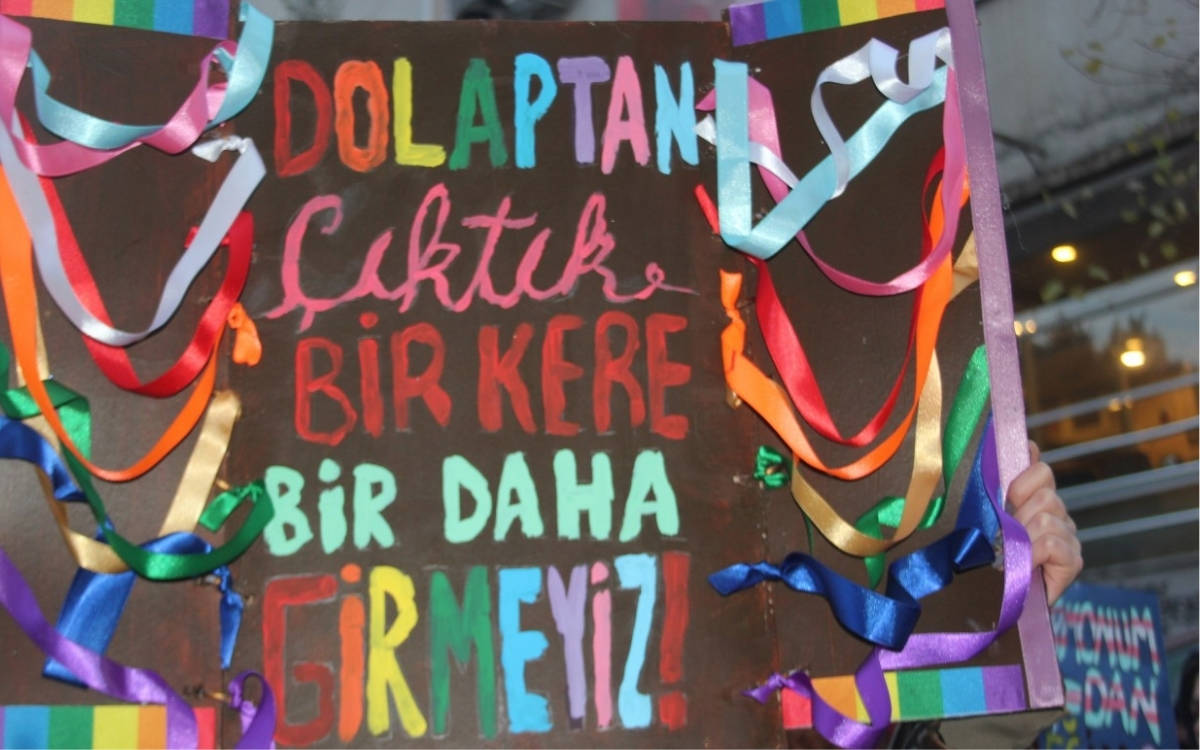



Anti-LGBTI+ amendments included in earlier drafts will not be part of an upcoming judicial reform package, according to ANKA news agency.
The 12th Judicial Package, anticipated to be forwarded to parliament this week, includes regulations aimed at accelerating judicial processes.

Over 200 NGOs and rights groups raise concern over planned anti-LGBTI+ legislation
The package will not contain amendments to the penal enforcement regime or amnesty despite earlier rumors otherwise. There are neither any plan to include titles related to family law, such as divorce and alimony, or regulations for juvenile delinquents.
A similar bill was previously reported as part of another broader judicial reform package in late 2025 but was never introduced. The latest draft contained similar provisions, including strict regulations targeting both individuals and advocacy groups.
Turkey’s new judicial package would criminalize LGBTI+ journalism, press freedom groups warn
What the draft included
The draft introduced criminal penalties for those who publicly promote, praise, or encourage behaviors deemed contrary to public morality. Those found guilty could face prison terms of one to three years.
The bill would also raise the minimum age for gender-affirming surgeries to 25. It would require individuals to seek court approval before undergoing such procedures.
Performing unauthorized surgeries could carry prison sentences ranging from three to seven years, along with judicial fines.
These penalties would be doubled if the procedures were carried out on minors or by unauthorized practitioners.
Individuals who undergo surgeries in violation of these provisions could face one to three years in prison.
The draft also stipulated that in order to prove the medical necessity of a gender-affirming surgery, individuals must obtain an official medical board report. This report would only be issued following four separate psychiatric evaluations conducted at three-month intervals in a research and training hospital designated by the Health Ministry.
(TY/VK)