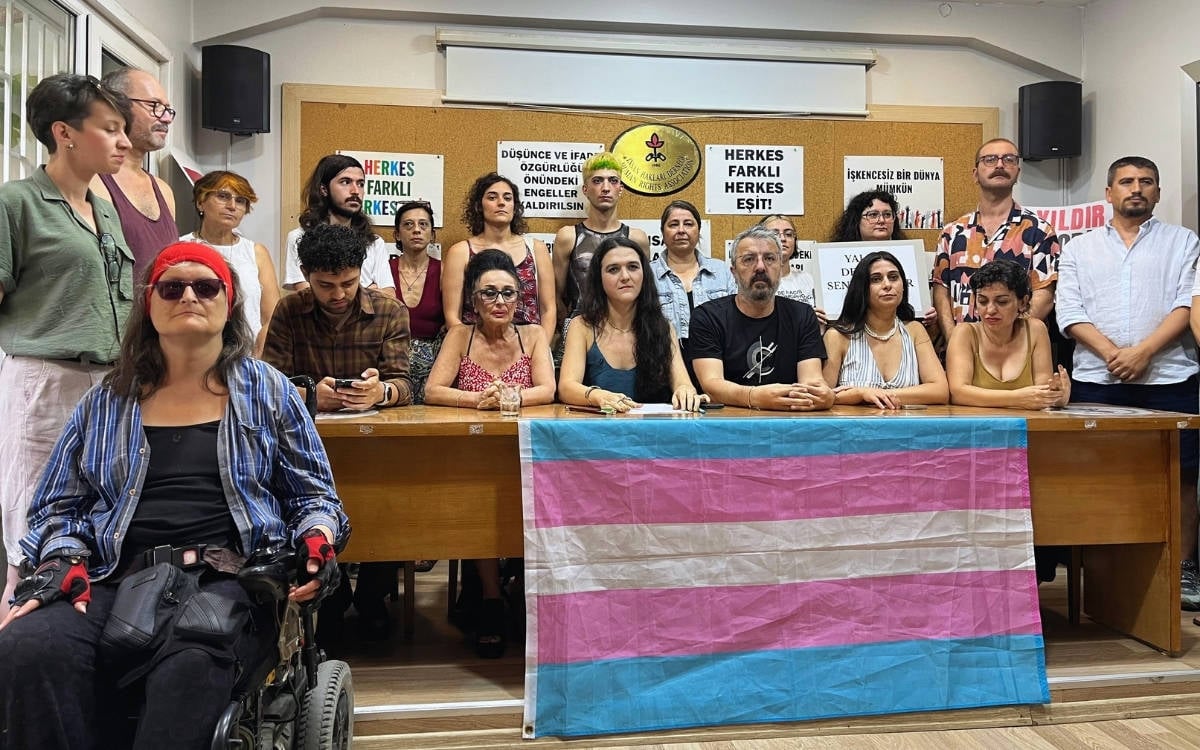

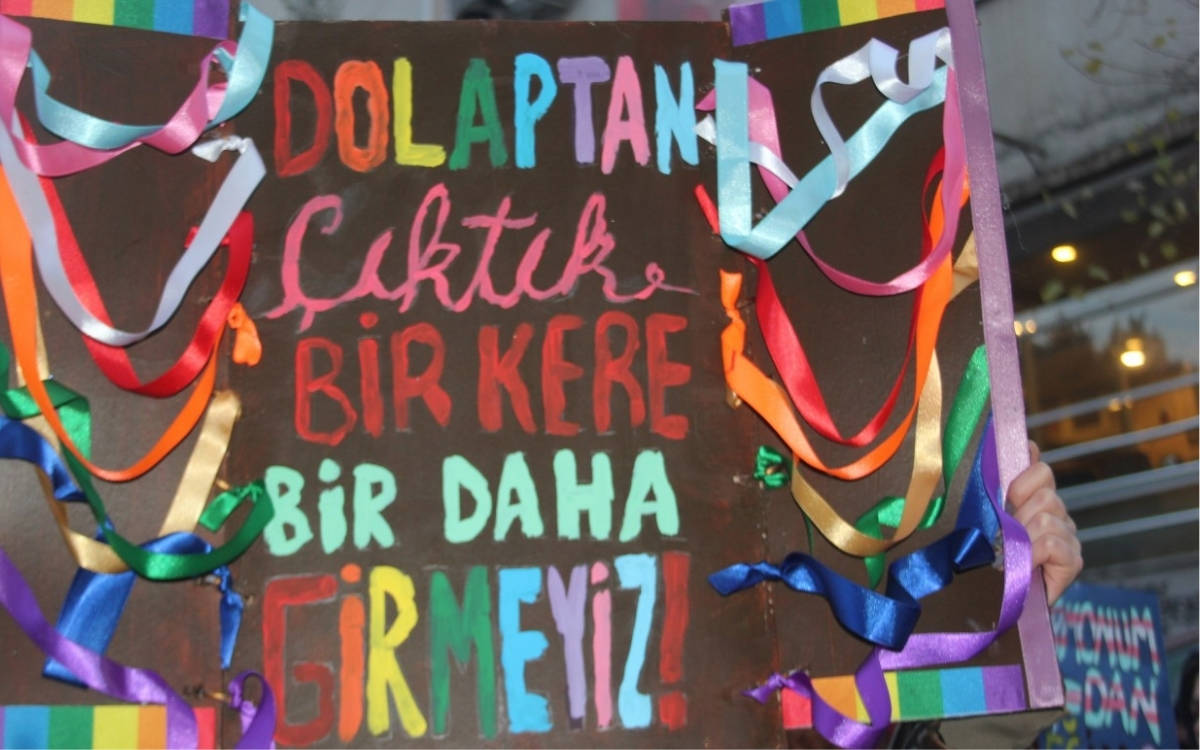



The draft of the 11th Judicial Package, expected to be submitted to parliament soon, includes discriminatory provisions that directly target LGBTI+s.
If enacted, the draft would introduce prison sentences ranging from one to three years for those who "promote or encourage" what are described as “obscene acts.”
The relevant article reads, “Anyone who engages in or publicly encourages, praises, or promotes behavior that contradicts innate biological sex and public morality shall be punished with imprisonment from one to three years.”
The draft would also place same-sex marriage ceremonies and related rituals under threat of criminal prosecution.
Digital platforms would not be exempt from these regulations. According to the draft, content featuring LGBTI+ characters or telling their stories could be penalized or removed from broadcast by the Radio and Television Supreme Council (RTÜK).
One of the most critical measures in the draft is the proposal to raise the minimum age for gender reassignment surgeries from 18 to 25, along with stricter requirements for medical reports. Additionally, doctors performing what is deemed an “unlawful” procedure would face prison time and heavy fines.
The draft regulations closely mirror an earlier anti-LGBTI+ legislative proposal obtained by KaosGL earlier this year. The most notable difference is the increase in the minimum age for gender reassignment from 21 to 25.
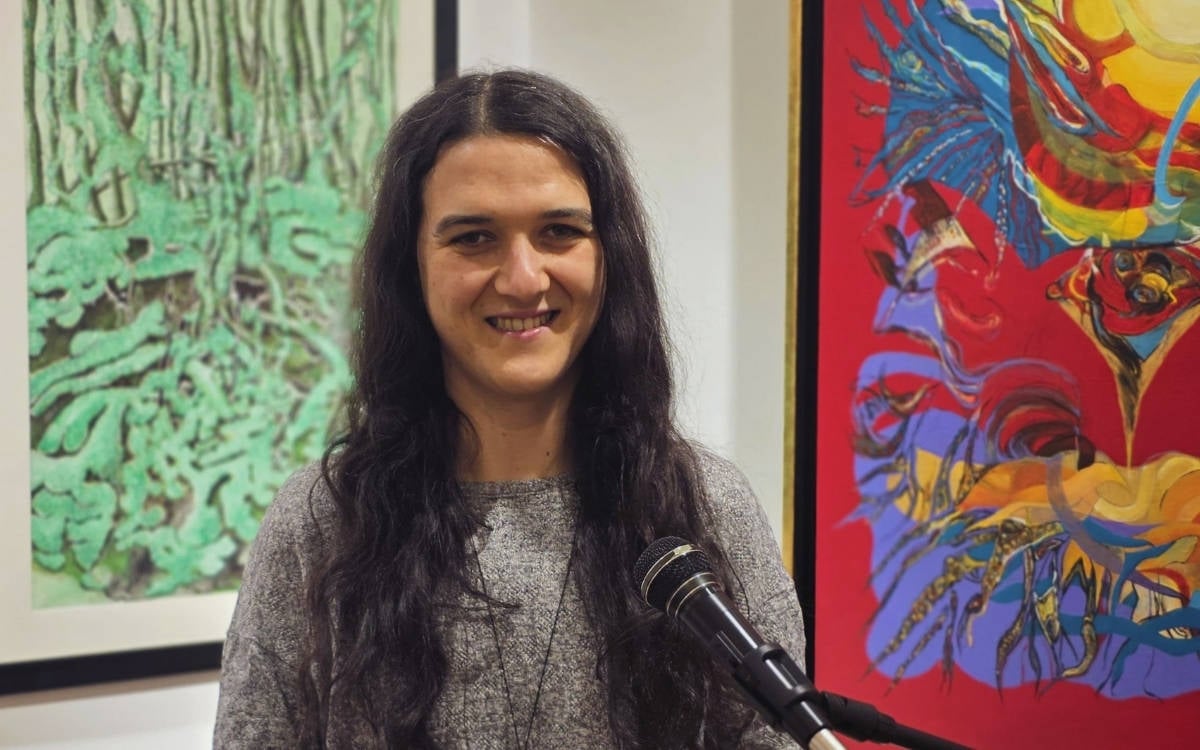
While the draft’s rationale emphasizes the protection of the family institution, public morality, and youth, lawyer Umut Rojda Yıldırım has warned that the package poses serious threats to equality, freedom of expression, and the right to health.
'Preventive healthcare practices are at risk'
How will the prison sentences outlined in the draft be applied, and based on what criteria? Which international agreements, to which Turkey is a party, does this draft violate?
When we examine the draft, we see that it introduces new criminal categories, especially under the vague label of “obscene acts,” including criteria such as promotion and public encouragement. Proving these accusations with concrete evidence would be extremely difficult and legally problematic. Under the European Court of Human Rights (ECtHR) and United Nations conventions, Turkey is obliged to adopt clear and foreseeable laws in its criminal justice system. The proposed penalties for same-sex marriage or commitment ceremonies also contain ambiguities—for instance, it is unclear whether they would apply to couples legally married abroad. This suggests that the government's true aim is to criminalize LGBTI+ identities and punish individuals for expressing and living their identities.
Regarding the article regulating gender reassignment procedures, how do you evaluate the penalties proposed for doctors who perform surgeries deemed “unlawful”?
This provision would place trans-friendly doctors and healthcare professionals—who already operate under difficult conditions in Turkey—under threat of criminal punishment. It would also endanger preventive healthcare practices. Making gender-affirming surgeries mandatory under certain conditions while severely restricting access—particularly given that these surgeries are often not covered by public insurance in state hospitals—will push people toward unsafe, unregulated, and informal alternatives that lack basic healthcare standards.
'No legal basis for the age limit of 25'
The draft proposes raising the age limit for gender reassignment surgeries to 25 and making it more difficult to obtain medical board approvals. What is your legal assessment of this in terms of personal freedom and bodily autonomy?
The age limit of 25 is not recognized in any area of Turkey’s current penal or civil law. The legislature is introducing a new barrier without providing any legal or scientific justification. However, every person over the age of 18 has the right to develop their identity and pursue self-realization. Preventing a legally competent adult from making decisions about their own body would be a clear violation of the prohibition of discrimination. Trans people already struggle to exist in a society structured around a rigid binary gender system, and this age restriction further deprives them of their right to self-determination.
The draft foresees prison sentences of three to seven years and heavy fines for those performing “unlawful gender reassignment procedures.” How would you evaluate the proportionality and legal validity of such penalties?
The wide range between the minimum and maximum penalties suggests a deterrent motive. It’s not hard to predict that this would further discourage doctors—already scarce in this field—from providing care to trans patients. These penalties are more severe than those for much more serious crimes. By threatening doctors with harsh prison sentences and heavy fines, the government would effectively block trans people’s access to healthcare. Given how lengthy the court processes already are—and how new regulations could extend them even further—this could pose life-threatening risks for trans individuals. Unfortunately, many doctors will likely avoid working in this field or keeping up with current developments.
'The goal is to prevent LGBTI+ stories from being told'
The draft justifies these penalties with the state’s duty to protect the institution of the family and public morality. How legitimate is it to use this rationale to restrict individual rights and freedoms?
International human rights mechanisms deem state interference in individuals’ private lives and freedom of expression under the vague pretense of protecting traditional family values or public morality as unlawful under international law. This isn’t unique to Turkey—many countries have adopted anti-gender policies as a form of attack on LGBTI+ rights. Authoritarian regimes often target LGBTI+ individuals, especially trans people, as scapegoats to bolster populist agendas. But the individual’s rights—even if they conflict with so-called societal values—must always take precedence. In particular, anti-trans regulations represent an invasion into one of the most intimate aspects of private life, and state intervention here must be kept to an absolute minimum.
The draft also imposes criminal liability on digital platforms that publish LGBTI+ themed content. What legal issues could this raise regarding content and freedom of expression?
RTÜK already functions as a tool of censorship, frequently penalizing any content related to LGBTI+ issues. In practice, these measures simply offer legal cover for policies designed to intimidate individuals and institutions through threats of punishment. The goal is to prevent LGBTI+ stories from being told or heard. This represents a serious threat to freedom of expression, which exists to protect ideas even if they are provocative. Freedom of expression is especially vital and deserving of protection for groups at high risk of discrimination. Since the government’s anti-LGBTI+ campaign since 2020 has failed to gain real societal support, it resorts to such legal strategies. (TY/VK)