







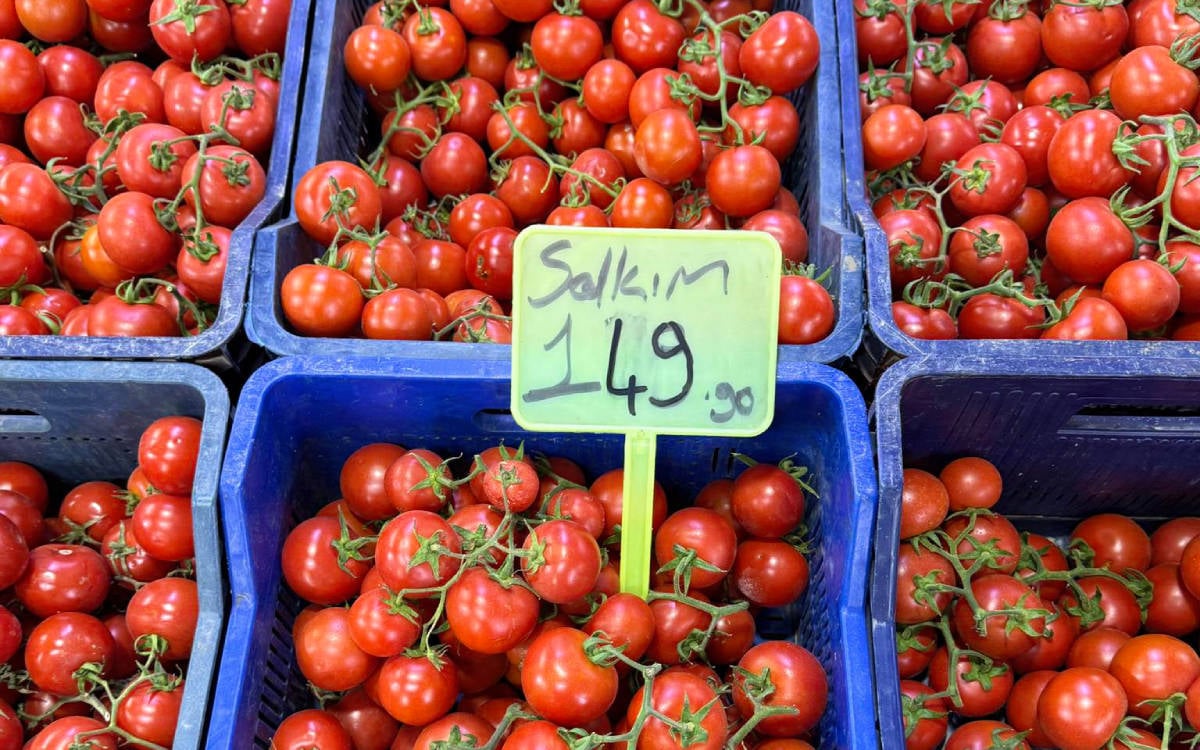



Turkey has the fourth highest food inflation rate in the world, according to data from Trading Economics covering 176 countries. With an annual food price increase of 34.55%, Turkey trails only Venezuela at 672%, South Sudan at 106%, and Iran at 105%.
Following Turkey on the global list are Argentina at 30.9%, Haiti at 22.9%, and Malawi at 20%.
Turkey holds the highest food inflation rate in Europe. Its rate is approximately 3.5 times higher than that of Ukraine, which recorded 9.7% food inflation despite its ongoing war with Russia. Other European countries following Ukraine include North Macedonia at 8%, Romania at 7.39%, Norway at 6.6%, and both Moldova and Belarus at 6.3%.
Fourteen times higher than EU average
The gap is even wider when compared to European Union averages. The annual food inflation rate was 2.4% for the EU and 2.2% for the Eurozone. Turkey’s food inflation is roughly 14 times the EU average and 16 times the Eurozone average.
Among its neighbors, Turkey ranks second only to Iran. While prices in Turkey rose by 34.55%, they increased by 105% in Iran. Other neighboring countries report significantly lower rates, including Armenia at 9.5%, Georgia at 7.5%, Azerbaijan at 6.8%, Bulgaria at 5.7%, Greece at 4.4%, and Iraq at 1.5%. Excluding Iran, the average food inflation among Turkey’s neighbors is approximately 5.9%.
Agricultural policies among primary causes
The Food and Agriculture Organization (FAO) of the United Nations noted in its recent evaluation that currency depreciation has significantly impacted food prices in Turkey. The FAO report highlighted that increases in the costs of seeds, pesticides, and energy are largely driven by the declining value of the lira.
Internal economic and agricultural policies are identified as primary drivers of these high rates. The depreciation of the lira has directly increased the cost of essential agricultural inputs such as diesel, fertilizer, feed, seeds, and energy.
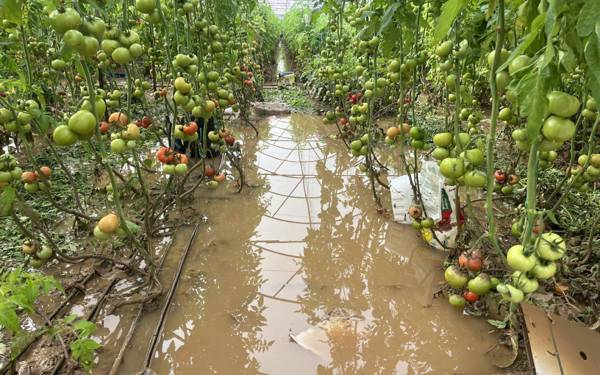
Climate crisis at the table, market regime in the fields
Agricultural subsidies are also cited as insufficient. Under the Agriculture Law, subsidies should not be less than 1% of the gross national product. However, the 168 billion liras allocated for agricultural support in 2026 represents only about 0.27% of the 63.2 trillion liras national income projected for 2025. This indicates that the support provided to farmers remains below the legally mandated level.
Producer costs continue to fuel persistent inflation. According to TurkStat data from Feb 2026, the agricultural input price index rose by 31.55% annually. In Mar 2026, the agricultural producer price index increased by 36.09%. These figures suggest that price hikes are not merely occurring at the retail level but are driven by pressures in production and logistics.
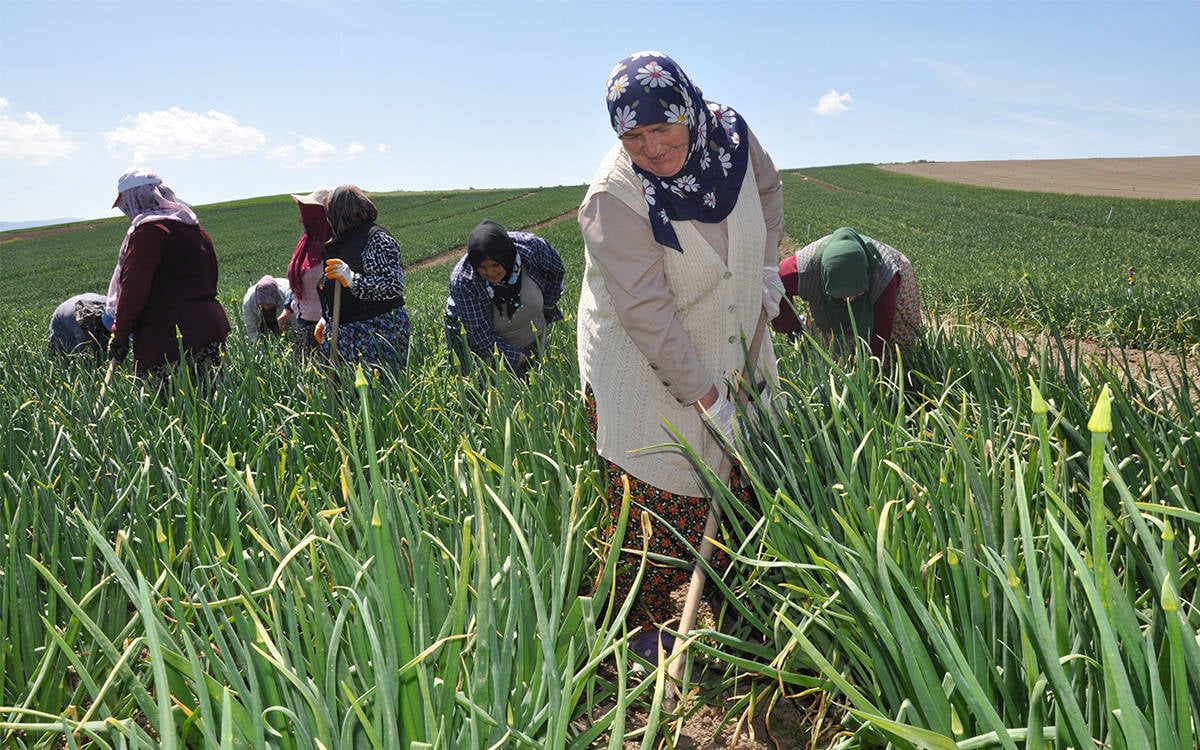
Number of registered farmers further decreases, MP warns
Government efforts to combat food inflation have largely focused on short-term measures, such as inspections of supermarket chains, temporary discount calls, seasonal import decisions, or export restrictions. Analysts suggest that permanent price reductions would require policies that reduce producer costs, ensure predictable income for farmers, strengthen cooperatives, and improve irrigation and storage infrastructure. (HA/VK)


.jpg)