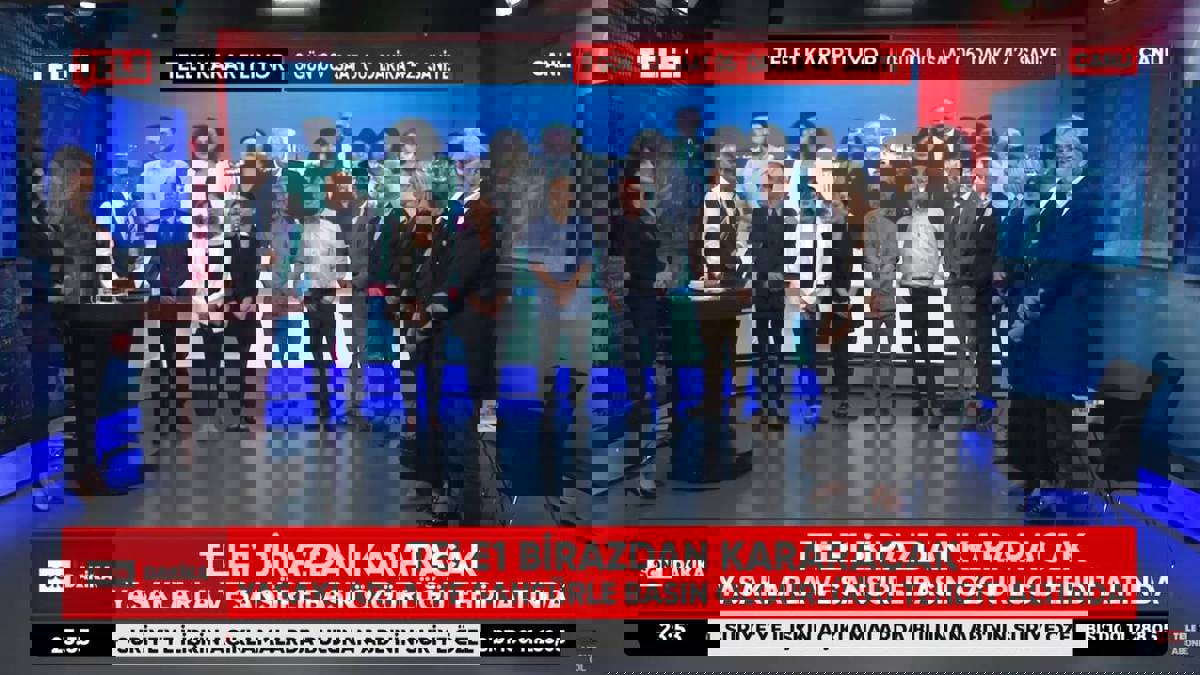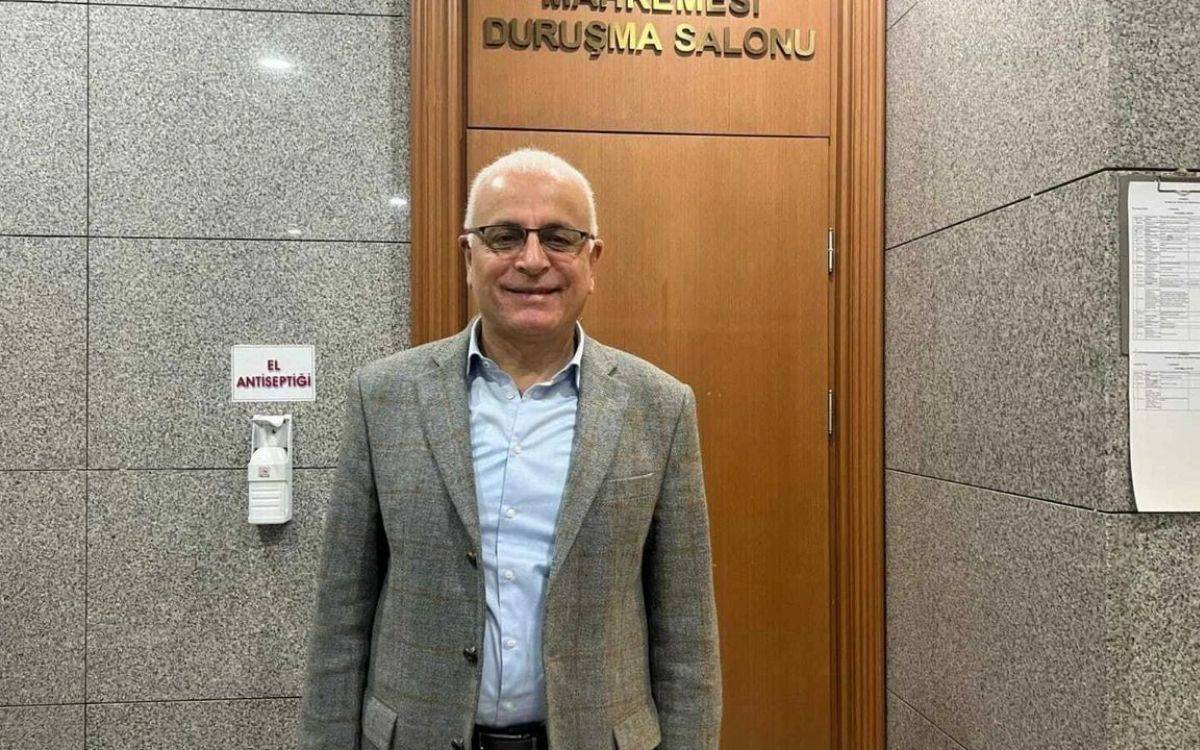



The Savings Deposit Insurance Fund (TMSF) announced on Apr 20 that it has put the seized TELE1 television station up for sale for 28 million liras (~623,000 US dollars). The fund took control of the channel after its founder and editor-in-chief, Merdan Yanardağ, was arrested in October in an espionage investigation.
Following the seizure, most of the network's employees were dismissed and its pro-opposition editorial line was changed.
The TELE1 team established a new channel called TELE2 in November and continues to broadcast there.
Yanardağ remains in pretrial detention, where he has been held for six months without the start of his trial.
Statement from Yanardağ
In a statement released through his lawyers, Yanardağ criticized the decision and noted that the sale price set by the TMSF is less than the three-month operating expenses of the channel.
"They want to transfer the value we created with our sweat, labor, mind, and will to their cronies for next to nothing.
"The purpose of the conspiracy of 'espionage' based on lies and slander has thus been revealed once again without dispute. The goal was to collapse TELE1 and try to silence it," Yanardağ added. "We did not remain silent, but they continue their insistence on looting TELE1. They want to sell our channel for next to nothing and leave the debts to us."
Unchanging structure, deepening political control in Turkey's media ownership
Yanardağ claimed that the channel received an offer 15 times higher than that amount last year, which they refused. "We did not accept it because we believed that TELE1 belonged to the public, its viewers, and its employees," he said.
Yanardağ suggested that he might not have been arrested if he had agreed to the previous sale. He stated that the bidders had warned him in an indirect way that he deserved to "live a comfortable life" and suggested he could start another media outlet later with the money.
"We said no; we did not find it appropriate. TELE1 was not a commercial enterprise, but an independent social responsibility initiative that adopted the principle of pro-people broadcasting. Journalistic ethics and principles were our basic measure. They could not take us over with money or pressure," Yanardağ said. (VK)