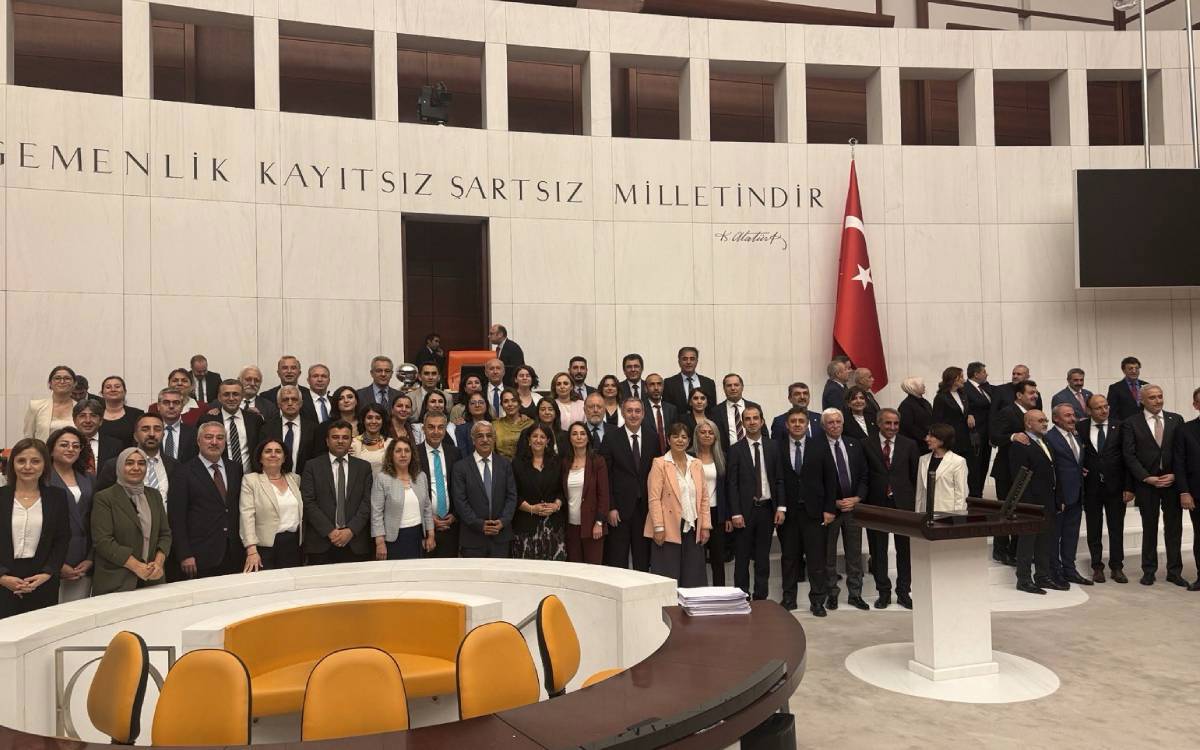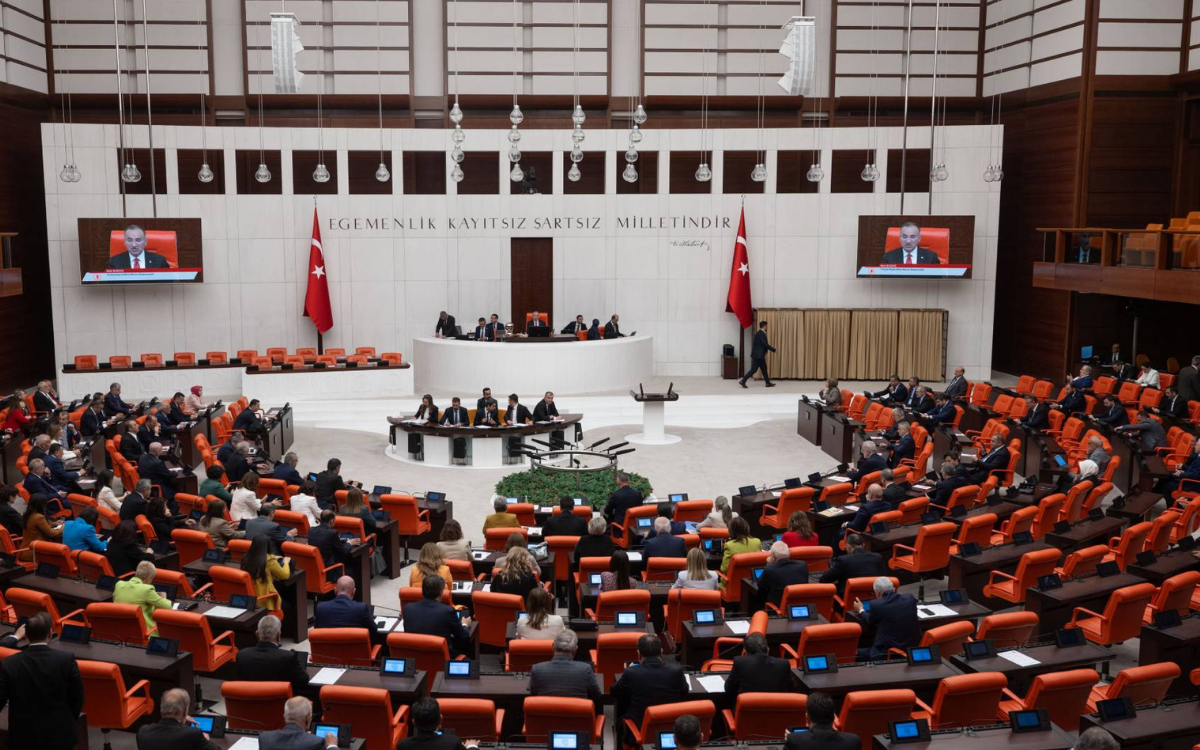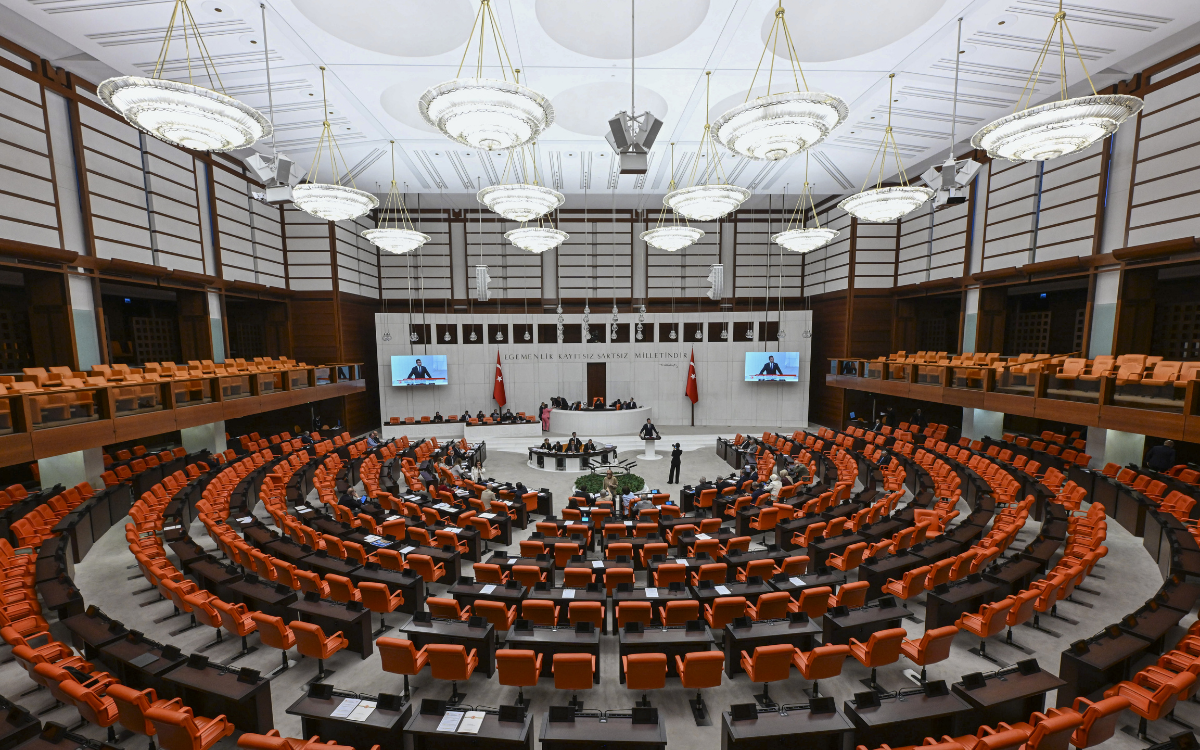



Parliament today began discussing the “Strengthening National Solidarity and Social Integration” bill, the first legislative step in the Kurdish peace process.
Submitted to parliament on Aug 5, the bill would suspend prison sentences and ongoing legal proceedings for offenses linked to the Kurdistan Workers’ Party (PKK) for five or 10 years. Under the proposal, once state authorities confirm that the PKK has ceased to exist, it would be classified as a “dissolved organization,” triggering the suspensions.
- Among the parties in parliament, the ruling Justice and Development Party (AKP) and its ally, the Nationalist Movement Party (MHP), the pro-Kurdish Peoples’ Equality and Democracy (DEM) Party, the opposition Republican People’s Party (CHP) and the New Path Party support the proposal.
- The New (Yeni) Party, which split from the CHP and is now the main opposition party, will not vote as a bloc on the proposal and will leave the decision on whether to support it to individual lawmakers.
- The New Welfare Party has also announced that it will vote neither for nor against the proposal.
- The nationalist opposition Good (İYİ) Party, has emerged as the party most strongly opposed to the proposal.
AKP: An Ankara consensus
AKP parliamentary group's deputy chair Abdülhamit Gül said Turkey’s greatest strength was maintaining a united domestic front after decades of conflict.
Gül said the country had been forced to contend with what he described as the “shackles of terrorism” for 50 years, but argued that the unity of Turkey’s 86 million people remained its strongest protection.
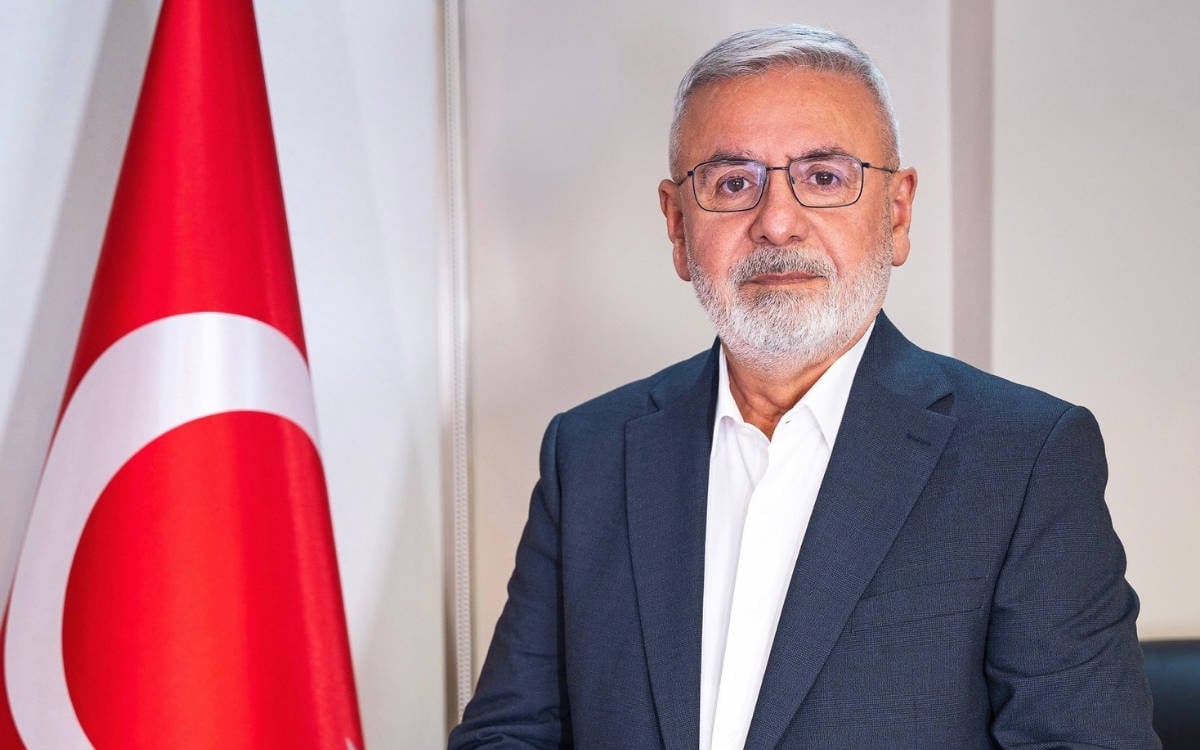
Interview: AKP’s Mehmet Metiner rejects war rhetoric, says ‘neither Kurds nor Syria should lose’
He said Turks and Kurds shared "not only the same country, but also a common history, symbols and sense of destiny," invoking Malazgirt, Jerusalem, Çanakkale and Sakarya as examples of past unity.
He argued that international conflict-resolution experiences would not serve as a model for Turkey.
“This is an Ankara consensus, a Turkey consensus and a Turkey model,” he said, describing the process as a model of peace that could set an example for the world.
MHP: For regional stability...
MHP Deputy Chair Feti Yıldız said the process was not an amnesty measure but a state policy.
Yıldız said the process could not be viewed solely through the lens of security, adding that it encompassed the survival of the state, the rule of law, democratic participation, social solidarity and economic development.
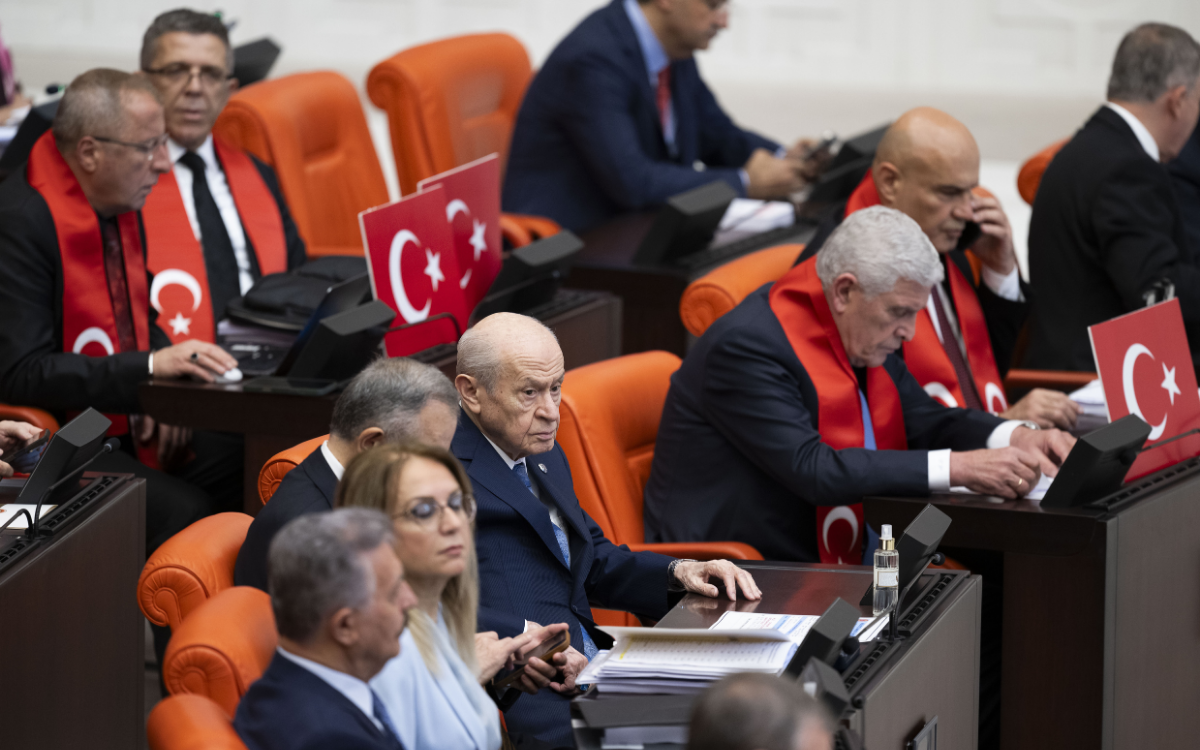
“A Turkey without terrorism means peace and tranquility. It means democracy and freedom. It means brotherhood,” Yıldız said, adding that political parties with differing worldviews had “come together on common ground and achieved a first in Turkey.”
Arguing that Turkey’s geopolitical position gives security risks both regional and global dimensions, Yıldız said the process aimed to reduce regional instability through a sense of fraternity and a shared awareness of history.
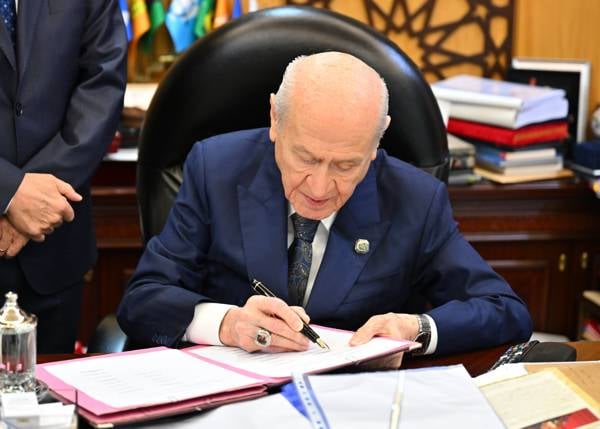
Bahçeli calls for release of Öcalan, Demirtaş as ‘Kurdish peace law’ heads to parliament
New Party: ‘We don’t trust the government’
New Party leader Özgür Özel criticized the bill for focusing solely on the PKK and containing no provisions concerning Kurds and democratic rights, but said the party leadership would support it.
Özel said they had objections to both the substance of the bill and the way it was drafted. He said they did not trust the government but would not allow their political anger to stand in the way of the country’s future.
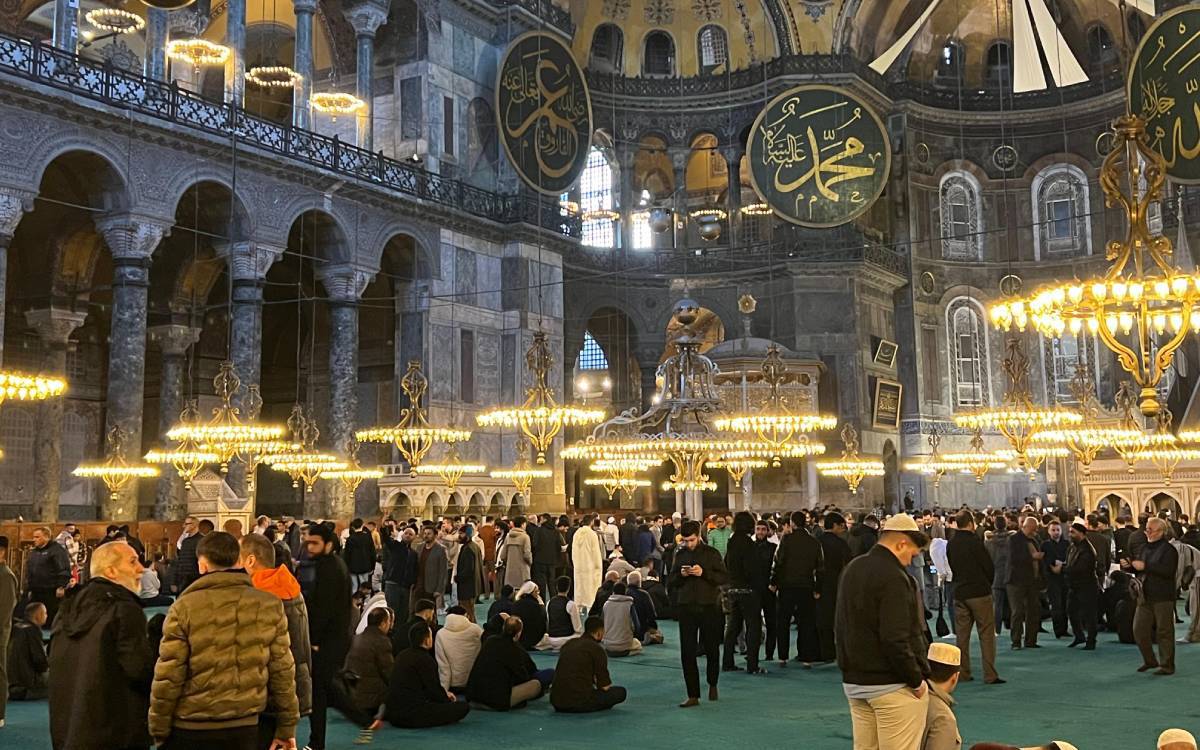
Turkey emphasizes fraternity in Friday sermons as Kurdish peace process gains momentum
“We have more reason than anyone to vote against this bill, but we will not stand in the way of peace,” Özel said, announcing that he and the party executives would vote in favor of the proposal.
Özel said their deputies would make their decisions after taking into account the views of voters in the constituencies they represent.
DEM Party: There are shortcomings
DEM Party Co-Chair Tuncer Bakırhan said parliament needed to take responsibility for the process.
“We have an opportunity before us to break out of the cycle of conflict and violence,” Bakırhan said, adding that their aim was to prevent further suffering.
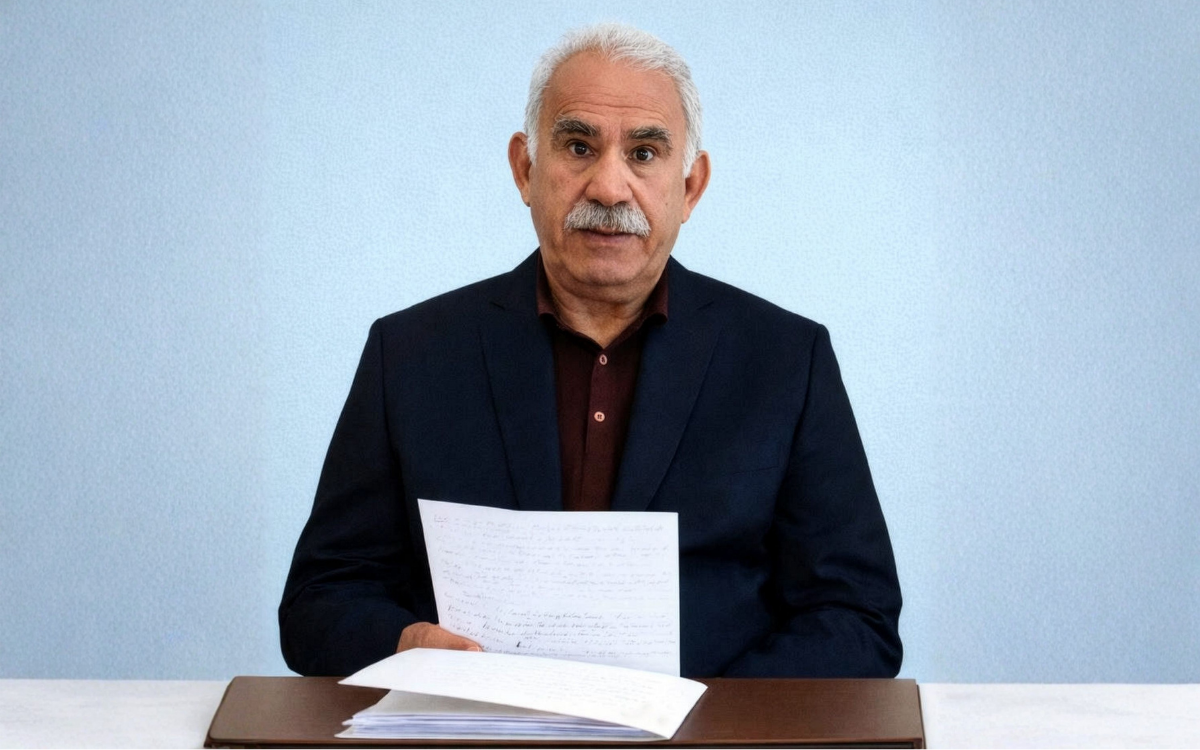
PKK leader Öcalan issues new message on anniversary of disarmament call
Bakırhan said the process would contribute to Turkey’s integration and coexistence, adding that there were shortcomings and criticisms regarding the bill but that this was only the first stage. “What is being laid today is a foundation.”
Message from imprisoned Kurdish politicians
Kurdish leader Selahattin Demirtaş, who has been imprisoned since 2016, and Selçuk Mızraklı, who was jailed while serving as mayor of Diyarbakır, sent a message from prison:
“God willing, together you will take another critical step in an extremely important, historic peace effort that has the potential to fundamentally change the fate of our country and our region.
“Of course, there will be debates, criticisms and proposals. Each of them is valuable and contributes to the process. But we want it to be known that we have taken part in this process wholeheartedly, sincerely and seriously, solely to strengthen and expand the peace, prosperity and brotherhood of 86 million people, and we have supported the process with all our strength.
PKK announces withdrawal from Turkey, marking ‘next phase’ in peace process
“This is not a process of division or separation, nor is it a process of give-and-take based on cheap bargaining.
“Every step that has been and will be taken will also pave the way for new horizons, new reforms and a new life. Of course, all these efforts must continue with strong and deep-rooted reforms in democracy, justice, equality and freedom, and must help our people attain the peaceful life they deserve. For this reason, it is extremely important for everyone and every segment of society to approach these issues with great care, sensitivity and seriousness.
“As a result of 40 years of conflict, there is hardly anyone left whose heart has not been wounded. We must therefore move this process forward with dignity, maturity and virtue, without creating images or displays of victory or causing feelings or fears of defeat. We must share our pain, leave it behind and walk hand in hand toward the future.
“Dear members of parliament, we hope that every vote you cast will serve to strengthen our peace, unity and brotherhood, and that your criticisms and warnings will be expressed constructively.”
Background
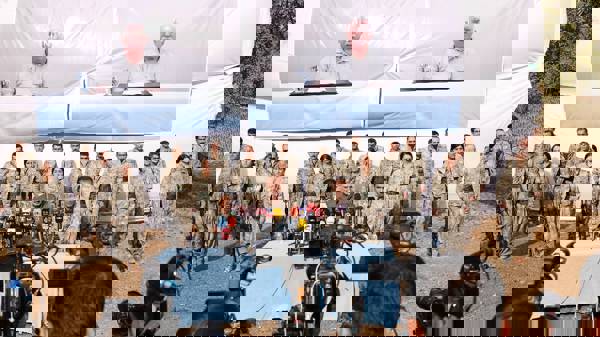
The peace process began in Oct 2024, when MHP leader Devlet Bahçeli proposed granting imprisoned PKK leader Abdullah Öcalan the “right to hope” in return for dissolving the group.
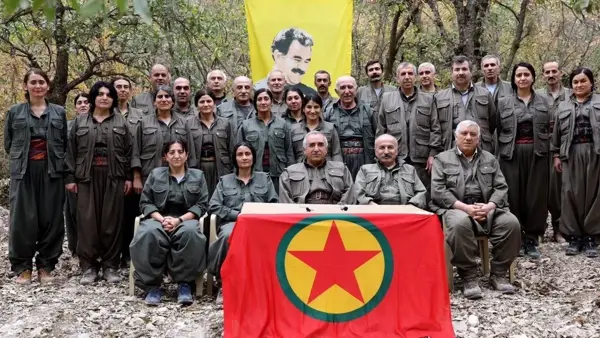
Öcalan called on the PKK to disarm in Feb 2025. The organization held a congress in May and decided to dissolve itself.
A parliamentary commission established in the second half of 2025 later worked on the process’s legal framework.
PKK declares disbandment, ending four-decade armed insurgency against Turkey
(VK)