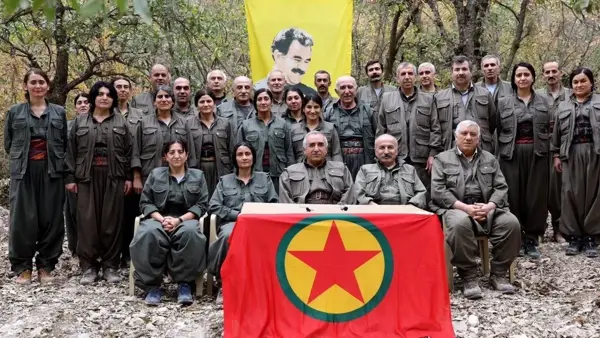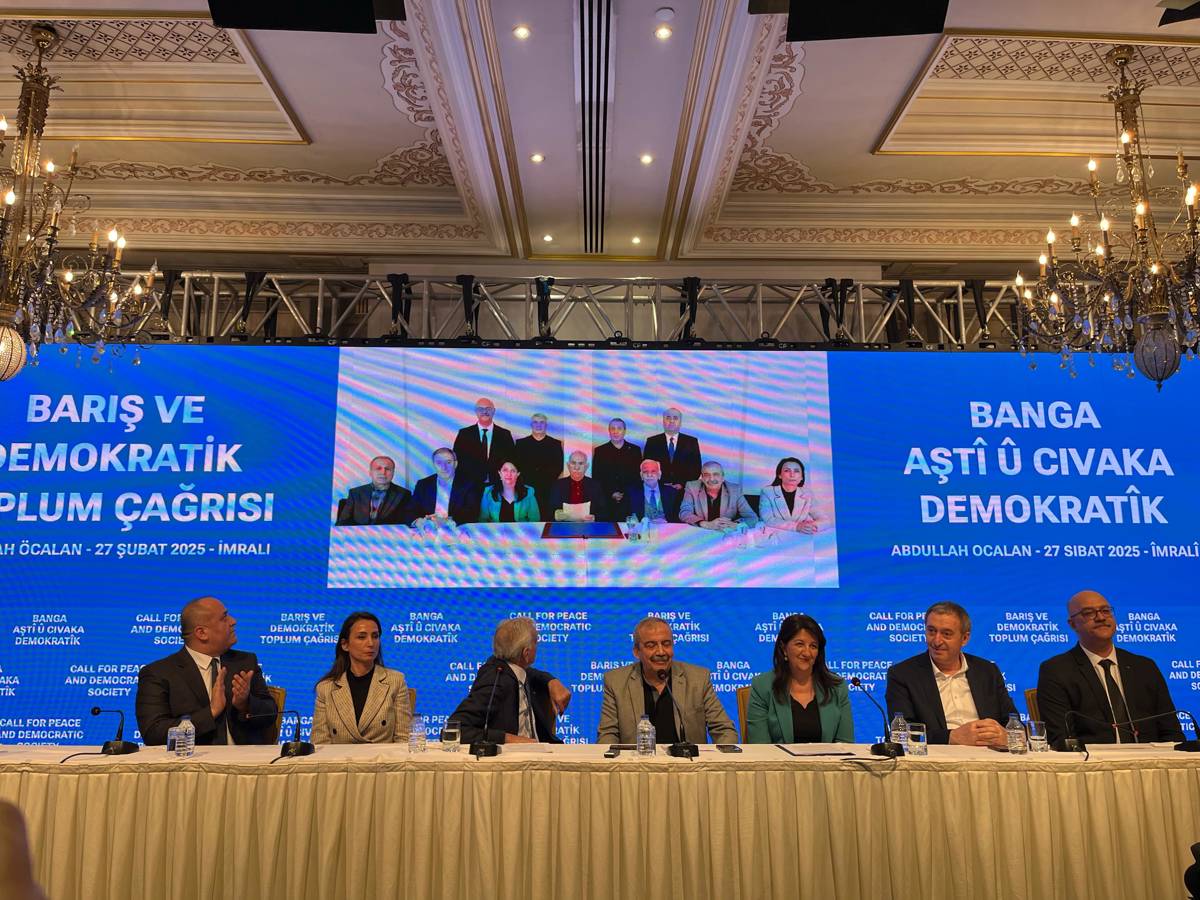






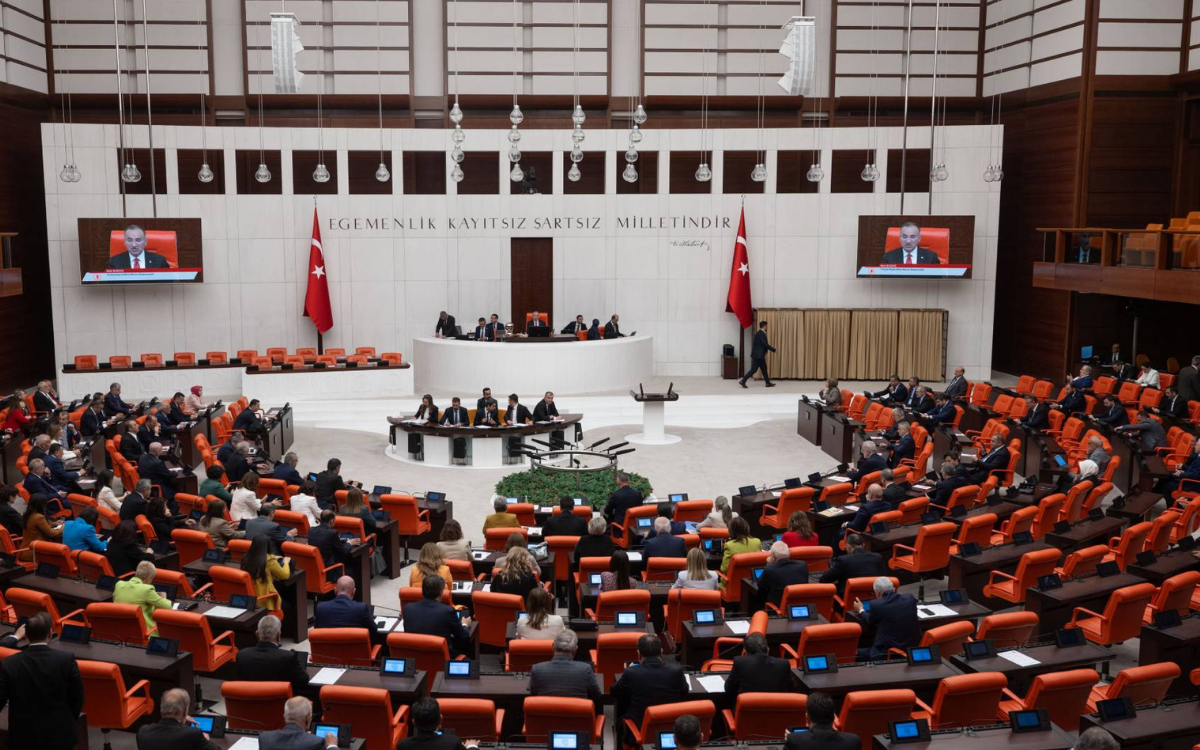



A draft law establishing the legal framework for the Kurdish peace process was submitted to parliament today, setting out provisions for the reintegration of Kurdistan Workers' Party (PKK) members and the deferral of certain prosecutions and prison sentences for up to 10 years.
The implementation of these provisions will be subject to the official verification of the group's dissolution by the National Security Council.
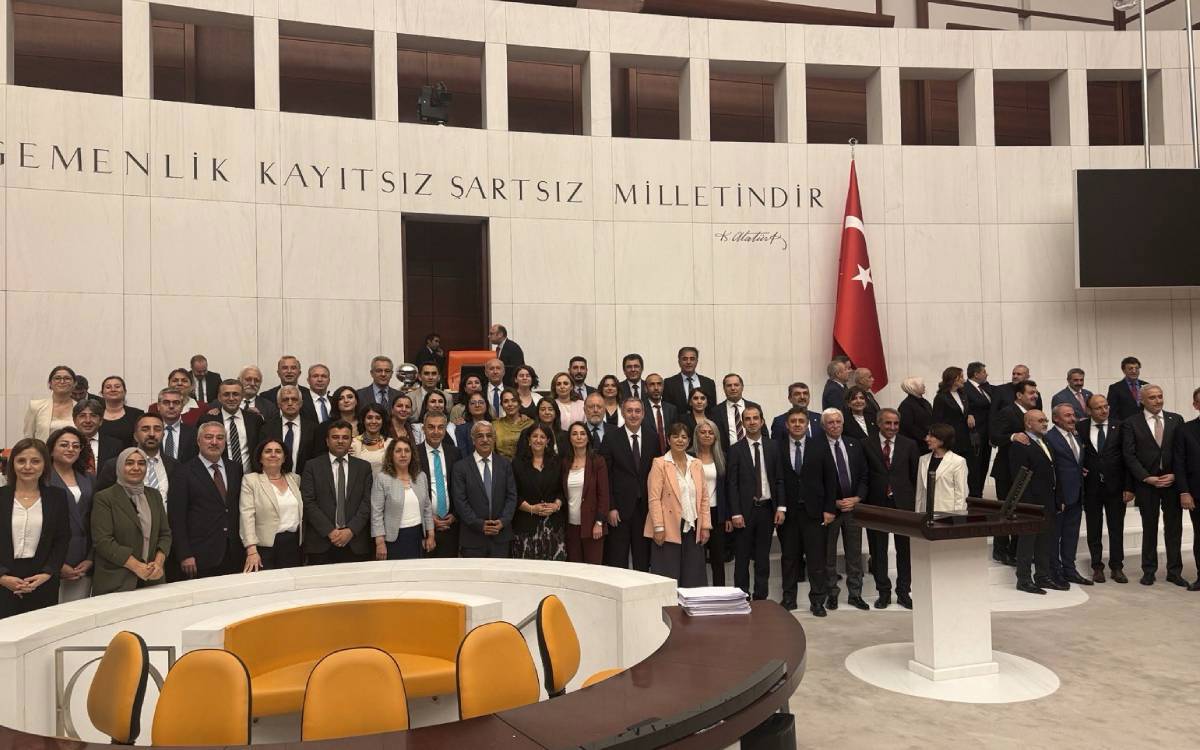
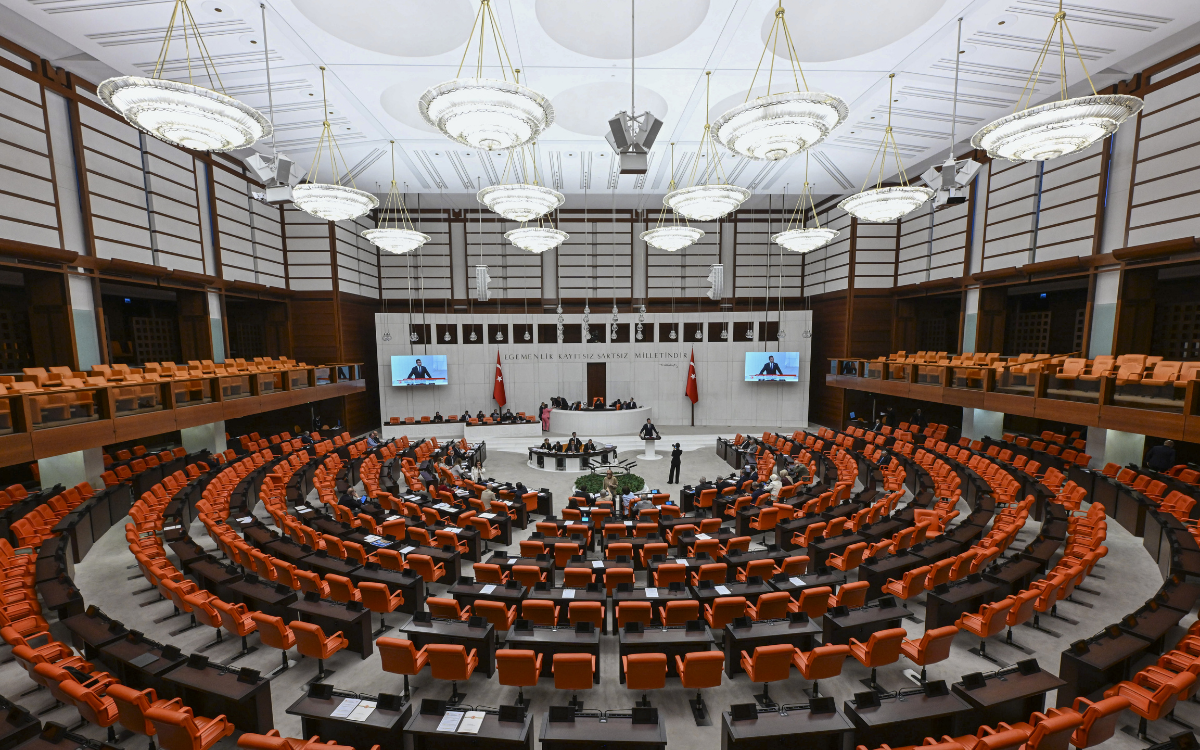
The framework bill, officialle named the “Law on Strengthening National Solidarity and Social Integration,” was submitted to parliament with the signatures of 360 lawmakers from six political parties, indicating a broad coalition in support of the initiative.
The proposal was signed by deputies from the ruling Justice and Development Party (AKP), their key allies Nationalist Movement Party (MHP), the pro-Kurdish Peoples' Equality and Democracy (DEM) Party, the Republican People's Party (CHP), the New Path Party and Free Cause Party (HÜDA PAR).
MPs from the New (Yeni) Party, a splinter group from the CHP that now holds the main opposition status, have did not sign the bill and the party has yet to announce its stance on the bill. The nationalist opposition Good (İYİ) Party, opposes the peace process and refused to give signatures.
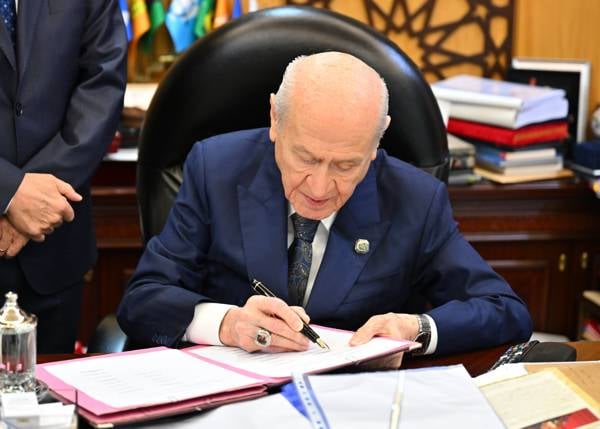
Bahçeli calls for release of Öcalan, Demirtaş as ‘Kurdish peace law’ heads to parliament
Scope of the law
The bill covers allegations of founding, leading or joining the PKK/, knowingly assisting the group, disseminating its propaganda and committing offenses as part of its activities. It also covers terrorism-financing offenses committed for the organization’s benefit.
Intentional killings committed as part of the group’s activities would be excluded.
The bill would also exclude offenses committed before Jun 1, 2005, that carry life imprisonment or aggravated life imprisonment.
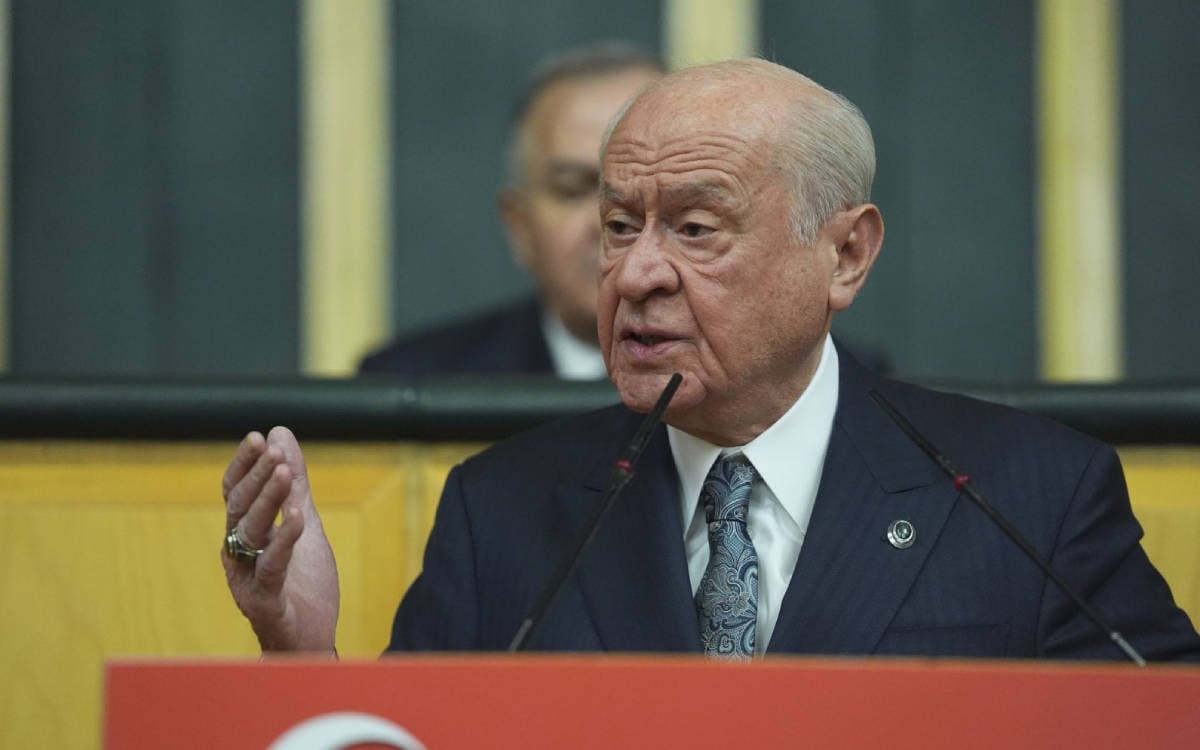
Bahçeli proposes formal status for Öcalan to guide PKK dissolution
Investigations and trials involving offenses punishable by up to 15 years in prison would be deferred for five years. Proceedings involving heavier sentences, including life imprisonment, would be deferred for 10 years.
Courts could lift detention and judicial supervision measures in deferred cases when the legal conditions are met. I
If the deferral period passes without a new offense, prosecutors would close investigations and courts would dismiss pending cases.
Prison sentences totaling up to 15 years would also be deferred for five years. Longer sentences, including life and aggravated life imprisonment, would be deferred for 10 years. A sentence would be considered served if the person committed no offense during that period.
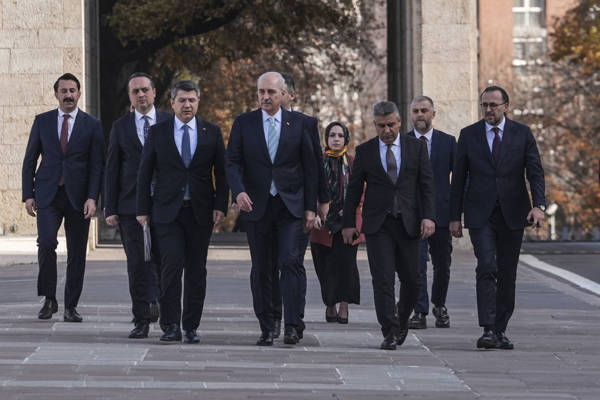
Parliament committee votes to meet imprisoned PKK leader in major step for peace process
Oversight
A board chaired by the vice president would oversee implementation. Its members would include the justice, foreign, interior, defense ministers and senior presidential, intelligence and national security officials.
Parliament would also establish a 17-member monitoring commission.
Applicants would have six months to submit written requests after the National Security Council’s decision is published in the Official Gazette.
PKK further withdraws forces from frontlines in Kurdistan region
Background
The peace process began in Oct 2024, when Nationalist Movement Party (MHP) leader Devlet Bahçeli proposed granting imprisoned PKK leader Abdullah Öcalan the “right to hope” in return for dissolving the group.
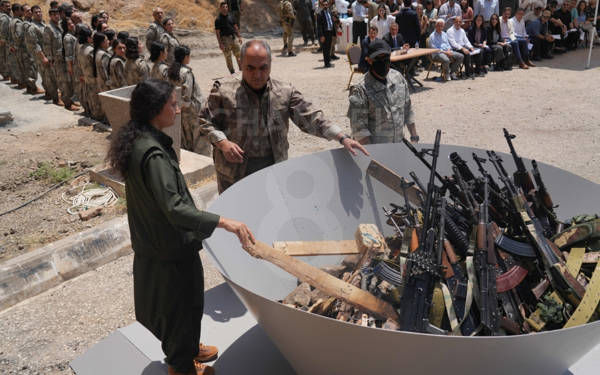
Öcalan called on the PKK to disarm in Feb 2025. The organization held a congress in May and decided to dissolve itself.
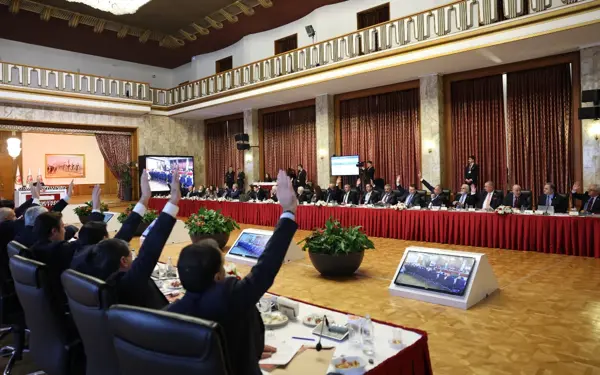
A parliamentary commission established in the second half of 2025 later worked on the process’s legal framework.
Bahçeli today also called for the release of Öcalan and former pro-Kurdish Peoples’ Democratic Party (HDP) leader Selahattin Demirtaş. (FY/VK)