









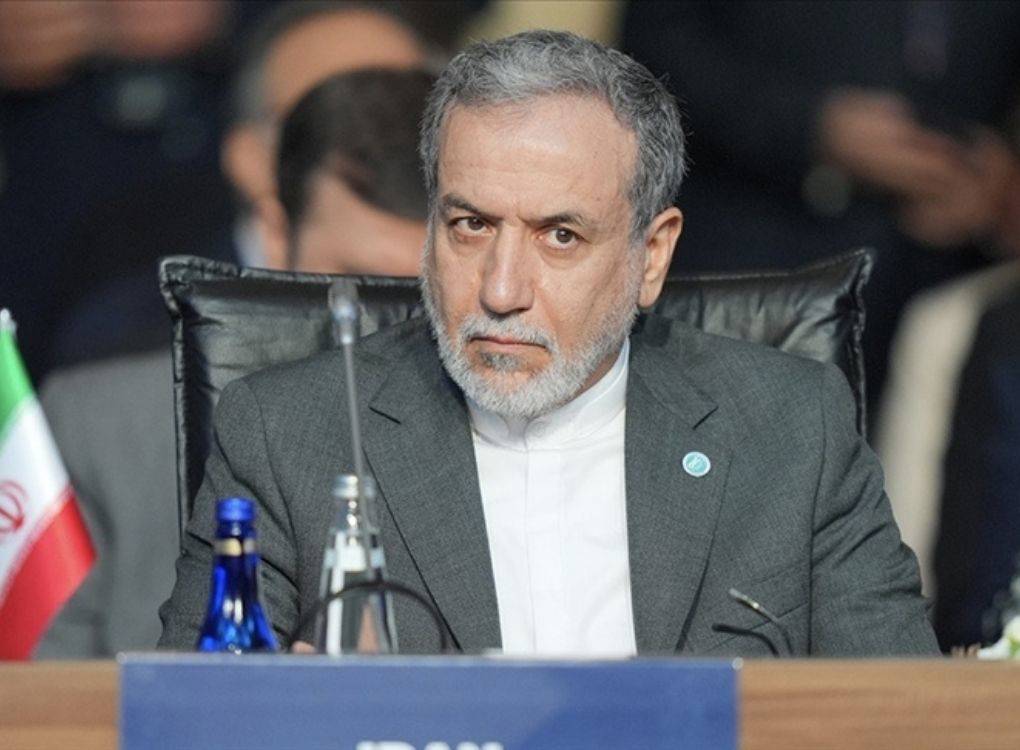



Iranian Foreign Minister Abbas Araghchi said Turkey helped prevent Iranian Kurdish armed groups based in Iraq's Kurdistan region from joining the US-Israeli war against Iran.
In a video interview with the Iranian outlet Majaraa Media, Araghchi discussed the 40-day war, which began on Feb 28, and its regional implications.
The minister claimed in the inteview that US President Donald Trump contacted leaders of Iranian Kurdish armed groups on the fourth day of the war and supported a ground incursion into the country.
After learning of the alleged plan, Araghchi said he contacted officials in the Iraqi Kurdistan Region, the Iraqi prime minister and Turkish Foreign Minister Hakan Fidan to convey Tehran’s concerns.
“Turkey played a very effective role in this process,” he said. “They held talks with the Americans and took a very firm position on the issue. These collective efforts ensured the failure of the plot to divide Iran and stir internal unrest.”
Trump also made remarks on Turkey's role during the process, claiming during the Jul 7-8 NATO summit in Ankara that it it weren't for him, Turkey would enter the war on Iran's side. Ankara did not respond to this claim.
Araghchi also accused Reza Pahlavi, the son of Iran’s last shah, of supporting the country’s partition.
“That little bird,” he said, referring to Pahlavi, “had reached an agreement during his visit to Israel on dividing Iran. He said, ‘You can have the border regions, and I will be shah in the center.’ They had made all their plans to divide Iran, topple the government and create internal unrest, but they failed.”
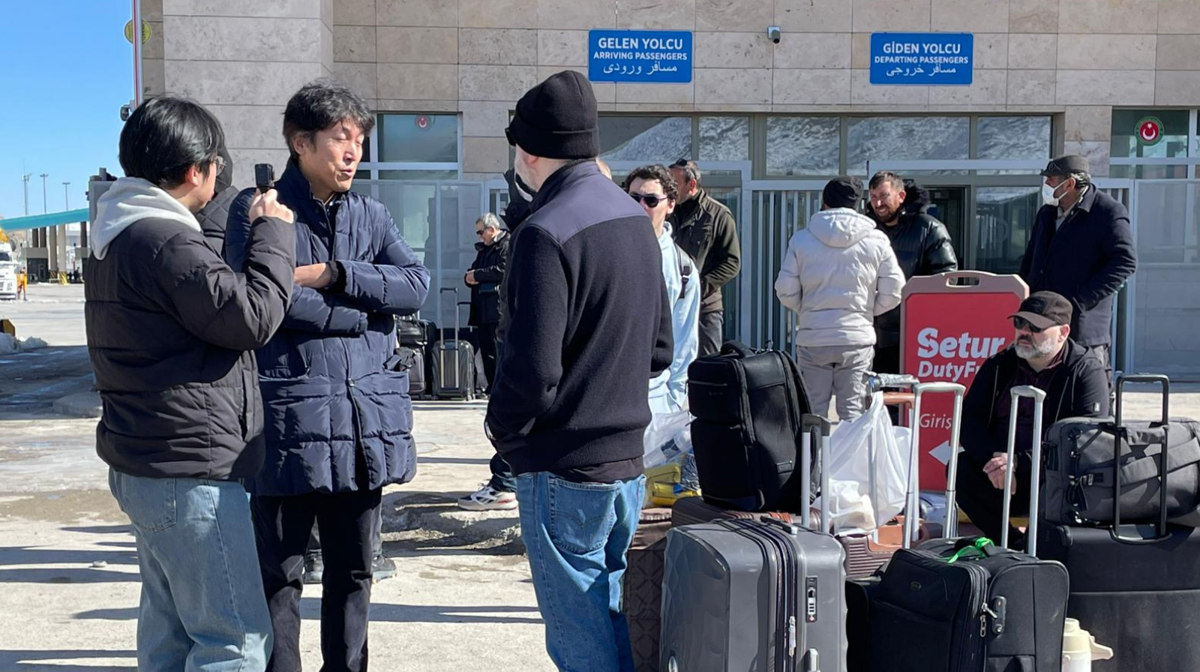
War across the border leaves Van facing anxiety and economic loss
Earlier reports on Turkey's intervention
During the early days of the war, the pro-government Türkiye newspaper also reported that Washington had abandoned a plan to involve Kurdish groups following pressure from Ankara.
Similar reports later appeared in the US media. A New York Times analysis published in late March said an Israeli plan to use Iranian Kurdish militias to trigger unrest in northwestern Iran had been blocked by Turkey.
According to the report, Mossad planned to mobilize groups based in Iraqi Kurdistan. Israeli aircraft were expected to strike Iranian military and police positions to clear the way for their advance.
The plan, reportedly presented by Mossad chief David Barnea as a way to trigger an uprising and bring about government change within days, initially received support in Washington.
Separately, Israli news outlet i24 reported, citing senior Israeli sources, that US Vice President J.D. Vance had leaked the plan to Ankara.
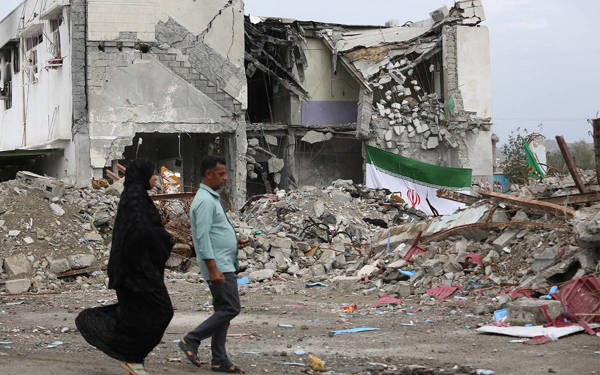
How are the US and Israel using artificial intelligence in attacks on Iran?
Former Israeli military intelligence chief Tamir Haiman claimed in early June that Erdoğan warned Trump that Turkey would act against the Kurdish groups if they entered Iran. Haiman said the US abandoned the plan after those discussions.
Israeli opposition figure Yair Lapid also criticized Prime Minister Benjamin Netanyahu for pursuing the plan without considering Ankara’s "predictable" response or Erdoğan’s influence in Washington. Lapid said Erdoğan had “taught Netanyahu a big lesson.”
After a memorandum of understanding was signed between the US and Iran in early June, Erdoğan said Turkey had resisted attempts to deepen the conflict.
“We did not fall for provocations or abandon fairness,” Erdoğan said. “We did not allow the principles of neighborly and brotherly relations to be damaged. We acted in cooperation with our allies and our brothers in the Gulf. We were not among those who poured fuel on the war, but among those who raised the voice of peace.”
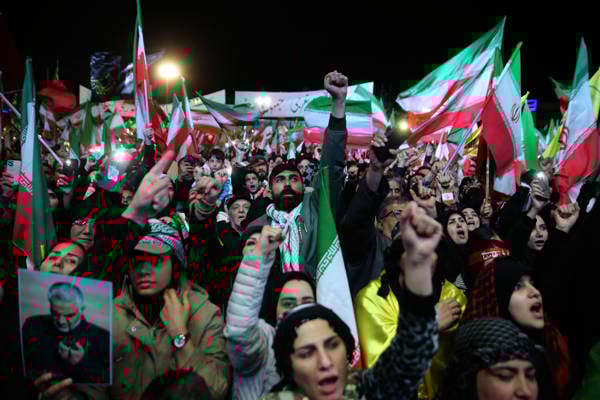
‘Turkey wants neither Israel nor Iran to dominate Middle East’
Erdoğan said Turkey, Qatar and Saudi Arabia had strongly supported mediation efforts led by Pakistan. He added that the importance of Turkey’s actions would become clearer over time.
Erdoğan also said communication channels established during the conflict had prevented wider crises that could have harmed the region’s ethnic communities. He said it would eventually become clearer how “Turks, Kurds, Arabs and Persians thwarted a bloody and insidious game.”

Iran denies firing missiles at Turkey after third interception in 10 days
What Kurds said
The possible involvement of Iranian Kurdish groups had been widely discussed in Israeli media during the early stages of the war. After the ceasefire, Trump accused the groups multiple times of keeping US-supplied weapons rather than using them in the conflict. Kurdish groups repeatedly denied the allegation.
Six Kurdish parties operating in Iran’s Kurdistan province and other Kurdish-majority cities formed the Alliance of Political Forces of Iranian Kurdistan on Feb 22, six days before the US intervention. The timing fueled expectations that Kurdish groups would participate in a ground incursion, but no such operation took place.
In the early days of the war, Shanaz Ibrahim Ahmed, Iraq's first lady and a senior figure in the Patriotic Union of Kurdistan (PUK), rejected the war, saying that Kurds are not anyone's soldiers for hire.
Duran Kalkan, a senior figure in the Kurdistan Workers’ Party (PKK), one of the largest Kurdish armed groups, made similar remarks in March, saying, “Kurds are nobody’s soldiers.”
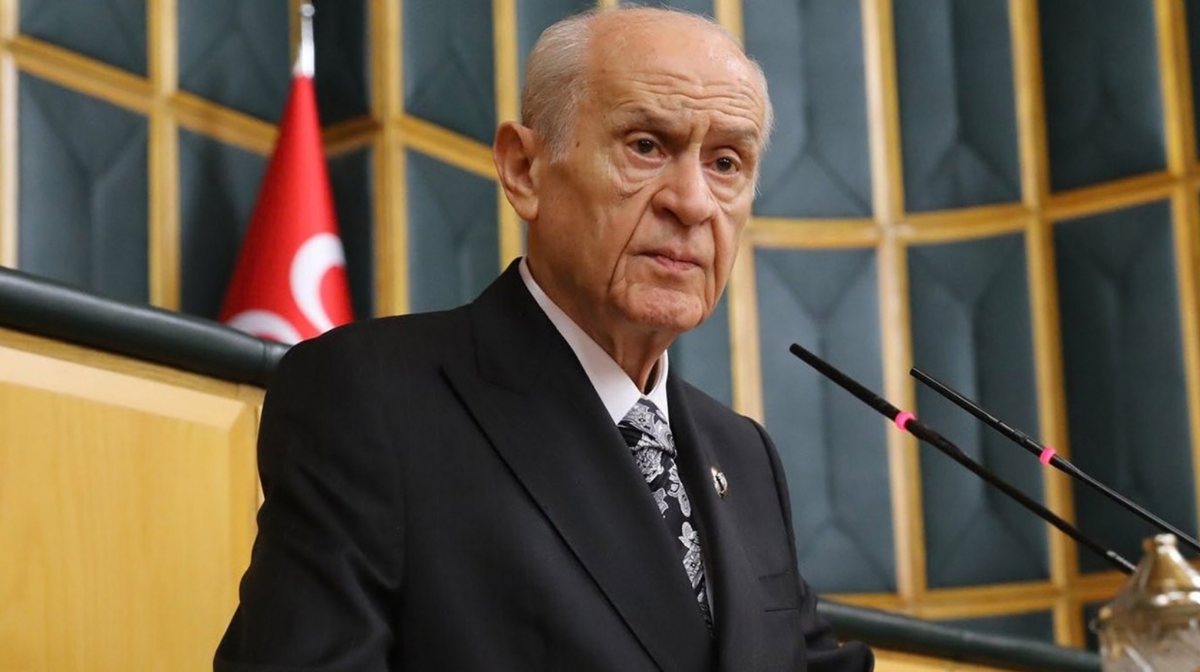
Bahçeli: Kurds will not be ‘soldiers for hire’ for US or Israel
Mustafa Mauludi, deputy secretary-general of the Democratic Party of Iranian Kurdistan (PDK-I), a member of the alliance, also rejected the claims in an interview with bianet earlier this month.
“Whether it was the 12-day war or the 40-day war, the Kurds of Rojhilat were in no way part of this war,” Mauludi said. “This war, which began with airstrikes and is still continuing, is not a war that protects Kurdish rights. There was no reason for the Kurds to enter the war.”
“The US objective in this war is to change the Iranian government or force it to accept US demands,” he added. “The Kurdish objective is the fall of the Islamic Republic of Iran and the establishment of a democratic, federal Iran in its place. We followed the right policy and stayed out of the war.”
Nevertheless, throughout the conflict, Iran repeatedly targeted Kurdish groups based in the Iraqi Kurdistan Region with missile and drone strikes. Most recently, nine Peshmerga fighters were killed in an Iranian strike on the Komala group's camp on Jul 17, during the renewed conflict with the US. (VK)

