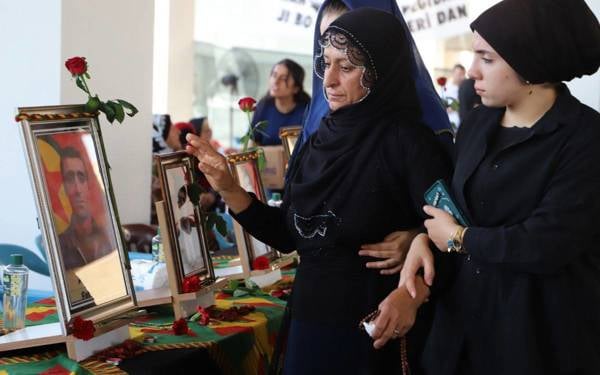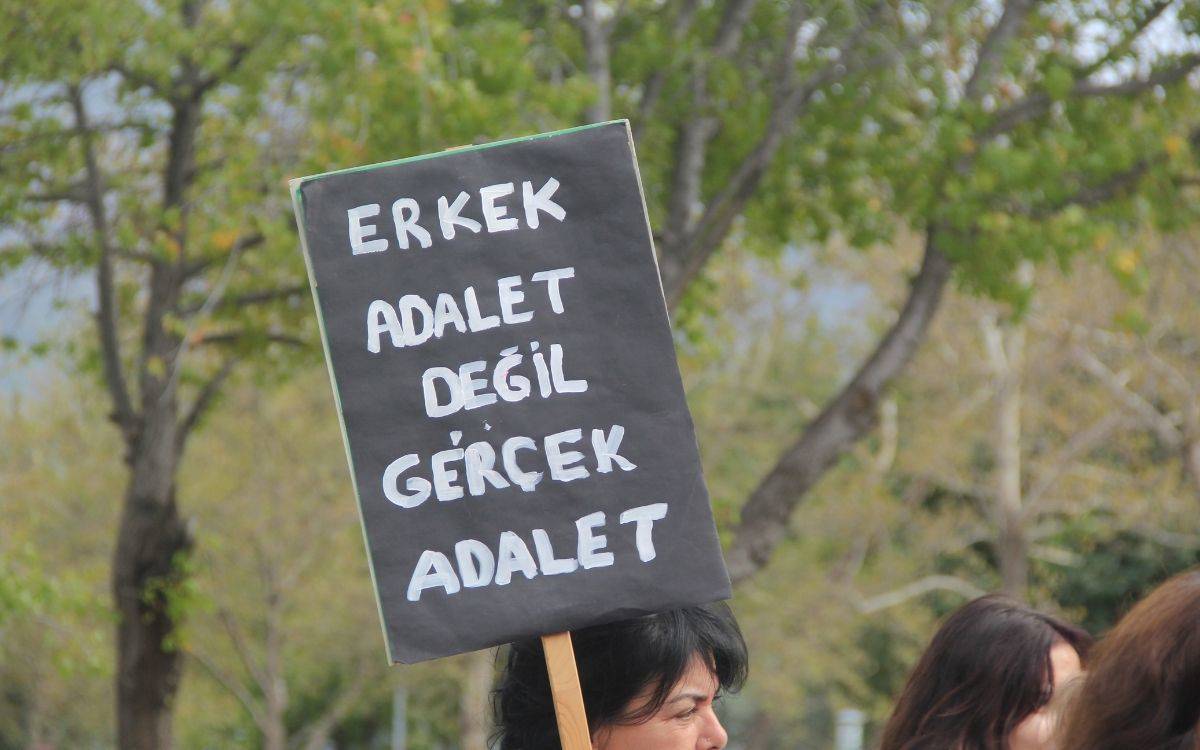

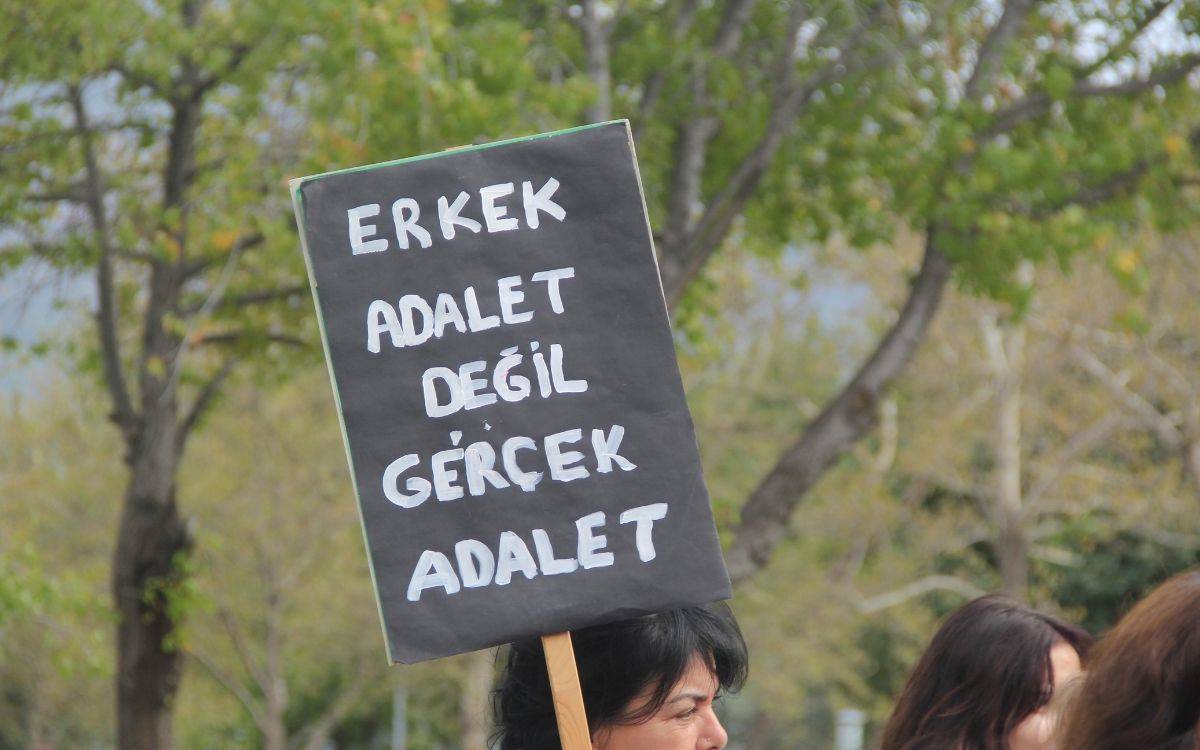



In Zonguldak, a man has the graves of two women killed by another man built directly across from his house. The graves of Tülay Ündeş and her mother, Zaide Alkaç. He had the trees in front of his window cut down so the graves would be visible. He looks at those graves every day. Perhaps he thinks the same thing every day: How were two women killed foreseeably? Did the male perpetrator receive the punishment he deserved?
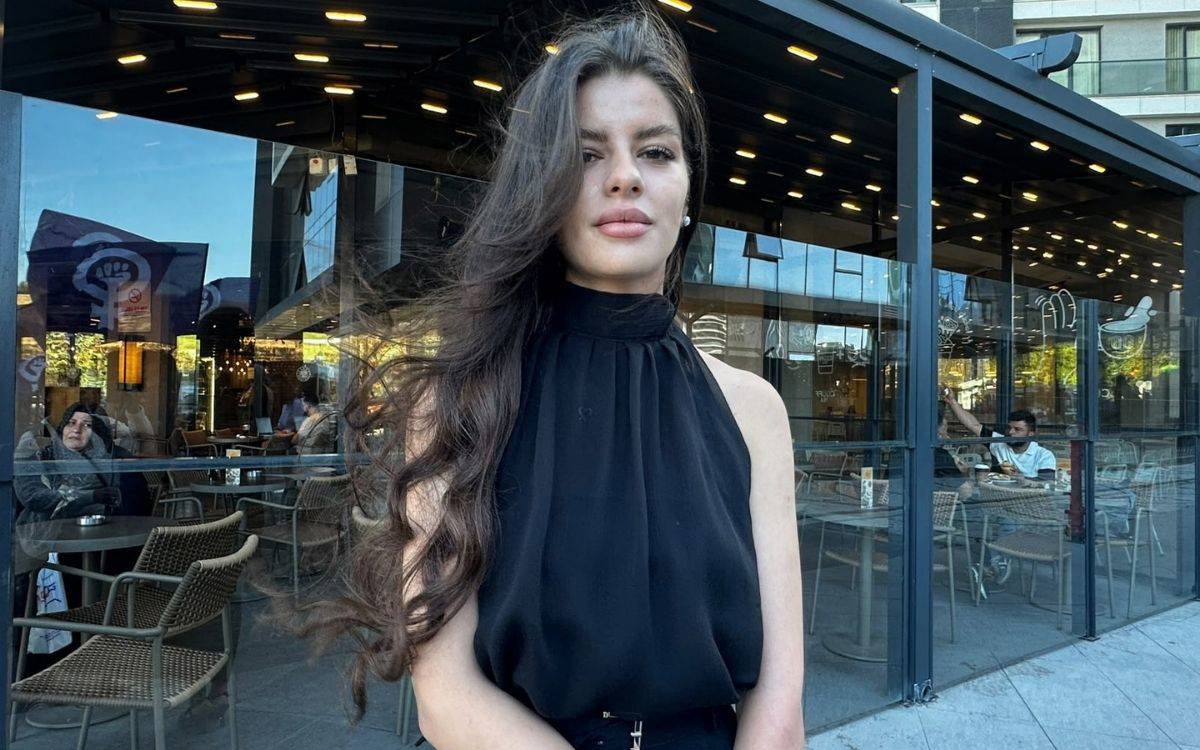
Dec 24, 2025. Şirinköy in the Kilimli district of Zonguldak. Tülay Ündeş, 45, and her mother, Zaide Alkaç, 64, are returning from visiting a patient. In the middle of the street, Yusuf Ü., the man Ündeş was in the process of divorcing, kills them both with a firearm. The fleeing perpetrator is caught and placed in prison.
The case concludes in a short period of three months on May 14. The Zonguldak 2nd Heavy Penal Court sentences the male perpetrator to two counts of aggravated life imprisonment. Moreover, no reductions are applied.
When looking at femicide cases in Turkey, considering the men who are often rewarded with reductions based on grounds such as "good behavior," wearing a "suit," or "remorse," this decision may seem important at first glance. It is indeed important, but it is not enough. Because the lack of a reduction does not change the fact that the murder was committed in a planned manner.
The accounts of the family and Hande Göndoğdu, one of the lawyers from the Association for Children and Women First who followed the case, show numerous details suggesting a planned murder rather than "sudden anger."
For instance, the weapon.
Just before the murder, the perpetrator purchases a weapon via Facebook. When asked in court why he bought the weapon, he says, "I was afraid the woman's family would kill me." However, there is no death threat, threat of violence, or any behavior indicating this from the family in the case file. On the contrary, there are messages the perpetrator sent to his wife, Tülay Ündeş, whom he killed: "Your father does not have the heart; if he did, he would face me."
On one hand, he says he was afraid, and on the other, he challenges them.
If that is not enough, he says during the hearing, "I had an interest in hunting." Yet, witnesses and his children explain that he had no such interest. He gives contradictory statements regarding the serial number of the weapon. He says, "It was already erased when I bought it."
According to the court, all of this is not enough for premeditated murder.
Then what is the answer to this question?
If the weapon he carried was the result of an "interest in hunting," why was it right at hand the moment he saw the woman he claimed to love on the street? According to camera records, the weapon is not taken out of the trunk. He gets out of the vehicle with the weapon. And he kills two women within 19 seconds.
Nineteen seconds.
The defense of the perpetrator is of a familiar kind: "They provoked me," "I got angry," "I had a temporary breakdown." This is the common language of men who kill women in Turkey. Women die, men narrate "a moment of anger." Women enter the ground, men say "I loved her."
The sentence "I loved my Cano very much" that he spoke during the hearing is just such a thing. One of the most familiar sentences of male violence established under the name of love.
What lawyer Hande Göndoğdu said is very striking: "Even while I was explaining this in court, 27 seconds passed. How can an argument take place and a breakdown occur in 19 seconds?"
Because there is no footage of an argument. There is no "moment of anger." There is preparation. There is a weapon. There is tracking. There is a history of threats.
Oh, and there is a protection order.
Tülay Ündeş, like many murdered women, was a woman who had applied to the state for protection. A protection order had been issued for her. She is killed approximately four months after the expiration of that order.
Women usually tell the state "protect me" before they are killed anyway. But protection orders in Turkey often do not protect women; they merely delay the responsibility of the state for a limited period.
For this reason, the family filed a criminal complaint against public officials who were negligent, particularly the gendarmerie. The result? A decision of "no grounds for prosecution."
This might be one of the fastest-working mechanisms in femicide files in Turkey: the mechanism protecting public officials.
A woman requests protection. She dies. Then everyone looks at each other. No one takes responsibility.
Lawyer Gündoğdu wants the phone records of both the women and the male perpetrator to be examined. "Perhaps one reason they finished the case in such a short time was that the pain of those left behind bled deeper at every hearing. The night before the first hearing, the perpetrator submitted a petition saying 'they are going to kill me.' There is no such situation. In the second hearing, the court said 'there is intelligence,' gendarmes arrived. He has a 14-year-old son, his pain is much greater. The father involves him in his defense as well. He says 'they were filling my son against me, if I hadn't killed her, my son would be a father-killer,' but his son had already stayed with him for months, there was no such situation," she says.
Furthermore, lawyer Gündoğdu draws attention to this contradiction:
"The perpetrator said 'I loved my mother-in-law very much.' He always spoke of his wife whom he killed as 'Cano.' He said 'She is my Cano, I loved her very much.' However, there is the testimony of their upstairs neighbors that Tülay's back was always covered in bruises; he would torture her besides battering and beating her," she says.
To the question of "despite all these processes, why did the court not see it as premeditated murder," lawyer Gündoğdu responds, "Perhaps it is because it would have been proven that public officials did not do their duty."
In this case, the court has not yet announced its reasoned decision. Two women were killed in 19 seconds: Why did the court not say "premeditated"? We do not know.
We ask: How many more signs must a man give before killing a woman for a murder to be accepted as foreseeable in this country?
May a violence-free, free, and new week come.