
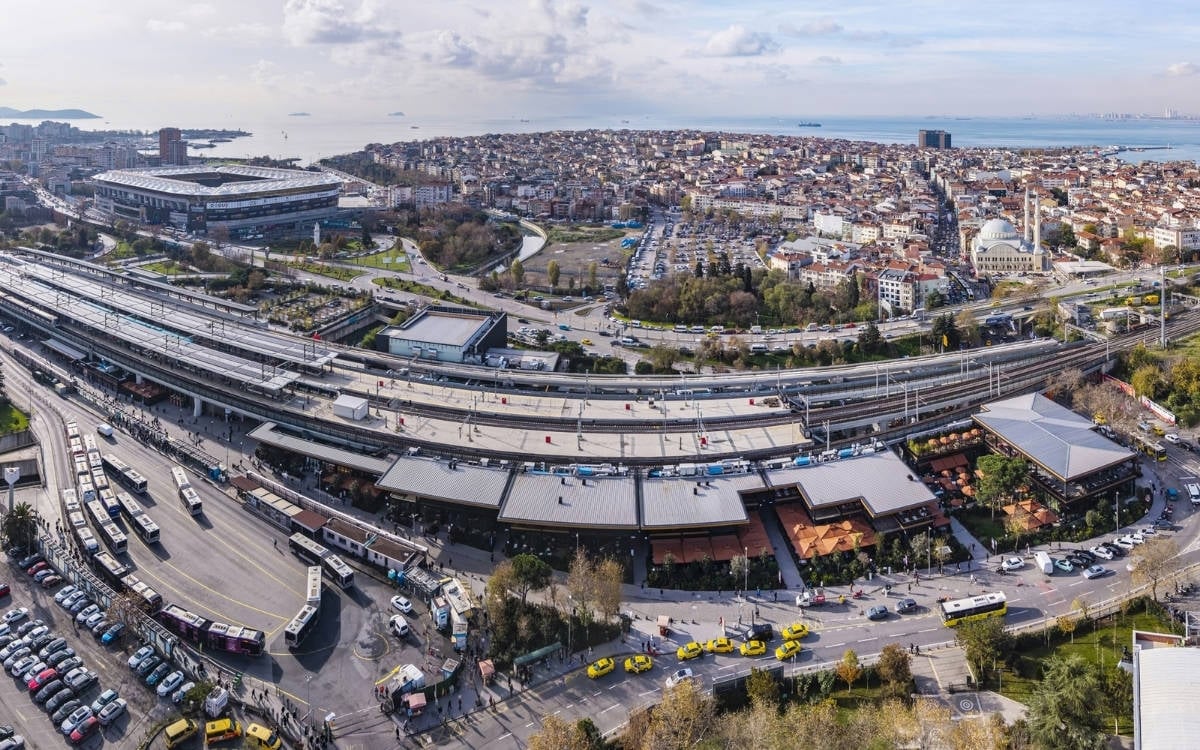



A section of the viaduct construction planned for the Söğütlüçeşme Railway Station in the Kadıköy district of İstanbul, which remained unfinished for years, was transformed into a consumption center featuring dozens of shops across an area of 45,000 square meters.
Opened a year ago despite objections from urban rights defenders, ecology organizations, and Kadıköy residents, Terminal Kadıköy became a subject of controversy due to the cutting of hundreds of trees, the displacement of dogs living in the area, increased traffic density, and the transformation of public spaces into profit areas.
Today, it has become nearly impossible to walk in Söğütlüçeşme, an important public transport hub on the Asian side housing metrobus, commuter rail, and intercity train stations, especially due to extreme weekend crowding. Also, safety issues arise as vehicle traffic and pedestrians are forced to move together within the same narrow and congested space.
During peak hours when crowds intensify, people attempt to cross the area by bumping into each other, squeezed together and moving slowly.
This route, where normal circulation is already impossible on match days due to the Chobani Stadium located about 500 meters away where Fenerbahçe plays its matches, both complicates daily life and seriously risks the public use of the space.
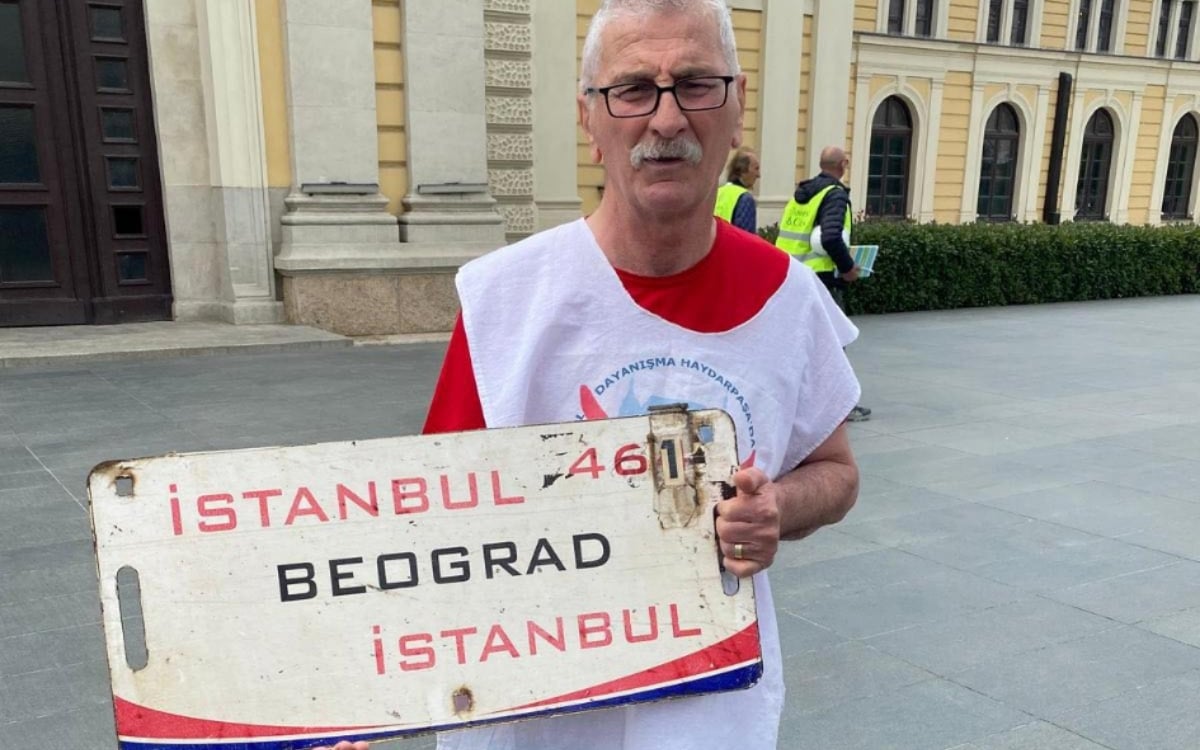
Tugay Kartal, a retired chief dispatcher from the State Railways (TCDD) and a member of the Haydarpaşa Solidarity platform, said, "We stated from the beginning that this area was turned into a slump area to generate consent for the project. Indeed, our objections have been proven right."
Will historical bath be moved?
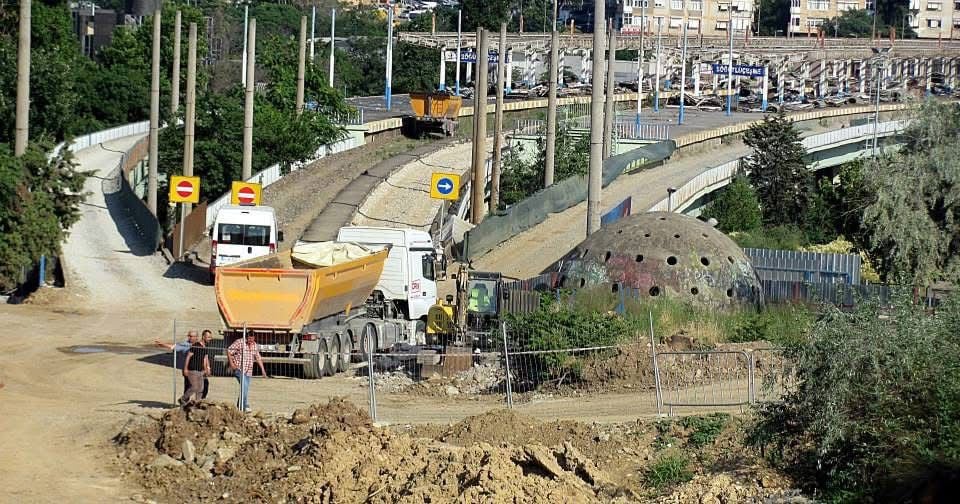
Kartal stated there are significant signs that the viaduct planned for the area, which has still not opened, will be used for commercial purposes rather than railway functions.
He noted they received reports that the historical Söğütlüçeşme Bath will be moved as part of the project:
"We predicted that what was being built here was not for railway transport or passenger services; on the contrary, it serves as a commercial activity aimed at contributing to capital accumulation.
"At the point reached today, we see the area has been turned into a consumption space through various events and celebrations. If the purpose of the viaduct was truly to serve the railway, it should have been opened for use by now. However, while nearly 1.5 to 2 years have passed since the opening of commercial areas and food and beverage venues, the viaduct is still not completed and is not in use. According to the information we received, there are serious signs that the viaduct will be used for commercial purposes rather than its railway function.
"As is known, the viaduct initially had a single-sided entrance. There was an entry from the Ankara direction, while the other side was closed due to the historical Söğütlüçeşme Bath. According to our information, it is planned to move this historical structure to connect the viaduct to the main line and provide two-way entry and exit. Thus, a ring line is intended between Haydarpaşa Station [railroad terminal] and Söğütlüçeşme to carry customers to Haydarpaşa via the Marmaray [commuter rail] connection.
"In other words, they want to establish a system that facilitates access to a consumption center decorated with archaeological elements."
Earthquake risk
Kartal said that the density here will increase further with new projects and that balanced solutions should have been produced instead of such accumulation in Kadıköy:
"We previously said this project was an urban crime and a gentrification center. Today, people may go to this area to eat, drink, attend concerts, and shop. This interest or situation does not eliminate the density and negativity created by the project.
"The effects of the electrical infrastructure used on the [train lines] on human health have not been sufficiently measured. Additionally, the lighting and illumination create a serious disturbance, especially during night hours.
"Despite the risk of an İstanbul earthquake, the density in the region increases every day. New transport projects and the project to renovate the Kadıköy Municipality building seem likely to increase this burden further. In an already dense area like Kadıköy, solutions should have been produced to distribute human and traffic circulation more balanceably instead of such a large accumulation."
About the project
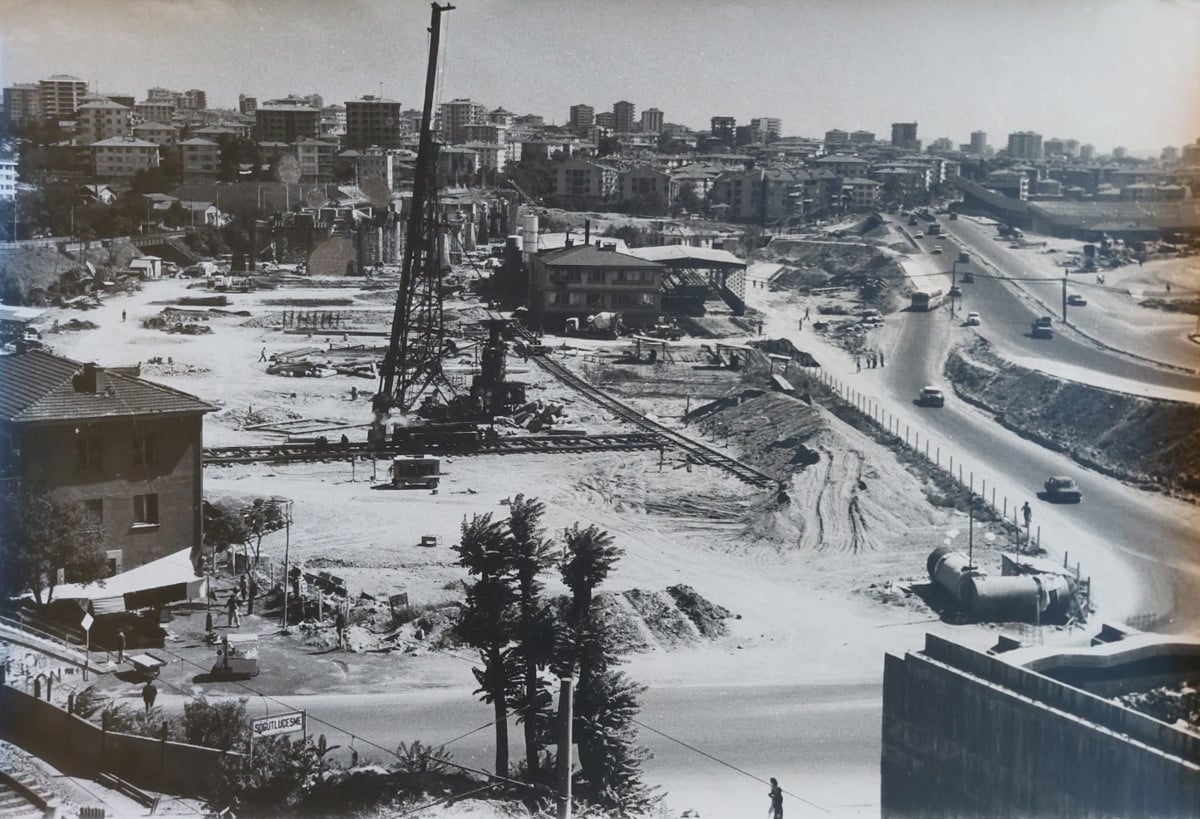
In 2022, the viaduct area around Söğütlüçeşme Railway Station, belonging to the TCDD and partially to the İstanbul Metropolitan Municipality (İBB), was opened for construction to build a shopping center.
Under the project announced as the Station-Mall, a series of commercial areas were planned using the build-operate-transfer model. In return, it was stated that an additional viaduct for rail transport would be built.
With the start of the project, hundreds of trees were cut down, and the ecological fabric of Kadıköy was damaged. As a result of the long struggle by Haydarpaşa Solidarity and some urban defense groups, some changes were made to the project; it was announced that the construction rate was reduced and some trees were protected. However, in Apr 2025, the area was transformed into a consumption center featuring venues and brands opened under the names Terminal Kadıköy and YEDİ DE YEDİ Terminal.
Designed by Tabanlıoğlu Architects, Terminal Kadıköy consists of shops with 16,000 square meters of leasable area on a 45,000 square meter site.
The total cost of the project, built with the build-operate-transfer model, is 70 million euros. The main operator, Akfen Tourism, will operate the facility for 29 years.
Criticisms directed at the project argue that urban rights, public interest, and ecological balance are ignored for the benefit of private capital.
(TY/VK)