










Attention has turned to implementation after parliament approved a framework law on the Kurdish peace process by a wide majority, raising questions over the legal and political steps that will guide the disarmament and conflict-free process.
The limited presence of women deputies at the podium during a parliamentary debate centered on peace and an end to conflict has raised another question: How much of a role will women have in decision-making and oversight mechanisms?
Parliament on Aug 10 approved the Bill on Strengthening National Solidarity and Social Integration with 467 votes in favor, 87 against and seven abstentions. Thirty-one lawmakers did not participate in the vote.
It excludes the "intentional killings" committed as part of PKK activities, as well as offenses carrying an aggravated life sentence which were committed before Jun 1, 2005. This means the group's leader, Abdullah Öcalan, as well as many others, are not within the scope of the law.
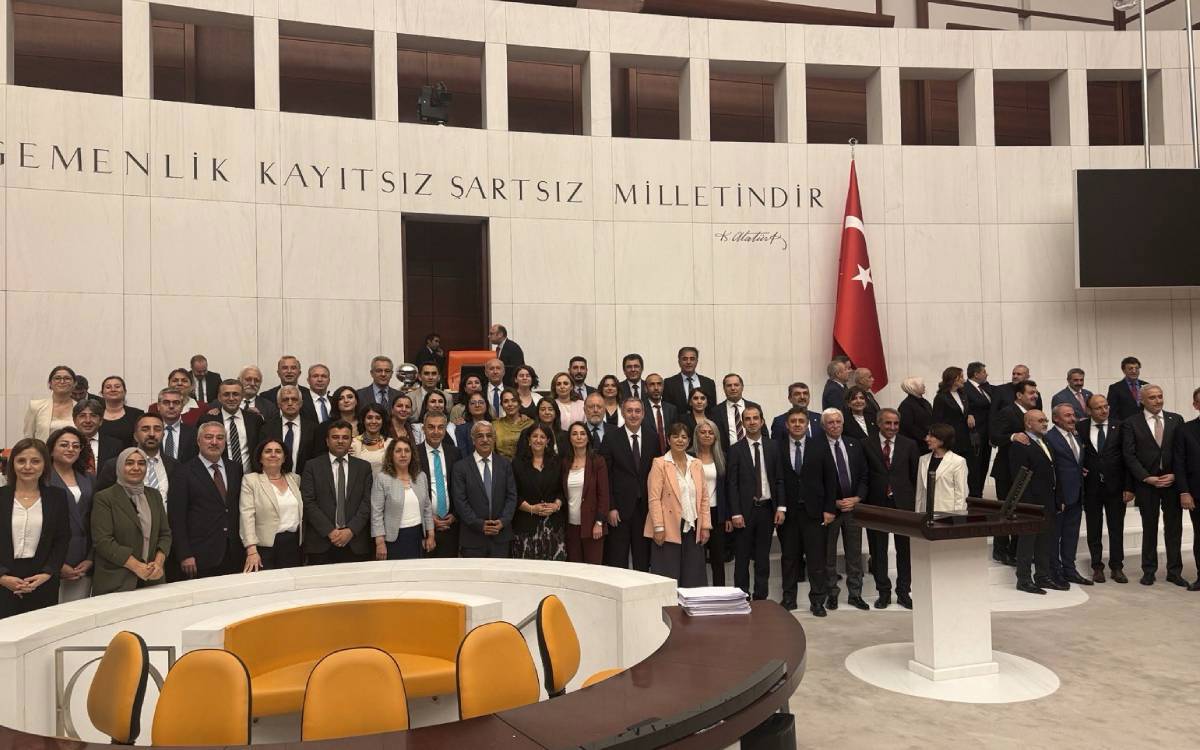
Parliament passes bill suspending sentences for PKK members
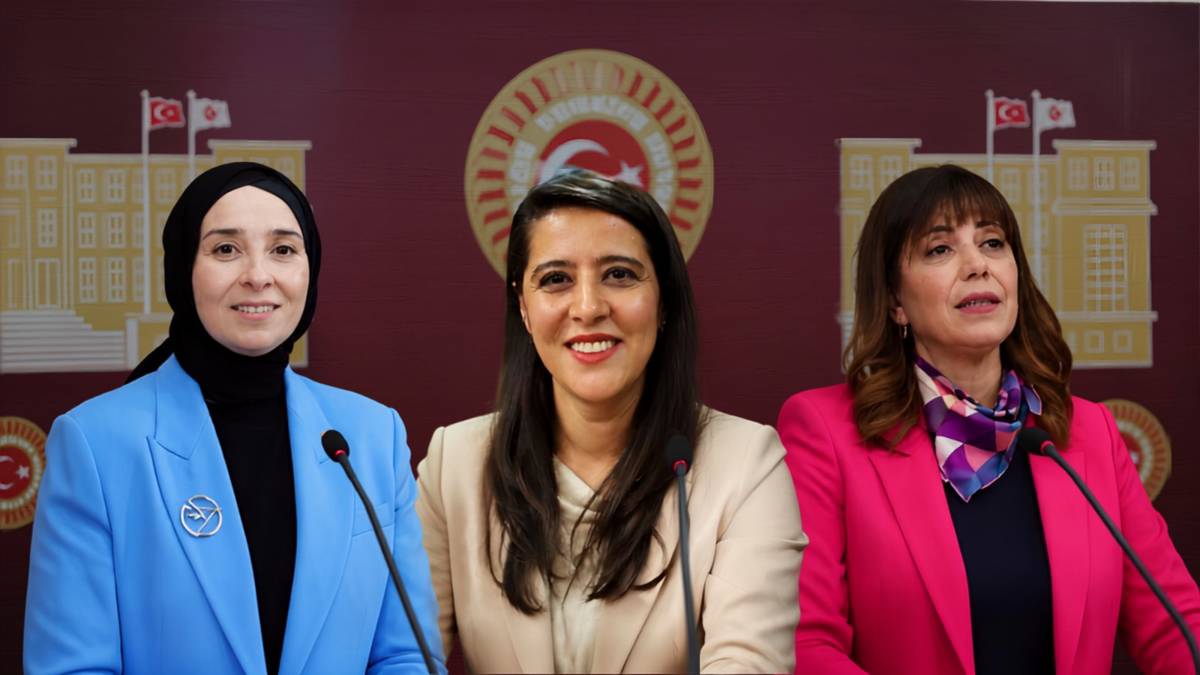
bianet spoke with women politicians who voted in the General Assembly but did not address parliament that day, asking what roadmap should follow the law, what safeguards should govern its implementation and what role women should play in the process.
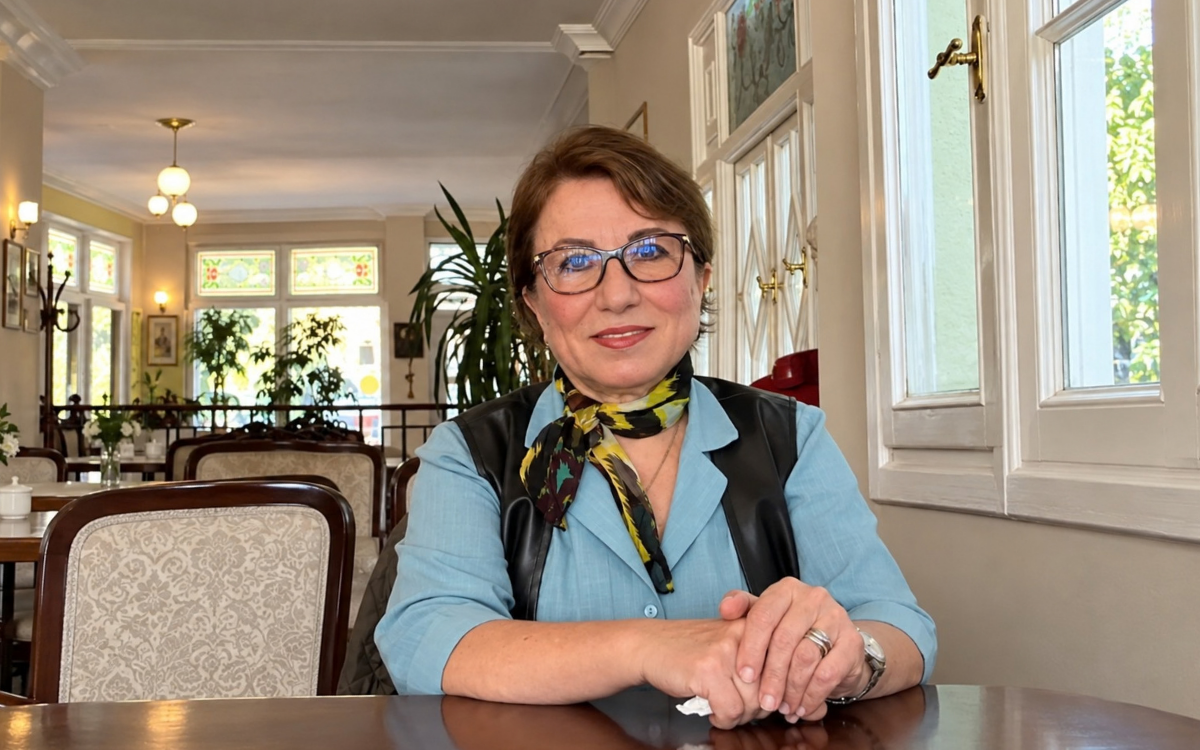
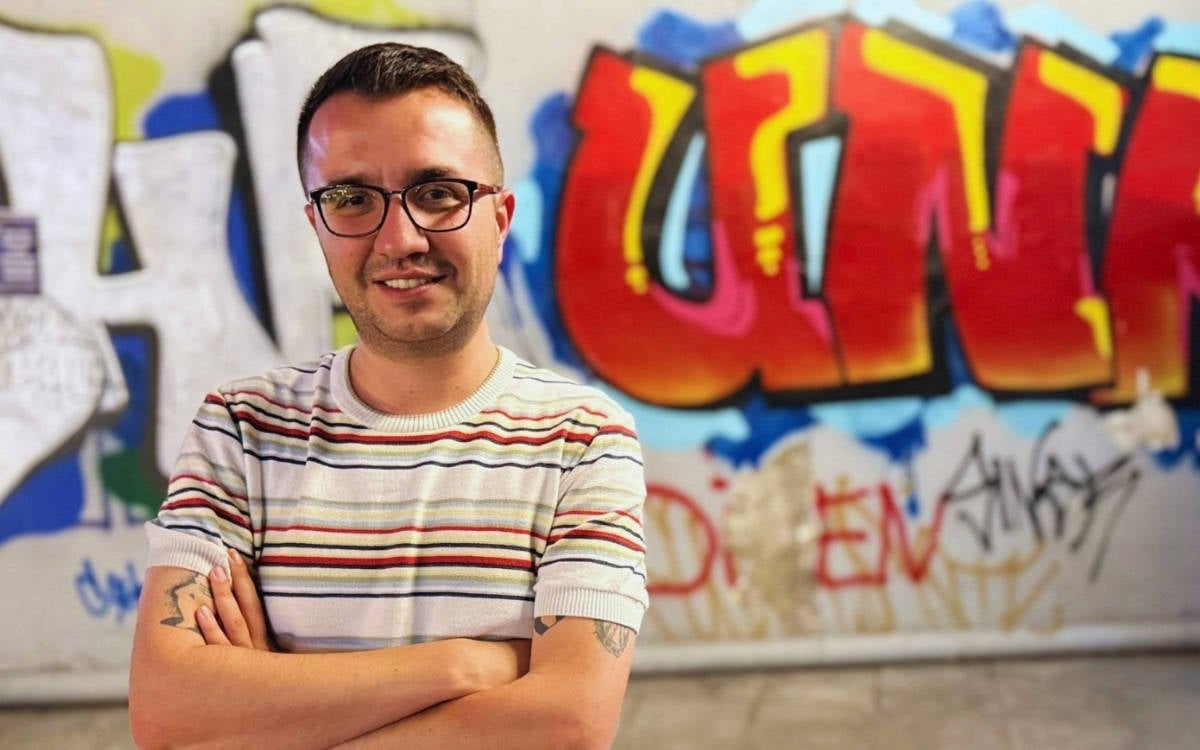
Elif Esen, deputy chair of the Democracy and Progress (DEVA) Party, Sevda Karaca, deputy chair of the Labour Party (EMEP), and Meral Danış-Beştaş from the pro-Kurdish Peoples' Equality and Democracy (DEM) Party, shared a common message: Passage of the law is not the end of the process. The real test will come during implementation, and decision-making mechanisms without women will remain incomplete.
'Transparency and equal representation'
DEVA lawmaker Elif Esen said the law's passage marked the beginning of a new phase. She said disarmament should now proceed through a credible, independent and verifiable process:
"The adoption of the law is by no means an end, quite the opposite, it is the beginning of a new phase. Disarmament and the end of the organization's de facto existence must be carried out, monitored and verified in a credible, independent and auditable manner; every decision within the scope of the law must transparently be based on clear criteria, individual assessment and judicial review. Peace is strengthened by law, fraternity by equal citizenship, and national unity by trust."
Esen said women should not be confined to a symbolic role as the "conscience" or "softening voice" of the process:
"Women politicians cannot be assigned only a symbolic role as the conscience or softening voice of the process. Women must be part of the process as equal decision-makers in decision-making, implementation and oversight mechanisms. Because women's representation is not merely a gender issue, it is a force that brings the current problems and needs of women, who make up half of society, into mechanisms for solutions. Without women's perspective, experience and decision-making power, the peace table remains incomplete."
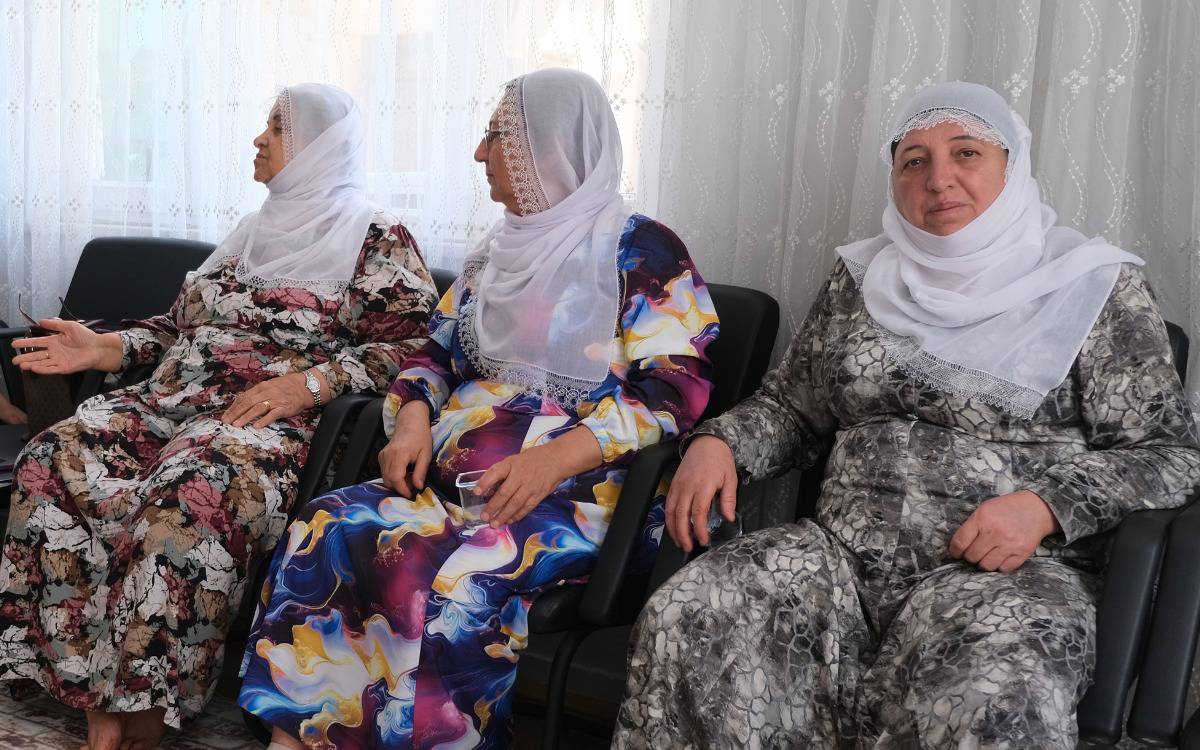
'All mothers’ tears are the same color': Peace Mothers reflect on PKK weapon-burning ceremony
'A democratic solution goes beyond disarmament'
EMEP deputy Sevda Karaca said the political meaning attributed to the law should be distinguished from the specific area it regulates:
"The laying down of arms and the democratic resolution of the Kurdish issue are not the same political issue. The first is an important development that can open the way for the second, but it cannot replace the second."
She said parliament should not withdraw from the process after passing the law, but should establish a mechanism capable of continuously monitoring implementation:
"More consultation, greater openness and stronger common ground are needed to develop a shared position together. We must strengthen the channels through which we can jointly build a common position reflecting the democratic demands of the Kurdish people, workers' demands for peace and equality, and the forces struggling for the democratization of Turkey.
"The responsibility for this of course lies primarily with the government. But the government's lack of transparency cannot be a reason for us to reduce openness and solidarity among ourselves. On the contrary, in such a period, we should make greater efforts to inform one another, debate, criticize and strengthen the grounds for common struggle."

Study: Youth believe in peace process but do not feel included
Karaca said women's role in the process could not be reduced to their representation at negotiating tables, adding that women had experienced the consequences of conflict directly while also carrying the social memory of the struggle for peace and democracy:
"Women experienced the consequences of war and conflict in the most concrete areas of life. Displacement, poverty, loss, impunity, violence and political pressure directly affected women's lives. At the same time, despite all these conditions, women became one of the most important social forces ensuring the continuity of the struggle for peace and democracy."
'Women must be part of decision-making mechanisms'
DEM Party's Danış-Beştaş said the law's passage by a wide majority reflected the need and desire for peace among the peoples of Turkey. She added that the next stage required a clear, transparent roadmap tied to a timetable:
"An extremely important threshold has been crossed, and a definition for Kurds has now been established on a legal basis. In order to give due recognition to this tremendous effort and prevent the law from becoming an instrument of arbitrariness in the hands of those implementing it, a clear, transparent roadmap tied to a timetable is needed in the next stage."
A stop on the road to peace: The Framework Law
Beştaş said peace could not be addressed solely as a security issue. She called for stronger democratic politics, freedom of expression and association and the rule of law, as well as the removal of barriers to equal citizenship.
"It has become clear that the Kurdish issue can be resolved not through instruments of tutelage or repression, but through social consensus, negotiation and a legal framework that guarantees collective rights. We must see that entirely different tomorrows await us if this legal framework is established and implemented."
Beştaş said women should participate in every stage of the process not merely as groups affected by conflict, but as political actors who develop policy, make decisions and negotiate:
"We must see women not only through their victimization, but as actors who produce politics, make decisions and negotiate. A peace process in which women do not participate equally and effectively in decision-making mechanisms remains incomplete. Women's organizations, women politicians and different sections of society must be included at every stage of the process." (NÖ/VK)