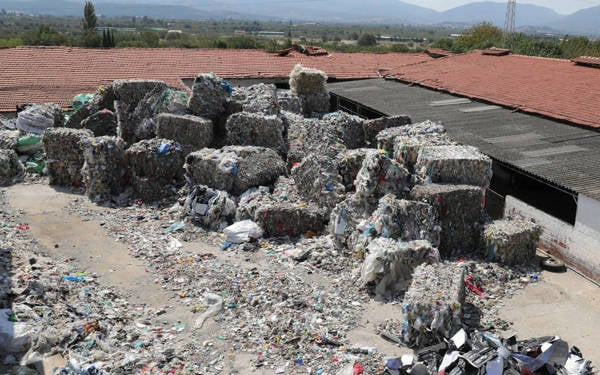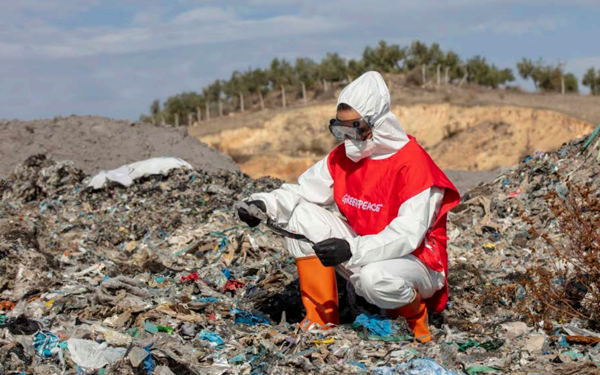









European Union plastic waste exports to Turkey increased by 19% in 2025, reaching a historic record of 503,000 tons, according to a report from Greenpeace Turkey. The country remains the top destination for European plastic waste exports by a wide margin.
The volume of plastic waste coming to Turkey from the 27 EU member states has increased 435-fold since 2004, according to the policy brief titled "The Truth Behind the Rhetoric: The Invisible Face of Turkey's Zero Waste Policy," released ahead of the Zero Waste Forum.
The report highlights a contradiction in national policy, as zero waste remains a main agenda item for Turkey during its hosting process for the 31st United Nations Climate Change Conference of the Parties (COP31). Turkey aims to highlight the theme of zero waste by adding it to the action agenda of the summit, which will be held in Antalya in November 2026.
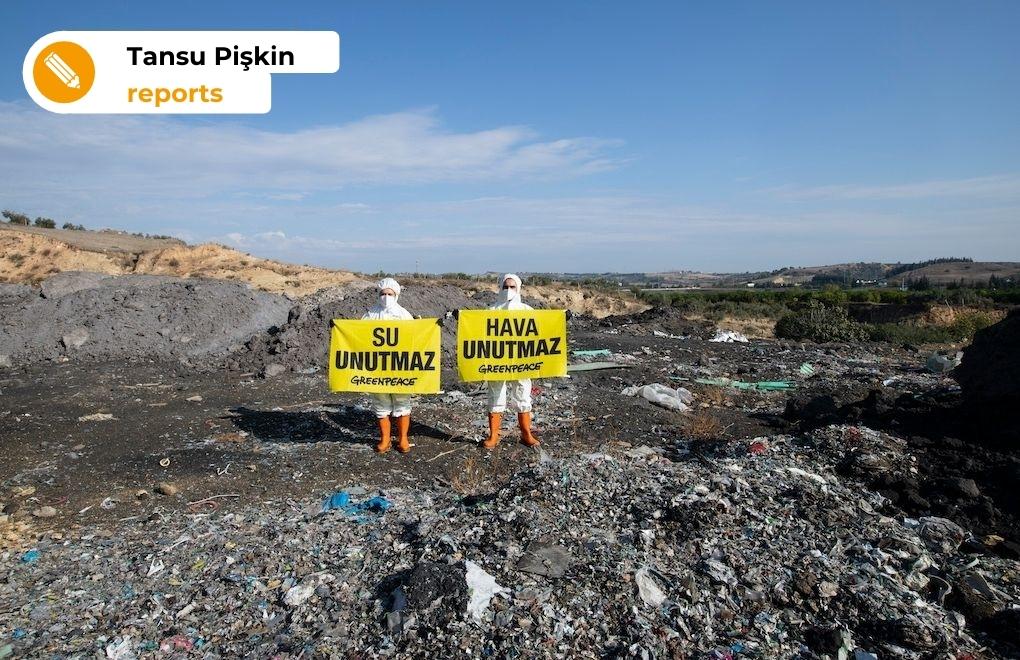
Turkey's plastic waste imports: 'Chemicals are mixed into the food chain'
Gap between rhetoric and reality
Berk Butan, the social and economic systems campaign lead for Greenpeace Turkey, said that the brief is a call for leadership rather than a rejection. He noted that hosting COP31 presents a "historic opportunity" for Turkey to move zero waste from rhetoric to actual policy transformation.
"Turkey became the largest destination for the EU's plastic garbage in 2025, the country's seas and coasts are being contaminated with microplastics, and EIA processes for new petrochemical complexes are being completed," Butan said. "This gap between the rhetoric and the reality on the ground appears before us as a policy choice, a structural framing problem. We have a significant opportunity for policy change before us.
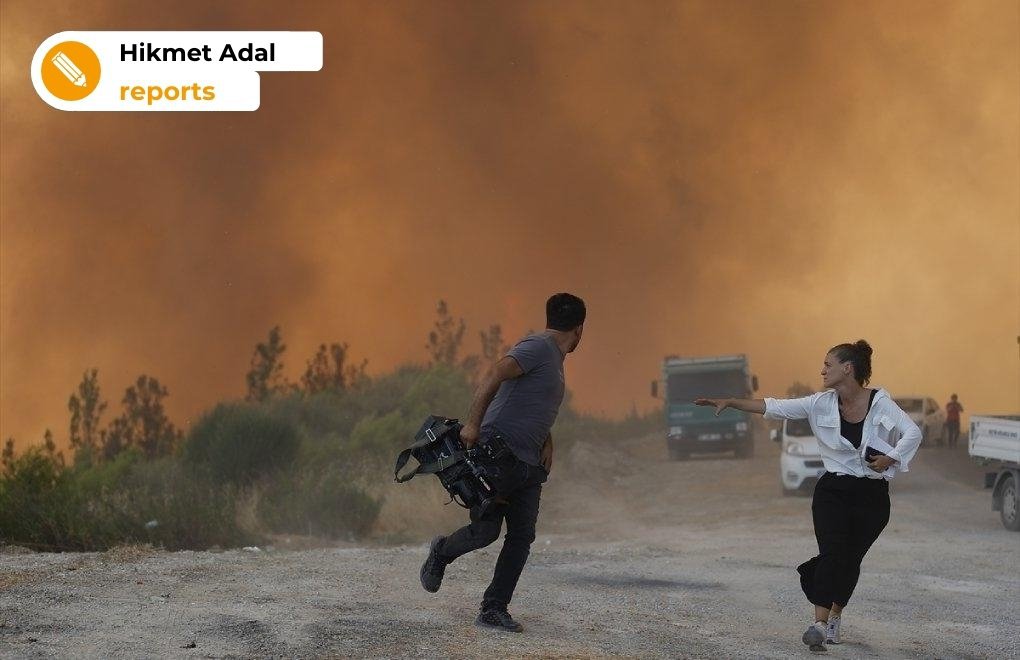
Journalists investigating Türkiye's plastic waste imports 'threatened with gun'
"Turkey, which will host COP31 in November 2026, aims to stand out by adding the zero waste theme to the action agenda of the summit. This is a historic moment where Turkey can show leadership and, by going beyond the narrative, initiate the changes that will make a real zero waste goal possible.
"Because a real zero waste goal is not possible by throwing plastic into a recycling bin or taking someone else's plastic waste, but by succeeding in not producing it at the source. The way to reach this goal begins with preventing waste imports, and in production decisions, investment choices, and the stance at the international negotiation table."
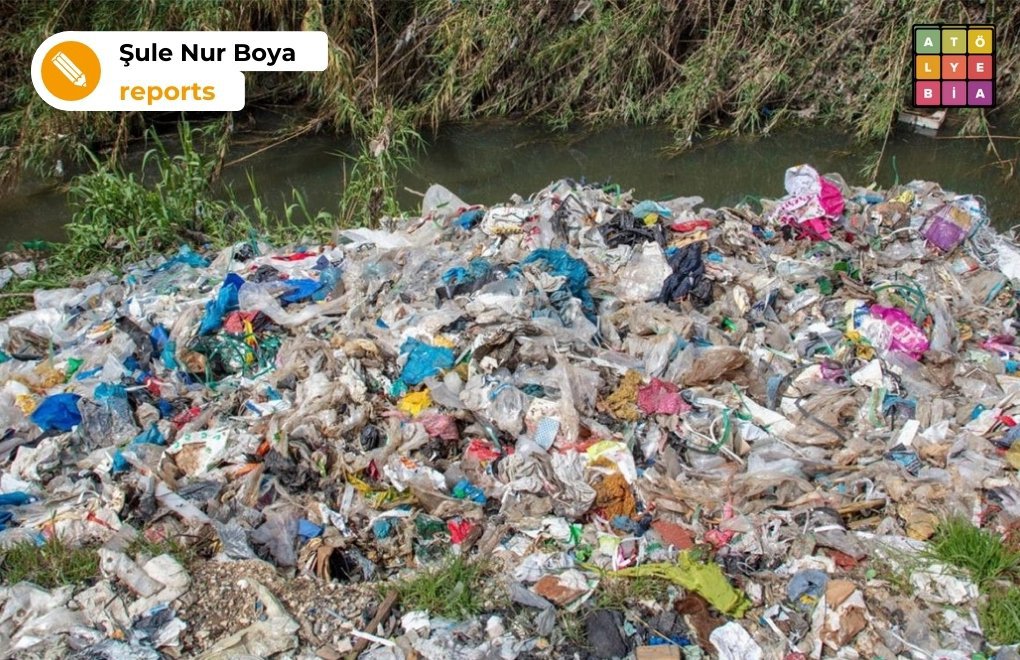
PLASTIC WASTE POLLUTION
Imported plastic waste sites in Adana still not cleaned despite promises by companies
Demand for a ban on waste exports
Greenpeace Turkey launched the "Real Zero Waste" campaign to address these contradictions. The organization called on the Environment, Urbanization and Climate Change Ministry, the Trade Ministry, and Turkey's COP31 negotiation delegation to implement a permanent ban on plastic and textile waste imports without exception.
The campaign also demands an immediate suspension of new petrochemical investments, the declaration of a sectoral moratorium, and the integration of binding targets to reduce plastic production at the source into national climate change action plans. Additionally, it urges Turkey to advocate for strict limits on plastic production during the UN Global Plastics Treaty negotiations.
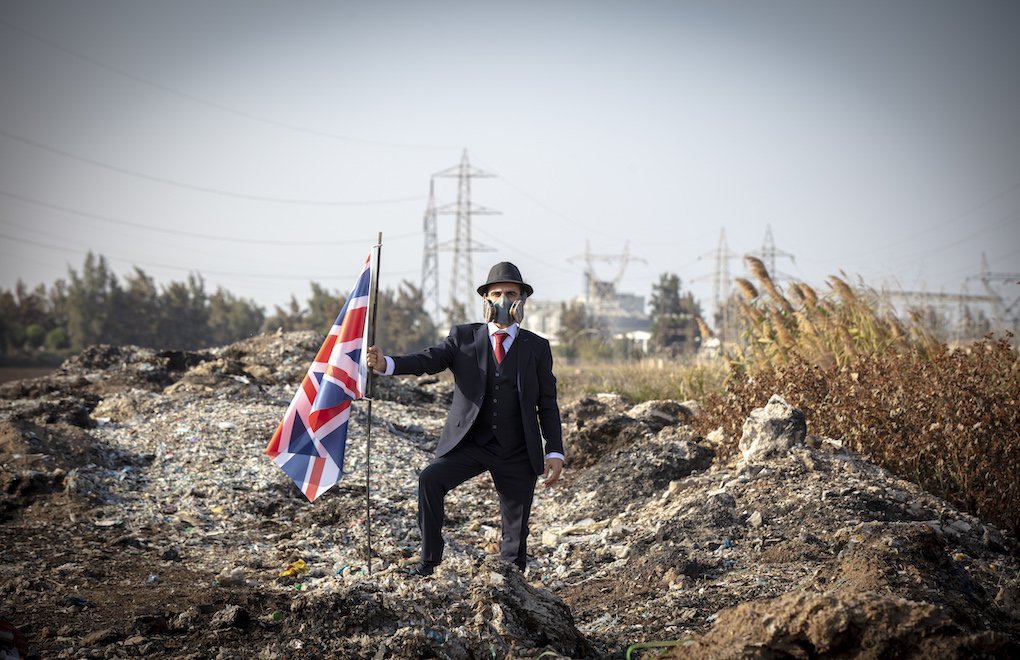
Plastic waste imported from Europe poisoning Turkey's soil, shows Greenpeace analysis
Recycling figures 'misleading'
The policy brief argues that current official figures are misleading because the national zero waste movement presents recycling rates as the primary indicator of success. However, the global plastic recycling rate stands at only around 9%, which remains ineffective against a global plastic production of over 400 million tons per year.
The organization stated that waste management that does not limit production at the source is no different from holding a bucket under an open faucet. (TY/VK)