
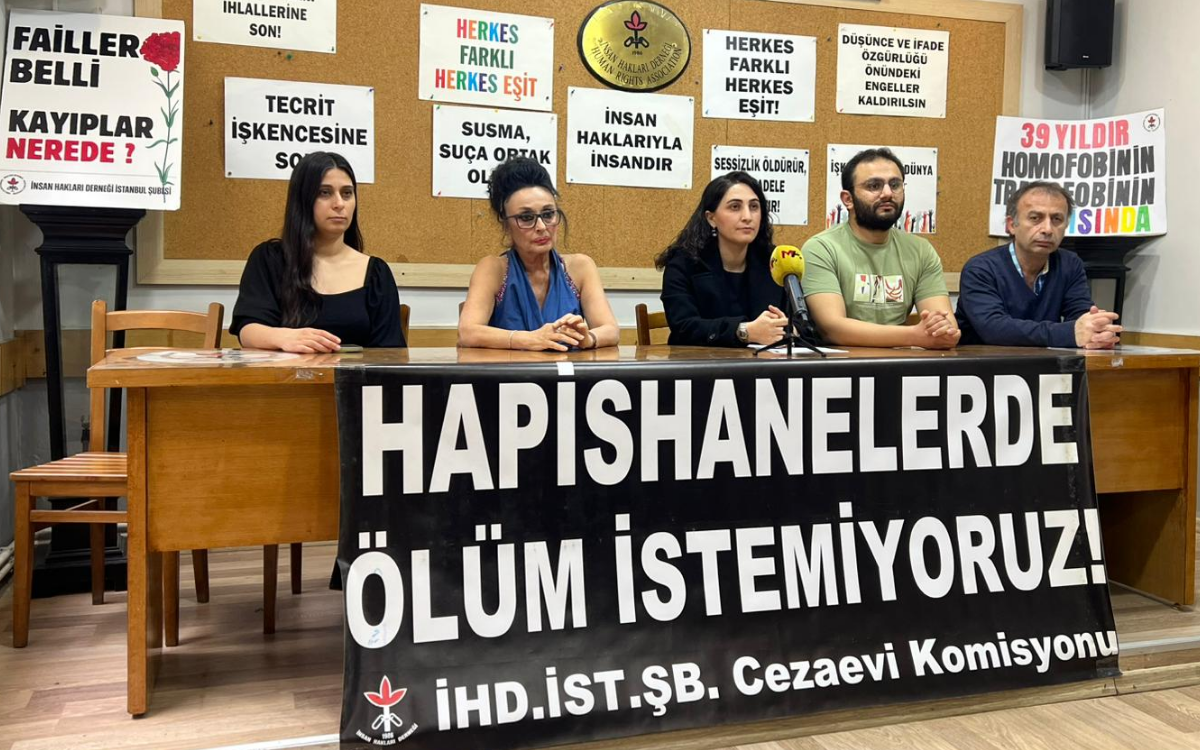



Human rights organizations have issued a statement on the death of 26-year-old Romani prisoner Sinan Üstev, who died in the No. 2 T-Type Closed Prison in Tekirdağ, northwestern Turkey, describing the death as "foreseeable and preventable" and calling for an effective investigation.
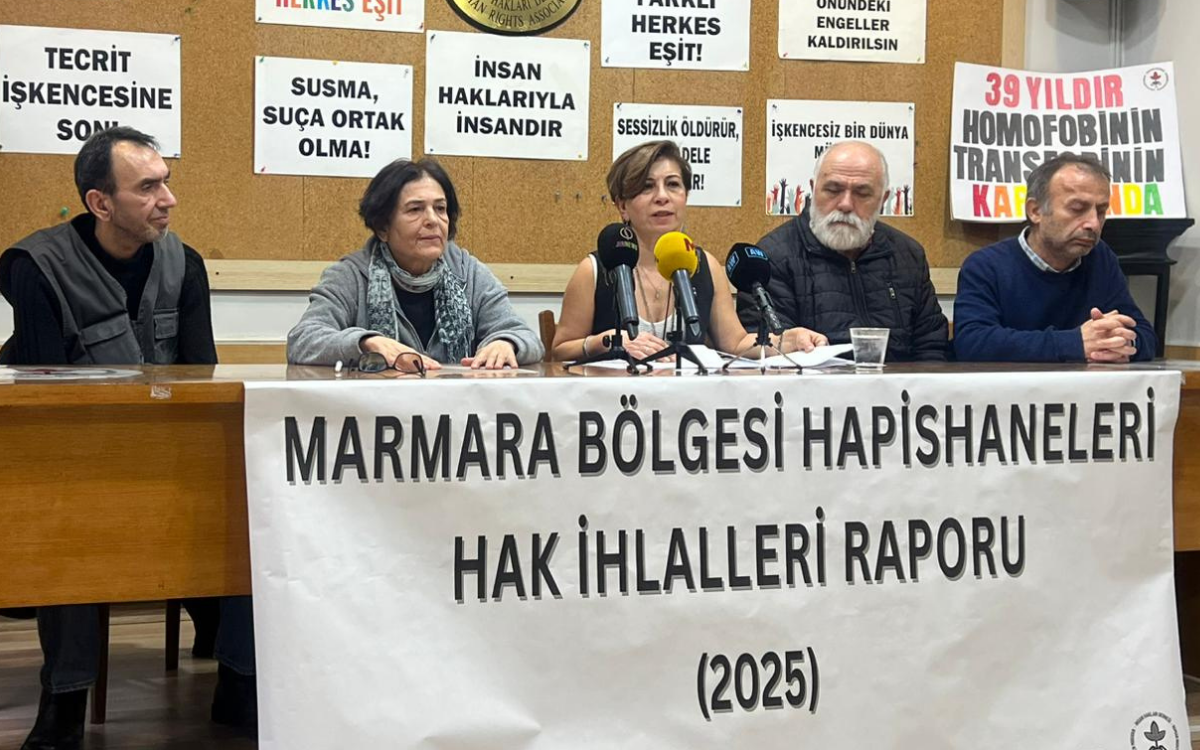
In a press conference held today, the İstanbul branch of the Human Rights Association (İHD), the Romani Godi Association and the Civil Society in the Penal System Association (CİSST) said they had serious concerns that the current investigation was not being conducted in a way that would reveal the material truth.
Speaking at the conference, İHD's Eren Keskin underlined the prison administration's responsibilities regarding Üstev's death.
"Both imposing a visitation ban on him and additionally placing him in solitary made his suicide easier. Even if there had been an intention to die on the part of the prisoner, the main party responsible here is the prison administration. The prison administration could have saved Sinan Üstev. They could have directed him to psychological treatment and helped him reconnect with life. But they did not do that. Why? Because they do not value prisoners. Especially if the prisoner is Romani."
'Barred from enjoying rights'
Saying they would continue to follow the process concerning Üstev's death, Keskin said, "Roma are treated as if they are practically barred from enjoying any rights, both in prison and in all areas of life, and they are ignored by the state. I think the fact that Sinan Üstev was Romani also had a major impact on this. Because they think, 'No one will care anyway.' The prison is absolutely responsible here. The prosecutor said, 'If the handwriting in the letter is his, I will issue a decision of non-prosecution.' They will do that. Because just as the prison administration's responsibility does not concern them, they also want to cover up that responsibility. Human life has no value in this geography. Unfortunately, if you are in prison, and especially if you are Romani, it has no value at all," voicing her reaction.
Lawyer Zozan Vargün from the Romani Godi Association read a joint statement.
Saying, "Sinan Üstev's time in prison shows that his death was entirely foreseeable and preventable," Vargün gave the following information about the process leading to Üstev's death:
"On Oct 20, 2025, proceedings were initiated against Sinan Üstev over the allegation that he had escaped from the Karatepe Open Penal Execution Institution. However, shortly after this process began, on Oct 27, 2025, official records documented that Sinan Üstev harmed himself by swallowing razor blades in Ward C-16, where he was being held. This incident clearly showed that Sinan Üstev was at risk of suicide and was in a psychologically fragile state. This incident, which was recorded by the prison administration, became the subject of a disciplinary investigation, and it was understood that the prisoner's mental condition was too serious to be ignored."
Vargün said this clearly showed that Üstev was at risk of suicide, but despite that, disciplinary proceedings were carried out and his mental condition was not adequately taken into account. According to Vargün, Üstev was sentenced to 11 days in solitary confinement by the Çorlu enforcement judgeship on Nov 6, 2025. On Dec 8, he was also barred from receiving visitors for one month. In the defense statement he gave on the same date, Üstev clearly said that he was not psychologically well.
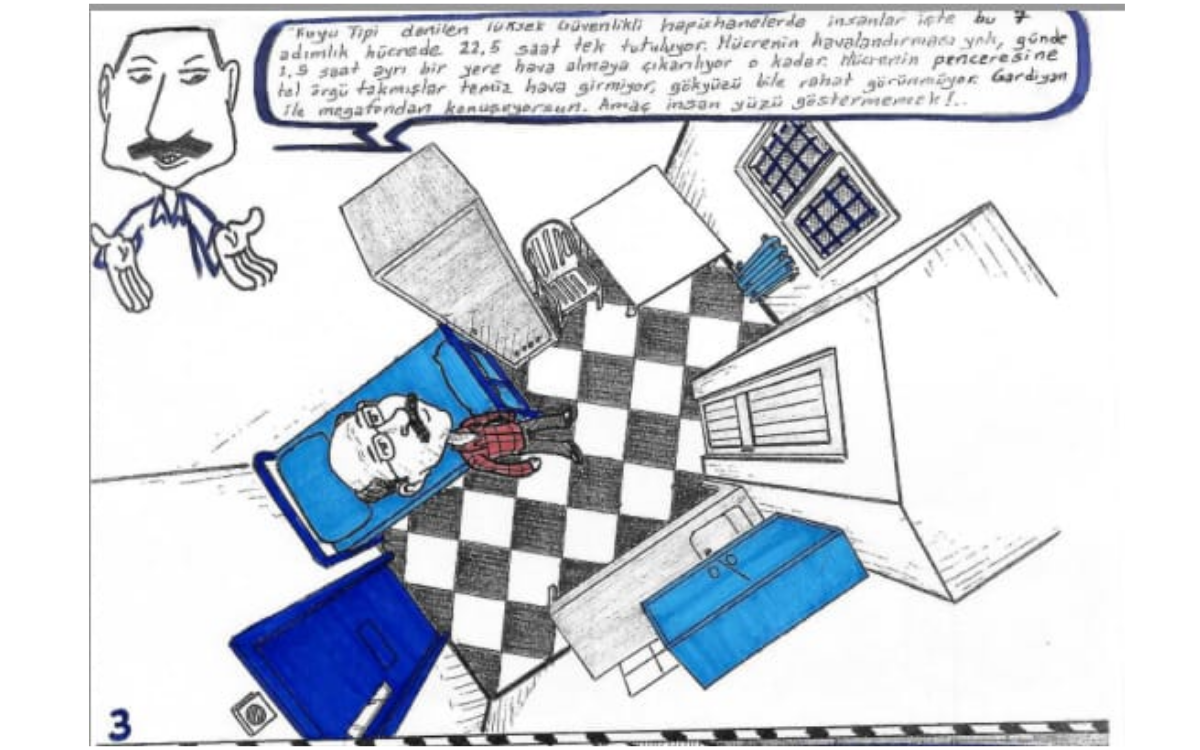
Vargün said, "Subjecting a prisoner who is at risk of suicide, has a history of self-harm and is psychologically fragile to solitary confinement clearly contradicts international human rights standards and obligations of medical care. Solitary confinement means isolating the prisoner and leaving him alone."
Vargün also recalled the United Nations Standard Minimum Rules for the Treatment of Prisoners, known as the Mandela Rules:
"The execution of the 11-day solitary confinement sentence was the most critical factor that increased the risk to Sinan Üstev's life. It is alleged that on Dec 25, 2025, which corresponded to the fifth or sixth day of the sentence, Sinan Üstev died by suicide. Keeping a prisoner who had previously engaged in self-harm and was psychologically fragile alone in a cell throughout the punishment period, without providing the necessary special monitoring, directly increased the risk of death. In this context, the application of solitary confinement amounts to serious administrative and medical negligence."
Vargün also said the report issued about Üstev stating that he was "fit to remain in a cell" was controversial, adding that this decision was incompatible with the duty of medical care. It was emphasized that the responsibility of the relevant health personnel should be examined in both its administrative and criminal dimensions.
Shortcomings in the investigation
Vargün said lawyers who visited the prison on Mar 17, 2026, met with the prison director, who argued that the death had occurred for family-related reasons and that there had been no ill-treatment.
On the other hand, Vargün said that in a meeting with the prosecutor handling the file, they were told that letters allegedly written by Üstev had been sent to an expert, but that the file was incomplete. She noted that important evidence still had not been collected in the investigation.
The evidence said to be missing includes the full medical and execution files, raw camera footage, observation reports and witness statements.
The rights groups said all findings indicated that Üstev's death was foreseeable and preventable, stressing that public authorities have an obligation to protect prisoners at risk.
In the statement, the groups called on authorities, especially the Justice Ministry, to ensure that the investigation is conducted independently, impartially and effectively, and that the necessary proceedings are initiated against all those responsible.
In the joint statement, the organizations said, "We will continue to follow this process until justice is secured for Sinan Üstev's family and for the public." (AB/VK)