
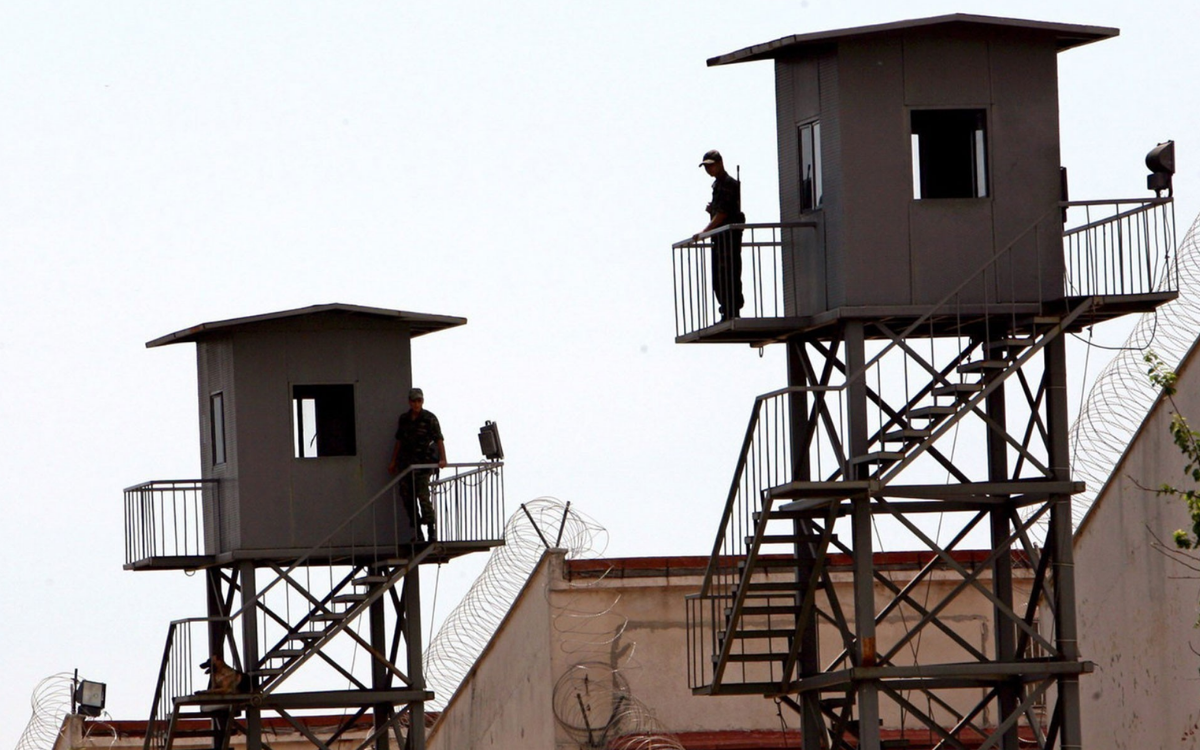



Eskişehir Type-H Closed Prison has postponed the release of five political prisoners who have completed their sentences, citing “continued organizational behavior” and “lack of repentance" in what has become a broader practice in recent years.
According to Mezopotamya Agency (MA) reporting, all five prisoners whose release was denied also suffer from serious health problems.
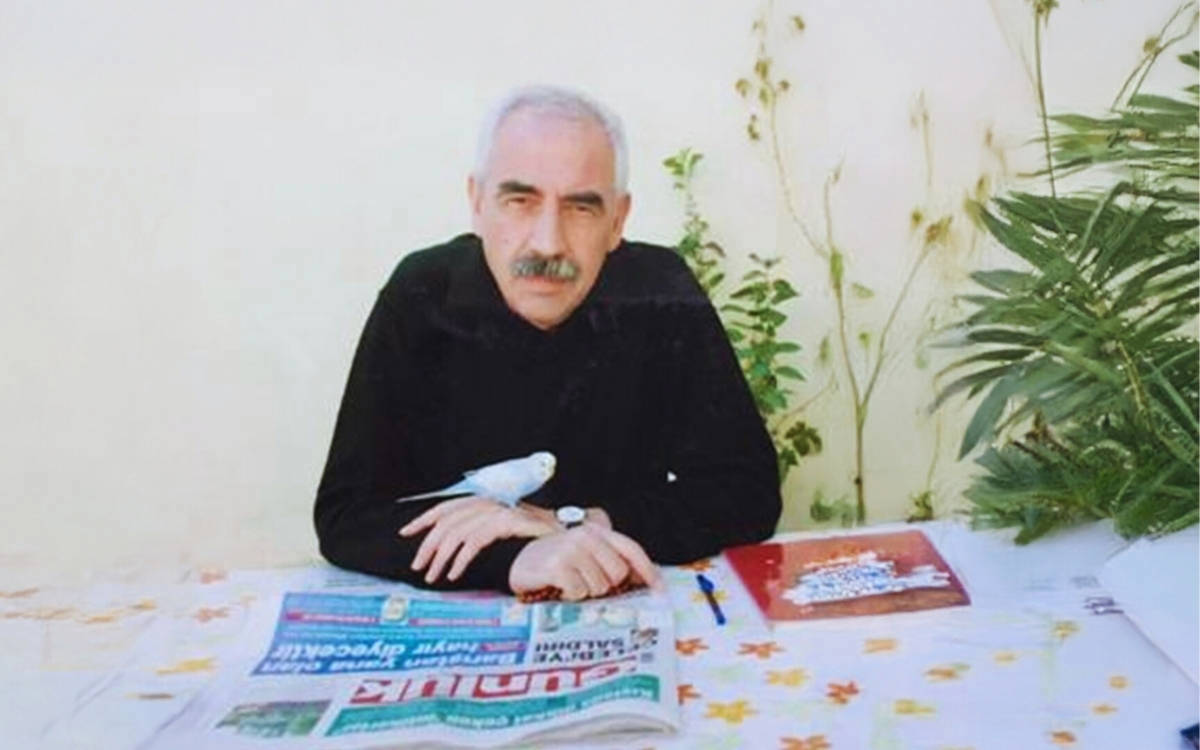
Among them is Yılmaz Çerçel, who has been incarcerated since 1993. The prison administration ruled to delay his release just one day before it was scheduled. A new review of his case is expected at the end of March.
Another prisoner, Mehmet Paksoy, has been called before the disciplinary board four times in the past four years. Each time, his release was postponed on the grounds that he did not demonstrate “good behavior.”
'Meaningless questions'
Paksoy said board members repeatedly asked him “meaningless questions” and recorded statements he never made. Following the last review on Jan 9, which again delayed his release, Paksoy refused to attend the session scheduled for Apr 13.
The report also noted that two other prisoners, Vasfi Haştaş and partially disabled İlhan Keklik, are struggling with serious medical conditions.
Another prisoner, Mustafa Filitoğlu, was denied conditional release despite having surpassed his eligibility date. In December, the board postponed his release for another six months.
Filitoğlu said he believes the board’s evaluation was not impartial and added, “I don’t think I have any chance of benefiting from conditional release.”
Prison boards 'act like judicial bodies'
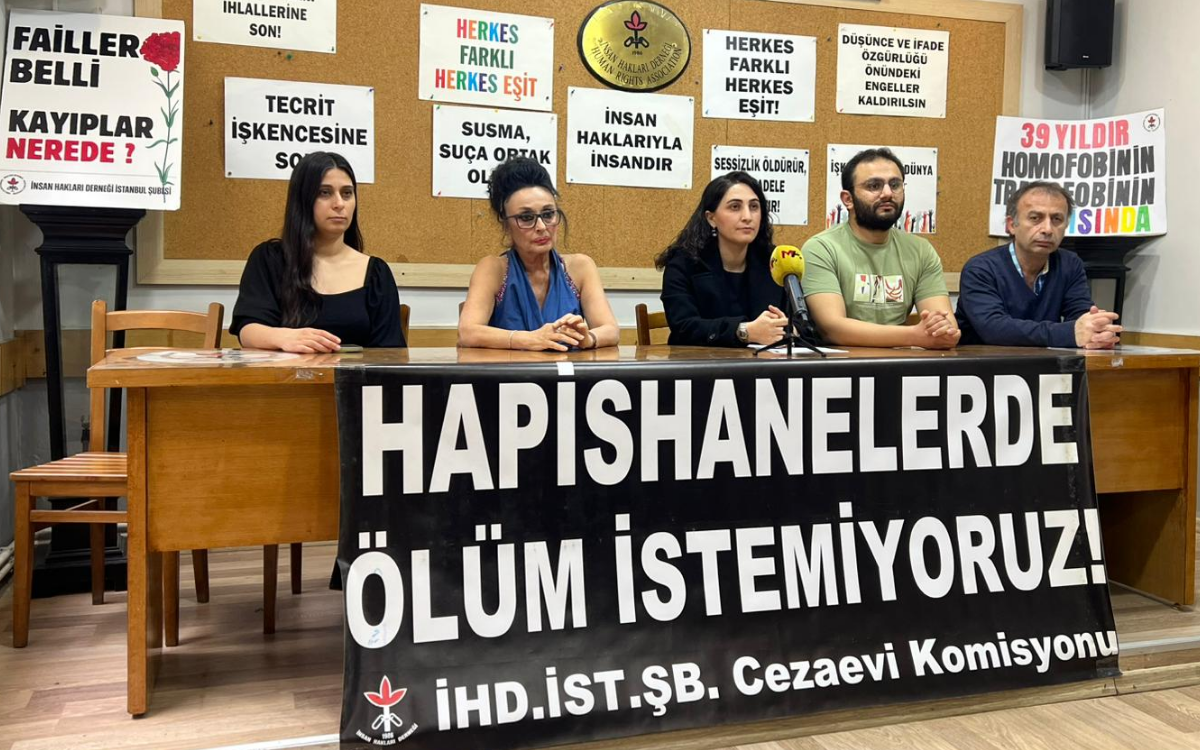
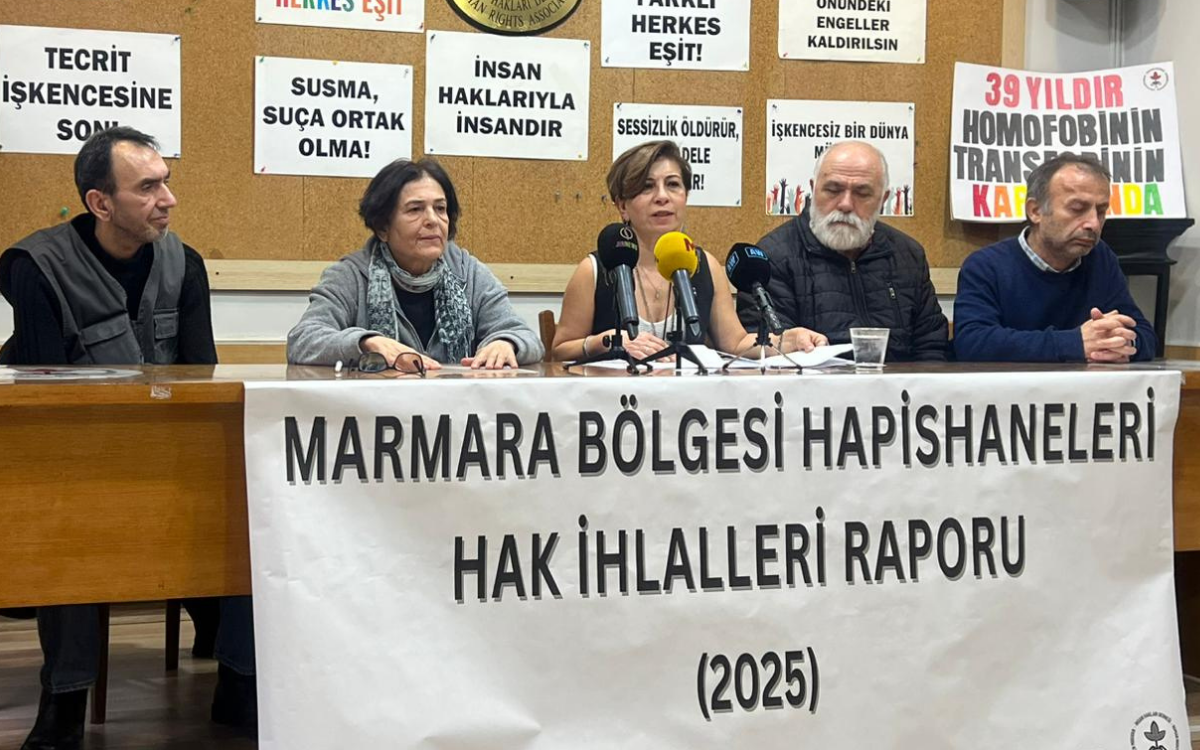
Attorneys from the Lawyers for Freefom Association (ÖHD) accused the Prison Administrative and Monitoring Boards of operating like de facto judicial authorities.
“These boards, especially in cases involving political prisoners, have extended their reach beyond executing sentences and have become bodies that effectively reassign punishment,” the lawyers told bianet.
They argued that using “repentance” as a criterion forces inmates to submit to an internal inquiry into their beliefs. Denying release repeatedly due to an inmate’s supposed lack of remorse amounts to “a systematic violation of the right to liberty and security,” they said.
“In this form, the board decisions function less as a legal mechanism and more as a vague and punitive administrative tool that blocks the release of even terminally ill inmates who have been behind bars for decades,” the statement continued.
Peace process
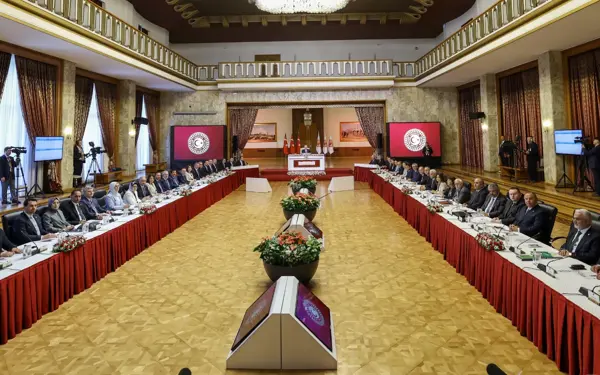
With discussions underway in a parliamentary committee on possible legal reforms within the context of a renewed Kurdish peace process, ÖHD lawyers called for the abolition of the prison boards.
They said doing so would be “a necessary step toward implementing the principle of equality in enforcement and achieving a lasting solution.”
“The release of political prisoners who have completed their sentences would be a confidence-building and critical step toward a just peace and public trust,” they added. (AB/VK)