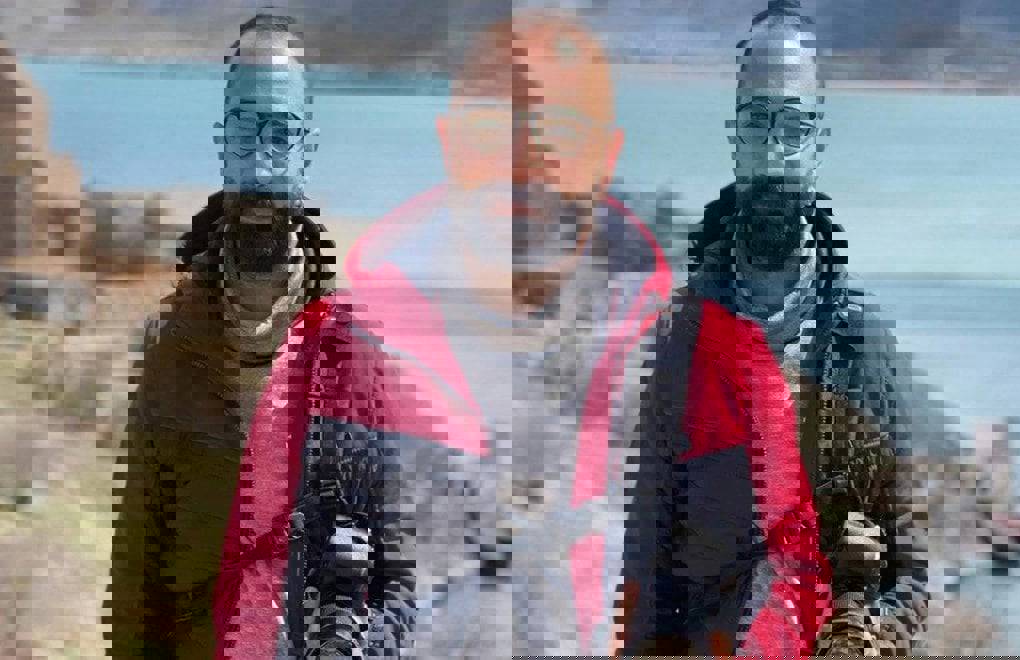







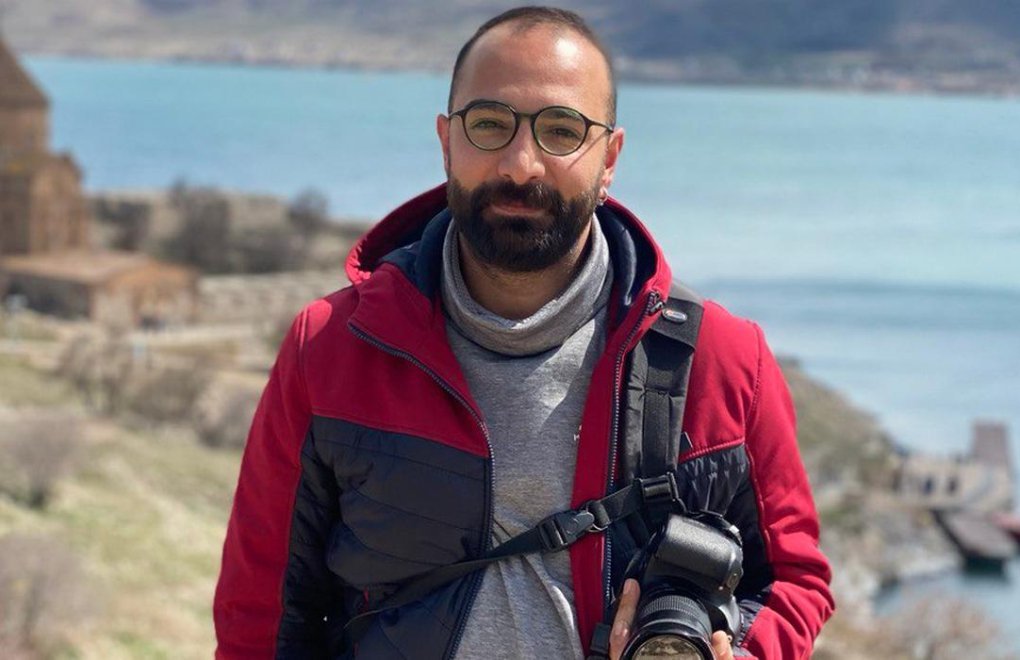



Kurdish journalist Ruşen Takva’s X account has been blocked four times in the past year. He’s currently on his fifth and it’s unclear how long it’ll be until that one could be blocked too.
Unfortunately for many journalists, especially Kurdish journalists, his situation is hardly unique. In fact, over the last few weeks Kurdish journalists’ X accounts have been targeted in what is the latest in a long line of online censorship campaigns against them.
Several X accounts of journalists and news agencies, such as Fırat News Agency and Nupel, have been blocked on X. According to a tweet by the Dicle Fırat Journalists Association (DFG), at least four Kurdish journalists' X accounts were blocked within a 24-hour period on Monday. The exact number of blocked accounts is unknown.
Mezopotamya Agency, a Kurdish news wire service, also had its Turkish Bluesky account suspended this past weekend. The agency's website is currently banned in Turkey. According to the Media and Law Studies Association (MLSA) 49 accounts were banned in Turkey between the months of January and March.
BIA Media Monitoring Reports
“The government doesn't want any dissenting voices outside of its official narrative, outside of what it says, outside of its propaganda … They don’t want any dissenting voices in this propaganda war,” Takva said.
Takva believes that the legal system and the weak position of journalists make them an easy target for government suppression, even more so for Kurdish journalists.
Şevket Uyanık, a communications expert at the Human Rights Foundation of Turkey, said that he’s not particularly surprised by the account restrictions given Turkey’s troubling history of censorship. However, the legal mechanisms created by those in power to increase censorship will further erode freedom of expression.
Role of platforms
He also criticized the complicity of social media platforms in maintaining this online suppression.
“Of course, social media companies are also part of this game, prioritizing their profits over people’s rights … the internet has become a tool of the ruling powers more than ever before,” Uyanık said.
“What needs to be discussed here is the fact that social media platforms comply with the state to a degree of up to 90%, and that court rulings are issued at lightning speed without even allowing for a defense," he added.
Takva’s own experience confirms this.
“They block our accounts within 24 hours citing a court order, but our appeals process takes months, even years,” he said. “It's been almost 1.5 years since my first account closure, my main account with 70,000 followers.”
Takva’s appeal is still pending in court.
Takva said that online censorship is especially concerning in the digital age, where many journalists, especially independent ones like himself, rely on social media to reach their audience.
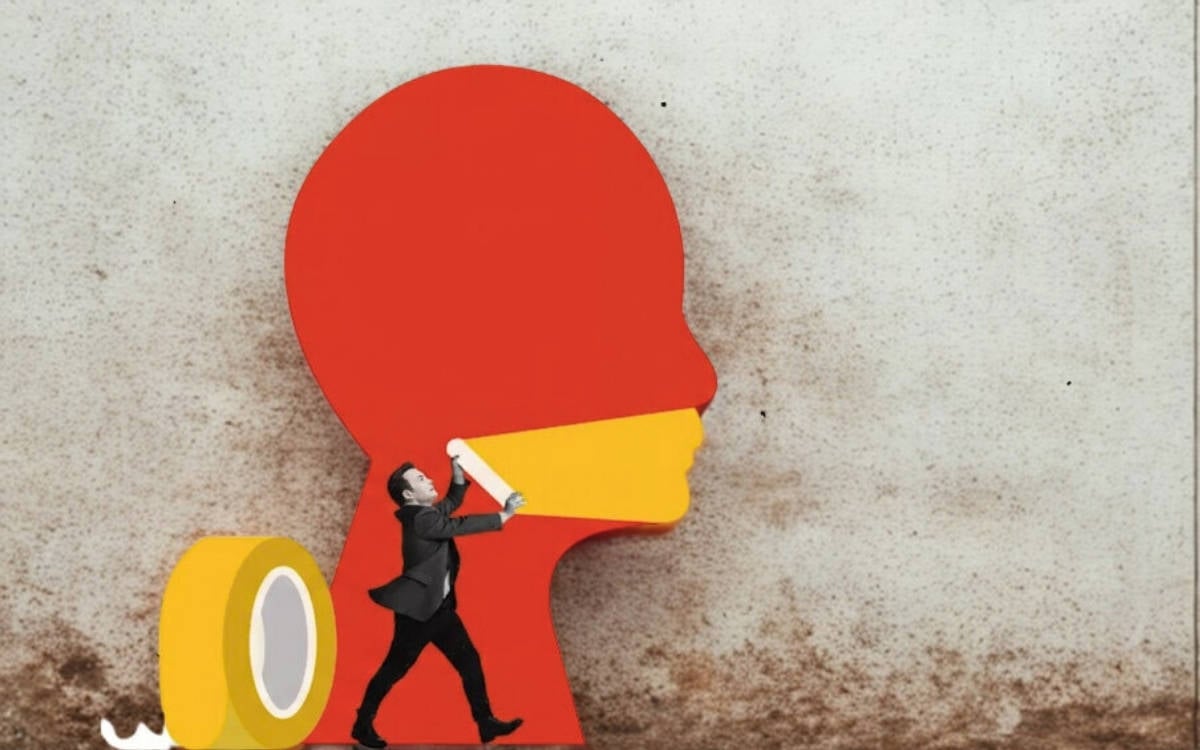
Social media platforms turn to censorship to protect commercial interests
He said that this goes beyond mere censorship, but is actually a form of putting economic pressure on journalists. In today’s environment social media is an irreplaceable tool. It’s exactly the same as taking someone’s camera away, he explained.
Although Kurdish journalists and activists’ social media accounts have long been subject to restrictions, Takva believes the current influx is due to the US and Israel’s war on Iran, which hosts a sizable Kurdish population. Censorship on Kurdish journalists increases whenever there are political situations involving Kurds, he explained.
Turkey’s Information and Communication Technologies Authority (BTK) also blocked Kurdish X accounts during the Syrian interim government’s military operations on Rojava in January.
Takva said that although Kurdish journalists are most impacted, these censorship measures affect all those who voice opposition to government policies.
“Of course, the greatest harm and pressure is inflicted on Kurdish journalists, this has become ingrained in Turkey’s genetic code,” he said. “If something is going to be done, it's first attempted through Kurds or Kurdish politicians — then they spread it throughout the country.”
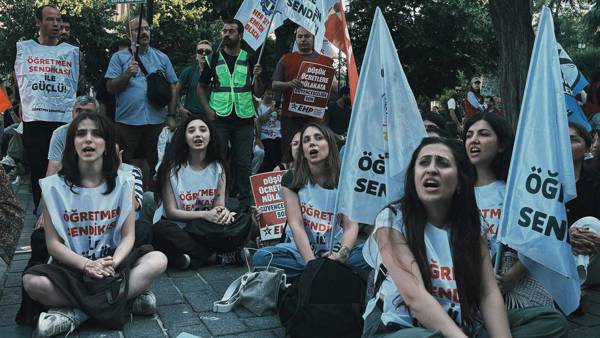
The state also blocked social media accounts during the March 2025 protests against the detention of Istanbul Mayor Ekrem İmamoğlu. Within four weeks at least 471 X accounts were blocked in Turkey, later including İmamoğlu’s.
Turkey’s Law No. 5651 allows for this regulation of online content, including removing or blocking certain websites and social media accounts to protect national security.
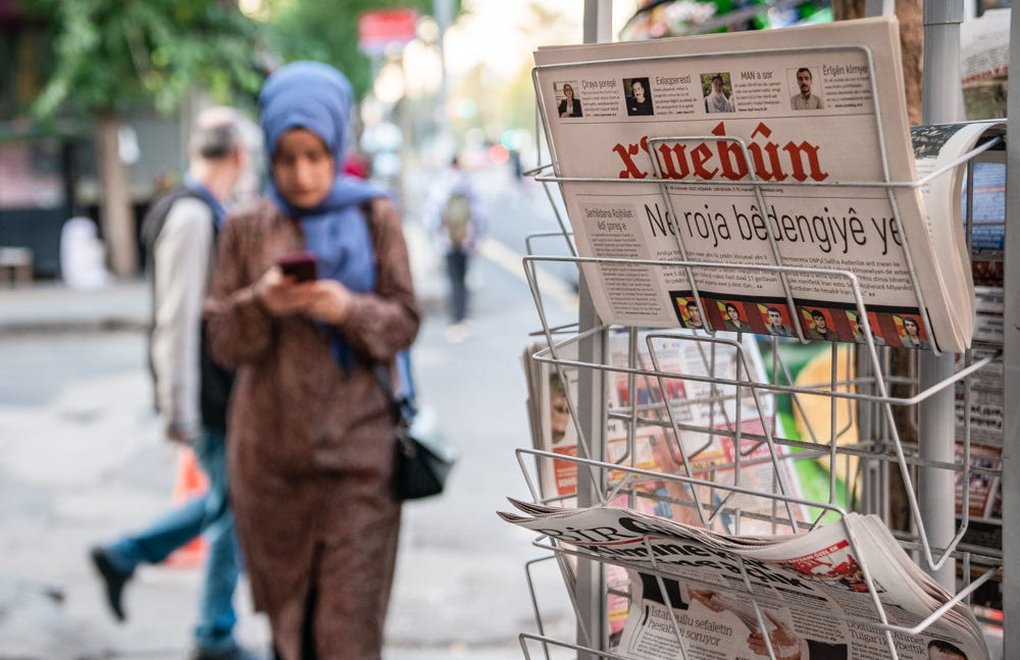
The view from Diyarbakır: How Kurdish journalists see Türkiye's disinformation law
Takva believes those concerned for the state of free media must now show their solidarity. There simply aren't enough people objecting to this issue and many journalists feel alone in this matter.
“The best solution is solidarity; without it, we are rapidly heading towards a situation where no one is left in the field, only the official narrative of the government is discussed, and there will be no one left to call a journalist, frankly,” he said.
“The truth for society needs to be defended by all institutions, because it's a collective issue, not an individual matter.” he added. “They’re not targeting us as individuals; they're not targeting me as Ruşen — they're targeting me because I'm a journalist.” (İK/VK)