





Ankara prisoners not allowed to send letters in Kurdish unless they pay for translation

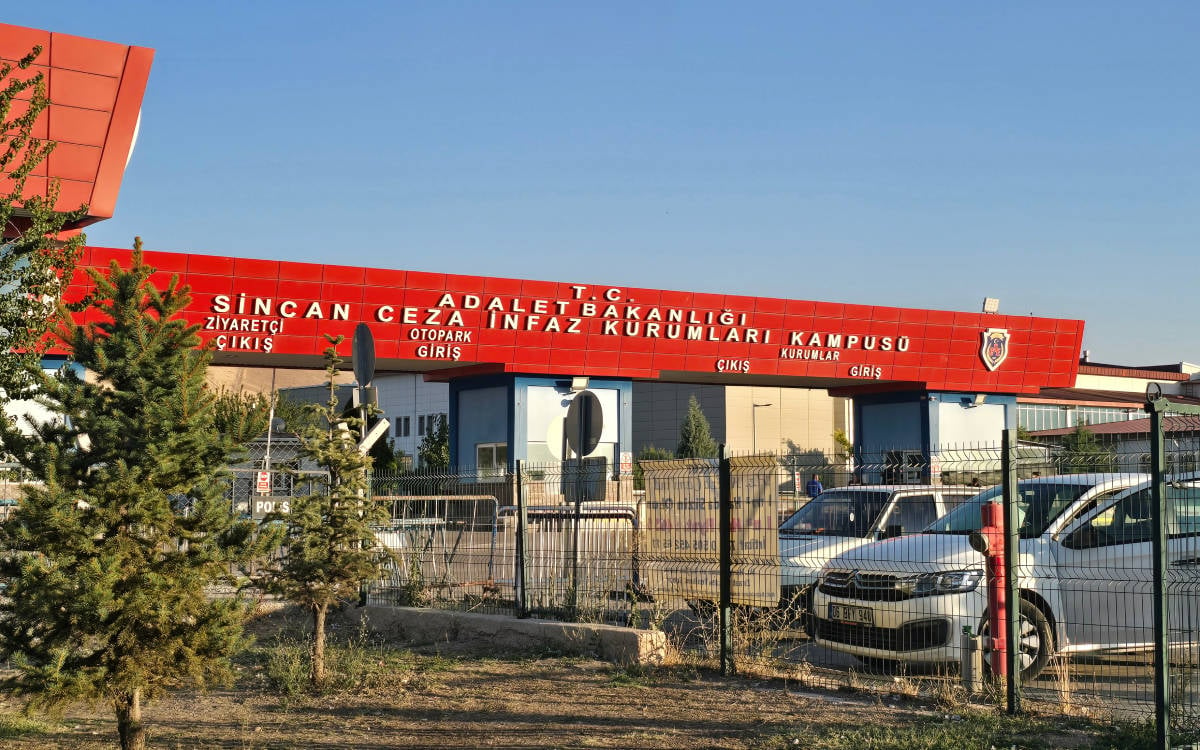



Prisoners held at the Sincan Prison Campus in Ankara report that their right to correspond in Kurdish is being blocked by prison authorities.
Ramazan Çeper, who is held at Sincan No. 2 High Security Closed Penal Institution, detailed the restrictions in a letter sent to the Civil Society in the Penal System Association (CİSST). Çeper stated that for months, outgoing Kurdish letters have not been sent and incoming letters in the language have not been delivered.
According to Çeper, prison authorities are demanding that inmates pay for translation services before any Kurdish correspondence is processed.
"A ban has been placed on our Kurdish letters for months, and it has been stated that none of our letters will be sent unless we cover the translator fees ourselves," Çeper wrote.
He further noted that prisoners attempted to resolve the issue through dialogue but were unsuccessful due to the administration rejecting all alternative solutions. Çeper said he felt compelled to contact the association to ensure the situation was scrutinized.
Prisoners put in punishment cell allegedly for 'writing book in Kurdish'
'There is Kurdish-speaking personnel'
Çeper reported that while the prison previously assigned guards who spoke Kurdish to the Letter Reading Commission, this practice was discontinued this year. He claimed there are more than 10 guards at the facility who speak Kurdish, but the administration has refused requests to assign them to the commission.
"If there is a shortage of translators, this could be resolved within a week by writing to the ministry, but this is not being done," Çeper added.
He further noted that the restriction appears specific to his facility, claiming that no such ban exists at the neighboring Sincan No. 1 High Security Prison.
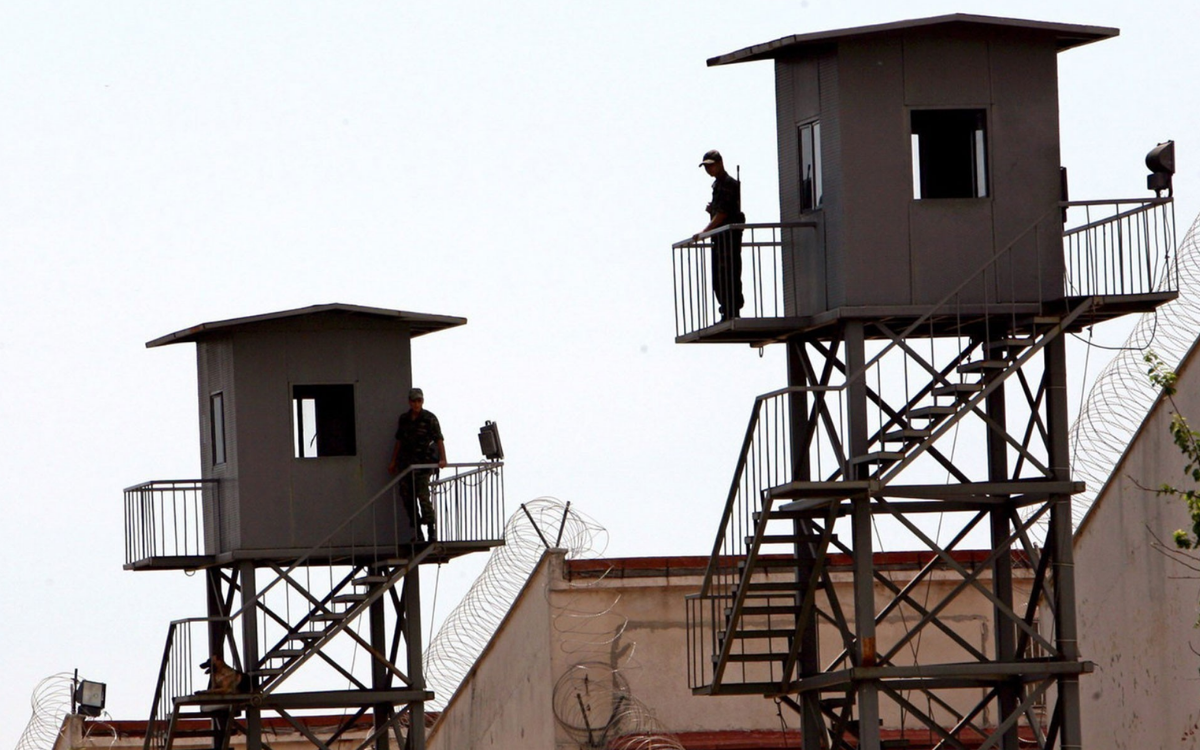
Eskişehir prison delays release of political prisoners
CİSST files applications
Following the report, CİSST filed applications with several authorities, including the Prison Monitoring Board, the Provincial Human Rights Board, the Presidency Communications Center (CİMER), the Parliamentary Human Rights Investigation Commission, and the Prisons and Detention Houses General Directorate.
Heval Zelal Avcı, a specialist at CİSST focusing on aggravated life sentences, told bianet that prisoners under this penal enforcement regime already face intense isolation and correspondence is a critical link for them to the outside world. These prisoners have limited rights to phone calls, visits, and social activities compared to others.
"Practices that limit the right to correspondence or make it effectively unusable weaken one of the last remaining communication channels for prisoners already living under conditions of heavy isolation," Avcı added.
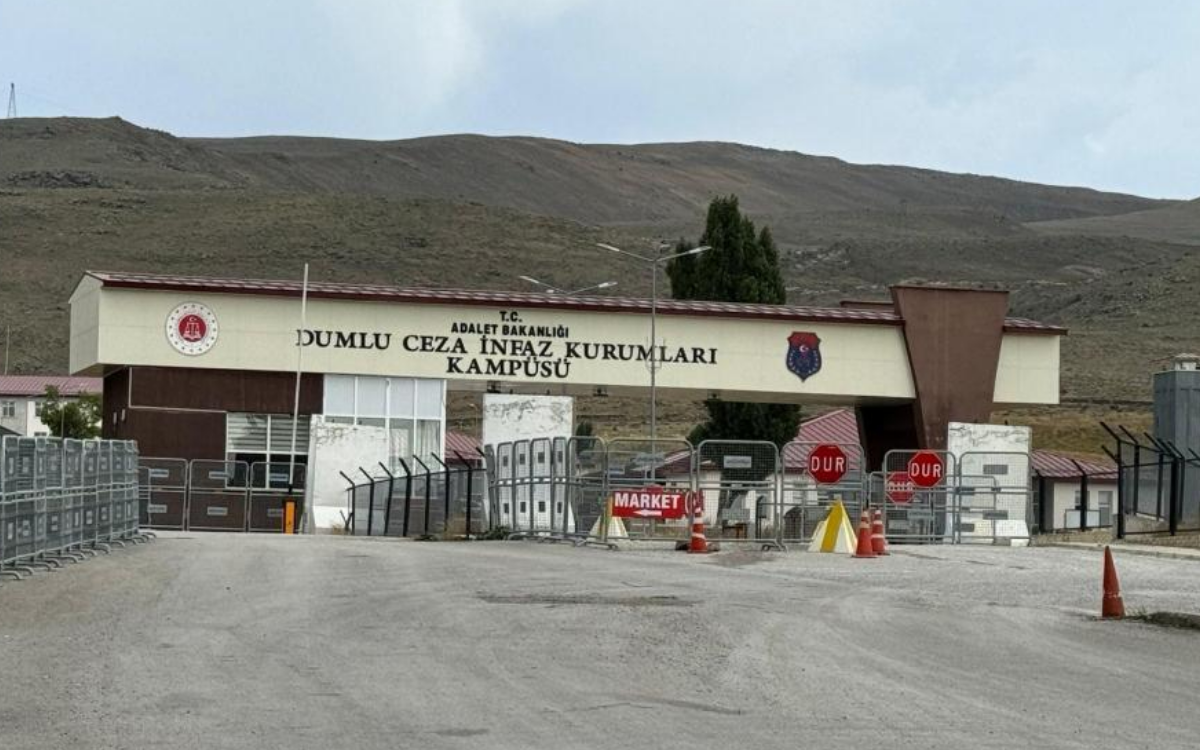
‘Wells of isolation’: Prisoners allege severe abuse in 'maximum-security' prisons
Parliamentary question
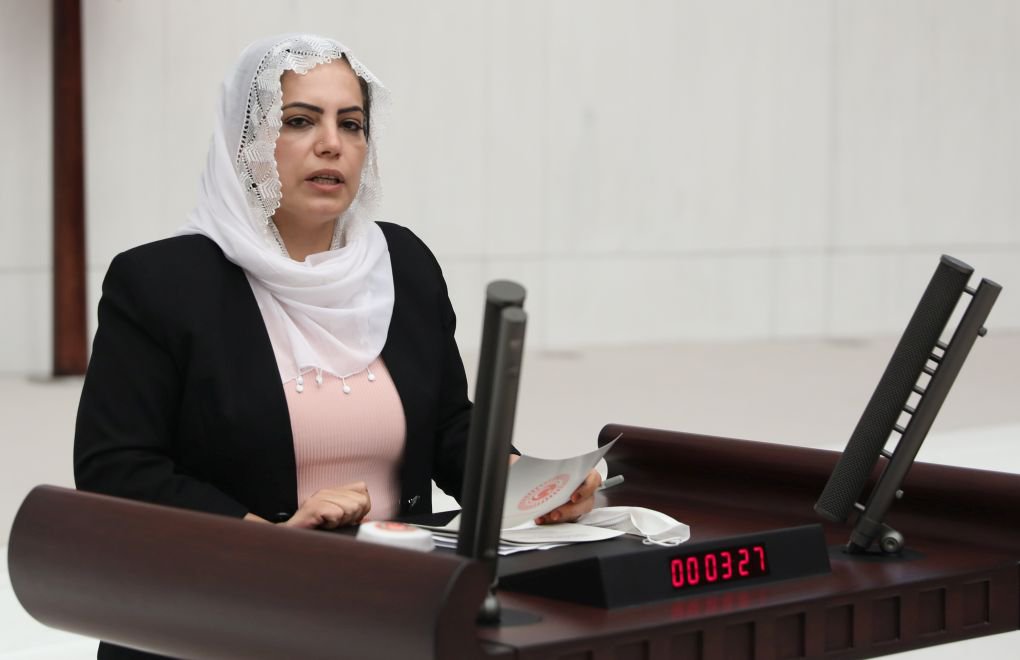
The pro-Kurdish Peoples’ Equality and Democracy (DEM) Party has brought the allegations to the parliament with MP Beritan Güneş submitting a written parliamentary question addressed to Justice Minister Akın Gürlek.
Güneş pointed to the freedom of communication guaranteed by Article 22 of the Constitution and cited Constitutional Court rulings regarding the principle of proportionality. She argued that blocking Kurdish letters despite the presence of bilingual staff and available technical alternatives violates both proportionality and the prohibition of discrimination.
In her motion, Güneş asked the minister how many Kurdish-speaking guards are employed at the Sincan No. 1 and No. 2 institutions and why they are not assigned to the reading commissions.
She also questioned why electronic language support from other institutions is not being utilized if a local shortage exists. (HA/VK)


bianet's Freedom of Expression Reporter since June 2018. After interning at bianet in 2013, he took part in several bianet projects. His news reports and articles have been published on various platforms such as Expression Interrupted, susma24.com, Jıneps, Inside Turkey, and tol.org. He has contributed numerous interviews and articles on freedom of expression. His writings have been translated into several languages, including English, French, Italian, and Circassian. His photographs from the March 8, 2018 Feminist Night March were exhibited by the İstanbul Metropolitan Municipality. He is the recipient of the 27th Metin Göktepe Journalism Award and holds a degree in journalism from Erciyes University.

Prosecutor demands prison sentence for Akbelen activist Esra Işık
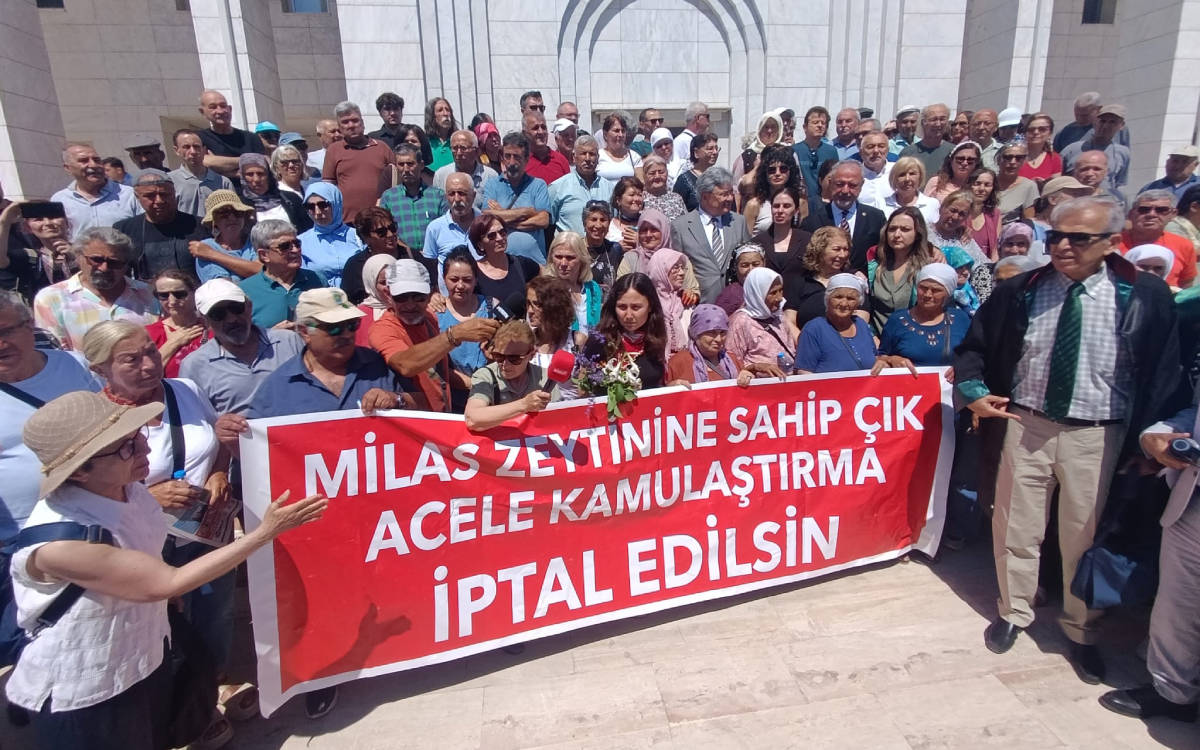
Environmental activist Cemre Nayir released after first hearing in 'terror' case
Turkey ranks fourth globally in food inflation
Food engineer Bülent Şık sentenced to pay damages for health warnings
Journalist İsmail Arı faces six years in prison for 'spreading disinformation'