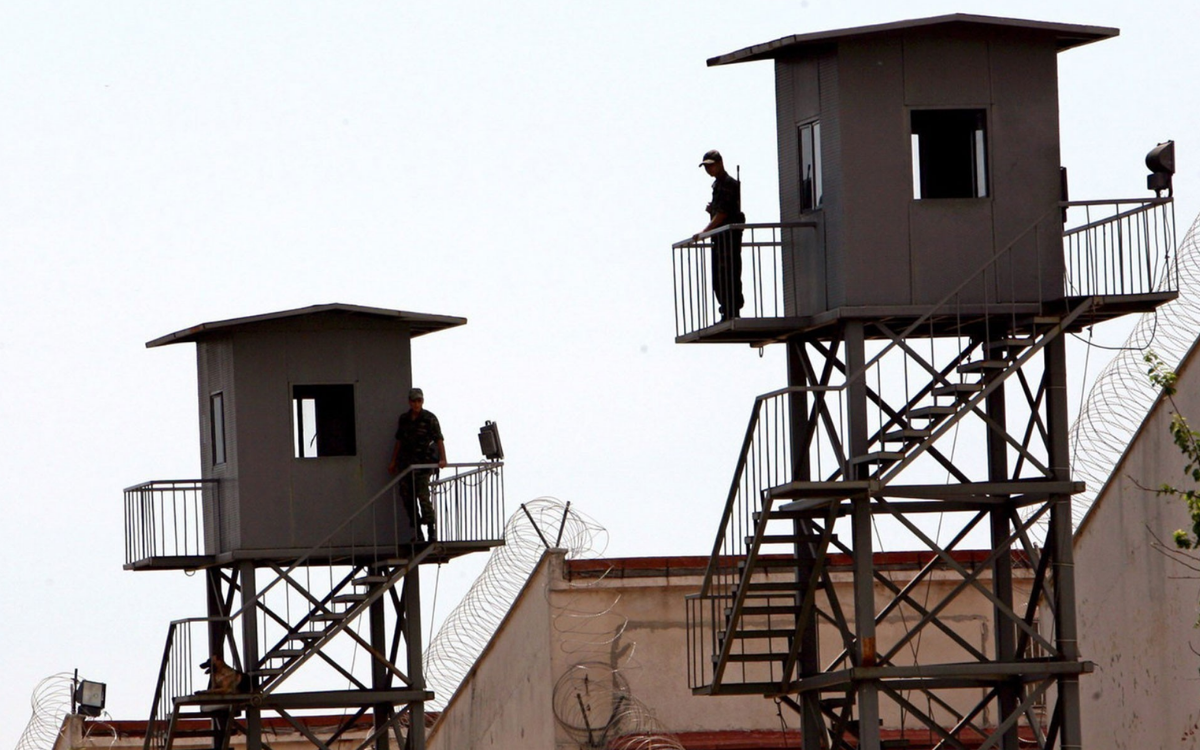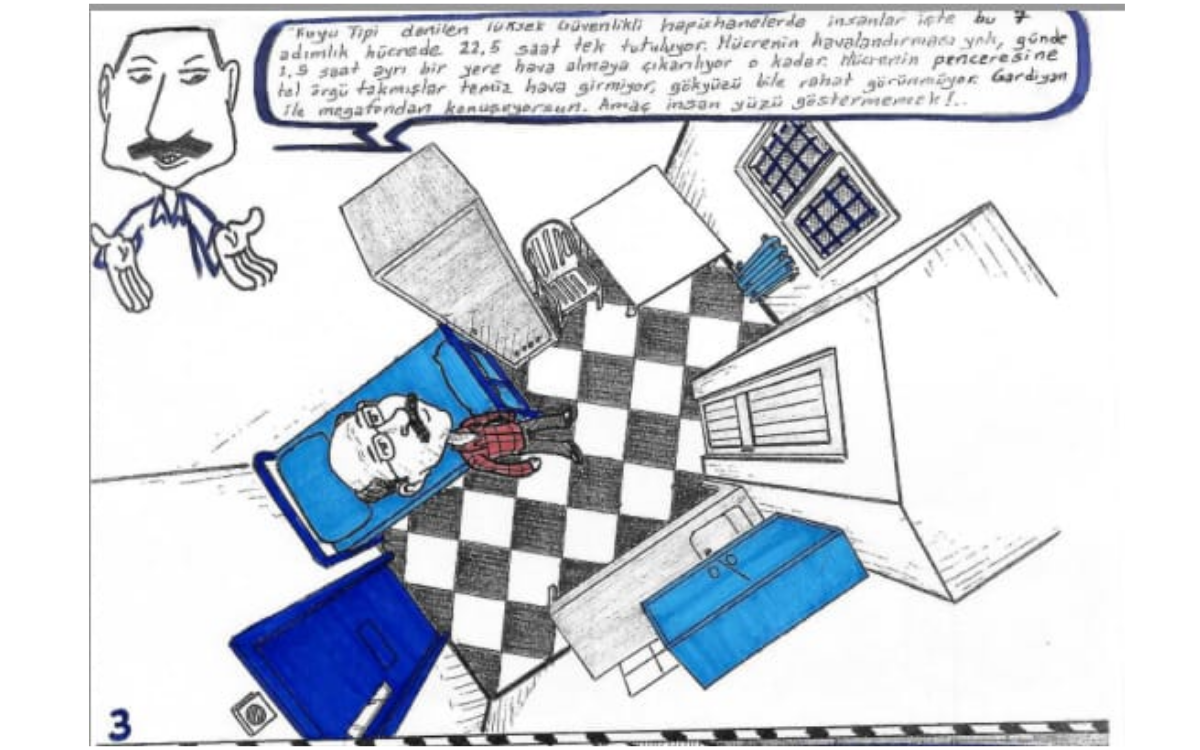

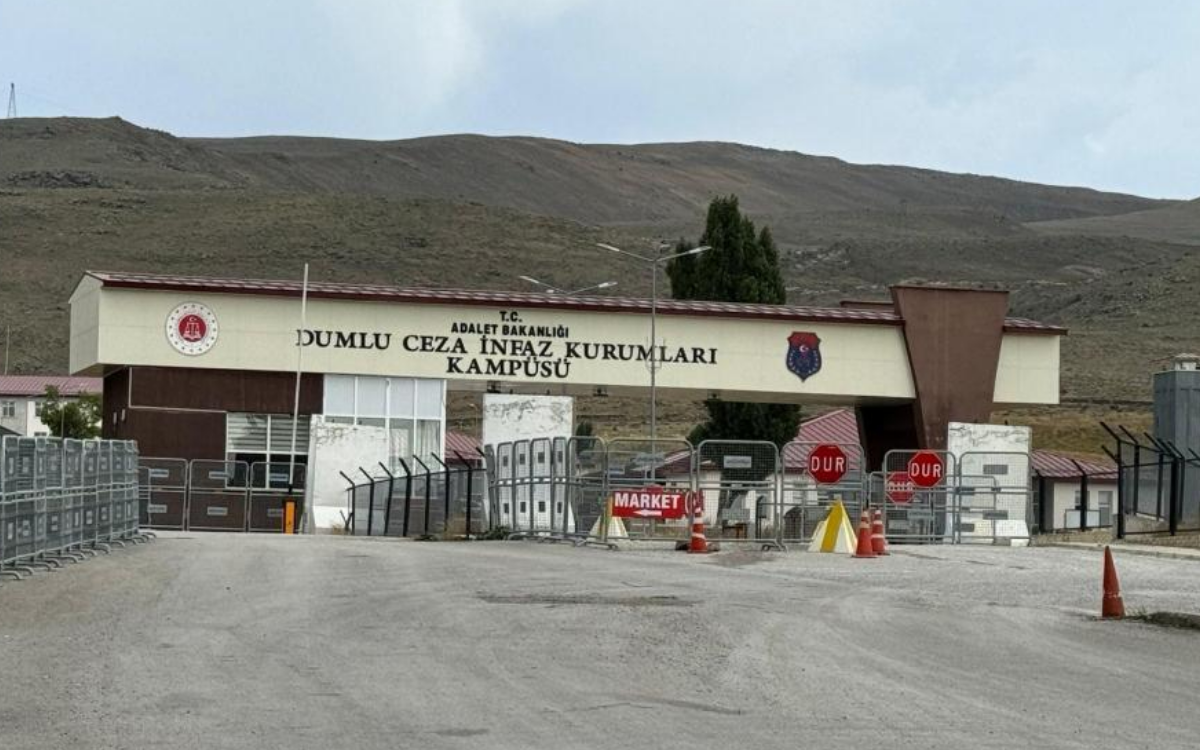



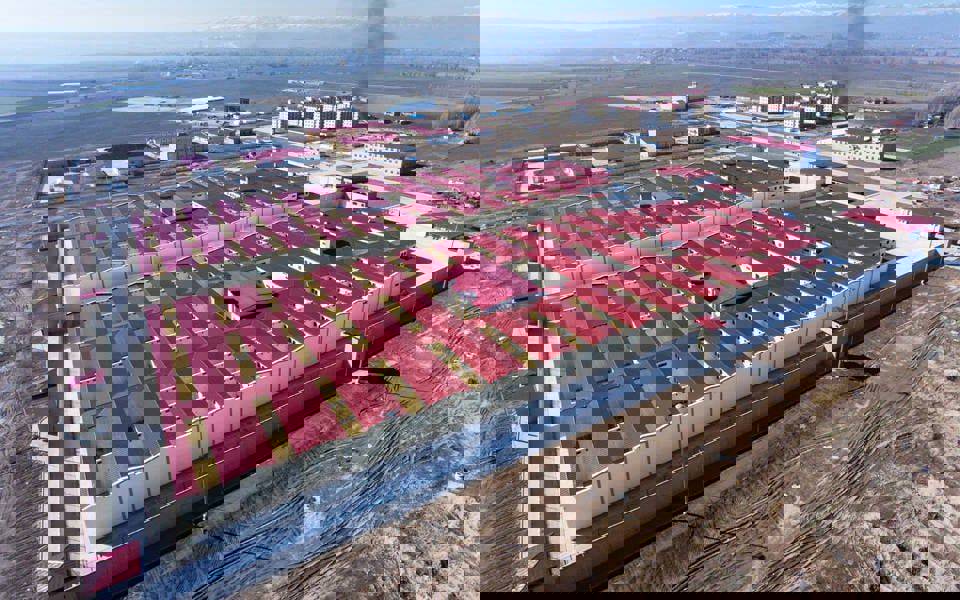
Erzurum Dumlu No. 2 Penal Institution, one of Turkey’s high-security prisons referred to as “well-type” facilities by prisoners and rights advocates, continues to face serious allegations of rights violations. Prisoners say the isolation they experience goes beyond the cells' narrow, windowless, and dignity-defying architectural design and the prison administration’s practices further deepen violations. According to prisoners, these abuses are growing more severe and have become systematic.
One of the most striking issues reported by inmates is the malfunctioning heating system, which has been out of order for a long time without repair. In Erzurum, one of Turkey’s coldest cities, the lack of heating is a major health risk. Prisoners say the building does not heat adequately, and the outdated radiator system is insufficient. Despite frequent complaints, no action has been taken so far.
Prisoners have no one to address their concerns
Two inmates serving aggravated life sentences contacted the Civil Society in the Penal System Association (CISST) to report the violations. They said the prison’s appointed spokesperson, responsible for listening to inmate grievances, forced them to speak while standing. They also stated that their complaints had been forwarded to 15 different institutions, none of which had responded.
The prison administration reportedly punishes inmates under various pretexts, often by restricting or denying their rights. For example, refusing to participate in social activities can lead to penalties. Inmates say that even not taking the distributed bread has resulted in their two-hour daily outdoor time being halved.
Two prisoners on hunger strike against ‘well-type’ prisons reportedly near death
Inmates also report that prisoners not serving aggravated life sentences are held under similarly isolating conditions. While inmates convicted of the same offenses are placed in different units, those in the same unit have their visitation rights restricted—not officially, but in practice, through the scheduling of visits on different days.
Prisoners argue that these conditions intensify isolation, violate human dignity, and fall short of international prison standards. They call on authorities to take action.
Violations
Prisoners listed the following additional problems:
They are subjected to four body searches each time they enter or exit the outdoor yard.
All areas outside the sleeping quarters are under constant surveillance, erasing any sense of privacy.
Communication with other inmates is heavily restricted.
The windows are covered with wire mesh, blocking fresh air and sunlight.
Hygiene conditions across the facility are very poor.
There have been no workshops, courses, or any kind of production activities for the past two to three years.
They cannot physically access the library and can only request books from a list.
The meals are insufficient, monotonous, and often greasy. Vegetarian inmates are not provided appropriate meals.
The psychosocial support unit treats inmates as “criminals” rather than offering actual support.
Hospital referrals are irregular, and inmates are forced to undergo examinations in handcuffs.
Seven windows of isolation
Violation of Mandela Rules
Heval Zelal Avcı, thematic expert on aggravated life imprisonment at CISST, referred to the European Committee for the Prevention of Torture (CPT) and the United Nations’ Mandela Rules. According to these standards, access to sunlight and fresh air is a basic right. Blocking windows is considered a violation of human dignity and the prohibition of ill-treatment.
Avcı emphasized that these practices constitute violations of fundamental rights:
“There is neither sufficient space nor time provided for cleaning cells, ventilation, or exercise. This puts inmates at risk of health issues and infectious diseases. Long-term isolation and restrictions on sports and social activities severely damage prisoners’ mental and social well-being.” (AB/VK)