



There are many ways to describe the founder of the Mediterranean Conservation Society: the architect of Turkey's first community-managed marine protected area, the tireless guardian of Gökova Bay for over a decade. But perhaps the most accurate description comes from his own words: "We stand against the outlaws of the sea."
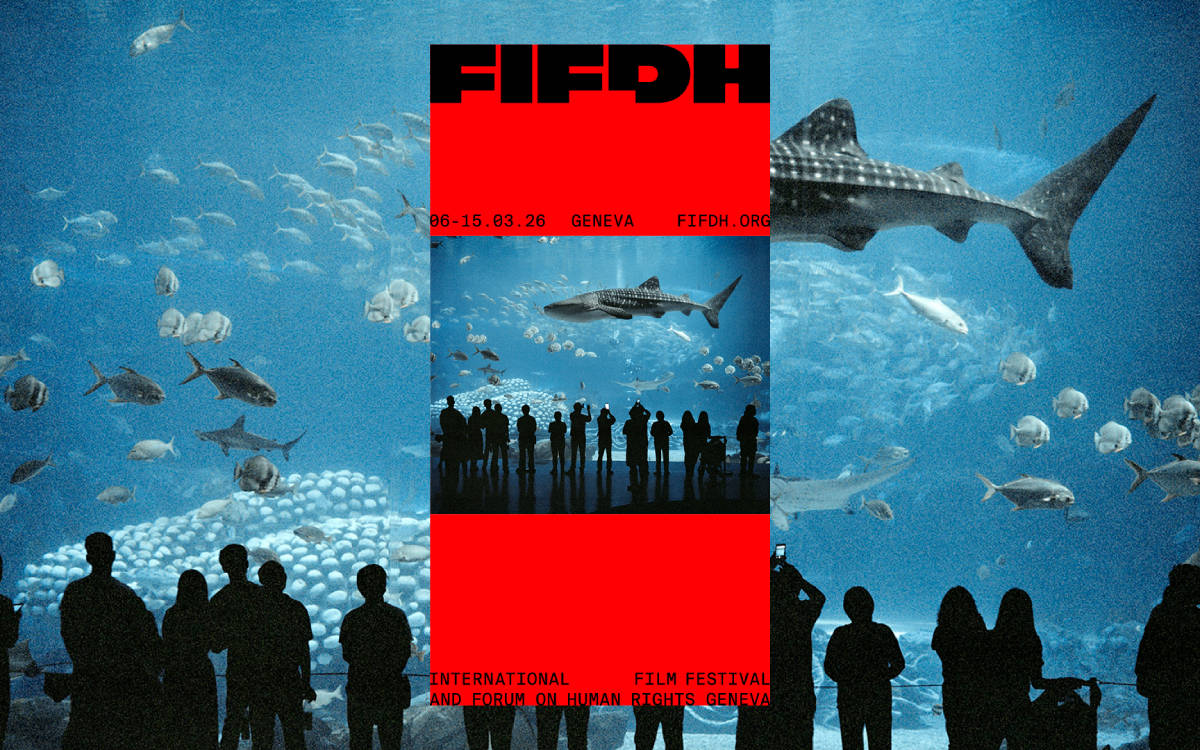
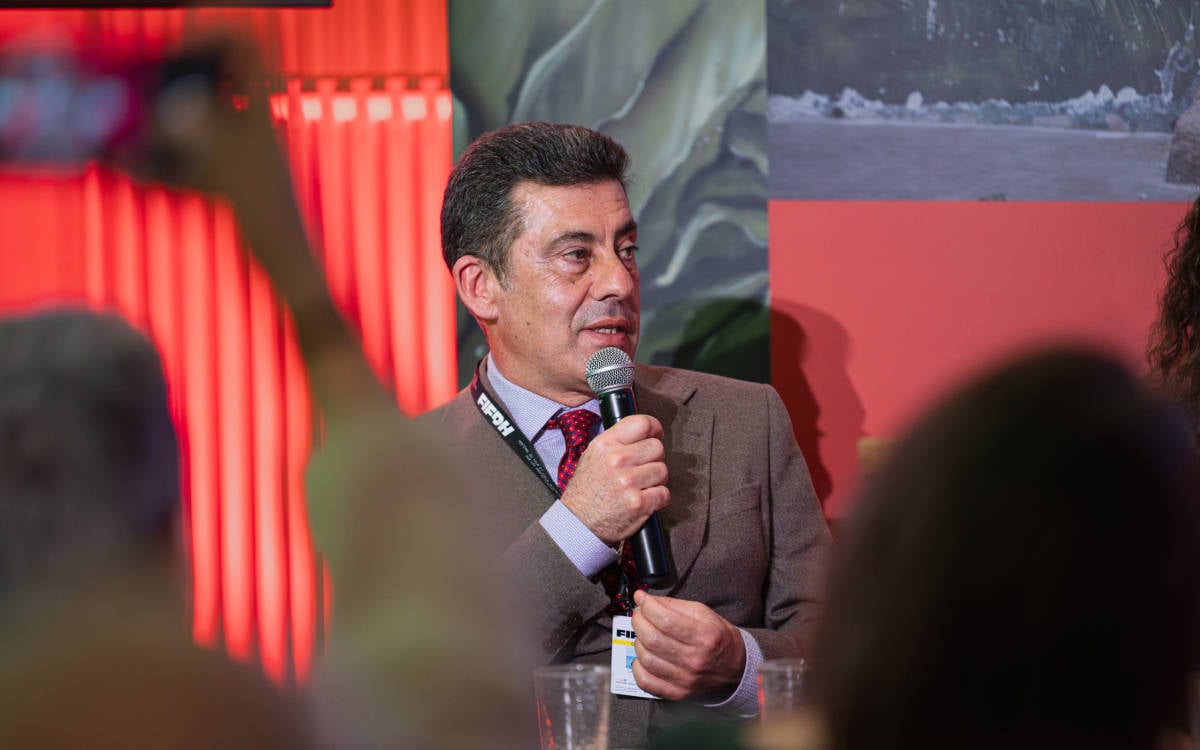
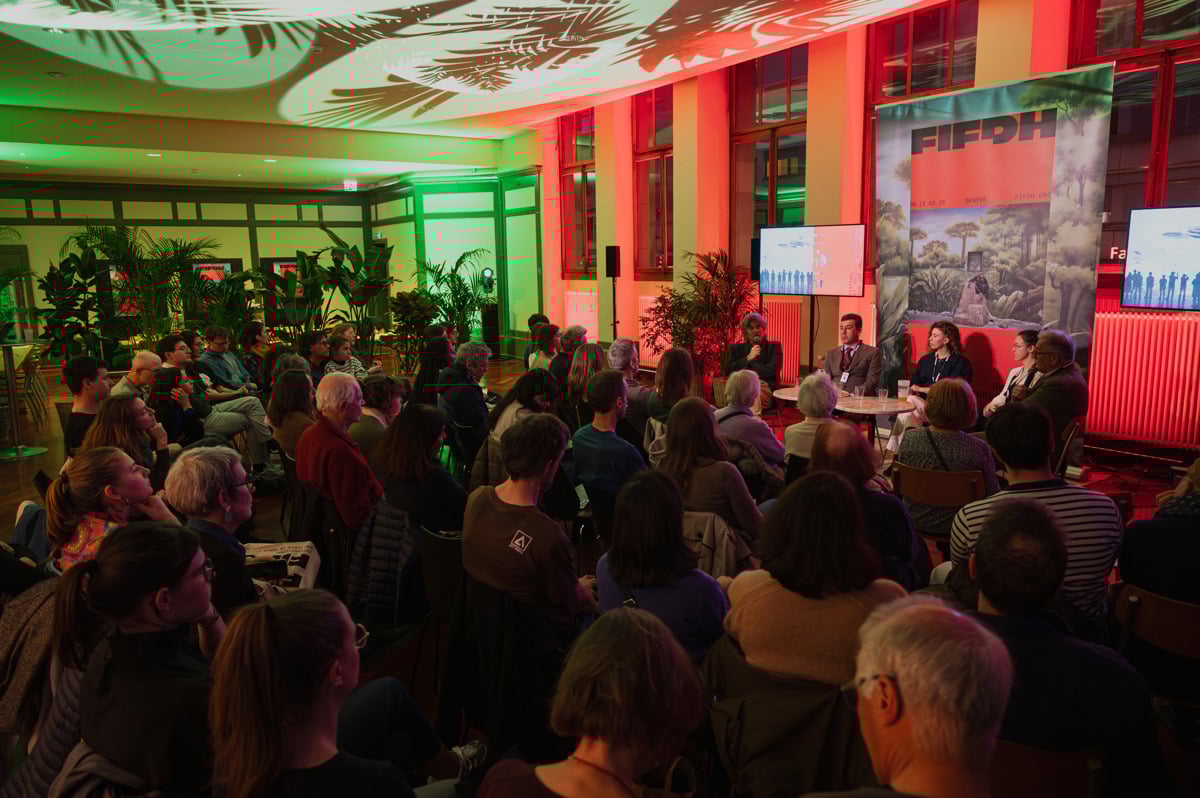
Kızılkaya attended the International Film Festival and Forum on Human Rights (FIFDH), held in Geneva from Mar 6 to 15. He spoke at the forum titled "Rewilding the Earth." This year's festival theme is resisting authoritarianism, and Kızılkaya's story intersects with that frame in an unexpected place: not banners but boats, not slogans but data, not streets but the sea.
It all started with a seal. While working as a researcher and photographer for National Geographic across Asia-Pacific, based in Indonesia, he returned to Turkey, or was pulled back. A young Mediterranean monk seal found on the shores of Gökova, later named Badem and adopted by the Koç family, brought him home. During the seal's rehabilitation, his close friend Mustafa Koç called: "Yours is out there playing with the children in a schoolyard. We need to do something about this." Kızılkaya left his work in Indonesia and returned.
He was shocked by what he found beneath the surface of Gökova. "Unbelievable, as if a nuclear war had happened underwater, everything was gone," he says. A major Spain-National Geographic study conducted at the time reached the same conclusion: Gökova was the bay with the lowest fish biomass and the most degraded ecosystem in the entire Mediterranean. That same year, small-scale fishermen lost seventy percent of their income.
In 2010, he secured the declaration of Turkey's first no-take marine protected areas, convincing fishermen one by one. In 2012, he founded the Mediterranean Conservation Society. The founding meeting was held on the late Mustafa Koç's yacht. The first patrol boats were lowered from that same vessel.
Kızılkaya is a civil engineer. He approaches marine conservation through that lens: there is a problem, there is a solution, implement it. "Street protest alone is not enough to bring change," he says. "Sit across from the decision-maker, lay out your data, present your alternatives."
Today MCS is the only civil society organisation in the world that patrols day and night. Nine boats, 5 active rangers, one of them is woman. Kızılkaya's observation about female rangers is striking: men engaged in illegal fishing tend to push back against male rangers; when a female ranger issues a warning, they go quiet. A cultural reflex, but it works.
The rangers are actually selected from among the fishermen, which means they know the sea and fishing, they understand the instincts and reflexes of local fishermen. In a way, we created a new local employment model. There are children now who say they want to be a ranger when they grow up.
The results are visible in numbers: fish biomass in protected areas increased tenfold, and small-scale fishermen's income in Gökova rose by three hundred percent. But Kızılkaya's deeper concern lies elsewhere: the tropicalisation of the Mediterranean. The Eastern Mediterranean is warming at four times the global average. Invasive species entering through the Suez Canal from the Red Sea now make up eighty percent of the total catch in some areas. By 2030, more than thirty percent of fish biomass in the Mediterranean will be invasive species.
MCS approached this problem the same way: turn invasive species into an economic opportunity. The process began in 2015 with a small tasting festival organised with a local chef, where four hundred kilos of fish were cooked. "People said they didn't like it before tasting it, then they were convinced," says Kızılkaya. The randall's bream became an overnight star. The lionfish was first spotted in 2015 as a single small specimen; within three to four years it had spread everywhere. A collaboration that began with renowned chef Mehmet Gürs grew to include Maksut Askar and others. Each fish is presented with its story: which fisherman caught it, when, where. Thirty restaurants now serve these species, and around twenty tonnes have been sold over the last four to five years. Last month Kızılkaya spotted lionfish on sale at a Migros supermarket in Ankara for 475 lira per kilo. "I had no idea. I suppose that means it worked," he says.
A voice for the fish...
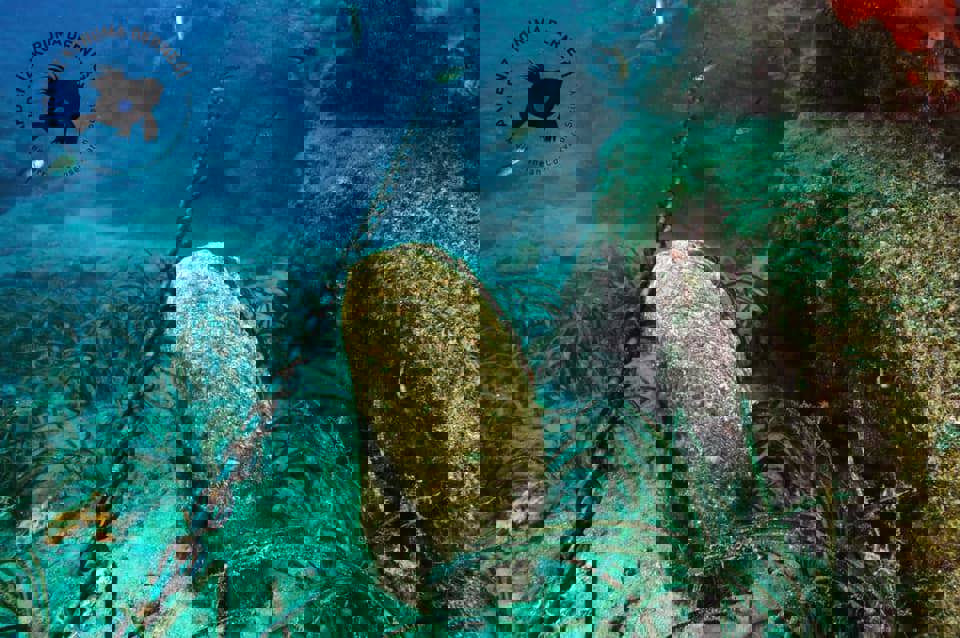
There is something even harder to bear: he witnessed the extinction of a species before his eyes. The world's largest bivalve, the Mediterranean-endemic pinna nobilis, was rapidly wiped out in 2018 by a tropical disease originating in the Red Sea. "We were all busy saying let's protect the seals, let's protect this, let's protect that, and then pinna, the world's largest mollusc, was gone. Nobody could do anything." He adds: "Being a voice for the fish falls to a handful of people like us."
Yet giving up never crosses his mind. He quotes Sait Faik: "Because I considered writing such an important thing, I had decided to do nothing else." He adds: "I considered protecting the sea such an important thing that I have done nothing else in my life."
Kızılkaya spoke at the forum alongside Marta Calix, ecological restoration officer at Rewilding Portugal, Camila Chebez from Rewilding Argentina, and Lionel Cavin, curator at the Geneva Natural History Museum. Former Patagonia CEO Kris Tompkins joined by video message. The forum underscored that we are at a critical juncture: the biodiversity we have already lost will not return, but we must continue working to minimise the accelerating impacts of global warming and the changes it brings to the natural world. We all need to ask ourselves what kind of environment we want , and act with that responsibility. A world emptied of species, or one we share with them?
What is rewilding?
"Rewilding" describes the process of allowing ecosystems degraded by human activity to heal by returning them to natural processes.
The concept was first proposed in the late 1980s by conservation biologist Michael Soulé and wilderness activist Dave Foreman. On land, it typically involves reintroducing lost species, large predators such as wolves and bison; at sea, it means establishing no-take zones and removing elements that harm ecosystems.
Zafer Kızılkaya defines the concept as "ecosystem restoration": "It is humans who cause the damage. If you restrict human activity, nature tries to renew itself. It comes back, slowly."
According to WWF, seventy-three percent of wild animal populations disappeared between 1970 and 2020.
Who is Zafer Kızılkaya?
• Civil engineering graduate of METU; MSc in Coastal Zone Management
• Researcher and underwater photographer in Indonesia for 4 years; National Geographic Asia-Pacific advisor
• Founder of the Mediterranean Conservation Society (MCS), 2012, Izmir
• Established Turkey's first community-managed marine protected area in Gökova Bay
• 2023 Goldman Environmental Prize, first ever recipient from Turkey
• Whitley Award (2013), Whitley Gold Award (2017), UNDP Equator Prize (2014)
(HA/MEÖ/VK)