









In a global landscape where independent journalism faces unprecedented threats, practices that have long been seen in Turkey are expanding to Western countries. Reporters Without Borders (RSF) Director-General Thibaut Bruttin, returning to Turkey for the first time in a decade, warns that some tactics honed by the Turkish government have effectively become a "matrix" now being replicated within Western democracies.
Bruttin delivers a sobering assessment of the global media landscape, calling for solidarity among press freedom defenders to counter a systemic, international offensive against public interest journalism. He also draws a sharp distinction between the unregulated concept of "free speech" championed by tech oligarchs and the rigorous, fact-based necessity of a "free press."
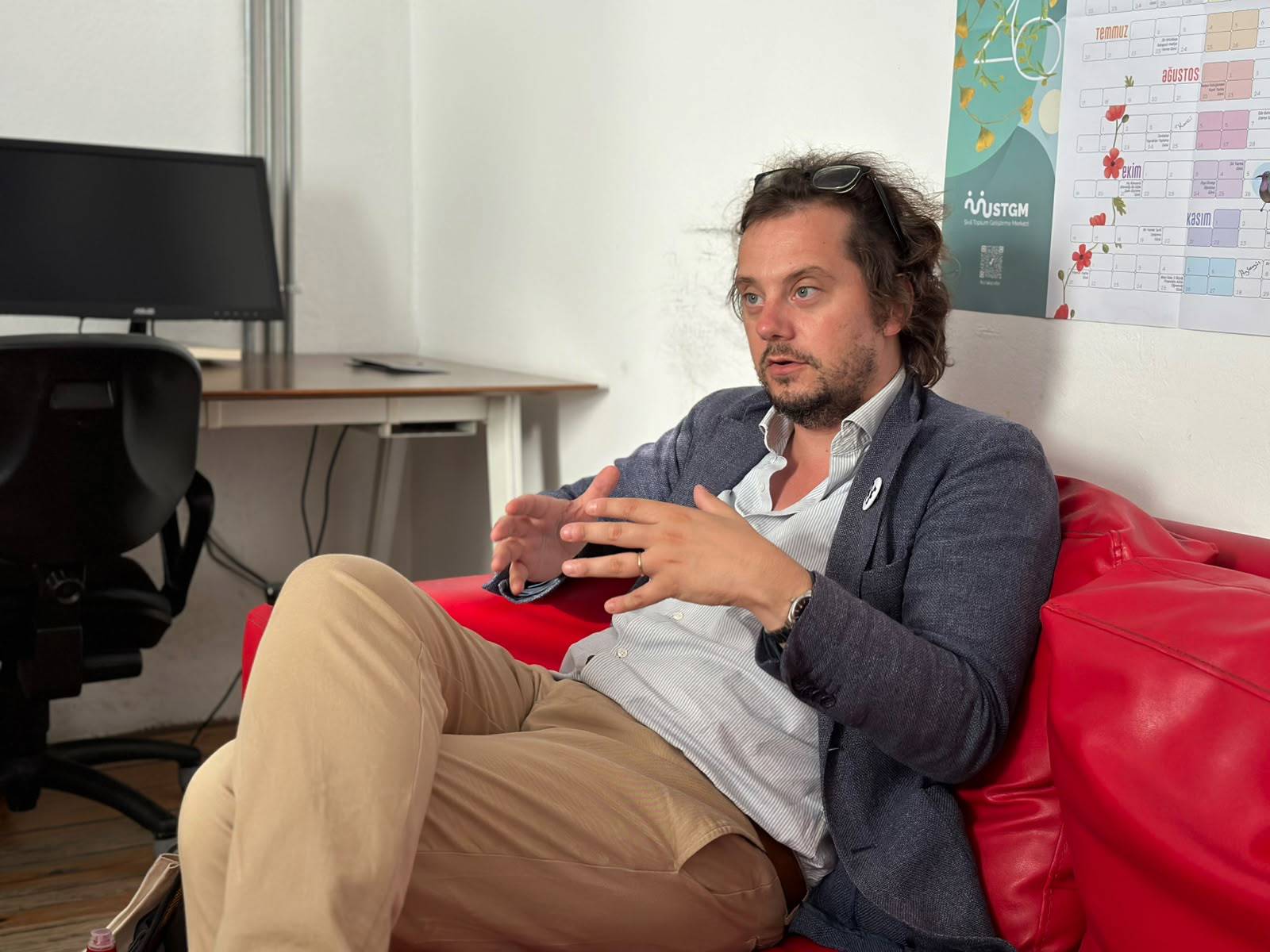
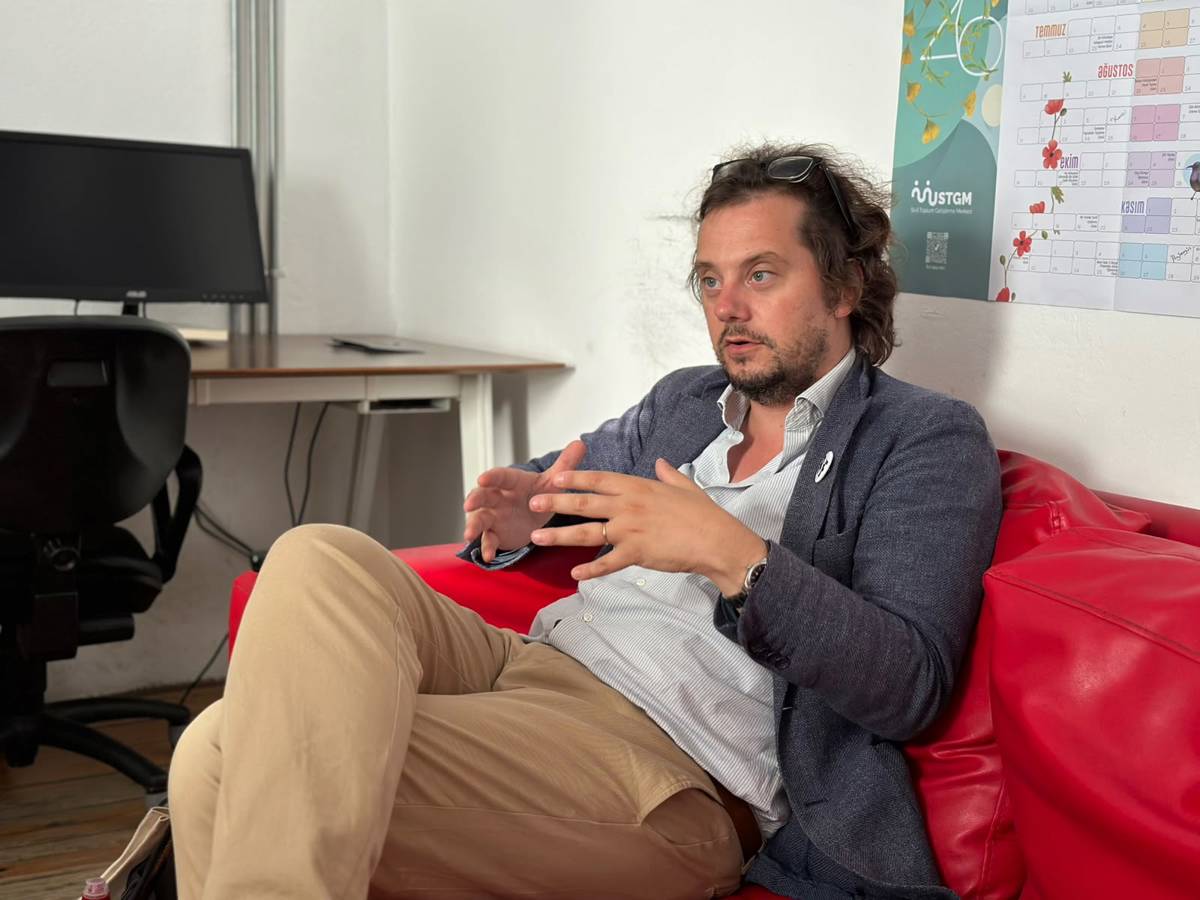
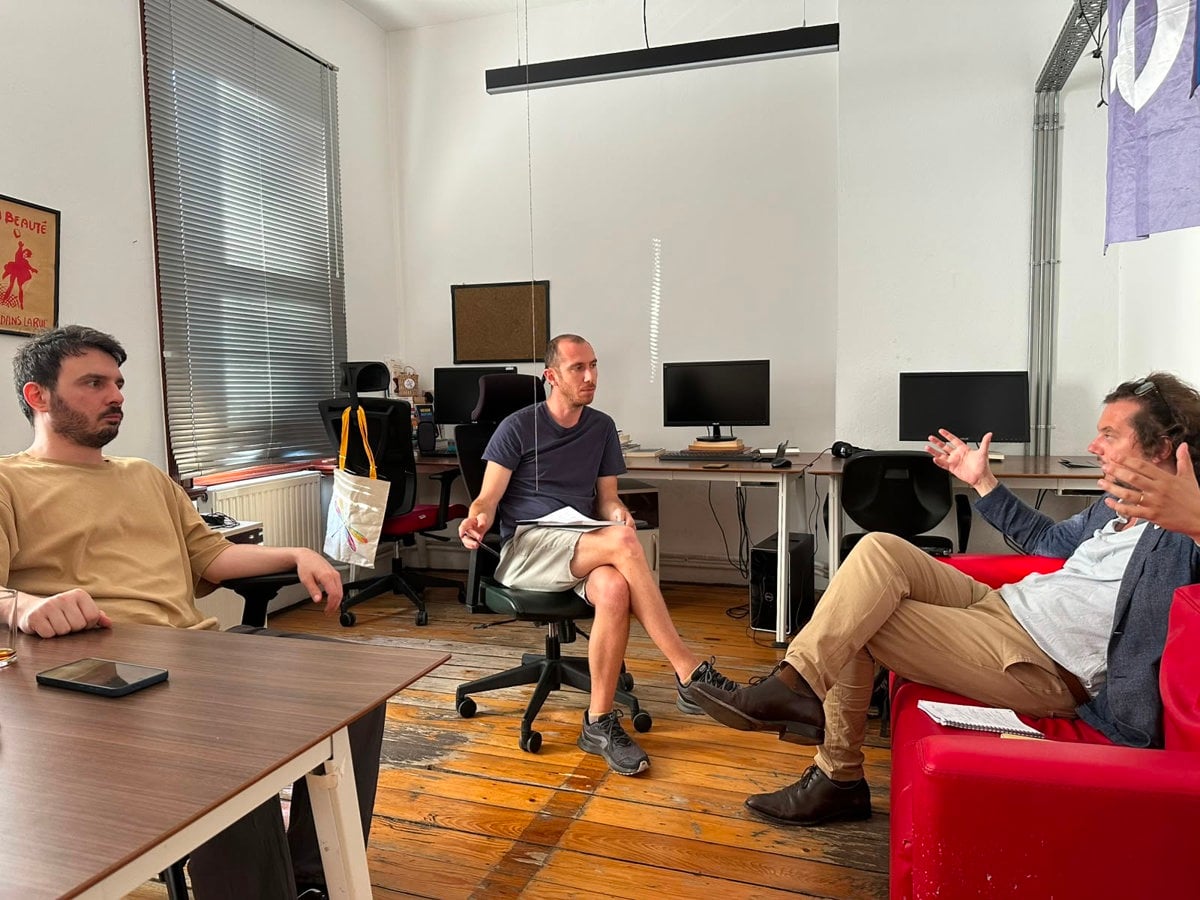
Bruttin answered our questions at bianet’s office in İstanbul.
‘If press freedom predators align, defenders should also align’
How does Turkey look from outside?
The RSF World Press Freedom Index gives a picture of where Turkey stands. And the picture is really bleak because Turkey is ranked in 163rd in 2026. It was at the 99th position back in 2002. So it's a sharp decline. Obviously, we owe that to the Erdoğan government and the policies that have been put in place. The WordPress Freedom Index measures the political environment, but also the legal context, the economy of the media, the safety and the social support or social demand to journalism. And I would say that on these five indicators, the situation is really among the worst in the world. So we're very concerned and we consider that Turkey could become really a priority in the coming years.
What do you think about a country neighboring the European Union and a candidate country being one of the worst countries in terms of freedom of expression?
In general, Europe is doing better than the rest of the world in terms of press freedom. But the countries which are not members of the European Union are worse ranked than countries within the EU. And within the EU, we see a decline of press freedom as well. There have been killing of journalists within the EU. The Charlie Hebdo massacre, Giorgio Caraibas in Greece. We've seen Daphne Kovara Ganica in Malta or Jan Kusak in Slovakia. So I would say that the perspective of the World Press Freedom Index shows that there are global trends and unfortunately, we see a trend downwards. And Turkey to some extent is also a matrix of repressive policies that are being conducted within the EU or even in the United States. I mean, like the hostile takeover of media, which includes also using the brands of respected media like Cumhuriyet or other media that have been taken over and changed the editorial lines. We see also the way political leaders can discredit and smear journalists. All of that has been tested in Turkey way before it was implemented in some other countries. So I wish other journalists and media had paid more attention to what happened to Turkey in the early 2010s.
Do you think they are actively looking at Turkey and copying its playbook to curb free expression? Because sometimes it feels like that.
It feels like that. And to be honest, we know that repressive regimes talks to each other. China talks to Russia about how to repress journalists. Latin American dictators get together in order to do the same. This is why we need solidarity among the media community globally. If press freedom predators align, we should align as press freedom defenders. And too often there is rivalry in the sector and we were lacking this common feeling, which would be to the benefit of the cause.
Turkish government officials in the past criticized RSF reports for being politically biased. What is your answer to this?
Well, I think the Turkish government is politically biased. No, the RSF methodology is obviously very clear. And on top of that, if they want to do better, we can explain. Don't arrest journalists. Don't encourage the hostile takeover of media. Don't discredit journalists. If you do that, mathematically Turkey is going to go up in the index in the future. Don't blame the messenger. That's what I would like to say to the government: Just put in place policies that are compliant with what's expected of Turkey according to, for example, the European Convention of Human Rights.
‘Journalism is dying’
How do you see the difficulty of defending press freedom today compared to the past?
I think there has been a shift. When RSF was created back in 1985, journalists were getting killed and they're still getting killed. Israel is killing a lot of journalists and the Russian Federation is killing journalists in Ukraine as well. But today, there is not only that, but also journalism dying. There is a vision where no journalist is killed in a country, but all the media scene is controlled by a certain narrative that favors the government. And this is something we see to some extent in Turkey, and in other countries around the world. So we're concerned with the disappearance of public interest journalism as a driving force in public debate. That is what we're concerned with today. And that is something that didn’t exist 40 years ago.
So Israel has killed so many journalists and is still at the 116th place in the RSF index.
The index doesn't rank governments, it ranks countries. So if Israel kills journalists in Gaza, it is unfortunately Palestine that becomes a dangerous territory to be in. So we know that sometimes it is shocking that Palestine as a country that seems to bear the mark of the killings. But that's the reality. It's become one of the most dangerous territories on earth to be in as a journalist. But we take also into account the fact that people want to get Israel and other countries that are committing crimes against journalists down the index. So there are now questions in the index, which were included a few years ago, that affect countries that kill journalists. If Russia or Israel kills journalists, that will bring the grade of that country down as well. So it works both ways, but not to the same extent.
How all of these have changed the RSF's views on the safety of journalists?
For a long time we honestly thought that there was a decline of killing of journalists until the October 7th and the retaliatory war engaged by Israel. And it's very shocking to me even as a person to see the lack of solidarity among the profession globally and to see the lack of proper response from international stakeholders and governments that could put pressure on Israel. They didn't do anything. We've tried and really did everything we could in 2024 to get everybody to act. It was impossible to get consensus among the media industry globally. We had to wait until August 2025 and the killings of Anas Al Sharif and the bombing of the hospital, two bombings in less than a week, time of difference to manage to get about 500 newspapers at the same time publishing a statement in favor of the journalists in Gaza on September 1, 2025. To me, it's a disaster that it took so long for people to acknowledge that. Yes, there was a smear campaigntriggered by Israel. Also there were like some people that I don't think RSF should defend, which are like doing propaganda for Hamas. But we were not talking about that. We're talking about journalists doing their job and being assassinated.
The minute we managed to launch the campaign in September 1, 2025, the smear campaign almost disappeared. It just took so long to get everybody together. And then we just, I think, won to some extent. Israel is still continuing to shame one journalist here or there, but in general they have stopped the large scale shaming campaigns against journalism.
Maybe we failed to some extent as an organization, maybe I think it's also our responsibility. But the global media community failed even more. And frankly, I spent hours on the phone with editors in chief around the world saying ‘You should be siding with Palestinian journalists.’ And they were reluctant to engage.
When I work on the war in Ukraine, nobody asked me if journalists were really journalists. Maybe it's because they're white or European or whatever. But when working on Gaza, I was constantly asked in every interview if RSF was really talking about actual journalists or propaganda people. So the smear campaign of Israel has integrated into the media content to an unprecedented scale. I've learned lessons from that. And I hope media will not get fooled in the future. I hope.
Do you think safe spaces for journalists are diminishing around the world and how concerned are you about this?
There is a risk that we land with double standards. RSF, for example, has been very vocal about what was happening in Turkey, but the same things were happening in Western democracies. And we were silent in the 1990s, we were silent in the early 2000s. So there has been a shift in the organization's policies to really have a look seriously at what was going on within Western Europe. So the safe space for journalists never existed. But it's true that if ever there was some, it's shrinking. The basis of RSF is really showing what's happening, showing the gravity of what's happening, trying to find solutions and helping out journalists as much as possible. So that's a way maybe to restore the possibilities for some journalists to continue doing their work.
‘Free expression without shared reality is a farce’
What do you think about the direction the world is heading right now?
This year’s World Press Freedom Index year shows that it has never been that bad in a quarter of a century. The measure is the lowest ever in the history of RSF. Also by the fact that there is a global offensive against journalism. We have not solved violence against journalists. We have not solved the digital chaos we are in. We have the rise of authoritarian political figures that assault verbally journalists all the time. You got an economy of the media that is really broken, and there is distrust of the public, and these five crises are all intertwined. So we are already at the tipping point. And I think one of the reasons I'm really pessimistic is the fact that the United States of America is playing a very dangerous role with the way they talk about free speech, but they don't talk about a free press. And free speech, according to Donald Trump and his friends, is just a way to deregulate social media, to defund the media, to assault journalists to do whatever it takes to get down in terms of journalism. And the United States is declining super fast.
Where do you put the so-called tech oligarchs and their defense of free speech over free press in this picture?
Freedom of the press is very often perceived as a freedom from government, but in fact, if you let the market decide by itself, there will be no free press. So you need to have some safeguards in order to guarantee the existence of a free press. And we have not had public policies that address the challenges of the digital space, that fix the economy of the media, that safeguard journalism from unhealthy legislation or national security legislation. So that's what you get when you don't have a framework that favors journalism.
We think press freedom is an agency in the public interest, meaning newsrooms should be able to collect and disseminate facts, analysis, and commentary. But facts are the most important because the public has the right to know. Freedom of expression, even in international conventions, is more about the ability to convey your opinion, whoever you are. So they are two different things. What journalists do is professional work. It is a method. It is an ability to fact-check and to be held accountable by a court or by people who complain. That is not the same as freedom of expression as defined in international texts. So we need to demonstrate the value of a free press once again. People can talk about many things, and that is good, but it is more useful to have a conversation based on facts. It becomes a farce if you can say whatever you want but there is no shared reality and no evidence of what is actually happening.
What are your thoughts on the impact of AI and social media on journalism?
The economy of the media has been totally disturbed by the emergence of social media news aggregators and search engines, as well as the way we access news.
It's both a matter of sustainability and discoverability. RSF champions two ideas that there should be a must-carry provision for any tech companies to incorporate news content. Also that there should be a due prominence of newsworthy sources. For example, if you are JTI-compliant like bianet, you should get a bonus in the algorithm and be boosted. Not every voice is equal because it's a rigged algorithm in itself. We know for sure that X, for example, prefers controversy. What is the chance of journalism to emerge in that context?
We need to have bold public policies that recognize the added value of journalism. If not, people will always favor lies. They will always prefer strong opinions or shitty videos or cat videos. I love cat videos but you need also to make sure that journalism remains accessible and available. In Canada and Australia for example, there is no news content on the Meta tools it has been totally disappearing. They're not censored, but like Meta doesn't want to to get them into their products.
Hungary and Turkey
How do you think the decline in Western democracies will reflect on Turkey and similar countries?
The relationship between the press and democracy is not an easy one. There has been the birth of the professional press in the 19th century and the 20th century in most countries, including Turkey, because there was a move towards the vote of everyone. So the relationship between voting and having access to the press is an historical one. And what we're seeing now is that there are political forces, including Mr. Erdoğan's, which try to say that democracy is just the election. But what is an election worth if before you do not have a public debate, and if after, the majority overrules everything? So you need to have both a free press before and rule of law afterwards and a fair election. But what we are seeing now is that including in Western democracies, democracies is being reduced to the election that is not fair.
And there are so many ways to rig an election or to over-abuse the result of an election to serve your needs as a political force that we need to wake up. The example of Hungary is important. The example of Turkey is important. There are illiberal democracies, democracies that just focus too much on election. Election is number one, obviously. But really it goes hand in hand with the free press and rule of law.
So do you think the situation in Hungary has changed after the fall of Orban or will it continue to be an illiberal democracy?
Well, it's too early to say. They just got elected in April. I met the new team of the leaders. What we know is that there is a risk that they do exactly the same thing as Orban was doing. But I think there is also a possibility that they understand that they have to abide by the international standards.
Some of the statements made by Prime Minister Magyar about the public service media and closing it down were not compliant with the European Media Freedom Act. RSF has said that to Magyar. We have also said that to European Commission. And I think Magyar is fastly changing his mind because he wants to restore its relationship with the EU. So he might as well not antagonize the EU that early on by just breaking the the state media. But we acknowledge and we are in agreement with Magyar about the fact that there is a problem with the the state media. But how do you rebuild the public service media? It's a difficult question and it can't be done in one night by just closing down the media.
NATO summit and Turkey’s ‘unique’ methods
Next week, there will be a NATO summit in Ankara. Ahead of it, many people, including a journalist, were detained in a “terrorism” crackdown. On top of that, NATO has denied accreditation to all journalists except for those from pro-government and state media. What do you think about this situation?
We condemn this practice. We think it's a shame that NATO doesn't open up to a larger diversity of outlets and by doing that obeys in fact, Erdoğan’s policies in general.
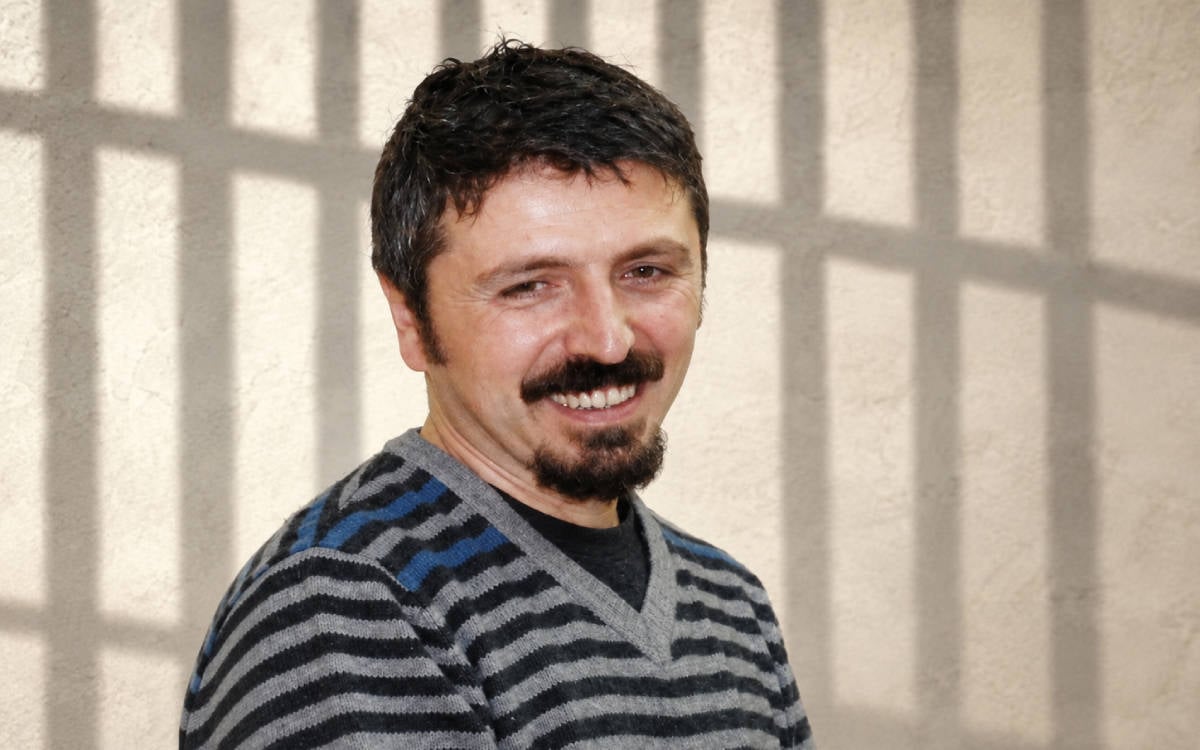
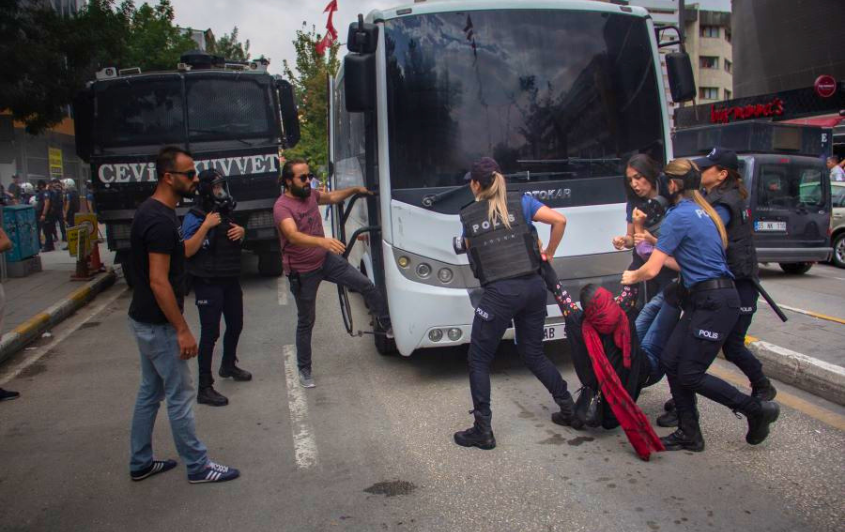
What is very specific about the Erdoğan government is this movement of preventive arrests and also bringing people to jail, to court, releasing them, keeping them on bail, under control. This has been implemented during the Erdoğan rule and we don't see that much around the world actually. It makes the monitoring very difficult and it gives a sense of constant threat on journalists all the time. And it's a problem for freedom of the press. It's also a human problem and I don't want to underestimate that. For example, our representative has been in trial for 10 years and every time there are postponements. So the weaponization of empty legal cases is just enough to put pressure on people.
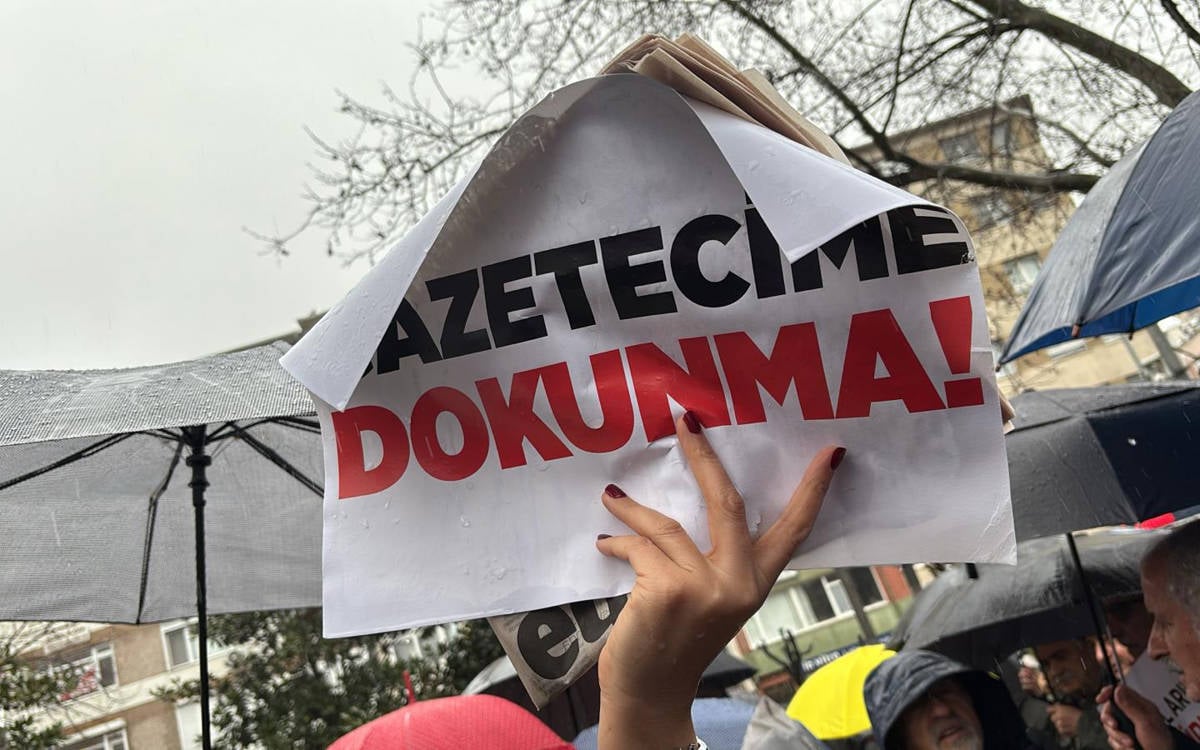
The jailing of journalists is what is talked about the most abroad, but this type of legal harassment also puts a massive strain on journalists’ lives, which is what we are trying to monitor and expose in our work.
That's cruel. I think it's nasty.
How do you compare Turkey today to a decade ago?
Well, Taksim Square doesn't look the same. The mosque is new, right? And there weren't fences around the monument like there are now. I haven't been back to Gezi Park yet, but I imagine it has changed as well.
That said, it is also important to praise the resilience of journalists in Turkey. You and so many others are doing a great job maintaining the media lifeline. In the last ten years, Erdoğan’s grip has tightened, and I think the self-censorship of journalists has increased as well
Turkey is really important in my life because I started at RSF in 2014 and just after there was a series of arrests of journalists in Turkey. And I was in charge of the campaigning for Can Dündar and Erdem Gül. And also there were French journalists who got arrested. Then there was Erol Önderoğlu’s arrest. Then there was the 2016 coup. So in my life as an activist, Turkey is the beginning. And I didn't want to go to Turkey afterwards because it reminded me so much of all that era. This is the first time I'm back in 10 years and I'm very happy to be there. (VK/HA)