.jpg)

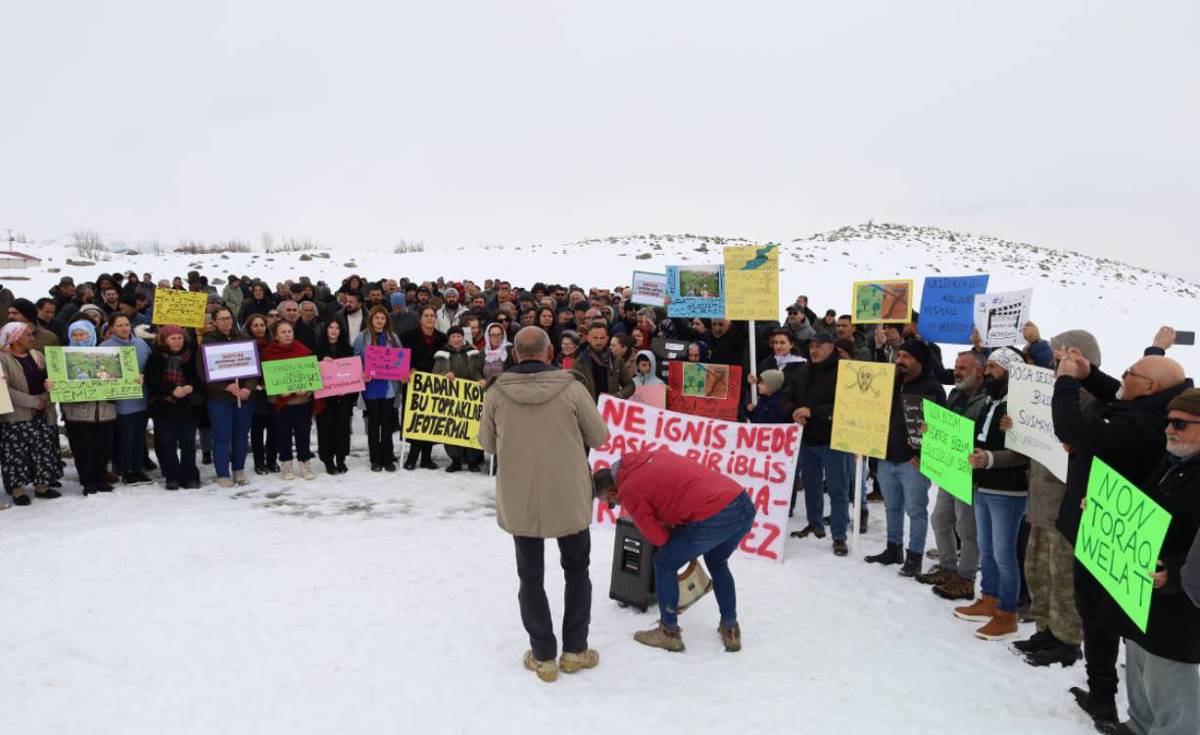



Two geothermal power plants planned by a US-based company in the eastern provinces of Muş and Bingöl are facing opposition from local advocacy groups, who say the projects would harm the region’s natural environment and settled way of life.
The plants, to be built by the IGNIS H2 Enerji Üretim A.Ş. company, will affect a total of 22 villages in the Varto (Gimgim) district of Muş and the Karlıova (Kanîreş) district of Bingöl.
Local residents say the project would damage their living spaces if implemented. The project area includes regions where livestock breeding and agriculture are carried out. They stress that this could negatively affect those activities and have major economic and social consequences.
The project could have not only environmental but also cultural and demographic consequences, according to advocary groups. Demonstrations have so far been held in both Karlıova and Varto against the projects.
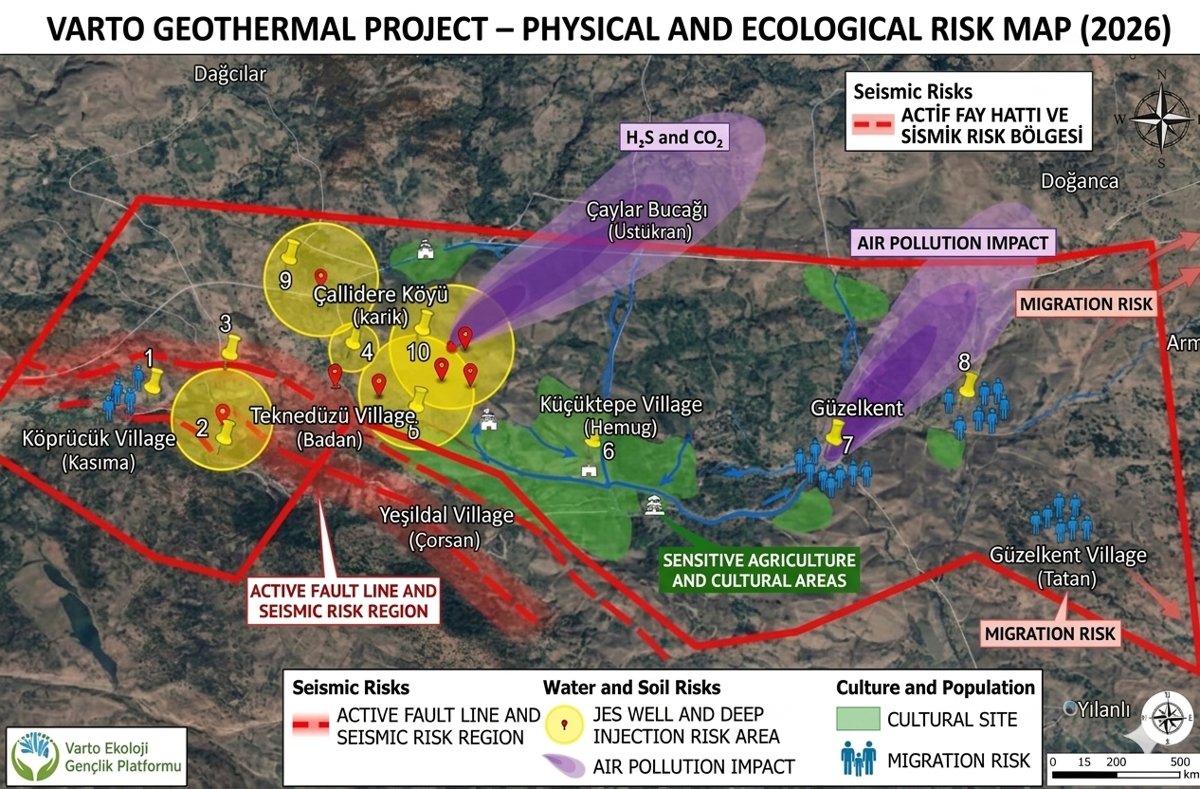
The Varto and Kanîreş Ecology Platforms were established to wage a social and legal struggle against the projects. The platforms have been actively organizing public information meetings and press statements to raise awareness among local residents about the process.
Under the project, the first drilling operations are reportedly set to begin in May.
Projects could trigger seismic activities
The fact that the drilling operations will take place on the Karlıova fault line has raised concern. Scientific warnings have also been voiced that high-pressure fluid injection used in geothermal operations could trigger seismic activity.
The Karlıova fault line is a triple junction in Bingöl’s Karlıova district where the North Anatolian Fault Line and the East Anatolian Fault Line intersect. Stretching east-west along the Karlıova-Bingöl-Göynük line, this region connects with the North Anatolian, East Anatolian, and Varto faults, forming a high-risk corridor extending from Erzincan to the Marmara region.
The Muş Governor’s Office Provincial Commission approved drilling work by the company “within the scope of a geothermal resource exploration project” on a 5,560.13-square-meter section of pastureland with a total area of 453,494.83 square meters.
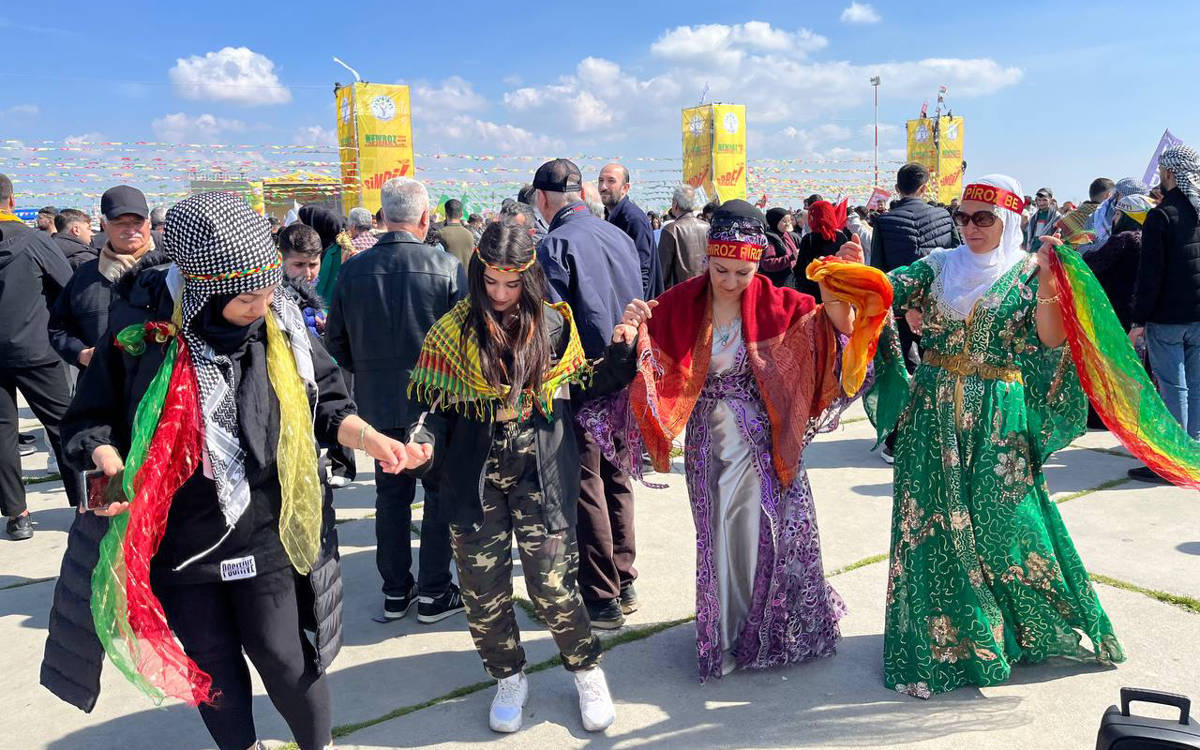
On Mar 24, a large demonstration was held in central Varto on the issue, and another large march is planned on the 24th of the month with the participation of people from Varto living in western cities.
Peoples’ Equality and Democracy (DEM) Party Bingöl MP Ömer Faruk Hülakü, DEM Party Muş MPs Sezai Temelli and Sümeyye Boz, and Republican People’s Party (CHP) İstanbul MP Doğan Demir submitted parliamentary questions, seeking clarification from authorities.
Speaking to bianet on the issue were Mehmet Harmancı, a local resident; Ali Rıza Vural from the Varto Ecology Platform; and Bahar Koç, a lawyer representing the villagers.
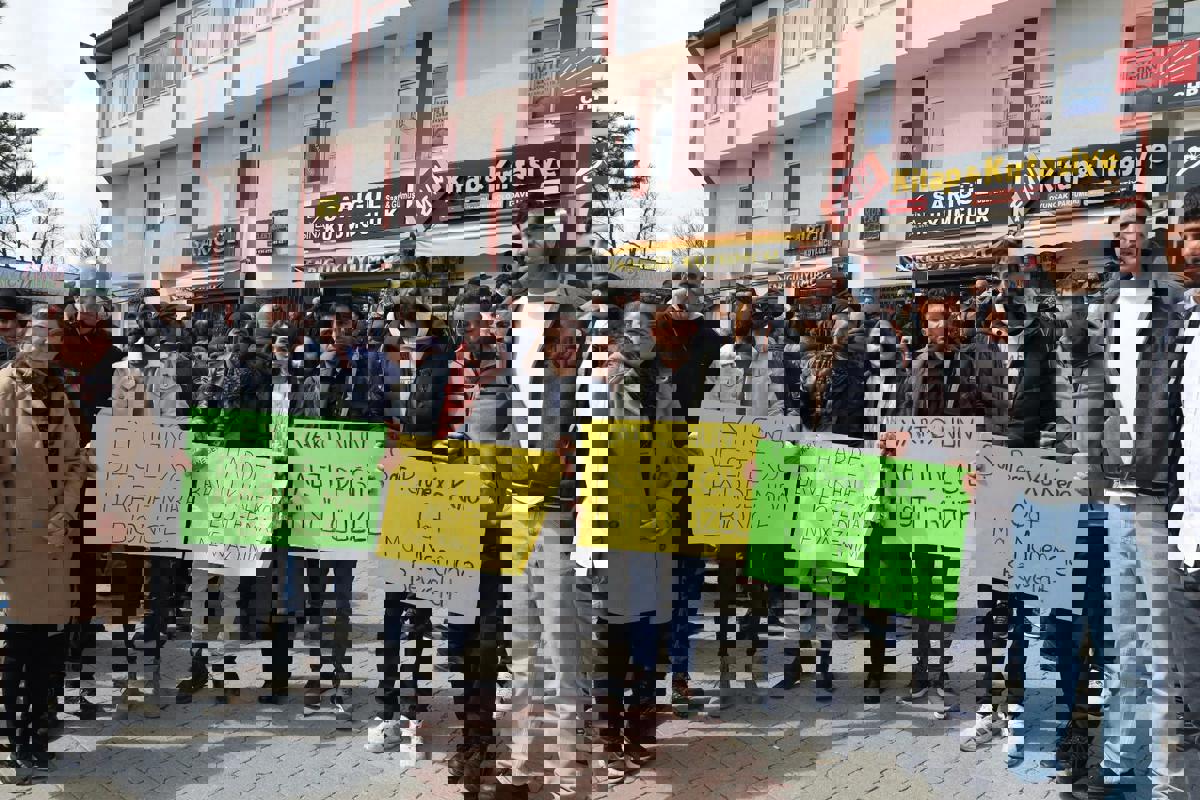
Research underway since 2023
Ali Rıza Vural from Badan village, a member of the Varto Ecology Platform, said that in 2023 one of the village headmen (muhtar) from the five villages where drilling was planned was added to the Pasture Commission without his knowledge:
“They called our village headman and asked him to come sign something. He went, but he could not really understand the documents placed in front of him. He also realized the atmosphere was quite rushed and that they were trying to pressure him into signing the papers quickly. So he called another village headman and said, ‘They want me to sign a document, but they are rushing me. Can you come?’
“His friends went there, and when they looked at the documents, they realized the issue was related to a geothermal project. So they did not sign the papers, drafted a written record of the situation, and left.
“After that incident, we learned the name of the company and began looking into it. When we did, we found out the company had obtained site licenses in five villages. A total of 10 drillings are planned in those five villages. It turns out the company has been conducting research in the region since 2023.
“When company representatives were carrying out research in the area, villagers asked them what they were doing. They gave answers like, ‘We are studying the earthquake fault line.’ At the time, people believed them and did not press the issue. During that process, they came and took soil and water samples. So in fact, they carried out serious work here and identified a reserve.
“In the meantime, they also met with certain individuals and institutions. They told them they had found a hot water reserve in Varto’s Çaylar area. They said their aim was to develop greenhouse farming, boost tourism by building thermal spas and hotels, and help develop the region.
“Later, we learned that the company would begin drilling work on May 20. So we took action immediately. We made our legal applications. Two representatives from each village gave power of attorney to the lawyers. While pursuing the legal process on the one hand, we also formed a civil initiative to strengthen the public response on the other. This is made up entirely of village headmen and villagers. We built an organization that is not under the direction of any political structure and relies entirely on the people’s own collective strength. By forming village committees, we created a democratic and participatory basis for struggle, and we are carrying out systematic and determined work in that direction.”
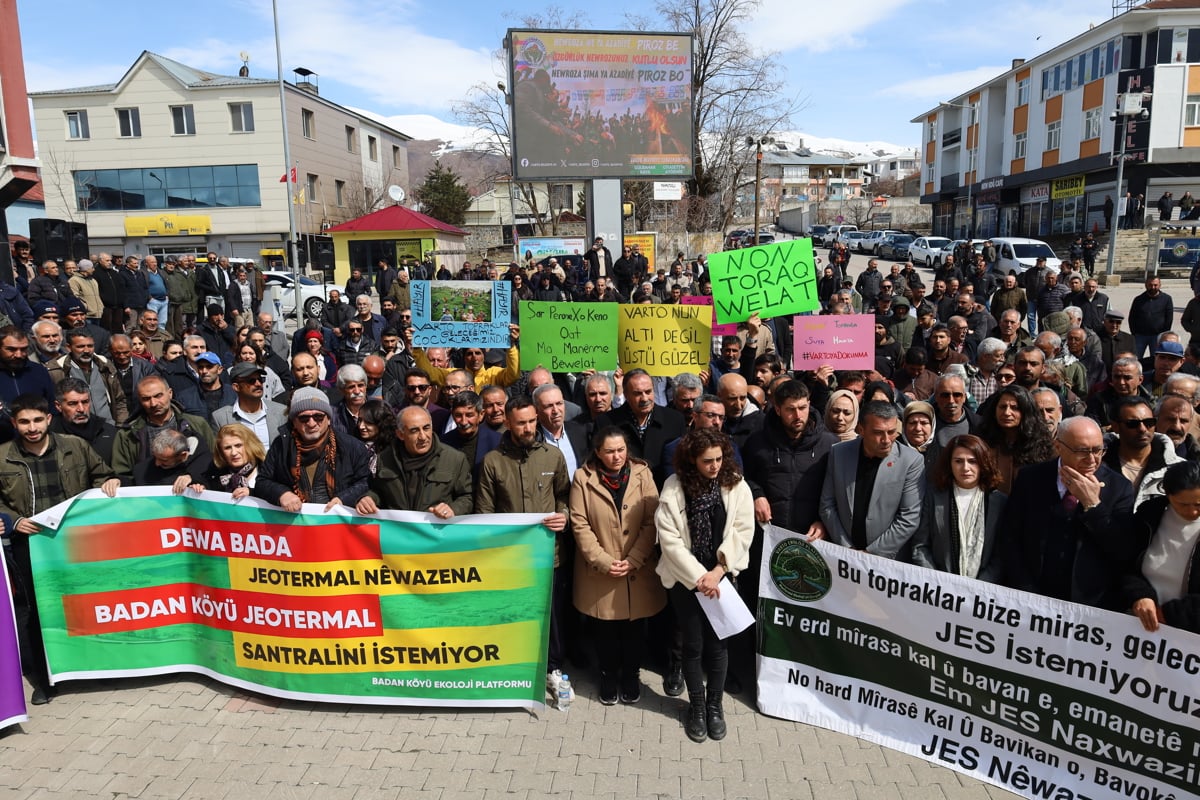
Struggle against 'ecocide'
Vural continued, saying the company had received a “no EIA report required” decision for all 16 villages:
“Mining exploration will also be carried out in some areas of these villages. Alongside the geothermal power plant project, they are also after rare earth elements. We can never allow this. Because this project directly threatens our living spaces. It carries the risk of completely destroying the ecosystem here.
“We believe these projects are intended to depopulate the region. We think there is an effort to destroy this area through large capital groups, especially foreign companies. Even if we lose everything, we will not allow this project to go forward. Even if we lose legally, we will continue our struggle on the ground.
“So far, we know that the companies have obtained site licenses. This is a license granted for research in the area. But in order to carry out drilling, they need to obtain an operating license. That license has not yet been obtained, but we know that efforts are continuing.
“Also, according to the information we have obtained, it is not only the IGNIS company. A Turkish company called MRT has also obtained a mining exploration license in the Çayçatı and Kaynarca area. It is expected to begin work there soon as well.
“The fact that the areas where geothermal exploration will be carried out are located on the Northeastern Anatolia Fault Line is another source of concern for us. This fault line stretches through Varto, Karlıova, Yedisu, and as far as Erzincan. It is said the drillings will go down to a depth of around 3,000 meters. The hot steam taken from that depth will be transferred through pipes to turbines. If those pipes are damaged in the event of an earthquake, extremely serious risks could arise.
“In addition, pumping the extracted fluid back underground under pressure could also increase the earthquake risk. On this issue, we rely on the scientific reports prepared by the Union of Chambers of Turkish Engineers and Architects. When informing the public, we also speak on the basis of scientific data.
“There are serious risks, such as gases released by geothermal operations spreading into the atmosphere, water resources being polluted, and the ecosystem being damaged. For this reason, all of us, women, young people, and the elderly alike, will continue our struggle against this project.”
EIA not required
Bahar Koç, one of the villagers’ lawyers, said they are trying to obtain the administrative decision from the Muş Governor’s Office, adding, “Once we obtain the administrative decision, that is, the ‘EIA not required’ decision as well as the decision related to the license, lawsuits will be filed.” Koç continued:
“Within the 15-day legal period, the administration, that is, the Governor’s Office, must also respond to this application. Since that period has not yet expired, our time limit for filing suit has not expired either. Once we obtain the administrative decisions, that is when we will formally be considered to have been informed of the process. Normally, when such a decision is served, published, announced, posted publicly, or otherwise made available, the relevant parties become aware of it and the time limit for filing suit begins. This process is subject to the expedited trial procedure, which means a lawsuit must be filed within 30 days. We are not yet at that stage. Our filing period will begin once the administration’s decision is delivered to us. Our lawyer has already submitted the application regarding this, and we are waiting to obtain the decision. After that, annulment lawsuits requesting a stay of execution will be filed regarding both the ‘EIA not required’ decision and the licensing issue.
“As for Varto, we are currently talking about a project covering 19 villages. The pastureland in our area, and I am from one of those villages myself, I am from Çalıdere village, includes a roughly 5,000-square-meter section of a 453,000-square-meter pasture where a drilling well is currently planned. But we have also heard that the project may later spread to a much wider area. They explain it this way: first, a few wells will be opened, and only if water is found at the temperature they want will a thermal power plant be built, and possibly the area expanded. At this point, however, this is only what we are hearing.”
'Habitat of thousands of animals will disappear'
Mehmet Harmancı, a resident of Kargapazarı village in Karlıova, said that in Karlıova alone, 18 drilling wells for the geothermal power plant project are planned on an area of 8,139 square meters in Kargapazarı village.
“In Kanîreş, six villages fall within the scope of the project, but it will not stop there. This project will affect dozens of villages and a large region. In Kargapazarı village alone, there are around 100,000 animals, both small and large livestock, and it is also an area rich in endemic plant species. Nearly all local residents in the region rely on animal husbandry for their livelihood. Building these plants here would mean the destruction of hundreds of thousands of living beings. It would mean ecological devastation in a region rich in endemic plants. In other words, what they want to do in the region is, in one word, a massacre. It is the destruction of living beings, ecological plunder.
"They want to depopulate and turn the entire area between the two districts into a desert. They are forcing people to migrate. Hundreds of thousands of living beings live in the region. The implementation of the geothermal power plant project would mean the destruction of all of them. The poisoning and contamination of water sources will cause the death of many living creatures. Together with the people of Gimgim, we will not allow this to happen. We will not allow our air and water to be polluted, our animals to be slaughtered, or our nature to be plundered. Our nature and our water are everything to us, our existence, our honor, our identity. We will protect them.
“We will pursue legal action, and even if that does not bring results, we will resist. We will stand against this with our entire existence, at all costs, and everyone should know that. Our work continues village by village. No one in the region wants these projects. I also want to add this information: as of yesterday, the EIA project for Kargapazarı, Kantarkaya, and Ilıpınar villages was approved, and a 30-day period has been given for objections.”
Statement from company
Ignis O2 Energy Inc. has published the following statement regarding the project it plans to carry out in Kargapazarı village:
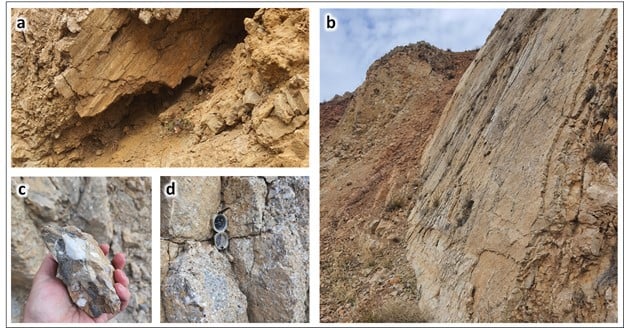
“Ignis H2 Energy Inc. established its Ignis Turkey (IGNIS) branch in the fourth quarter of 2023 and acquired four geothermal exploration licenses in Eastern Anatolia. One of these, the Kargapazarı license area, is located in the region known as the Karlıova Triple Junction. The strike-slip and extensional regimes in the Karlıova region were triggered by the collision of the Arabian and Eurasian plates with the Anatolian block in Eastern Anatolia, creating a complex volcano-tectonic and orogenic environment at the Karlıova Triple Junction (KTJ). Work carried out under the Kargapazarı license has mainly consisted of surface geology, stratigraphic and geological research, and water and rock sampling (Figure 4).
“Major fault systems such as the North Anatolian Fault Zone (NAFZ) and the East Anatolian Fault Zone (EAFZ), like continental transfer faults such as the San Andreas Fault, create significant circulation zones for geothermal fluid movement and form geothermal reservoirs with high secondary permeability. The Kargapazarı Segment is the most important fault segment within the license area, with various surface indicators of geothermal activity. (Figure 5).
“Ignis plans to conduct magnetotelluric (MT) surveys in the license area in the final quarter of 2024 in order to develop a conceptual subsurface model.”
About Ignis H2 Energy
Ignis H2 Energy was founded in 2021 and is headquartered in Houston, US. Backed by Geolog International infrastructure, it is a renewable energy company specializing in geothermal energy exploration, drilling, and development. In Turkey, the company is carrying out geothermal power plant projects particularly in areas such as Bingöl/Karlıova-Yedisu and Muş/Varto, and aims to use geothermal energy as a baseload source by drawing on experience transferred from the oil and gas sector. It develops sustainable energy projects in Turkey, including its İzmir office, across Europe, and around the world.
(AY/VK)




.jpg)