
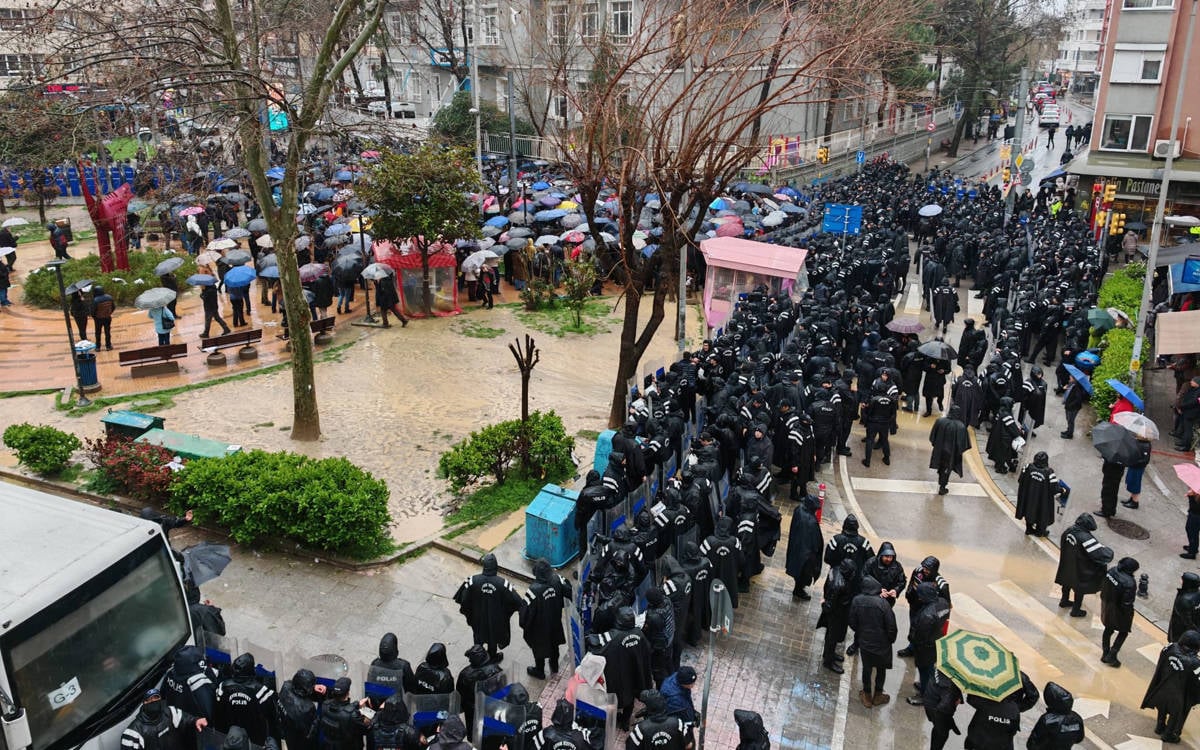



Turkey has long been undergoing a test of freedom of expression and press freedom. Journalists pursue stories, while the state deploys censorship, detention, prosecution, and judicial control mechanisms to stop them.
In recent weeks, the arrests of journalists Alican Uludağ and İsmail Arı in connection with their journalistic activities, and the imprisonment of Pınar Gayıp and Elif Bayburt for working at the Marxist-leaning ETHA news agency, have once again made an already bleak picture more visible.
However, the pressure on press and freedom of expression cannot be explained by these latest arrests alone. The real story is written in courthouse corridors, police station signature logs, confiscated passports, house arrest decisions, and endless investigations.
To tell this story, I spoke with three journalists: Tuğçe Yılmaz from bianet, Mehmet Aslan from Mezopotamya Agency, and Furkan Karabay from Medyascope. Their experiences differ, but the system of repression they describe is the same. In Turkey, journalists no longer just write news. They also testify, track hearing dates, try to keep count of the cases filed against them, and know that their doors could be knocked on after every new report.
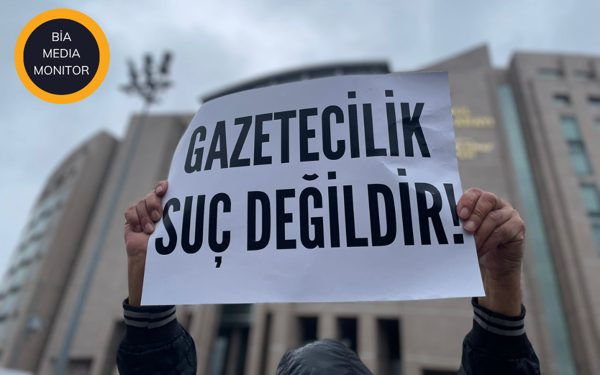
BİA MEDIA MONITORING JULY-AUGUST-SEPTEMBER 2025
Prolonged detentions and judicial control tighten pressure on journalists
Yılmaz: What we tell is your story
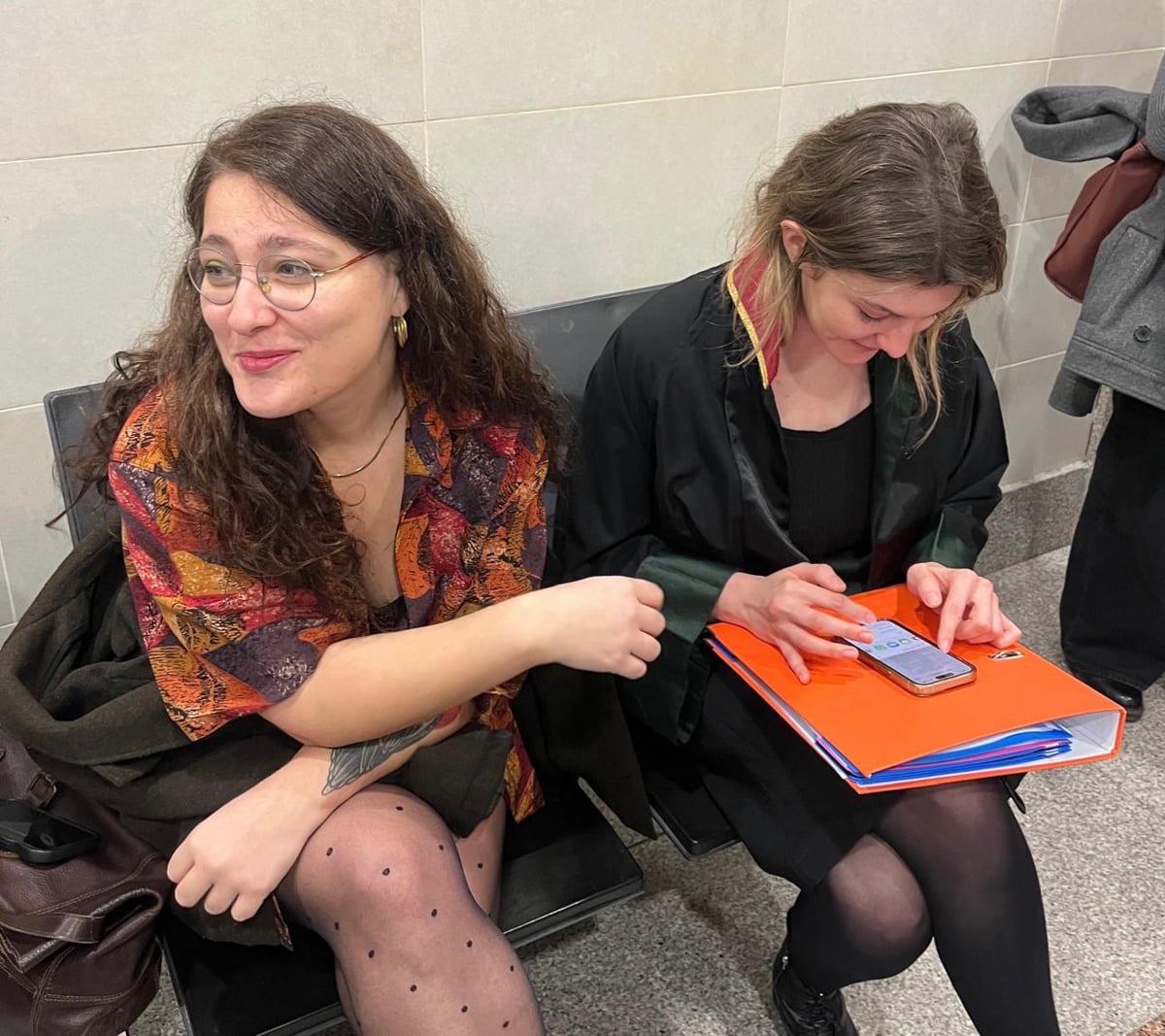
Tuğçe Yılmaz says that since the day she started the profession, she has faced police violence and legal threats. Since 2024, the pressure has become more systematic, more exhausting, and more all-encompassing.
Two separate cases have been filed against her, one over the royalties she received and another over an interview with Armenian youths in Turkey. For more than a year, she had to go to the same police station every week to sign in. There were times when she could not leave the city. Her international travel ban continues. Her passport has been confiscated. International meetings, panels, and travel, which should be a natural part of her profession, are now subject to legal permission.
“Since the day I started this profession, I have often faced police violence and legal threats. Since 2024, I have been in the middle of an endless legal process. Two cases have been filed against me, one on the charge of ‘aiding an organization' which has dissolved itself [PKK] because of the royalties I received for my work, and another under Article 301 of the Turkish Penal Code due to a report I wrote about Armenian youths in Turkey.
"At the first hearing of the ‘aiding an organization’ case, the requirement to report to the police station was lifted. But for more than a year, I went to the same police station every week to check in. During this time, I often could not even leave the city. My international travel ban is still in place, and my passport has been confiscated. I have not been able to attend international panels I am invited to for a long time due to my profession, and my freedom of movement is already being arbitrarily restricted. In any case, when we look at it, there are almost no journalists in Turkey who are not under judicial control measures.
"It is a fact that our colleagues who continue their work with the same enthusiasm and motivation as the first day, despite all the pressure, are subjected to much greater pressure. There is no need to distort this reality. Some of my friends whose reporting I follow with excitement are in prison, others are under house arrest. As those who judge us also know, this is heavy. But unfortunately, the practices that now seem ordinary to us have no legal basis at all.
"If today we are reporting on peace, if the highest level officials of the state are talking about ‘living together in peace and harmony,’ if we are discussing democracy and resolution, then the pressure on journalists must end immediately.
"But it is quite difficult for us to carry on this struggle alone. Our sources, our readers, political party representatives, and rights advocates need to stand with us so that we can practice our profession freely and protect our freedom of expression.
"Read our news, share it, follow our hearings, support our imprisoned colleagues in making their voices heard, do not leave them alone in prison. Only through this solidarity can we build the journalism we dream of and another world. Because what we tell is your story.”
Yılmaz’s words show that pressure on journalists in Turkey is not limited to detention. Sometimes punishment is imposed even without a prison sentence. Sometimes the state does not put a journalist behind bars, but instead narrows their space of movement, consumes their time, and damages their income and professional mobility. As Yılmaz puts it, today in Turkey “there are almost no journalists without judicial control measures.” This sentence alone is heavy enough to describe a country’s press regime.
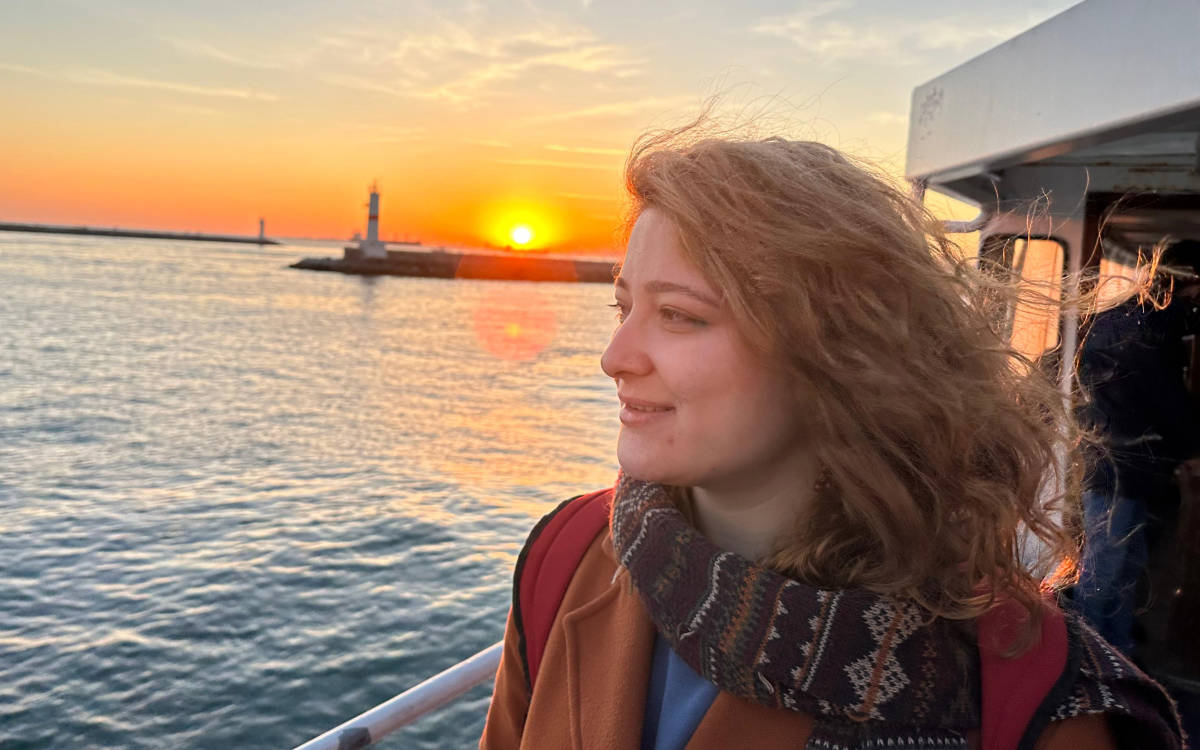
bianet reporter Tuğçe Yılmaz questioned over interview with philosopher Michael Hardt in ‘terror’ probe
Aslan: The organization no longer exists, but the cases do
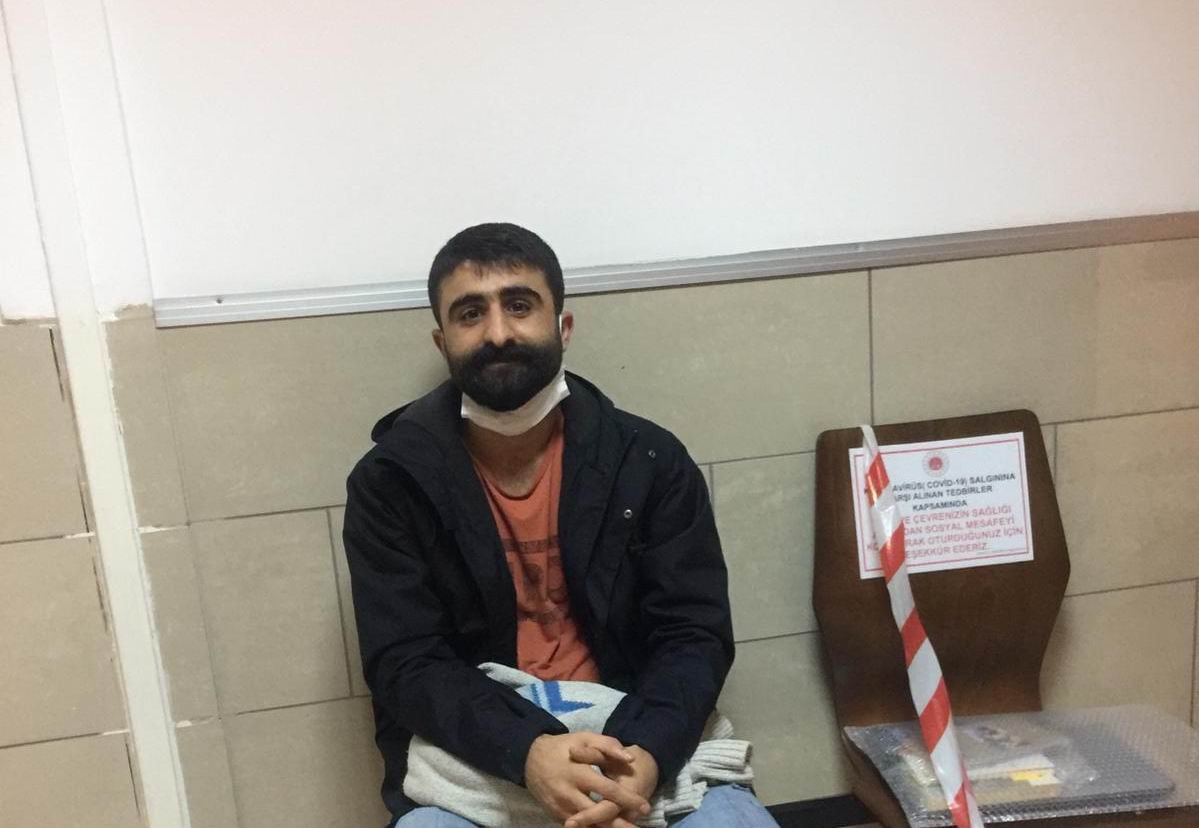
Mehmet Aslan’s account reflects the dimension of pressure faced by Kurdish media. Aslan says the state introduced him to the triangle of police stations, courthouses, and prisons in 2015, when he was just 20. After he began working at Mezopotamya Agency, police harassment spread to those around him, and that even people he interviewed and the owners of places he frequented were threatened.
“The state, since 2015, when I was only 20, forcibly introduced me to all the possibilities that could be experienced within the triangle of police stations, courts, and prisons. I was detained under torture and arrested for protesting the Roboski Massacre. I was released at the first hearing. Later, I was acquitted.
"While studying journalism in the faculty of communication, I started working as a volunteer reporter at Mezopotamya Agency, where I still work today, in my final year. As soon as I started working at the agency, police harassment began to spread to people around me, even to the owners of places I frequented. Some were threatened and no longer wanted to meet with me.
"In 2021, I was detained and arrested once again. I was held in prison for about five months, in conditions where one cannot fully describe the feeling without seeing or living it. This time, the reason for my arrest was the news reports I had written. The reports covered Abdullah Öcalan and political prisoners. I was accused of ‘being a member of the PKK,’ a membership I was not even aware of. Of course, I was later released and acquitted. In return, the state paid a small amount of compensation.
"Most recently, in 2024, I was arrested again on the same charge based on similar reporting. I was released again after a short time, and the case opened after this arrest is still ongoing. Before this case has even concluded, a new investigation was launched against me on the same accusation and turned into a case. These two cases were merged and are still being heard. Despite being acquitted twice on the same charge, I now face two more cases.
"I think the state already knows that I am not a member of the PKK. And if they do not, let me say it: reporting the news does not mean being a member of an organization. Moreover, there is no such organization as the PKK anymore, it has dissolved itself. But my cases are still ongoing.”
Mehmet Aslan’s story shows that even acquittal is not a safeguard for journalists in Turkey. Being cleared in one case does not prevent another from being opened. A court’s acquittal does not mean the state has given up. The process resets, the accusation remains the same, only the date changes.
According to Aslan, the core issue is the state’s desire to decide what can be seen, what can be said, and which truths can enter the public sphere. In his account, journalists who report on the Kurdish issue, political prisoners, violence, destruction, and denial are targeted for this very reason. The state is not only trying to silence a single report, but also to suppress the collective memory that report points to.
Karabay: The judiciary is not beholden to the law
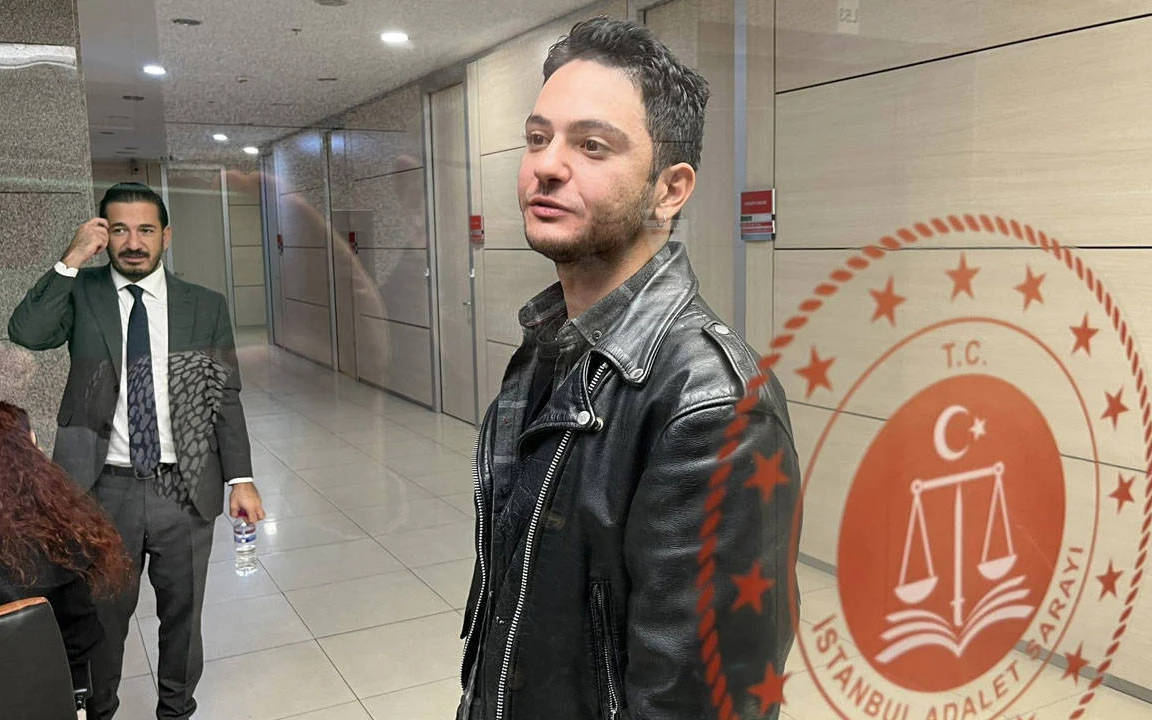
Furkan Karabay’s account reads like a numerical breakdown of the pressure. He has been detained five times, formally arrested three times, and spent about eight months in prison in the past couple of years. Most recently, he was placed under house arrest and given a travel ban. The number of compensation and criminal cases filed against him has reached around 50, according to his own account.
Karabay says that in all these cases, his journalistic work has been presented as a crime. The picture he describes is clear: the judiciary has turned into an instrument in the hands of political power, and journalists are among those most affected.
“I have been detained five times and arrested three times. In total, I spent about eight months in pretrial detention. After my last detention, I was released with a house arrest decision and a travel ban. I was kept under house arrest for two months.
"Although I do not know the exact number, the compensation and criminal cases filed against me have reached around 50. In all these processes, the reports I produced were brought against me as ‘crimes.’ The judiciary has now turned into a weapon instrumentalized for political power. The intensity of this judicial pressure has increased in recent years. Journalists are among those most affected by this judicial pressure. A politicized and instrumentalized judiciary can very easily issue arrest decisions, because the decision-makers have become people who are loyal not to the law but to others. We saw this most recently in the cases of Alican Uludağ and İsmail Arı. Journalists are being arrested for ‘spreading misleading information’ simply for doing their job, even when their reporting has been proven accurate and even awarded.
"Even when there is no insult or commentary, journalists are sent to prison on the allegation of ‘insulting the president’ based on their reporting and publications. This is because the judicial mechanism operates not according to the law or the constitution, but in line with the ambitions of political power.”
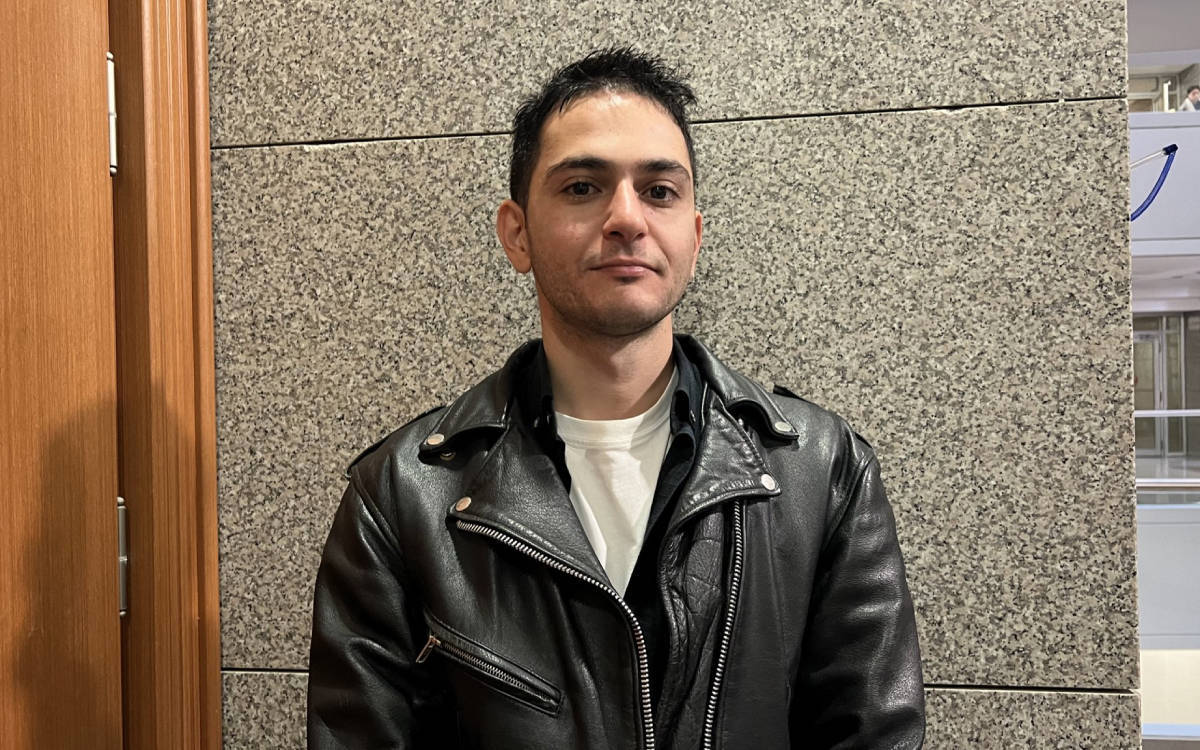
International call for release of detained journalist Furkan Karabay facing up to 15 years in prison
An indicator of a system of pressure
When the testimonies of Tuğçe Yılmaz, Mehmet Aslan, and Furkan Karabay are considered together, what emerges is not just individual victimization, but a comprehensive system of pressure.
In Turkey, what punishes journalists is often not only a conviction, but the process itself. Detention becomes a message. Arrest turns into intimidation. Judicial control suffocates daily life. Passport bans cut off professional mobility. House arrest makes it impossible to follow the news. Each new case forces journalists to spend their energy on their defense rather than their reporting. Even if a case ends in acquittal, years have already been lost. (HA/VK)