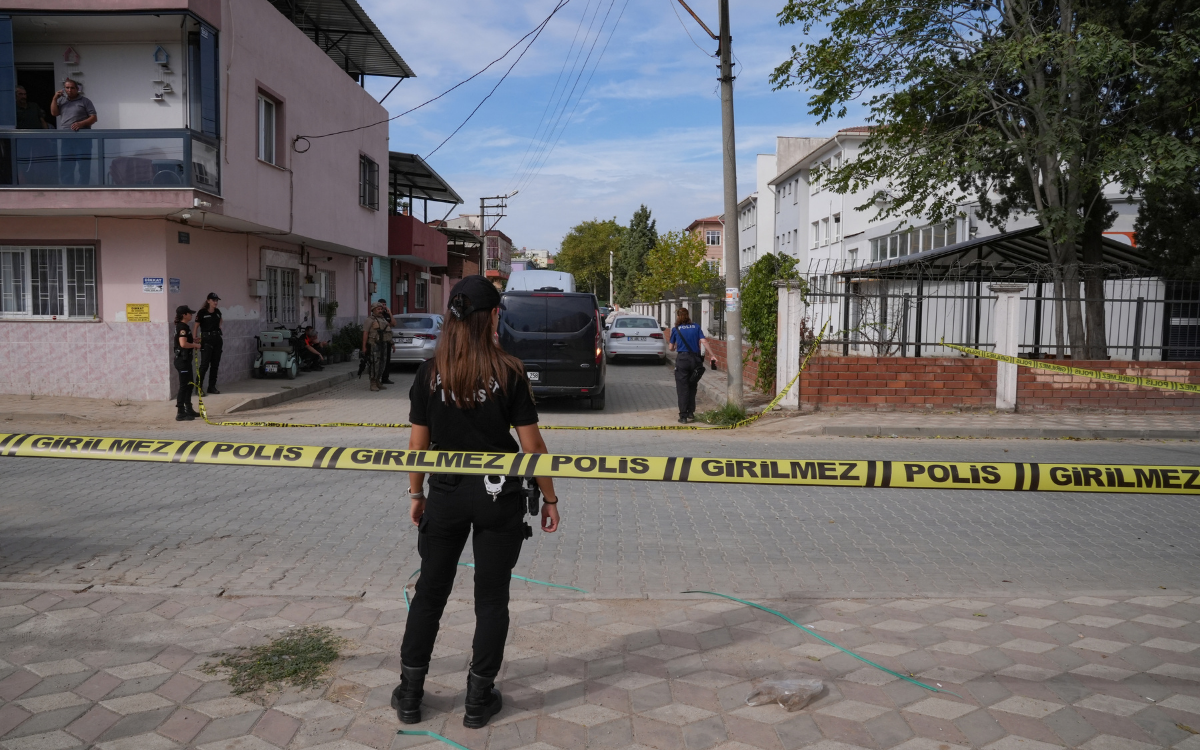








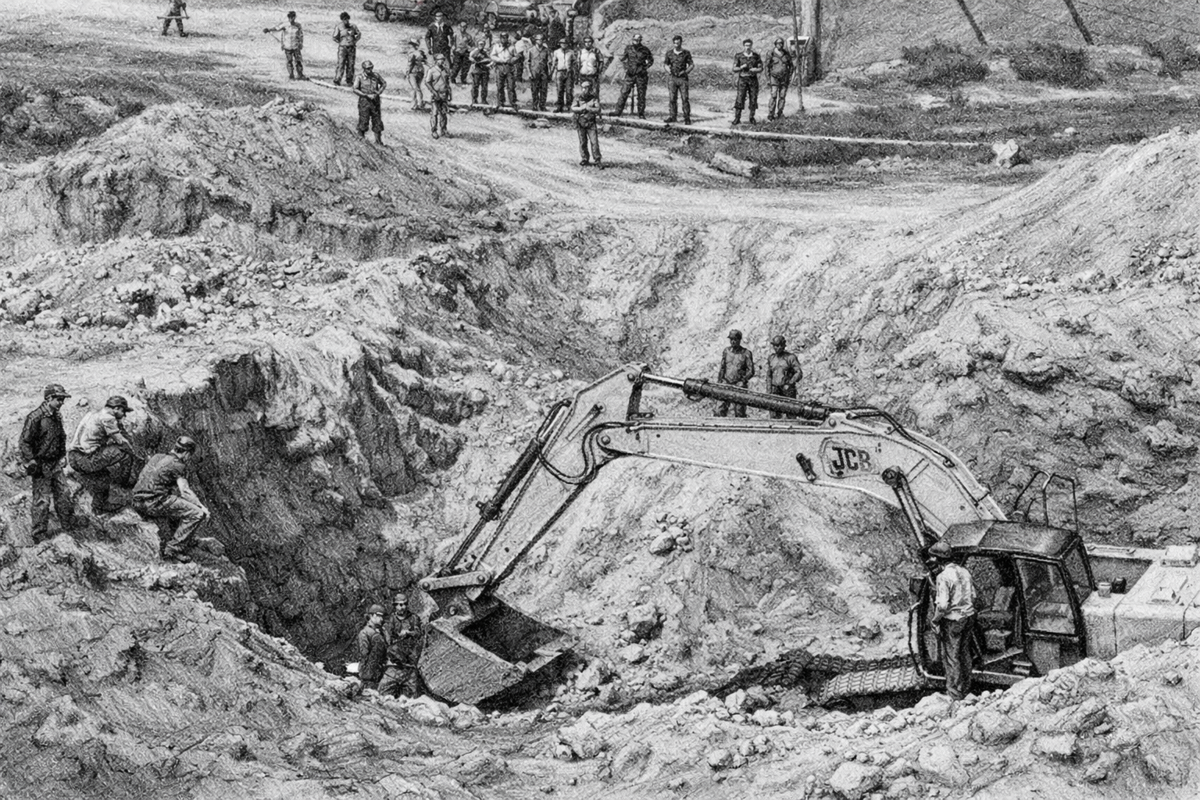



In May 2025, a shepherd discovered skeletal remains hidden beneath two stones in the Işıktan hamlet of the Dêrqam (Duru) rural neighborhood in the Lice district of the predominantly Kurdish-populated province of Diyarbakır. Despite forensic evidence confirming the remains belong to at least two humans, local authorities have issued a decision of non-prosecution.
The remains, found approximately 300 meters from a dry riverbed, were sent to the Forensic Medicine Institute (ATK) for examination. A report prepared by the Bone and Dental Examination Branch of the Morgue Department concluded that the bones belonged to "at least two individuals, one of whom was a child."
The ATK report noted that morphological changes in the bones—likely influenced by burial methods, animal intervention, and environmental conditions—suggest the deaths occurred about 30 years ago or earlier. While the report stated that no traumatic or pathological findings were identified to explain the cause of death, it confirmed the biological origin of the remains.
The estimated 30-year timeline coincides with a period of intense conflict and documented human rights abuses in the region, including thousands of extrajudicial killings and enforced disappearances.
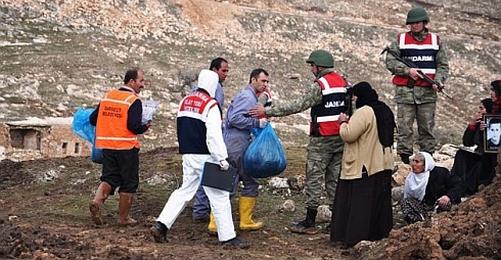
Eleven Skulls found in Dargeçit
Allegations of procedural violations
Following the discovery, lawyers from the Diyarbakır Bar Association, the Association of Lawyers for Freedom (ÖHD), and the Human Rights Association (İHD) petitioned the Lice Chief Public Prosecutor’s Office to launch an investigation.
However, the Prosecutor’s Office concluded the investigation with a decision of "no grounds for prosecution." The office argued that no suspects could be identified and, in a statement contradicting the forensic report, claimed there was "no determination that the bones were human."
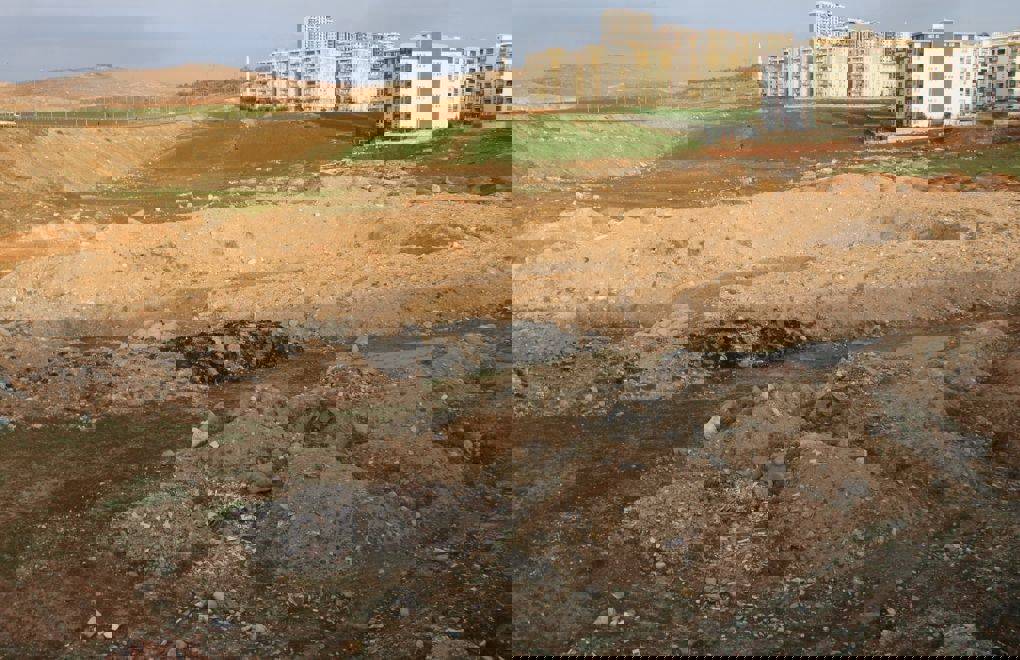
Kurdish, Armenian mass grave site in Siirt opened to development
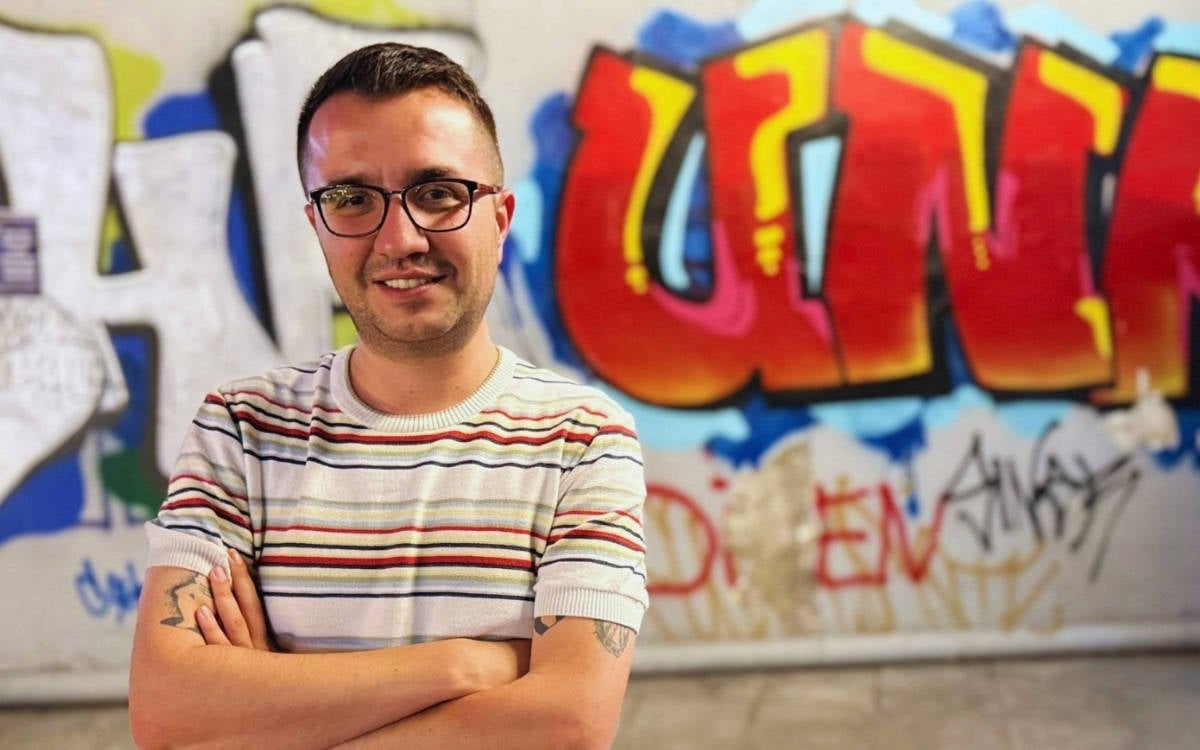
Berfin Elçi, an executive at the Diyarbakır İHD, criticized the decision as an attempt to avoid confronting the region’s history of "unsolved murders," alleging procedural violations that occurred during the initial recovery of the remains.
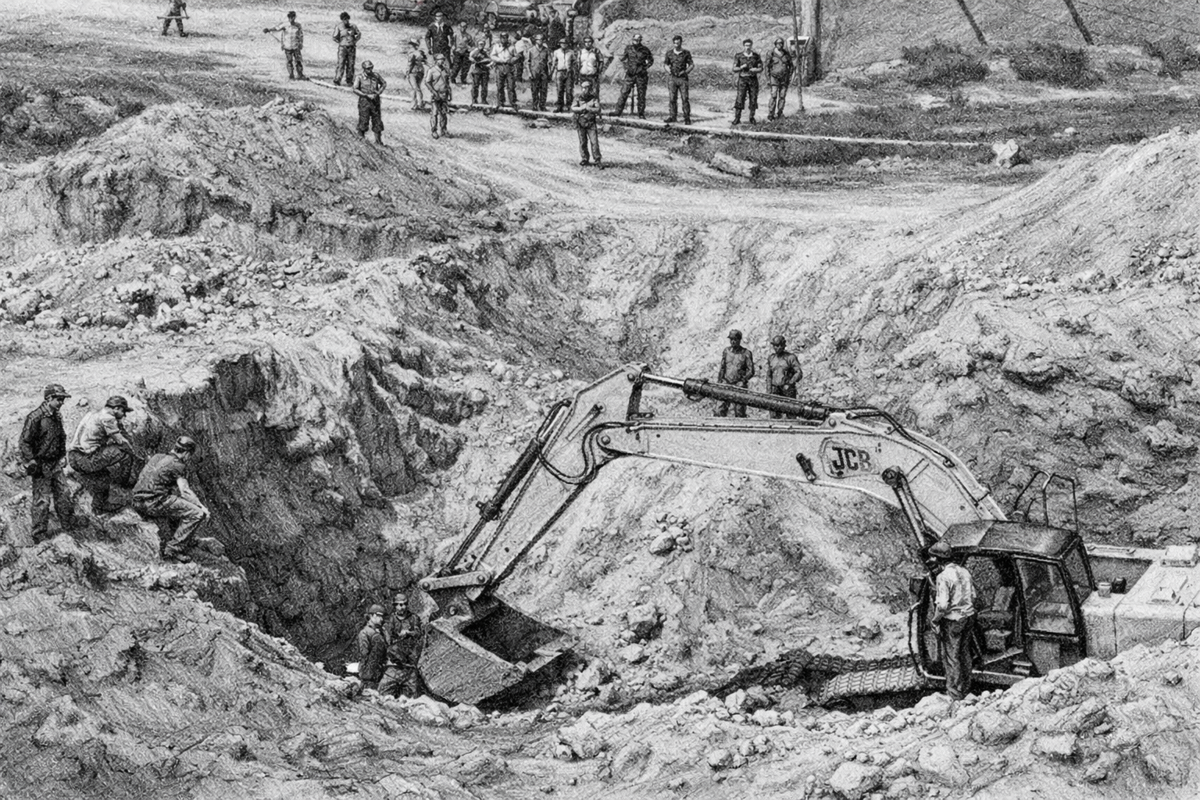
"Despite our objections, excavations were carried out with heavy machinery in a way that damaged evidence," she told bianet. "We witnessed a skull being crushed by a backhoe. Because of these violations, we requested more delicate work, but they instead halted the operation entirely and covered the remaining bones with soil."
Potential mass grave site
Local inquiries conducted by advocates suggest the site was never a registered cemetery. "We spoke with the oldest residents in the village, and there is no evidence of a former graveyard in that area," Elçi explained.
"This could be a mass grave. We only reached the bones of two people, but the entire area needed to be searched and examined," she added, noting that families of the missing have already applied for DNA testing.
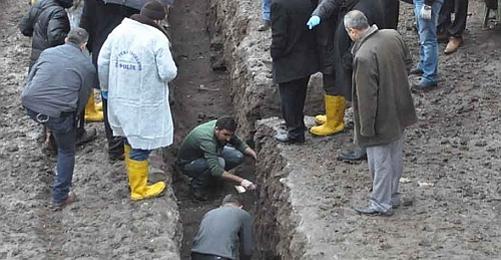
JİTEM Mass Grave in Diyarbakır
Appeal to the court
The three organizations have filed an appeal with the Diyarbakır Criminal Judgeship of Peace against the prosecutor's dismissal. The appeal lists several grievances:
The excavation on May 17, 2025, was conducted without a prosecutor or forensic expert present.
The use of heavy machinery led to the destruction of a skull and the loss of bone fragments.
The prosecutor’s claim that the bones were not human directly contradicts the ATK forensic report.
"The question arises: is something being covered up?" Elçi asked, announcing that the case will be taken to the Constitutional Court. "The identity of these individuals could be revealed through an effective investigation. Why is the evidence not being collected?"
(NÖ/VK)