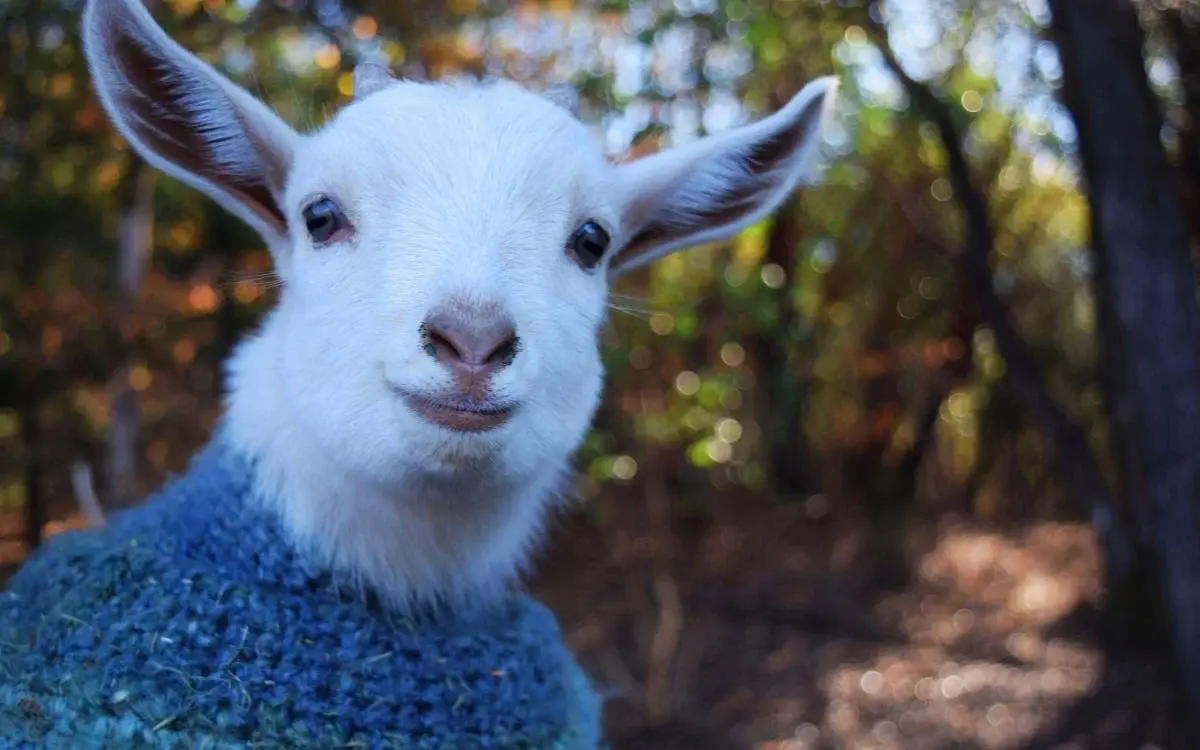

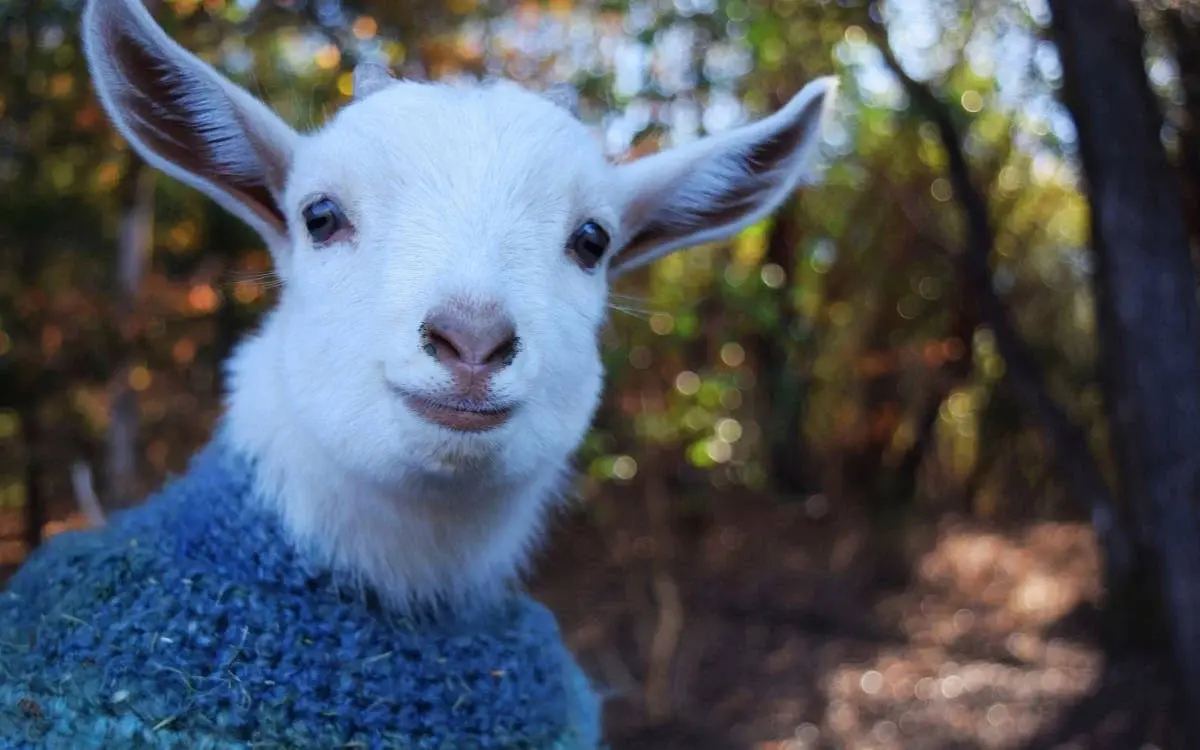



Recently, cafes and farms where customers can spend time with dwarf goats have become increasingly popular in İstanbul.
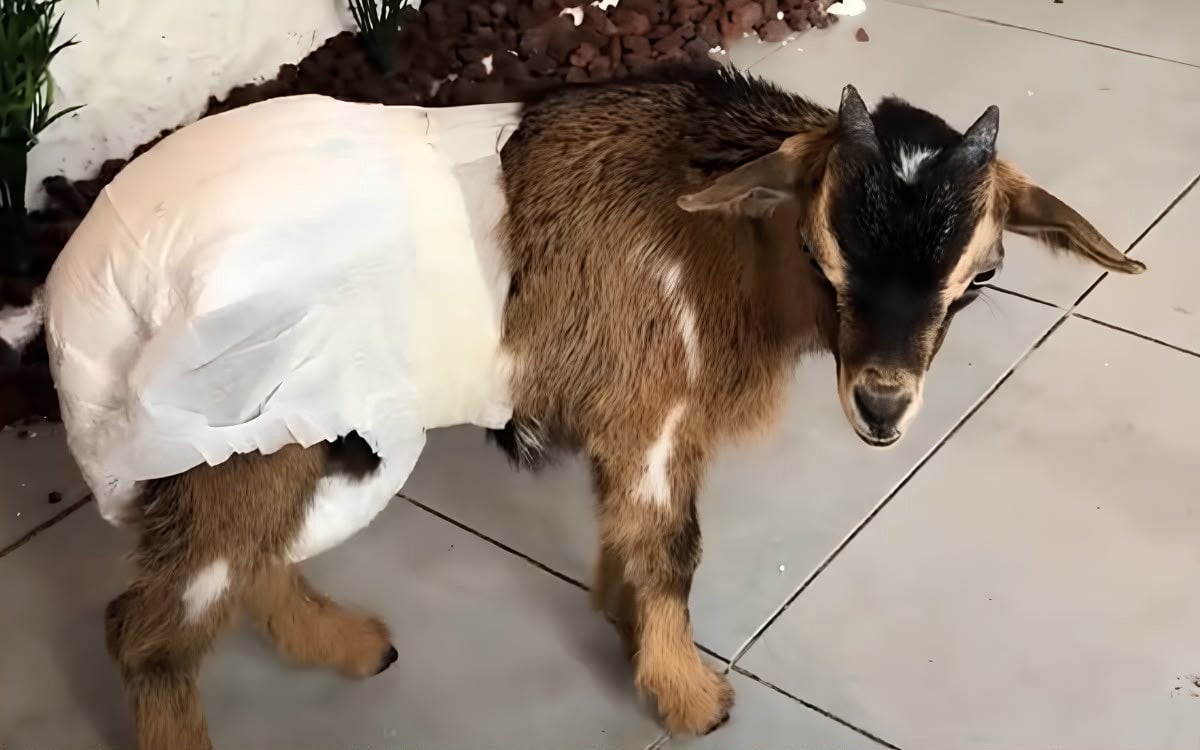
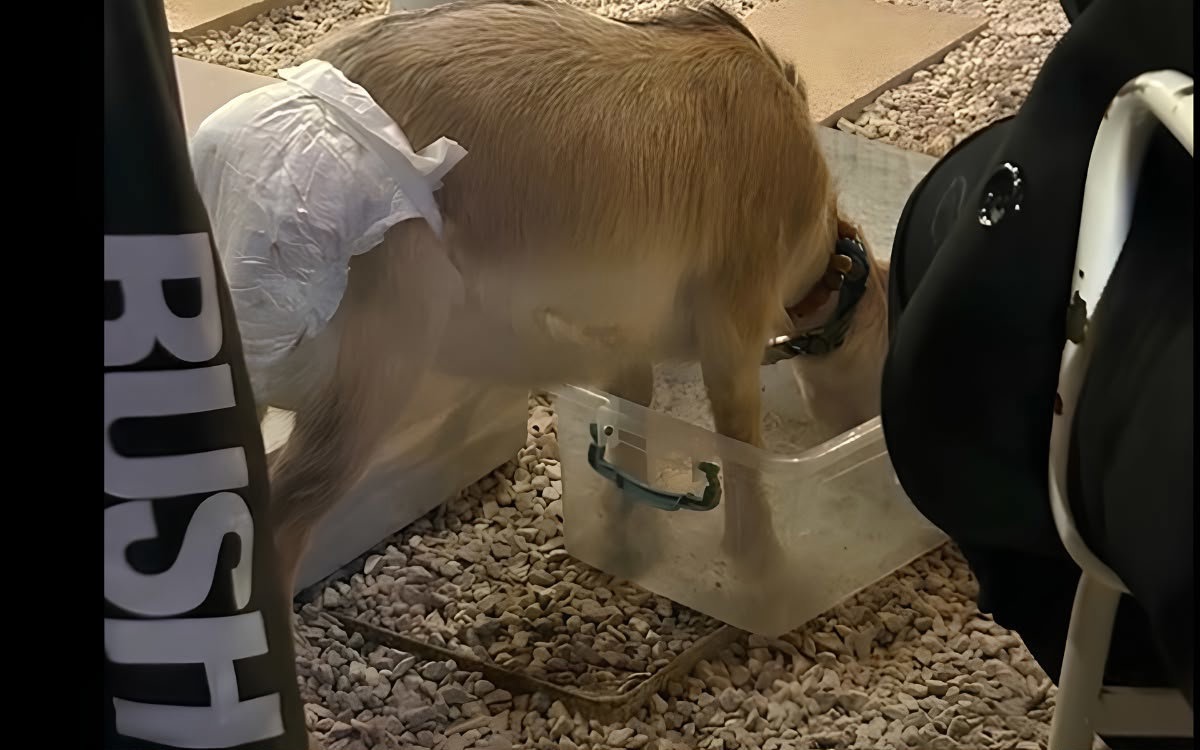
Photos and videos circulating on social media show people at these venues holding diapered goats confined indoors and feeding them with bottles.
The goats wander between tables as people have breakfast or drink coffee. The intense demand has led to the animals being bought as though they were products to be produced and consumed.
Marketed as an alternative to cats and dogs as household pets, goats are becoming increasingly visible in the animal trade. On farms and online, they generally sell for between 15,000 and 20,000 liras.
‘The lasting solution is to eliminate demand’
The commodification of goats raises serious concerns about animal rights and welfare.
Cansu Özge Özmen, a member of the Burak Özgüner Center for Animal Rights (BurHak), said people tend to find versions of many species that retain baby-like features throughout their lives more appealing:
“We see that this interest in babies and the instinct to protect them often turns into a desire to possess and consume when it comes to animals. Breeding certain species through artificial selection for traits that appeal to people, and turning them into commodities, is an approach that is far removed from protecting animals. Many species have been put on display over the years to attract visitors. Dwarf goats are just one contemporary example of this trend.”
Özmen stressed that animals bred for miniature size can face various hereditary and structural health problems, and that there is no legislation in Turkey directly regulating such venues:
“When we look at online advertisements for goats, we see that many sales are conducted individually and in a scattered manner. This raises serious questions about the extent to which all these sales are registered, taxed or effectively monitored in practice. The lasting solution is to eliminate demand.”
Özmen added that the most fundamental ethical responsibility was not to support the breeding or sale of any animal, noting that people who visit such venues or buy goats contribute to the suffering of countless animals. She added that goat farms are not subject to inspections either.
Why are these goats ‘dwarf’?
Dwarf goats originated in West Africa. Some goats born on farms in İstanbul are believed to be Nigerian Dwarf goats. The breed is domesticated and is known for being bred particularly for show purposes.
Although Nigerian Dwarf goats may appear at first glance to have a genetic abnormality, their body proportions remain naturally balanced. They are simply a small breed, a miniature form developed through selective breeding by humans.
They generally stand between 50 and 70 centimeters tall and have an average lifespan of 15 to 18 years. They can live even longer when kept in good health. They are herbivores but are also fed supplemental foods such as feed, hay and sometimes grain. Dwarf goats vary in weight depending on their breed and sex, generally weighing between 10 and 30 kilograms.
With growing interest, Nigerian Dwarf goats have become animals bred on farms, sold online for between 15,000 and 20,000 liras and put on display at various venues.
Where a goat born on a farm will eventually end up often remains unclear, but the outcome is similar in many cases: animals removed from their natural environment, subjected to intensive contact with unfamiliar people and considerable stress in the process, and often either abandoned or dying before reaching old age.
Cafes where animals are reduced to a concept
The popularity of these farms and cafes stems not only from their trendiness but also from people’s desire to experience what they see on social media. At the same time, spending time with domesticated, appealing animals can make people feel good and reduce stress. This is known in the literature as the “pet effect.”
Research shows that living with companion animals can reduce stress levels and have positive effects on heart health. Contact with animals is also known to reduce levels of cortisol, commonly known as the stress hormone.
The situation is different, however, for species such as goats that are not accustomed to frequent interaction with humans. Their stress levels can rise under intensive human contact, with studies reporting increases in cortisol levels.
Concept cafes where people can spend time with animals are more widespread in various countries around the world.
Such cafes, which began opening in Japan in 2004, have faced considerable criticism. Cafes featuring hundreds of domesticated and exotic animals have attracted international attention.
In Japan, these cafes operate under zoo licenses, while conditions for animals at the cafes are even more restrictive than those in zoos.
Research conducted at animal cafes also indicates that animals need spaces where they can retreat. A study at a cat cafe in Sweden found that the 27 cats living there sought refuge in elevated areas and hiding places when customer numbers were high.
Sources:
https://newsinhealth.nih.gov/2018/02/power-pets
https://pmc.ncbi.nlm.nih.gov/articles/PMC10866781/
https://pmc.ncbi.nlm.nih.gov/articles/PMC12712171/
https://pmc.ncbi.nlm.nih.gov/articles/PMC12649627/
https://www.marylandzoo.org/animal/nigerian-dwarf-goat/
https://breeds.okstate.edu/goats/nigerian-dwarf-goats
https://livestockconservancy.org/about-us/conservation-successes/nigerian-dwarf-goat/
https://www.farmhealthonline.com/US/health-welfare/goat-welfare/goat-behaviour/
(EK/TY/VK)