





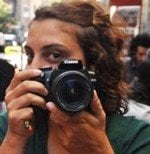

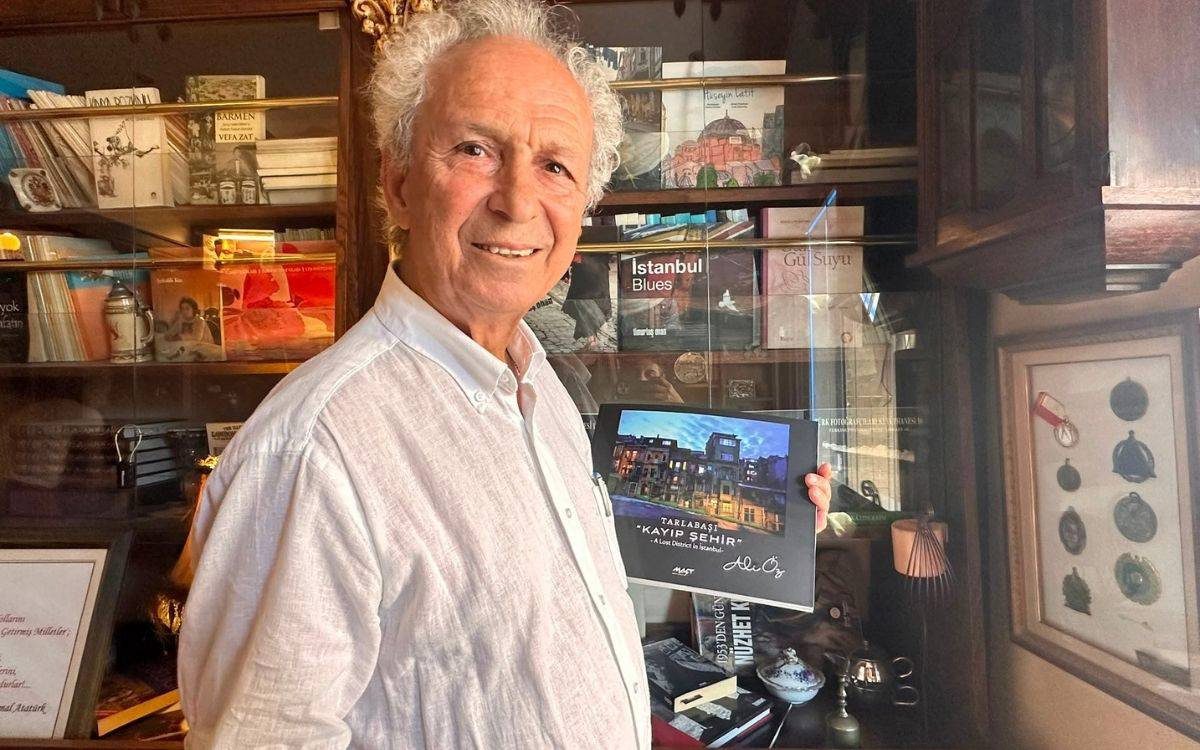



Just as one part of journalism is making the unseen visible, a photographer’s job is to bring to light what remains hidden and overlooked. Sometimes amid the crowds celebrating Newroz in Diyarbakır, sometimes on the streets of Tarlabaşı in İstanbul...
Documentary photographer Ali Öz has borne witness to Turkey’s social history throughout a career spanning more than 45 years. His camera has captured many historic moments, from wars and strikes to street protests, stories of poverty, forced migration and the struggle of families searching for missing relatives.
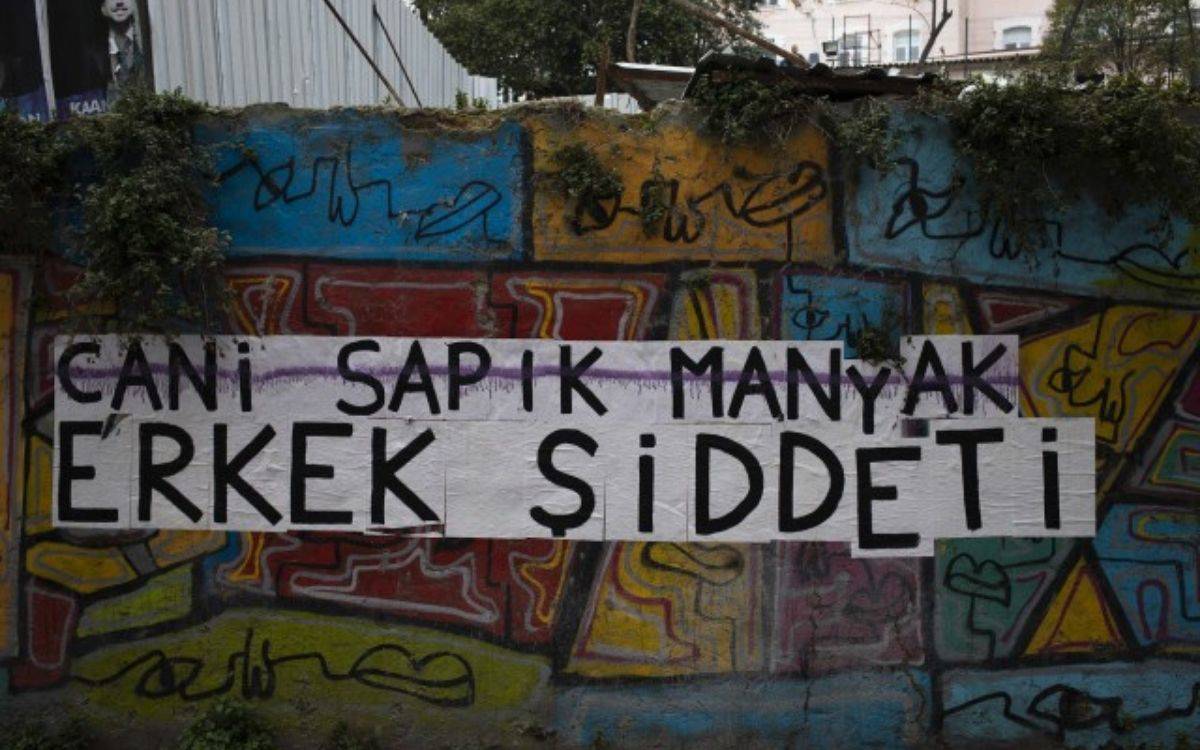
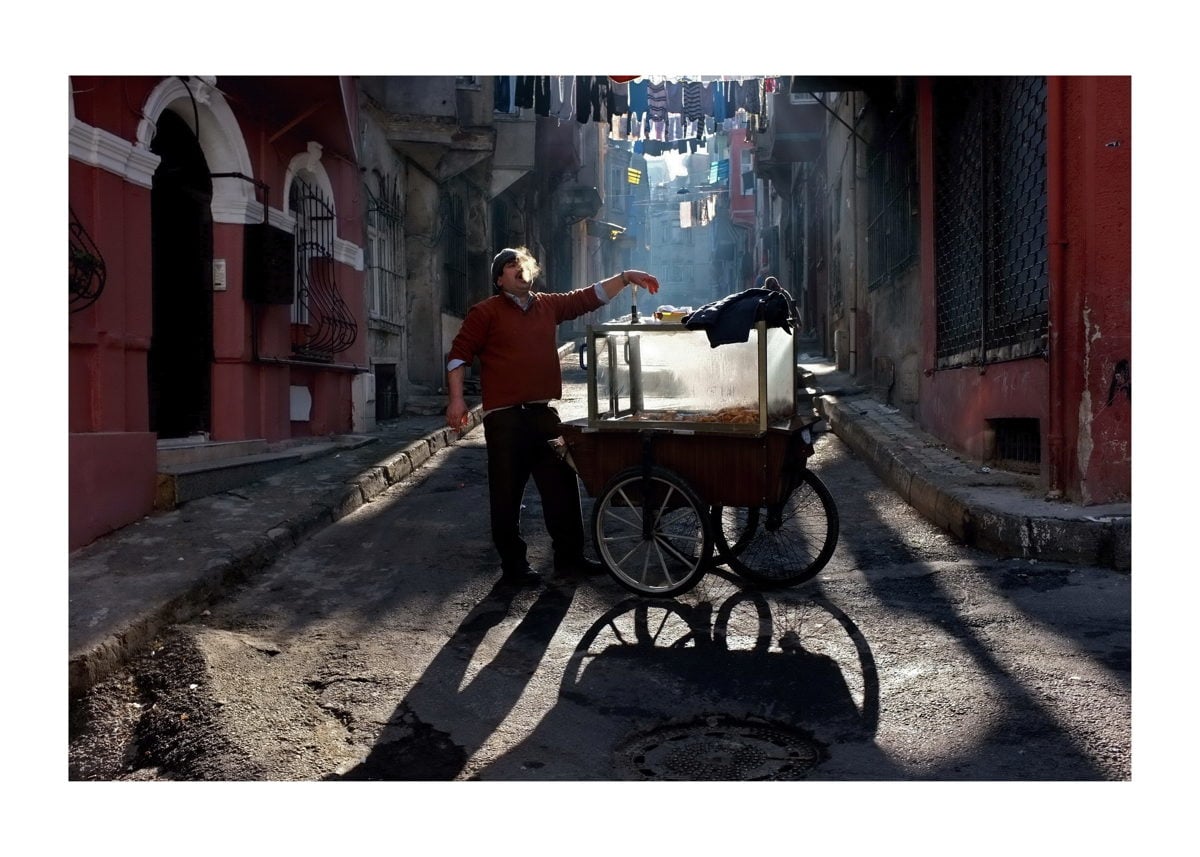
Öz’s book “Tarlabaşı – The Lost City,” which he produced after spending nearly 10 years immersed in the neighborhood’s streets, has returned in a revised edition after its first printing in 2013.
The book, now part of the collection of the Library of Alexandria, one of the world’s prestigious archives, stands out as an important record of a neighborhood transformed by urban redevelopment and the lives of the people who called it home.
With some 50,000 photographs documenting the social history of an era, Öz spoke to bianet about his approach to photography, Tarlabaşı’s transformation and his new projects.
How did “Tarlabaşı – The Lost City” emerge?
We published the first edition about 10 years ago. We printed 2,000 copies rather than 1,000, and they sold out very quickly. I would say it became one of the fastest-selling books in the history of photography. I even went to the publishing house and bought the remaining, aging copies in storage with my own money. I wanted to keep some for myself, to preserve them. For years, people asked me, “When will the book be reprinted?” But I didn’t know whether that would ever be possible.
Then something very important happened: the Library of Alexandria wanted to acquire the book. The publisher had no copies left, so they contacted me. At the time, the book cost 40 liras. I was embarrassed to tell them the price, but I did. They were surprised and said, “How can you quote that price for a book that is no longer available?” They ended up buying it for a price they determined themselves. The important point is this: The book entered the collection of one of the world’s major libraries, yet many libraries in Turkey don’t have a copy. That says something about Turkey’s approach to preserving its cultural memory.
'Tarlabaşı was more than just a neighborhood to me'
How did you first come to Tarlabaşı?
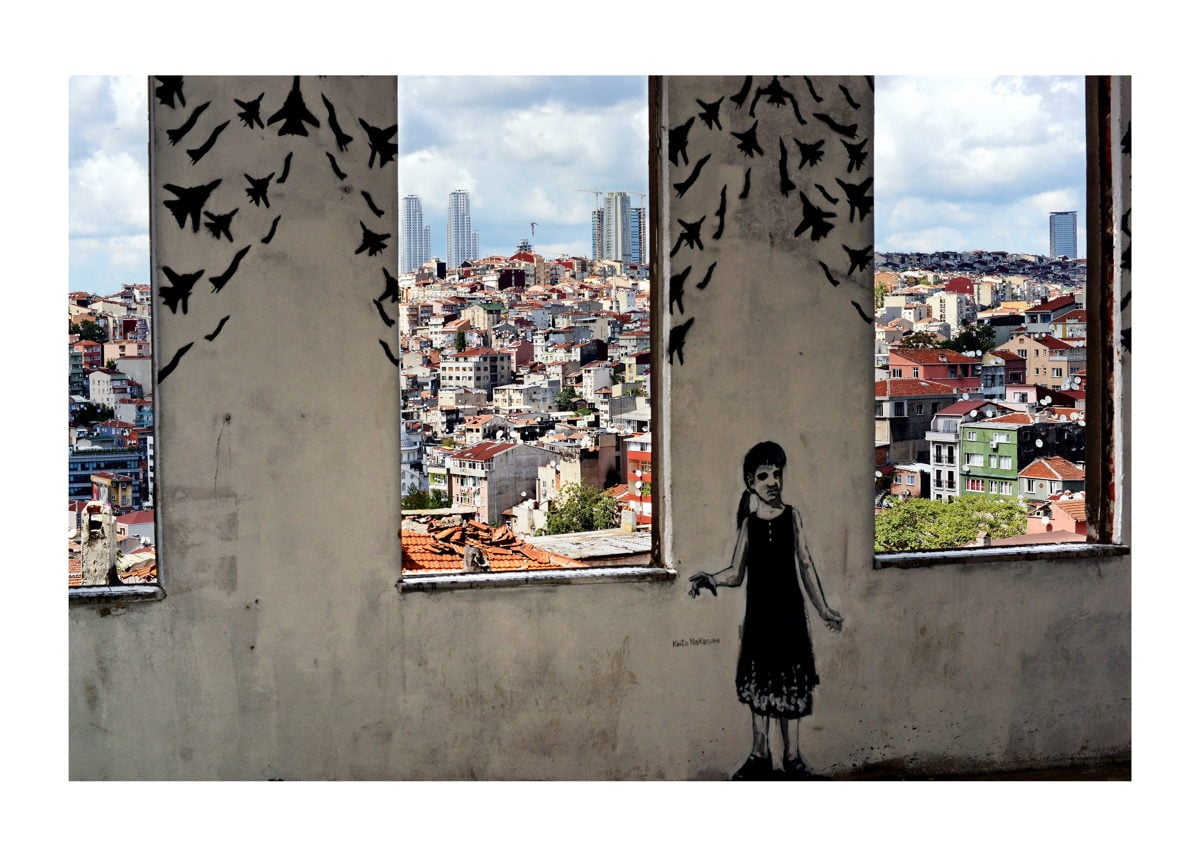
When I was starting out in the profession, I couldn’t find a place to live in İstanbul, so I rented a home in Tarlabaşı. I lived there for about six months between 1983 and 1985. It had a distinctive atmosphere and was a very powerful place for photography. Later, journalism, university life and the relentless pace of news work took me elsewhere, but somehow I always found my way back.
I was there again during the demolitions for Tarlabaşı Boulevard. One man had poured gasoline over himself to stop his home from being demolished. I was the only journalist who went up to him, and I persuaded him not to do it. He was later given a home elsewhere. Tarlabaşı was abandoned to its fate at the time, despite its extraordinary architectural character. As the poet Sennur Sezer put it, “It was Venice without the water.” It was an incredibly valuable place.

This book isn’t simply an album of photographs. It bears witness to a lost neighborhood, the people who lived there, and their hopes and suffering. I spent nearly 10 years walking the streets of Tarlabaşı. I was there from the first light of morning until the darkest hours of the night.
I witnessed weddings and funerals. I watched children play and felt the silence of demolished homes. I took around 50,000 photographs. My aim was to leave a small record for history. Because I knew that one day, much of these streets would no longer exist.
'The true value of photography lies in preserving memory'
Can you describe what photography means to you in a single sentence?
I never chased photographs, I chased people. Because wherever there are people, there is joy, pain, injustice and hope... For 45 years, I have always pointed my lens at people. To me, photography was about conscience before aesthetics, and bearing witness before reporting the news.
Looking back today, what makes me happiest is that the photographs I took have become part of the memory of an era. Because the true value of photography lies in its ability to bear witness to people and to its time.
How do you view the urban transformation that began in 2010?
I don’t call it gentrification, I call it “degeneration.” Because it was a process that began by displacing the people who lived there and buying their homes for very little. People began disappearing overnight. They moved to Arnavutköy, Hacıahmet... Yet Tarlabaşı was an extremely cosmopolitan neighborhood. Roma, Kurds, the legacy of the Greeks, and later Syrians... Many different groups lived side by side.
Poor people built lives for themselves there. They made rice dishes, sold stuffed mussels and corn. Women in particular worked under extremely difficult conditions. There were women who spent days preparing stuffed mussels in damp homes. I felt that all of this needed to be documented.
What did you set out to do when you began photographing Tarlabaşı?
I wanted to document it. But it wasn’t only about taking photographs. I wanted these people’s voices to be heard. Because a photograph is more than an image, there is a life behind it. There is a person’s story. I wanted to make what these people were going through visible.
I’ve long been a journalist without a regular job at a newspaper. I tried to tell these stories through social media.
Why did you choose to remain outside established journalism organizations?
It wasn’t really a choice. It was partly a result of the circumstances. There were no jobs. And I’ve always been something of a nonconformist. Even when I was employed, no one could censor me. If they didn’t assign me to a story, I would go on my own.
When there was a firedamp explosion in Zonguldak, I called my news editor and said, “I want to go.” He told me, “Don’t go, a team has already been sent.” But this was the biggest story in Turkey. So I went to Zonguldak without stopping by the newspaper and without taking any money. I worked there for days. Journalism, to me, was never about waiting behind a desk. It was about going where life was happening.
Has this always been your approach to journalism?
Yes, it has been this way since the early years of my career. When I was working at Nokta magazine, I wanted to go to the Kırkpınar oil wrestling festival. They told me, “There’s no need.” So I went on my own over the weekend, brought back the photographs, and the work won an award. Because sometimes a journalist’s job is not to do what they are told, but to recognize what needs to be done.
Later, I worked at many outlets, including Güneş, Milliyet, Aktüel, Cumhuriyet, Tempo and NTV. But I was never someone who simply carried out the assignments I was given.
Were your photographs of the Saturday Mothers also part of this approach?
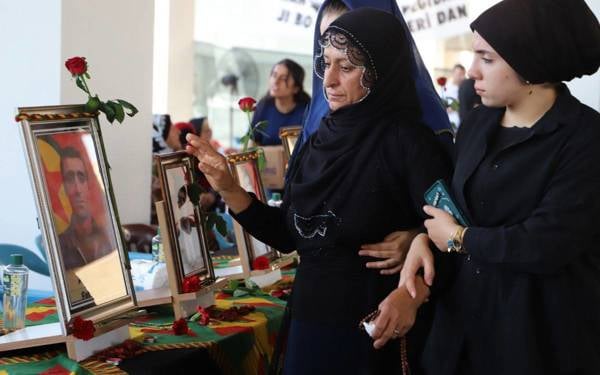
Absolutely. When I was working at Tempo, I photographed the Saturday Mothers. Sometimes they didn’t want me to cover them, but I went anyway. Then, because of the power of the photographs, they had no choice but to publish them. One day, the editor-in-chief said, “I’m not going to publish these women,” but that week they ran two full pages. That is where the power of photography comes through.
On one side were images of mothers close to the government, on the other were the Saturday Mothers... When the two photographs were placed side by side, they revealed the reality of an era. Sometimes a photograph is more powerful than a sentence.
'I have been documented Turkey’s political history for 45 years'
Throughout your career, you have photographed wars, social upheavals, strikes and resistance movements. How do you see that body of work looking back?
You have to look at it this way: There are probably very few examples like it anywhere in the world. For 45 years, I have been making a documentary of the political history of this country. I was there during the Gezi protests, the TEKEL workers’ resistance, May Day rallies, strikes and street protests.
In 2003, when I was unemployed, I traveled to the region with human shields during the Iraq War. During the debate over the Mar 1 motion, people carried placards bearing my photographs. My photographs were used during marches by villagers from Bergama, in human rights campaigns and during social protests. What I was really trying to do was preserve the memory of an era.
What kept you going for so long?
People. I never chased photographs, I chased people. Because wherever there are people, there is life, joy, pain, injustice and hope. For me, photography is about conscience before aesthetics. It is about bearing witness before it becomes news.
'My way of expressing myself'
How would you describe your relationship with photography?
Photography means living to me. I was never very talkative, and I found it difficult to express myself. Even my mother would say, “Son, I wish you’d talk a little.” Photography became my lifeline. It became the medium through which I could best express myself.
I started while studying at Ankara University’s School of Political Sciences, School of Press and Broadcasting. I also held my first photography exhibition during that period. Later, I became involved in social and political life. Trade unions, grassroots organizing in villages, social struggles... They changed the way I saw the world. For me, photography was a straightforward and honest language of expression.
'Today, they are making photographs lie'
How do you view the impact of artificial intelligence on photography?
I am deeply concerned. Because photography’s fundamental power comes from its grounding in reality. But today, they are making photographs lie. Someone’s photograph can be taken and placed into a scene that never happened, leaving that person struggling to prove it is fake. That is extremely dangerous.
People are using artificial intelligence to write novels and poetry. But there is a vast difference between the virtual world and real life. The warmth of a person on the street, the expression on their face, the moment they are living through, none of that can be replicated.
'I never became alienated from my class'
How do you position yourself in relation to the people you photograph?
I never became alienated from my class. I never looked down on the people I photographed. In Tarlabaşı, I lived among them and shared their experiences. I shared in their pain and their joy. There were times when I went home, put my head on the pillow and cried.
The same was true with the Saturday Mothers. I stood with the people there. It means a great deal to me that my photographs are part of the stories of Emine Ocak and Berfo Ana. Because I didn’t want simply to photograph people. I wanted to bear witness to their lives.
'My new dream is to make a book documenting Turkey’s political history'
What are you planning to work on next?
First, I want to produce a new book of black-and-white photographs of Turkey in the 1980s. There is a very important archive that has been acquired by the SALT Research collection. It will be a body of work portraying Turkey during that period.
But my biggest dream is to put together a book called “A Political Documentary of Turkey.” We are talking about an archive spanning 45 years. Democracy, human rights, labor movements, social struggles... It is all there. I want this archive to find a permanent home. Because I no longer want to carry this burden alone. I want an institution, a municipality or an archive to take responsibility for preserving this collective memory. (EMK/NÖ/VK)