









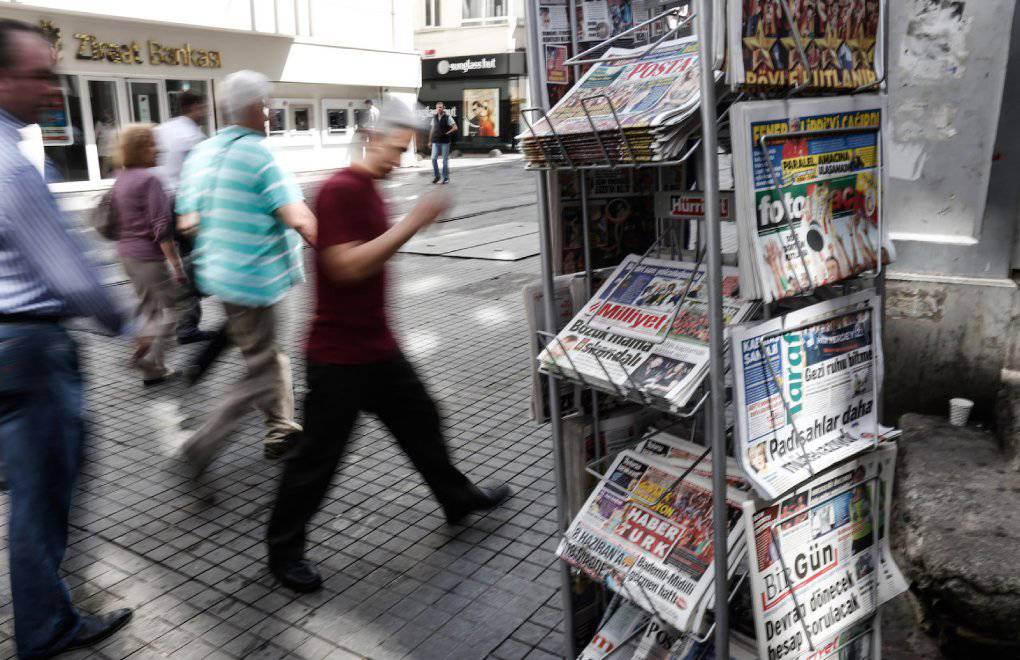



The ruling party is working to reinstate the Press Advertisement Institution's (BİK) authority to impose ad bans on press outlets despite a Constitutional Court ruling annulling similar provisions.
A draft bill approved by the parliament's planning and budget committee early this month lays out new press ethic rules for online and print news outlets. Violations of the rules can be reviewed upon a complaint by the affected parties or ex officio by the BİK.
The bill could effectively restore punitive power for the agency, which has long been criticized by press freedom groups, an opposition deputy said yesterday.
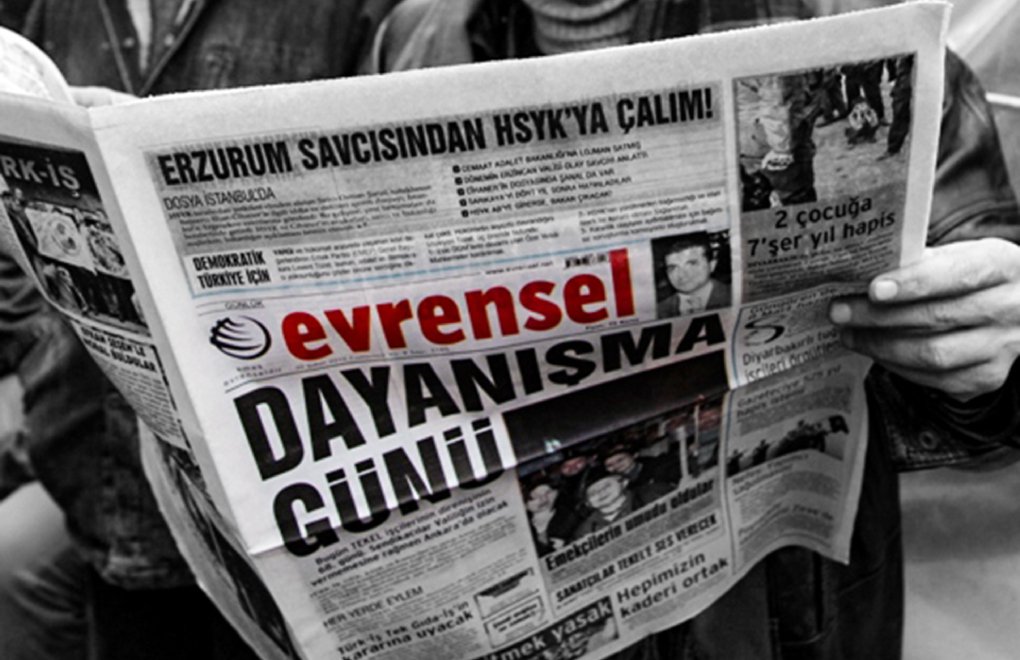
Evrensel newspaper hasn't received public ads for over 900 days
"Since BİK was attached to the Presidency's Directorate of Communications, a bad and arbitrary management has dominated the institution," said Utku Çakırözer of the Republican People's Party (CHP).
The agency, which was founded in 1961 to ensure the fair distribution of public ads and support independent newspapers, has become an instrument to punish media outlets, he argued.
Seventy-six percent of the ad-cutting penalties in 2019 and 50 percent in the following year were imposed on only three newspapers, the secular pro-opposition Cumhuriyet, and left-wing papers BirGün and Evrensel.
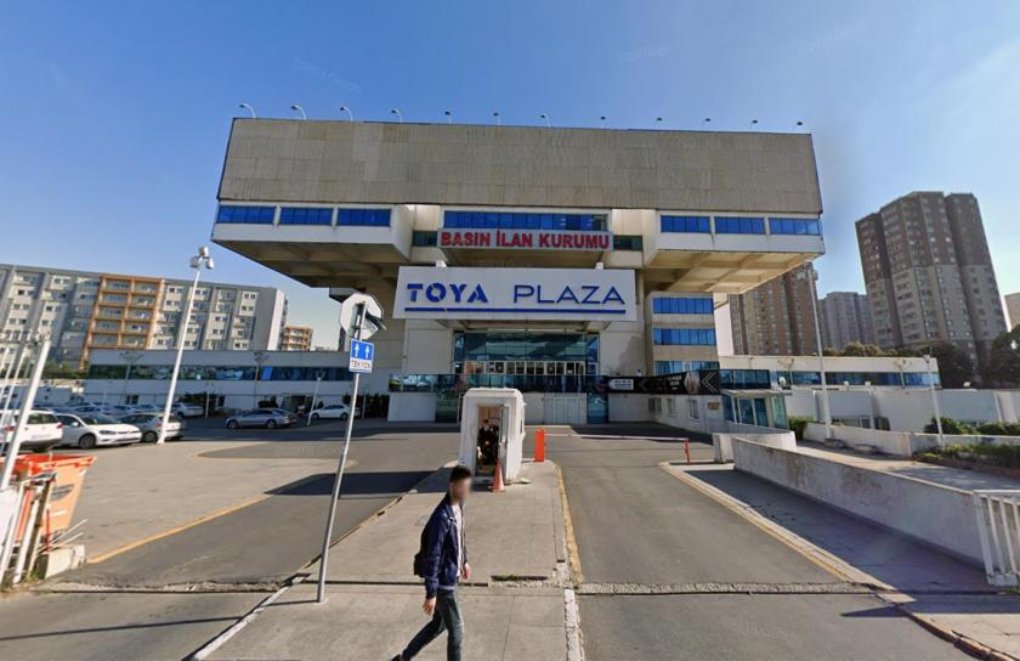
Five newspapers got 88 percent of ad penalties by Press Advertising Agency
The new rules
According to the draft, the regulation bars outlets from publishing content that:
Legitimizes violence, praises crimes, or commends criminal organizations
Undermines the fight against illicit drugs
Defames or discriminates against individuals or groups based on race, language, religion, sect, gender, political opinion, or similar grounds
Violates personal privacy
Damages the honor, dignity, or reputation of individuals, institutions, or social groups
Directly or indirectly reveals the identities or addresses of children, failing to prioritize the best interest of the child in related coverage
The Constitutional Court in October concluded that the ad-cutting practices were arbitrary and disproportionate, and it annulled the agency's authority.
"But now you are asking us again for the authority to issue penalties," Çakırözer said, addressing the government. "If you attempt to rain arbitrary penalties on newspapers again through militant bureaucrats and pro-government professional organizations that receive this authority, it is against the Constitution."
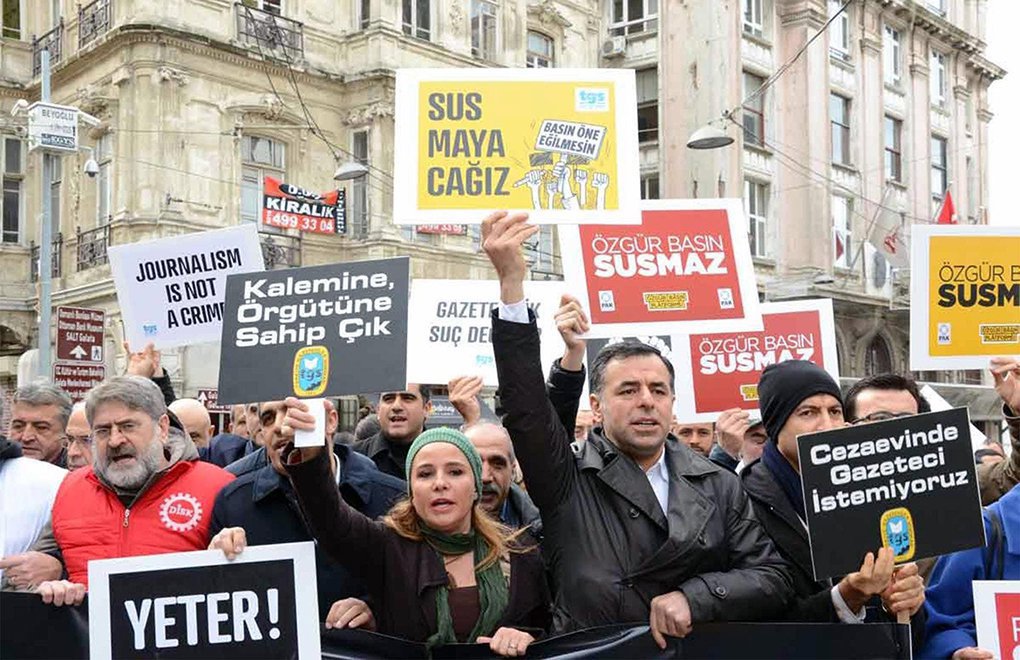
CONTEMPORARY JOURNALISTS' ASSOCIATION
'Media Authorities Have Become Publicly Financed Executioners of the Press'
Outlets resort to clickbaiting to get ads
Çakırözer also criticized the agency's ad placement policies, arguing that it encourages clickbait reporting. "Journalism and public benefit have been forgotten," he said.
Although print newspapers' right to receive public advertisements was extended to internet media in 2024, the requirements to qualify for these ads demand traffic and staffing levels that are exceptionally difficult for small outlets to meet.
This forces smaller news sites to hire additional personnel and pivot toward clickbait journalism solely to secure advertising revenue.
Struggles of local press
Çakırözer further criticized the agency for misusing its funds and failing to provide adequate support for local journalism:
"There is a black box in front of us that turns limited resources, which should go to our Anatolian press and journalists who have to work for wages below the hunger limit, into executive bonuses for themselves, squanders them in works contrary to public procurement legislation, and these unaccounted expenditures are not audited in any way."

'Local journalists face increasing economic pressure from local interest groups'
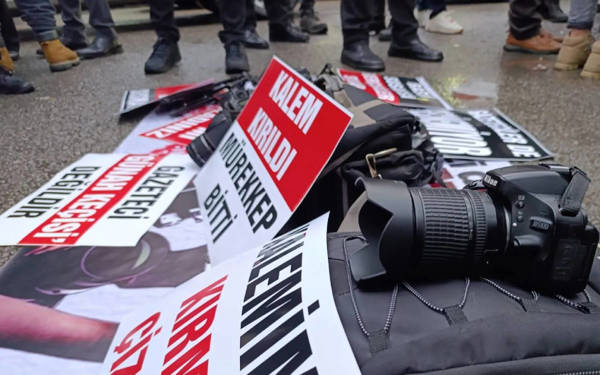
Local journalism: Pursuing truth under pressure
(HA/VK)

