



According to the new report by "Our Media," a civil society initiative bringing together nine organizations from the Western Balkans and Turkey, trust in the media is shifting from institutions to individual journalists, as the media faces both pressure and a financial crisis.
The project, in which the IPS Communication Foundation/bianet is among the partners, analyzed key media trends in Albania, Bosnia and Herzegovina, Kosovo, Montenegro, North Macedonia, Serbia, and Turkey.
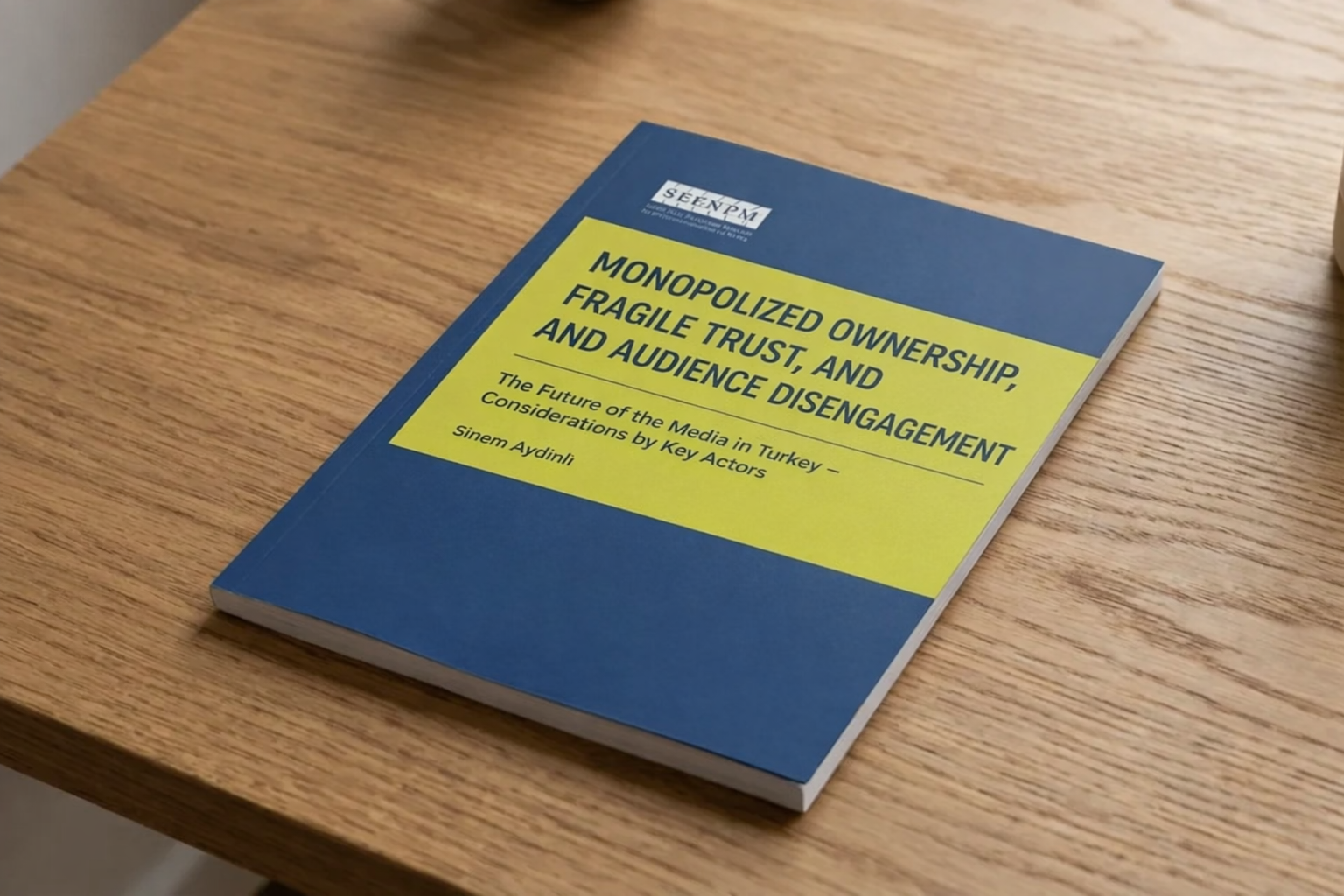
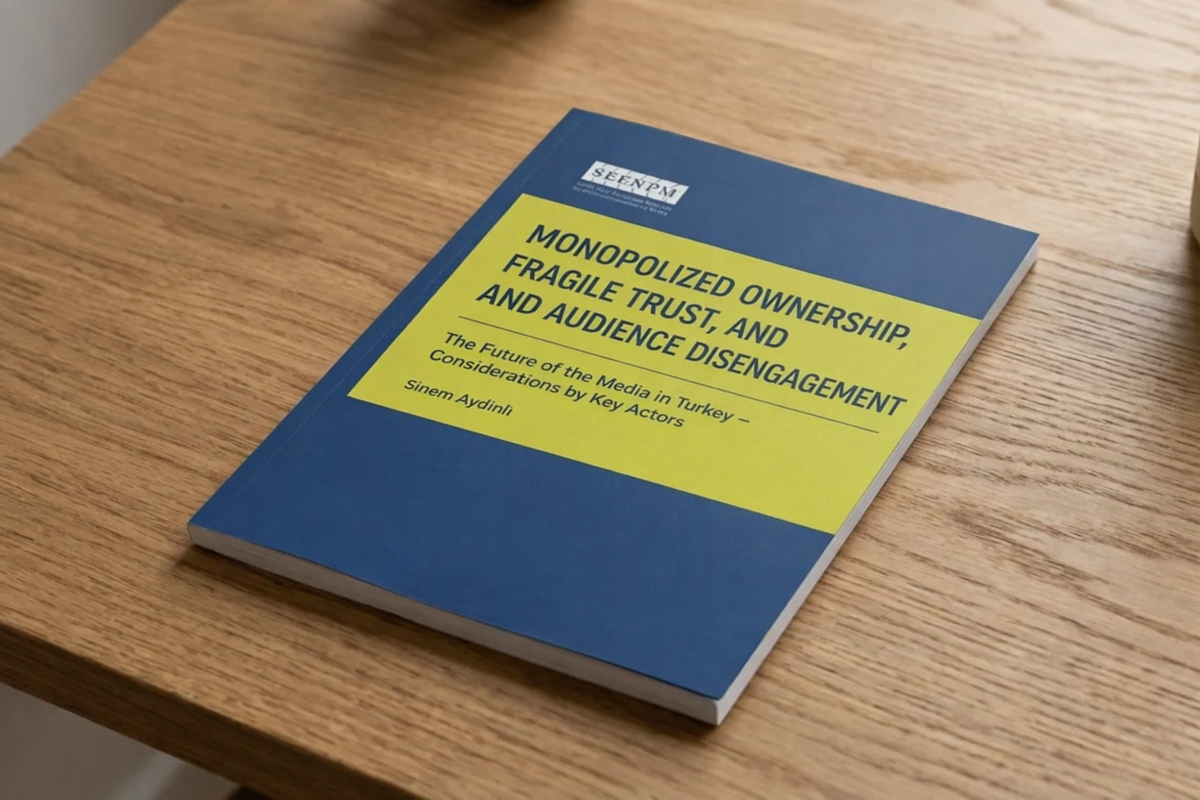
The section on Turkey was written by bianet’s Research Coordinator Sinem Aydınlı. It is titled "Monopolized ownership, fragile trust, and audience disengagement: The future of media in Turkey – Assessments of key actors."
The report is based on focus group discussions conducted with citizens in Istanbul and Mardin during the May–June 2025 period, interviews with media professionals, and focus group discussions with individuals possessing high cultural and social capital and influence.
The study examines perceptions of the media’s democratic role, the challenges journalism faces, and expectations regarding the future of media in Turkey. It analyzes the future of the media.
According to the report, although there has been a numerical increase in media outlets in Turkey, this increase does not translate into genuine pluralism. On the contrary, participants noted that while the number of media outlets has grown, uniformity and polarization have deepened, and without independent and democratic conditions, this increase is meaningless. The report states that media freedom is structurally restricted by legal pressures, ownership concentration, and political control.
'Trust shifted from institutions to individuals'
One of the key points highlighted in the report is the nature of trust in the media. Participants said they do not trust "mainstream media" and often follow the news through X, YouTube, and certain journalists.
Young participants in İstanbul said they had low trust in mainstream or pro-government media outlets, while expressing relatively higher trust in transparent, alternative platforms that cite sources. It is noted that trust has shifted from institutions to individuals, deepening the legitimacy crisis of media institutions.
The report also states that digital platforms have become dominant in news consumption, especially among youth. However, it adds that these platforms also amplify misinformation, cancel culture, and the spread of unverified content. Participants emphasized that media diversity only gains meaning through conscious news consumption and the production of quality content. Platforms such as bianet, Aposto, and Medyascope were cited as more trustworthy examples in this context.
Media workers: Legal pressure and economic fragility are key
Through testimonies from media workers, the report indicates that journalism in Turkey is undergoing a multifaceted crisis. Legal pressures, economic fragility, monopolized ownership structures, and control over digital platforms are listed as major threats to the sustainability of journalism. Notably, "disinformation" lawsuits, deferred prosecution practices (HAGB), the criminalization of news reporting, and the threat of detention for journalists stand out as the most damaging elements in the field.
Media workers also drew attention to the monopolized power of platforms such as Google and YouTube in advertising and distribution, cuts in public ad revenues by the Press Advertising Agency, and weak digital publishing regulations. According to the report, weak reader support, the younger generation’s disinterest in journalism, and insecure working conditions further worsen the crisis. As a result, diversifying income sources, strengthening subscription and membership models, establishing collective labor agreements, and ensuring safe working conditions are listed as key necessities.
Lack of representation, İstanbul remains the center
The report also reveals ongoing issues of representation in the media. Participants said minorities, women, and LGBTI+s are either underrepresented or misrepresented. One of the report’s main findings is that journalism is largely confined to an İstanbul-centric framework, with rural and regional realities rendered invisible. Participants in Mardin particularly emphasized the pressure on Kurdish media and regional invisibility.
Citizen demands also reflect these gaps. According to the report, participants want more coverage of women’s journalism, documentaries and cinema, education, animal rights, gender inequality, and minority visibility. Making Kurdish, feminist, and LGBTI+ voices more visible, standardizing the use of respectful language, and editorial safeguards against hate speech are among the suggestions.
Recommendations of the report
In its conclusion, the study calls for decriminalizing routine journalism, reviewing legislation used to punish journalists, and introducing new regulations on media ownership and concentration.
The report also recommends increasing transparency in media financing, fair distribution of public advertising, institutionalizing fact-checking mechanisms, expanding media literacy programs, and establishing lasting networks of solidarity between journalists and rights organizations, academia, schools, and the arts sector.
The general conclusion of the report is clear: the media sector in Turkey is undergoing not only an economic or technological transformation, but also a structural crisis directly linked to democracy. The common ground among participants is that the weakening of the public’s right to access information directly affects both journalists and citizens, and this crisis will deepen if monopolization, political pressure, and job insecurity in the media remain unaddressed.
Our Media
IPS Communication Foundation/bianet is among the partners of the Our Media project, financed by the European Union (EU) and covering the years 2023-2025.
The project's initial focus will be to help civil society organizations (CSOs), media professionals, young activists, and the public in the Balkans and Turkey build capacity regarding media freedom, as well as trends and challenges in the development and sustainability of the media. The project partners are:
- South East European Network for Professionalization of Media (SEENPM)
- Albanian Media Institute (Tirana)
- Mediacentar Foundation (Sarajevo)
- Kosovo Press Council
- Montenegro Media Institute (Podgorica)
- Macedonian Media Institute (Skopje)
- Novi Sad School of Journalism (Novi Sad)
- Peace Institute (Ljubljana)
- bianet (Turkey)
On behalf of IPS Communication Foundation/bianet, the researcher for the Our Media project is Sinem Aydınlı, the foundation’s research coordinator.
Scope of the project
The project begins with research aimed at identifying key trends, risks, and opportunities related to media sustainability, and at supporting media freedom and media and information literacy (MIL). The research will map best practices in media activism efforts. The findings will be used to strengthen the capacity of CSOs and other stakeholders in the media field to address challenges in the media.
Within the scope of Our Media, advocacy activities will be carried out to understand the capacity of journalists, media outlets, and media institutions. Local and national media, along with other actors, will be encouraged to engage in media activism efforts aimed at addressing gender inequalities in the media.
The project will also empower young leaders to stand against discrimination and sexist stereotypes, and to support gender equality through various activities.
Through financial support provided to CSOs in urban and rural areas, the project will reach out to local communities to enhance citizens' MIL skills, support media freedom and integrity, and counter polarization caused by propaganda, hate speech, and disinformation.

(HA/VK)