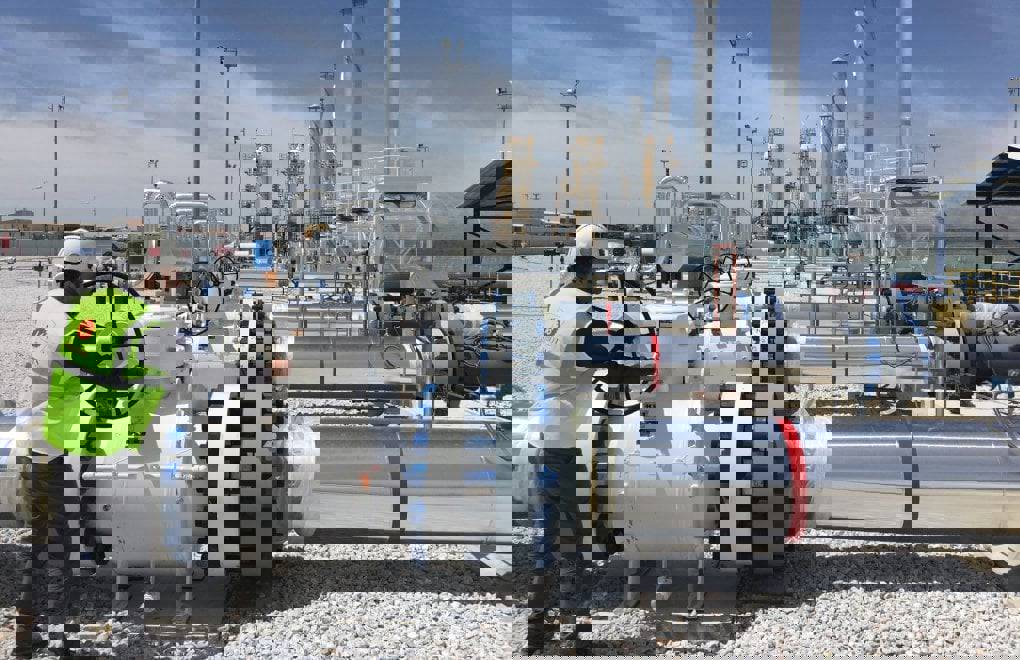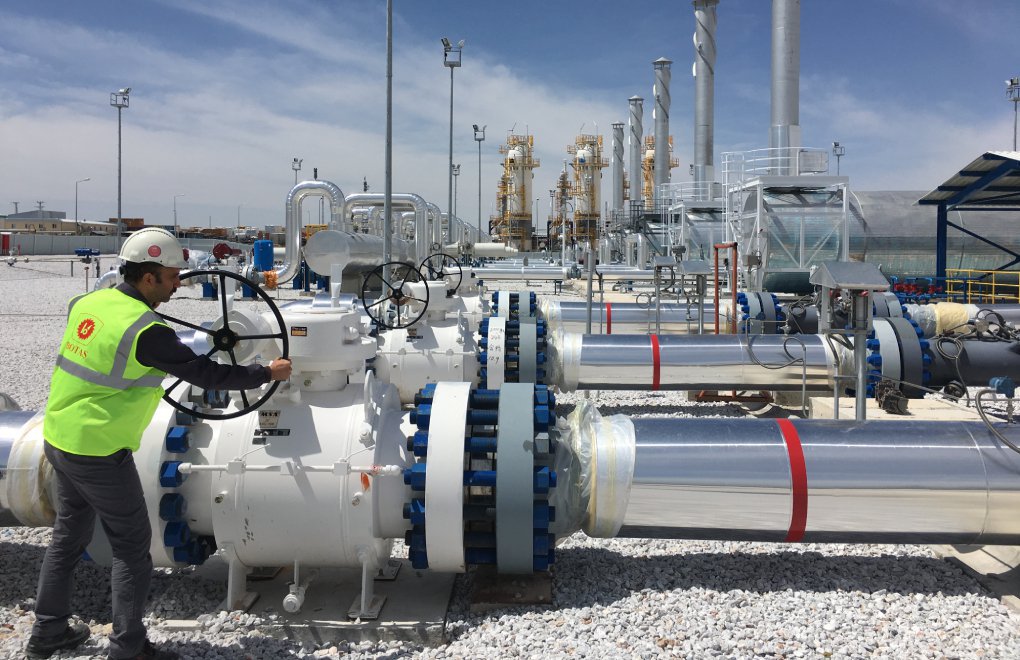



Turkey has raised household electricity and natural gas prices by 25%, with the new tariffs taking effect today, according to the Energy Market Regulatory Authority (EPDK) and state pipeline operator BOTAŞ.
While household electricity prices saw the steepest increase, rates for commercial users connected at low voltage rose 17.5%, compared with 5.8% for industrial subscribers connected at medium voltage and 24.8% for agricultural subscribers on medium-voltage lines, according to an EPDK statement late yesterday.
The increase means the average electricity bill for a family of four will rise to over 800 liras based on monthly consumption of 250 kWh.
Households were also the most affected by the natural gas price increase, according to BOTAŞ’s monthly tariff. By comparison, prices rose 18.61% for industrial subscribers and 19.42% for natural gas used in electricity generation.
EPDK said a tariff-based and tiered pricing system for natural gas had also entered into force. The natural gas tariff and the tiered system will vary depending on BOTAŞ sales prices.
Fuel prices in Turkey set for sharp increase amid closure of Hormuz strait
The price increases came hours after inflation data for March was released. While annual inflation stood at 30.87%, lowest in recent years, transportation prices rose by more than 4.5% in a month, largely because fuel prices increased during the Iran war.
In İstanbul, the price of one liter of diesel rose from around 60 liras on Mar 2, to nearly 80 liras as of today. Food inflation, which is directly affected by fuel prices, remained above the overall inflation rate (1 US dollar = 44.50 Turkish liras).
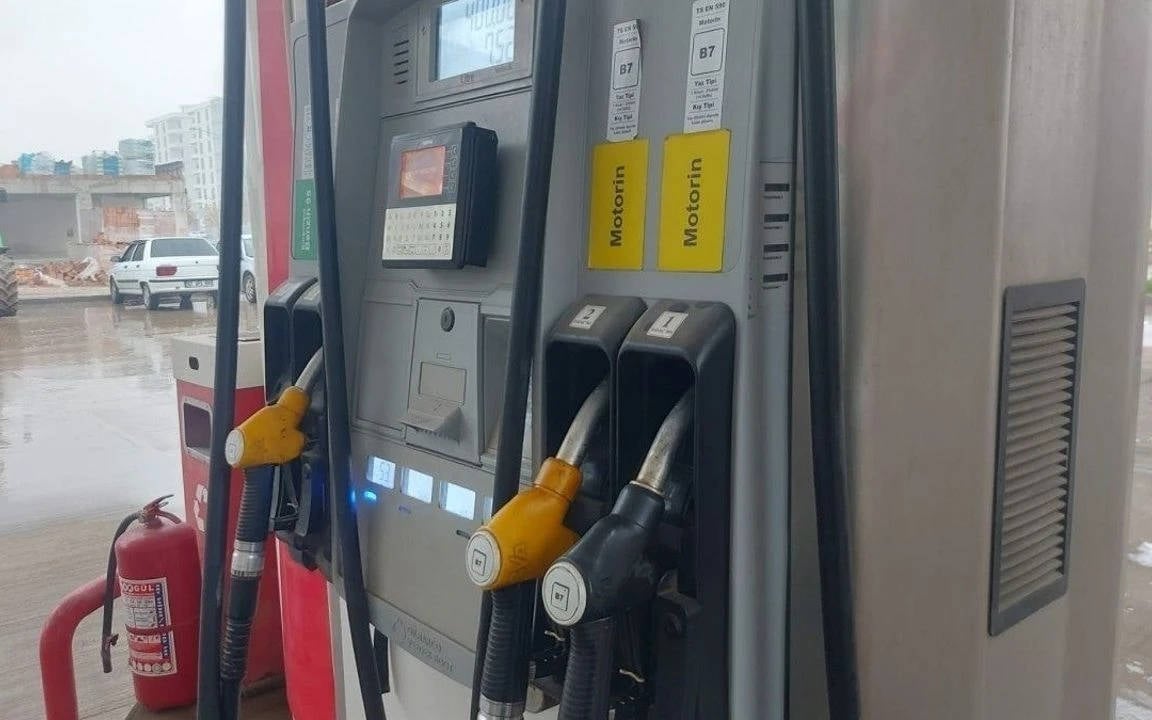
Turkey introduces fuel price buffer system amid Hormuz crisis
Turkey sources about 15% of its natural gas from Iran. Reports emerged that gas flows from Iran to Turkey had been cut after the US-Israel coalition struck the Pars gas field, the country’s largest natural gas field last month. However, Energy Minister Alparslan Bayraktar denied those reports in a statement on Mar 24, saying that gas flow from Iran continues and Turkey's storage facilities are currently 71% full. (VK)