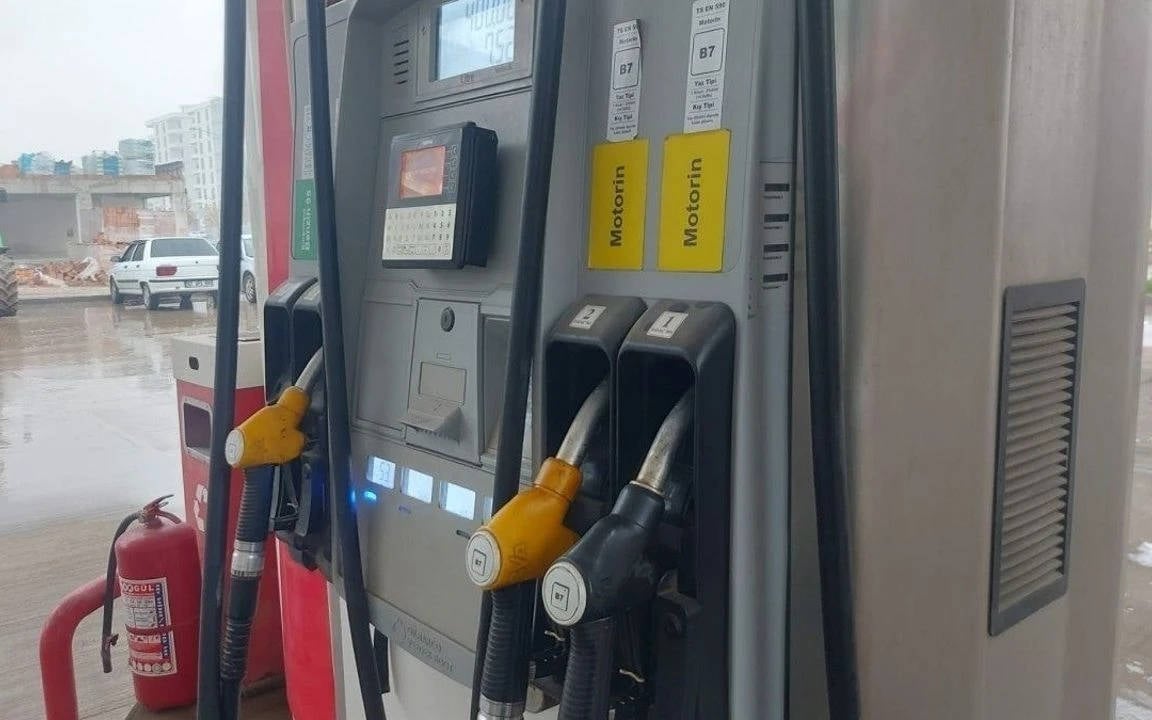



The government has temporarily reinstated a sliding scale fuel pricing mechanism to limit the impact of global oil price hikes on domestic fuel costs, according to a presidential decree published in the Official Gazette.
Under the system, the government will cover global price increases through tax reductions of up to 75%.
The move comes after Iran effectively blocked the Strait of Hormuz, a critical chokepoint for around 20% of global oil traffic, in response to an ongoing air campaign by the US and Israel.
Following the disruption, Turkey saw a sharp increase in fuel prices, with diesel prices rising by nearly 10% on Mar 3 and gasoline prices also climbing.
Fuel prices in Turkey set for sharp increase amid closure of Hormuz strait
How the system works
Under the sliding scale mechanism, known as eşel mobil, the Special Consumption Tax (SCT) on certain fuel products will be reduced by up to 75% of any price increase based on Mar 2 prices.
This will apply to gasoline, diesel, and liquefied petroleum gas (LPG).
If market prices drop, the SCT will be raised by up to 75% of the price decrease. However, the increased tax will not exceed the level in place on Mar 2.

War across the border leaves Van facing anxiety and economic loss
The Finance Ministry explained that only 2.5 liras of a 10-lira price increase would be reflected at the pump. The remaining 7.5 liras would be absorbed through tax reductions, including value-added tax (VAT) calculated over the lowered SCT.
Currently, taxes including SCT and VAT account for approximately 40% of gasoline and diesel prices in Turkey.
Previous implementations
The sliding scale system was first introduced in 2018 during a currency shock-induced economic crisis. It was later withdrawn at the end of that year but reactivated on Apr 10, 2019.
The government began phasing it out in Dec 2021, officially ending the practice on Mar 1, 2022. (HA/VK)