




The national school year will end on Jun 26, 2026, according to the Education Ministry calendar. While this date means report cards and summer vacation for students, it often brings uncertainty, job hunting, and financial anxiety for private school teachers.
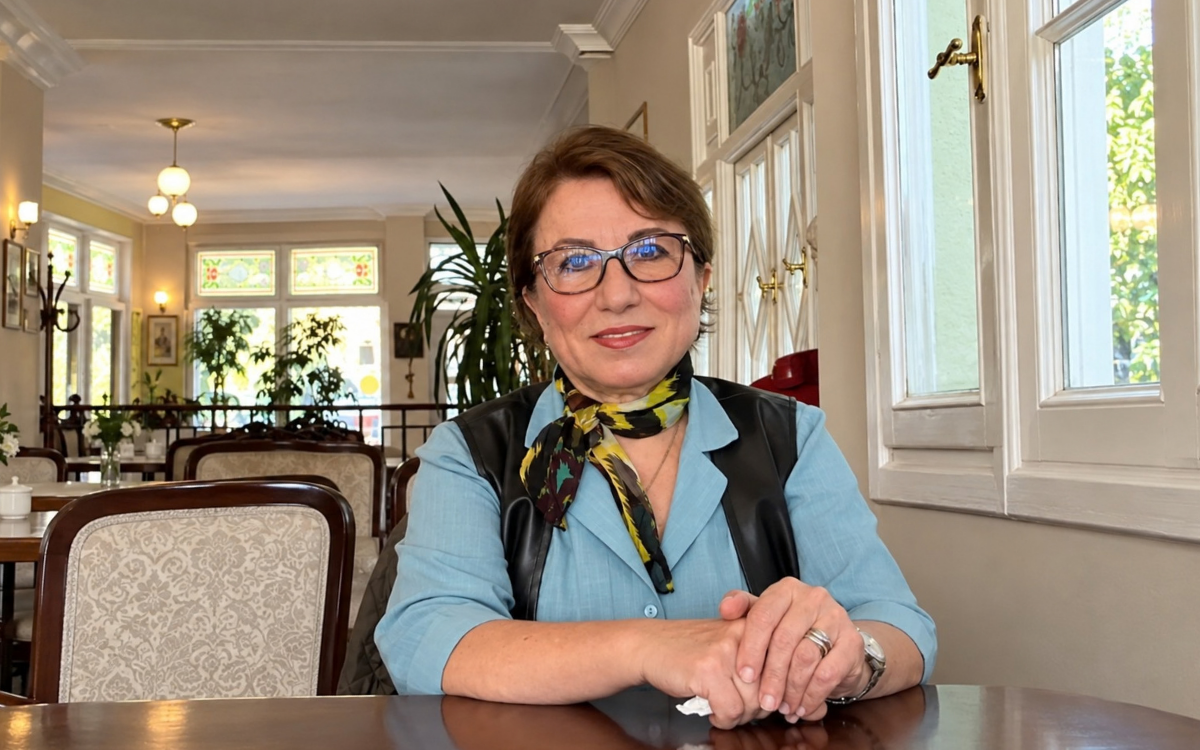
Uğur Polat, an İstanbul representative for the Private Sector Teachers Union and a philosophy teacher, and Evin Turgut, a union board member and English teacher, spoke about this transition period.
"For us, it is not a vacation, but a job-hunting season," Polat said, adding that a new period of anxiety begins for private school teachers when schools close. "We are like seasonal workers. They find work in the winter and work in the summer, while we find work in the summer and work in the winter."
Polat, who has been in the profession for five years, said he started working in the private sector because employment opportunities in the public sector are shrinking and appointments are limited. However, he added, private school teaching involves much more than just delivering lessons.
Unseen work
Duties during breaks, student tracking, parent expectations, and activities and reports aimed at increasing the visibility of the institution extend the working hours of teachers. According to Polat, the professional responsibility of a teacher does not change between the public and private sectors, but working conditions in the private sector devalue the educator.
"We teach to provide academic, scientific, and ethical education," Polat said. "Education is a public sphere, and the fact that we work in the private sector does not remove its public nature."
Teaching Marx while experiencing alienation
The biggest challenge for teachers in the private sector is the lack of job security according to Polat. He noted that the effort a teacher puts into the classroom is affected when they are constantly worrying about whether they will have a job next year or how to make ends meet at the end of the month.
"I do not think there is time left to actually practice teaching when we are constantly thinking about what we will do next year and questioning how we will make ends meet," Polat said. "The teacher is devalued here, and the students are also being wronged."
This anxiety affects both the content of the lessons and the relationships teachers build with students. Polat said that while teaching about labor exploitation in his philosophy class, he cannot openly express the exploitation he experiences himself.
"While I am teaching Marx to the student, surplus value and alienation from my own labor are spinning around inside my head," Polat said. "But I cannot tell the children what I am experiencing myself because we face the constant risk of being reported."
Unpaid individual lessons
Evin Turgut, an English teacher who has worked in the private sector for six years, described a similar situation. Turgut said she started teaching immediately after graduation. She took the Public Personnel Selection Examination once but was not appointed. She continues to work in the private sector due to the low number of public appointments and financial necessity.
According to Turgut, the weekly working hours of private school teachers often exceed 45 to 50 hours. This time does not consist only of course loads. Duties, study hours, weekend work, event preparations, and teaching courses outside the teacher's expertise also become part of this schedule.
"We have course loads exceeding 45 to 50 hours a week," Turgut said. "We hold duties at least two days a week, and we often work on weekends. Even if our classes end during the day, we give individual study sessions to students, and we do not receive any additional fees for any of this."
English teacher attends English yoga classes
Despite being an English teacher, Turgut said she also teaches English science, mathematics, and life studies. She noted that she previously had to teach English yoga, pilates, and dance classes as well.
Turgut stated that one of the most fundamental problems for private school teachers is fixed-term contracts. She indicated that these contracts have turned into a tool of pressure that deters teachers from seeking their rights.
"Because we work under fixed-term contracts, we can find ourselves out the door at the slightest objection or pursuit of our rights," Turgut said.
Another issue is wage insecurity, which worsened after the removal of the base salary right. According to Turgut, private school teachers faced practices such as low wages, missing insurance updates, and under-the-table cash payments following this regulation.
Turgut explained that some teachers are forced to work for minimum wage or even below it, while others are registered under different titles such as office staff, cleaning staff, or canteen managers instead of teachers.
"To avoid paying severance, employers either force us to sign resignation letters or terminate our employment toward the end of the academic year," Turgut said. "Our salaries and insurance are usually deposited based on the minimum wage, and the remaining part is paid in cash under the table."
Contracts don't cover summer months
Therefore, Jun 26 is not just the closing day of the educational calendar for private school teachers, but also the beginning of a new period of uncertainty. Many teachers work on nine- or 10-month contracts and spend the summer months looking for new jobs and additional income, rather than treating it as a paid vacation or rest period.
Turgut views the summer months similarly to Polat, seeing it as a period where financial difficulties increase rather than a vacation.
"Since we generally work on nine- or 10-month contracts, we have to work in different jobs during the summer months," Turgut said. "Because of this, we feel more like seasonal workers than teachers."
The demands of private school teachers are not limited to wage increases. The reinstatement of the base salary right, ensuring job security through indefinite-term employment contracts, achieving equal personal rights with public sector teachers, and being removed from industry branch No. 10 are among the most urgent demands.
The demand to be removed from industry branch No. 10 means that private school teachers want to be evaluated in an industry branch specific to the field of education, rather than in a broad omnibus category that includes trade, office, education, and fine arts together. This would allow them to effectively utilize their rights to collective bargaining and striking. (NÖ/VK)