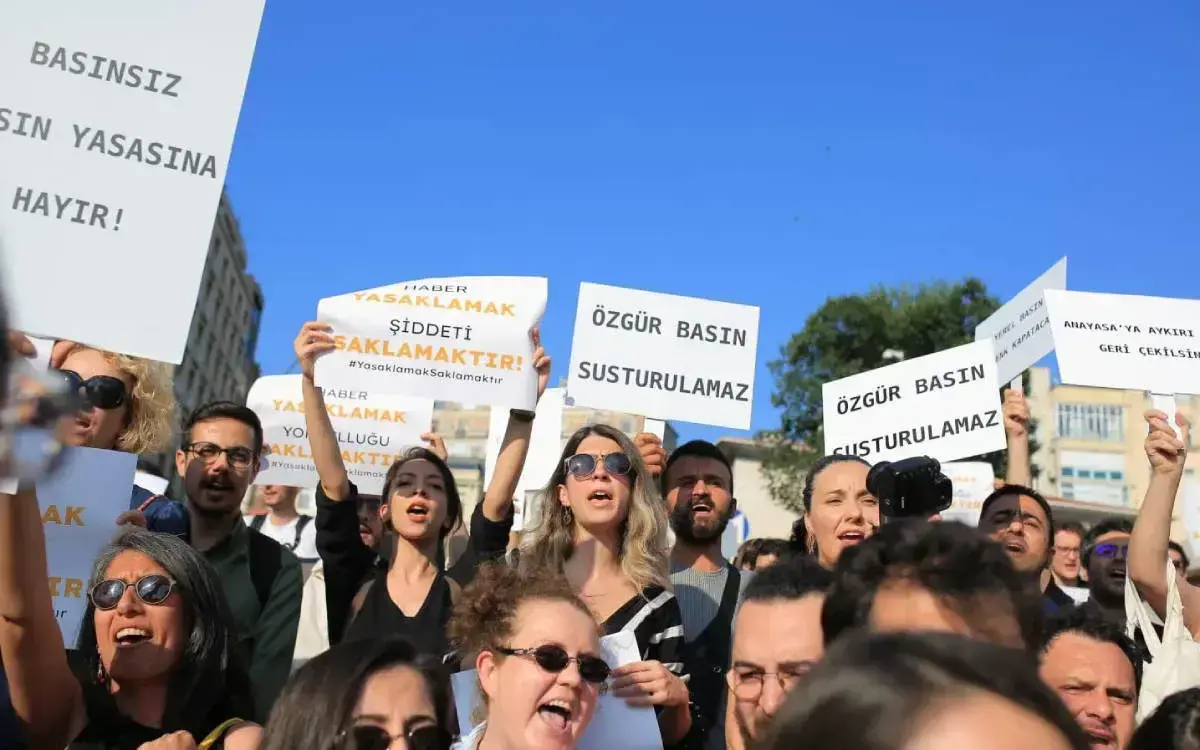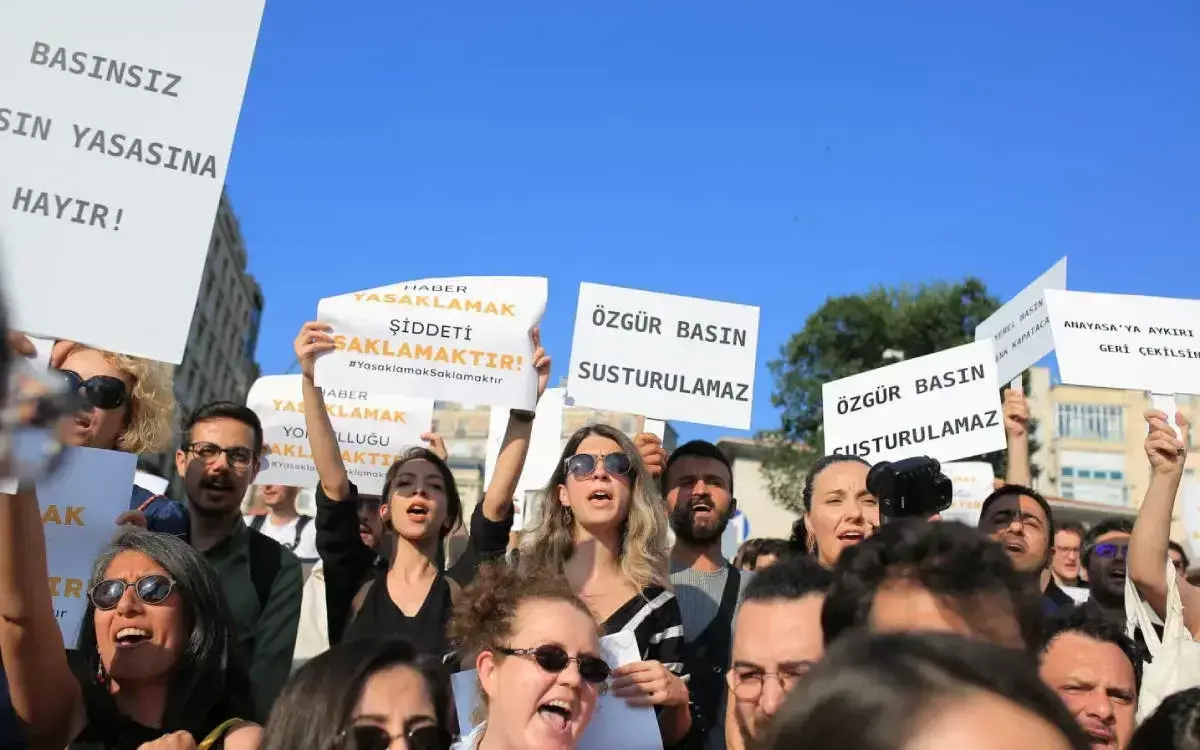



Twenty-five press and freedom of expression organizations, including the IPS Communication Foundation/bianet, have criticized the growing use of the "disinformation law" against journalists and called for its abolishment.
In a joint statement, the organizations said Article 217/A of the Turkish Penal Code, titled “Publicly Spreading Misleading Information,” and known publicly as the “disinformation law,” is being used to arrest, detain and prosecute journalists.
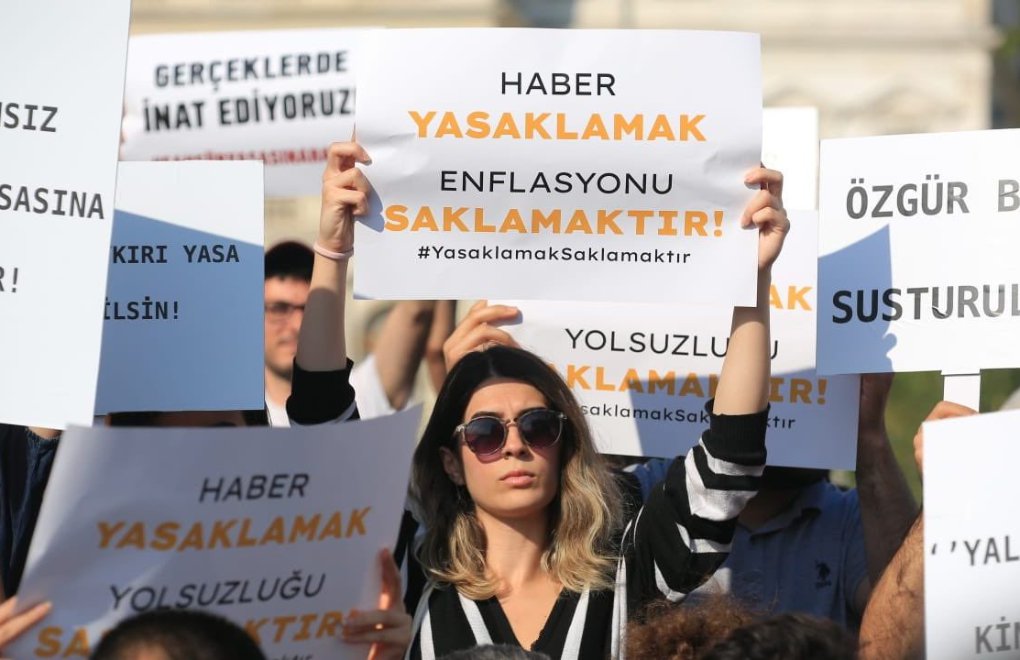
Türkiye's new 'disinformation law' explained
The statement noted that at least 83 journalists have been charged with spreaing disinformation 114 times since the law entered into force in Oct 2022. BirGün reporter İsmail Arı and DW Türkçe reporter Alican Uludağ were the journalists most frequently targeted under the charge. Arı has been accused six times, and Uludağ four times. Both journalists are currently in prison.
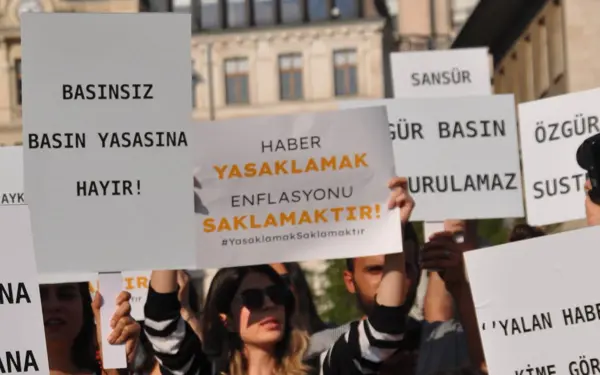
'Disinformation law' used against 83 journalists since 2022
'Legitimate journalism is being criminalized'
The organizations said Article 217/A has been applied more intensively and swiftly in recent months, adding that this is part of a broader pattern of legal pressure criminalizing legitimate journalism in Turkey.
In addition to the detention of Uludağ and Arı, they cited the cases of Bilal Özcan, Murat Ağırel, Barış Pehlivan, Zafer Arapkirli, Turgay Kılıç and Mehmet Yetim, who have been detained, arrested, prosecuted or sentenced to prison under the same charge. The statement continued:
“Documented examples of this kind of abuse of the ‘disinformation law’ against journalists and the media make Turkey a regional, and even global, outlier in the misuse of regressive fake news and disinformation legislation to suppress media freedom and freedom of expression. This further weakens an environment that is already hostile to free and independent journalism in the country.
"Turkey’s disinformation law is structurally incompatible with international press freedom standards. The law does not clearly define what constitutes ‘false information’ or what content poses a threat to national security or public order.
"As one journalist prosecuted under the law emphasized, the government can deem any kind of information false. The vagueness of the law gives courts unlimited authority to determine the existence of an offense, enabling the prosecution of critical journalism.
"A free and independent press is the most lasting safeguard against the spread of false information. Criminalizing journalism is neither a legal nor an effective response to it.”
Demands
- The organizations called on Turkey to immediately and unconditionally take the following steps:
- Release all journalists imprisoned under Article 217/A of the Turkish Penal Code,
- Drop all cases against journalists over their reporting or commentary,
- Fully repeal Article 217/A of the Turkish Penal Code,
- Bring all of Turkey’s legislation governing freedom of expression into line with its international obligations.
Signatory organizations:
International Press Institute (IPI), Articolo 21, Association of European Journalists (AEJ), Coalition For Women In Journalism (CFWIJ), Committee to Protect Journalists (CPJ), Civil Rights Defenders (CRD), European Centre for Press and Media Freedom (ECPMF), European Federation of Journalists (EFJ), Foreign Media Association (FMA) Turkey, International Federation of Journalists (IFJ), IFEX, IPS Communication Foundation (bianet), Media and Law Studies Association (MLSA), Norwegian Helsinki Committee, Osservatorio Balcani Caucaso Transeuropa (OBCT), South East Europe Media Organisation (SEEMO), PEN America, PEN International, Danish PEN, Norwegian PEN, Swedish PEN, Progressive Journalists Association (PJA), P24 Platform for Independent Journalism, Reporters Without Borders (RSF), Journalists’ Union of Turkey (TGS)
(HA/VK)