











The “Law No. 7538 Amending the Social Insurance and General Health Insurance Law and Certain Other Laws,” which entered into force on Jan 15, 2025, introduced a significant change to the retirement system for disabled people who were insured before Oct 2008.
Under the amendment, the option of retiring through a tax reduction granted on the basis of disability was abolished. Instead, eligibility is determined through assessments of loss of working capacity conducted by the Social Security Institution (SGK).
The law provides for the continued payment of pensions granted under the tax reduction scheme before Jan 15, 2025. However, some disabled people who had already retired say their pensions were terminated following reassessments carried out after follow-up medical examinations.
Those whose retirement applications were finalized after the new rules entered into force say the eligibility requirements they believed applied to them under the previous system were changed, resulting in a loss of rights.
The Disabled Retirement Solidarity Association (EMED) says it has pursued legal action over the consequences of the amendment and has also brought the issue before international mechanisms.
Despite widespread poverty and unemployment, Turkey's disabled community neglected in 2025 budget
‘We are forced to work despite serious illnesses’
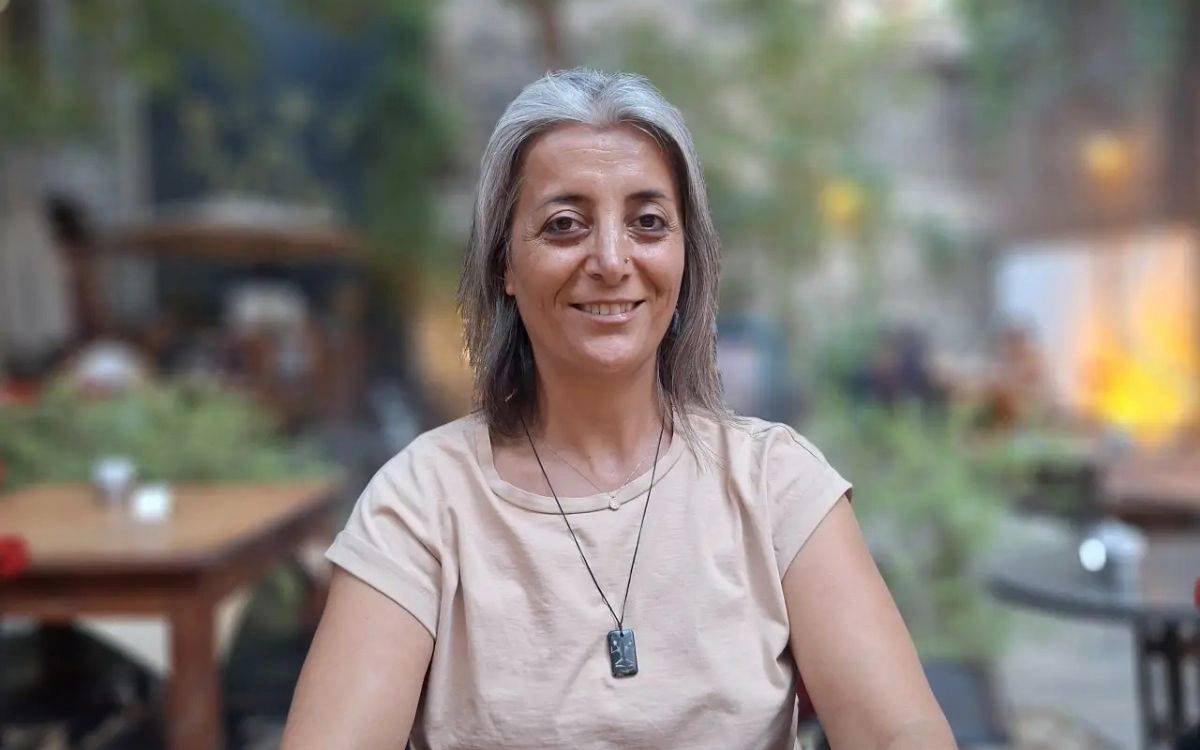
EMED Chair Nazlı Pınar Tetik is among those affected by the law, along with other members of the group. Currently undergoing cancer treatment, Tetik learned by text message that her pension had been terminated.
She described the loss of rights caused by the law as “the largest seizure of social rights in the history of the republic.”
Teik said that following the change, the rejection rate by the Social Security Institution (SGK) and the High Health Council had reached 98 percent, while 75 percent of those affected had either already qualified for retirement or were in their final year before becoming eligible.
Tetik said that after domestic legal remedies reached a dead end, they brought the issue before the United Nations. She said the UN had begun reviewing the case on the grounds that acquired rights cannot be revoked retroactively. Their application to the Constitutional Court, meanwhile, has been pending for 18 months.
Tetik said the ministry and the SGK had not shared data and had not responded to requests for meetings. She noted that the existing retirement right for people insured before 2008 would in any case have expired in 2028.
She criticized the removal of retirement rights from disabled people who had only one or two years left before becoming eligible:
“If our health allowed it, we would already be working. But we are being forced to work despite our serious illnesses.”
'I lost it by two days'
Ahmet, who has type 1 diabetes, lost his retirement entitlement because of a two-day difference in the application process.
Ahmet was assessed as having a 44 percent disability in 2019 and received a permanent disability rating of 71 percent in 2024 after his condition worsened. The Ankara Tax Office also approved his tax reduction certificate. However, the document reached the SGK on Jan 17, 2025. Law No. 7538 had entered into force two days earlier, on Jan 15.
Ahmet said the SGK would not accept his application before receiving the document. Once it arrived, he was told that he could no longer retire because of the new rules. Reports from health institutions to which he was referred, as well as his appeals, did not change the outcome.
“The law came into effect on the 15th, and the document arrived on the 17th. They made me lose it by two days,” he said, adding that the delay was not his responsibility.
Ahmet was receiving treatment for an eye condition caused by Type 1 diabetes and had lost sensation in his feet and took medication regularly. Despite his permanent disability report, his loss of working capacity was not considered sufficient to qualify for retirement.
He had been forced to continue working because he could not retire. “I’m trying to keep my life going by working. Because if I don’t work today, I go hungry tomorrow," said Ahmet.
Pensioner poverty in Turkey: 9 out of 10 say need to work to stay afloat
Cancer patient’s pension terminated after retirement
Feridun Sağlam, another person affected by the change, is a cancer patient who had already retired before his pension was later terminated.
Diagnosed with cancer in 2024, Sağlam said he underwent surgery and chemotherapy and retired under the tax reduction scheme with an 84 percent disability rating. In 2025, the SGK referred him for a follow-up medical examination. His disability rating was reduced to 68 percent and his pension was terminated.
Sağlam said part of his lung had been removed because of cancer, that he developed osteoporosis and microfractures following chemotherapy, underwent knee surgery and uses an oxygen machine at night. Despite this, he said he was told that he had “no loss of working capacity.”
Sağlam said that after his pension was cut off, his unemployment benefits also ended. With no income, he said he was struggling to pay his General Health Insurance (GSS) premiums and had applied for a green card so he could continue accessing health care.
“We can’t work. And when we can’t work, there’s no money... We don’t have time to wait,” Sağlam said, adding that although he was unable to work, he had no income to support himself.
Retirement application rejected despite workplace accident
Another person affected, Cuma, who did not want his surname published, said he had waited for years to retire after a workplace accident, only to have his application rejected under the new rules.
Cuma said he lost his right hand in a workplace accident on Dec 12, 2014, while working as an operator of paving stone and interlocking brick machinery at a factory in Antep. Despite surgeries and treatment, he was left unable to use the hand. A university hospital assessed his loss of working capacity at 72 percent. The Social Insurance Institution (SSK), however, recognized a rate of 65 percent and granted him a permanent incapacity benefit.
Cuma said that because he first became insured in 2005, he was told he needed to complete 20 years of insurance coverage and the required number of premium days. After meeting those conditions, he went to the SGK in May 2025 to apply for retirement.
By then, however, the new rules introduced on Jan 15, 2025, were in effect. Cuma said SGK officials told him that retirement based on a tax reduction certificate had been abolished and that his existing disability rating did not meet the new requirements.
Cuma said a university hospital to which he was referred again increased his incapacity rating to 75 percent. Despite this, the SGK upheld its rejection, and his appeal to the High Health Council was also denied.
Cuma said he had struggled to find work since losing his right hand. He could no longer work in factories and had also been unable to find a job through the Turkish Employment Agency (İŞKUR). He said he had waited 10 years to retire and described his situation as follows:
“We are not asking our state for a favor. We are asking for the vested right that we earned.”
'Over 97 percent of applications got rejected'
EMED’s study, published in June 2026 and based on responses from 200 people, also provides data on the experiences of disabled people who reported encountering problems with the retirement process following the change.
The figures in the report do not represent the SGK’s official nationwide rejection rates. Rather, they reflect the application and assessment processes reported by the study participants.
Among cases reviewed by the High Health Council following an appeal, participants reported a rejection rate of 88.8 percent. The association says the rate exceeded 97 percent when only finalized cases were taken into account.
The study also shows that problems with the retirement process affected participants’ economic and social lives.
Of the participants, 76.7 percent reported a loss of income, 64.4 percent said they had been forced to continue working despite their health conditions, and 14.4 percent reported becoming unemployed.
Based on multiple responses provided by participants, 139 said they had been unable to retire, 95 reported psychological effects, 74 said their health had been adversely affected, 58 said they had become unemployed, 57 said they had been forced to continue working despite their health conditions, 52 reported a loss of income, and 10 said their previously granted pensions had been terminated.
(SG/HA/VK)