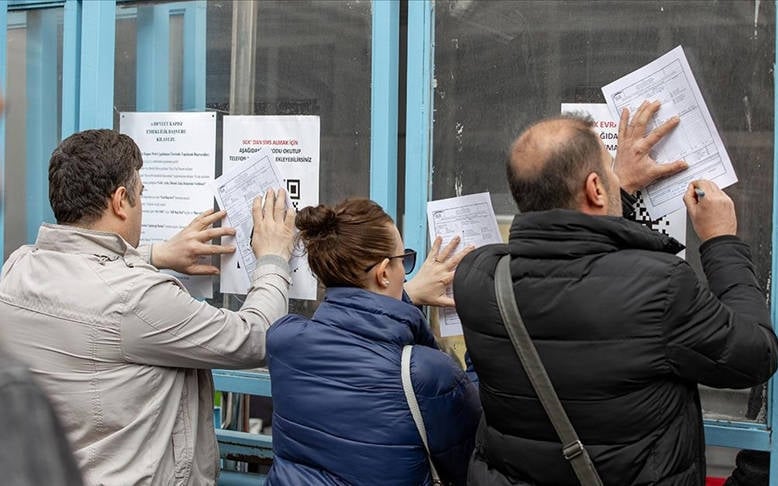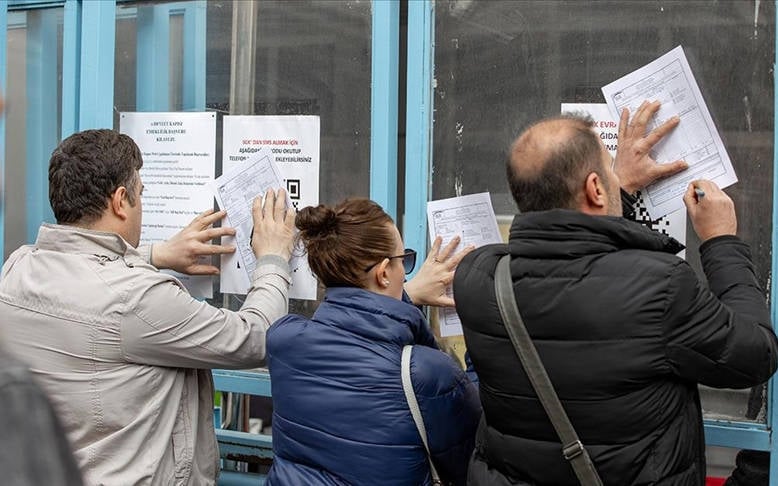



Nearly nine out of 10 pensioners in Turkey work or seek employment due to financial difficulties, according to a report released in May 2026.
The study conducted by Forum Institute involved surveys with 400 pensioners and 40 qualitative interviews to assess the scale of economic hardship.
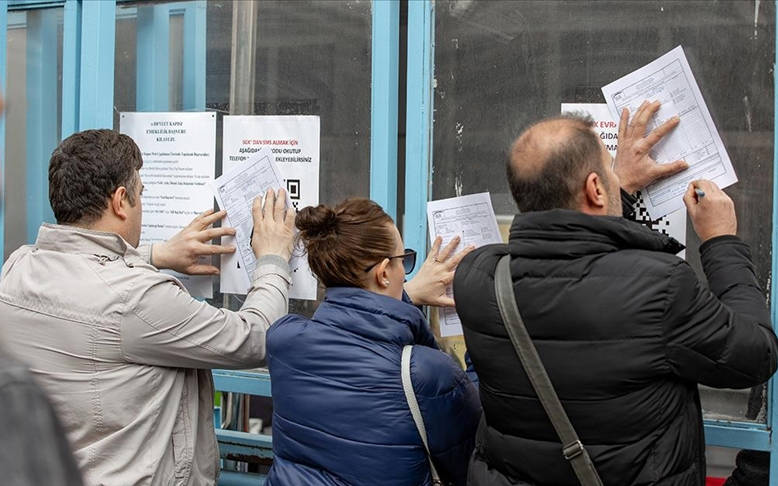
Too old to work, too young to retire: 'If you lose your job after 40, you face an empty table'
The report found that 89.4% of participants identified the need to make ends meet as the main reason for working or seeking work. For many, retirement no longer provides a period of rest but has become a stage of precarious labor.
Roughly 83.5% of the respondents were classified in lower or lower-middle income groups. The study noted that pensioners are receiving a shrinking share of the national income compared to previous years.
Housing costs
Housing and health costs are primary drivers of this poverty. While 56.6 %of those surveyed owned their homes, the 30.5% living in rented accommodation faced the most severe financial pressure. Among women pensioners, the share of renters were 41.9%
The research also highlighted the impact of demographic changes. Turkey had 9.5 million residents aged 65 and over in 2025, accounting for 11.1% of the total population.
Access to healthcare
Some 56% of participants stated they face difficulties in accessing healthcare services. Out of those surveyed, 21% reported making out-of-pocket health expenditures of 3,000 liras or more per month.
Challenges in finding appointments, transportation costs, and expenses for medication and treatment are exacerbating pensioner poverty.
Indebtedness
Indebtedness is also widespread, with 66.3% of participants carrying debt. Nearly all of those with debt have credit card balances. Meanwhile, 47% of respondents stated they would be unable to find 20,000 liras within a month in the event of an emergency.
Research coordinator Derya Kömürcü said retirement has lost its traditional promise of security and predictability. It is now a fragile arrangement requiring extra work, debt, and family assistance. (NÖ/VK)