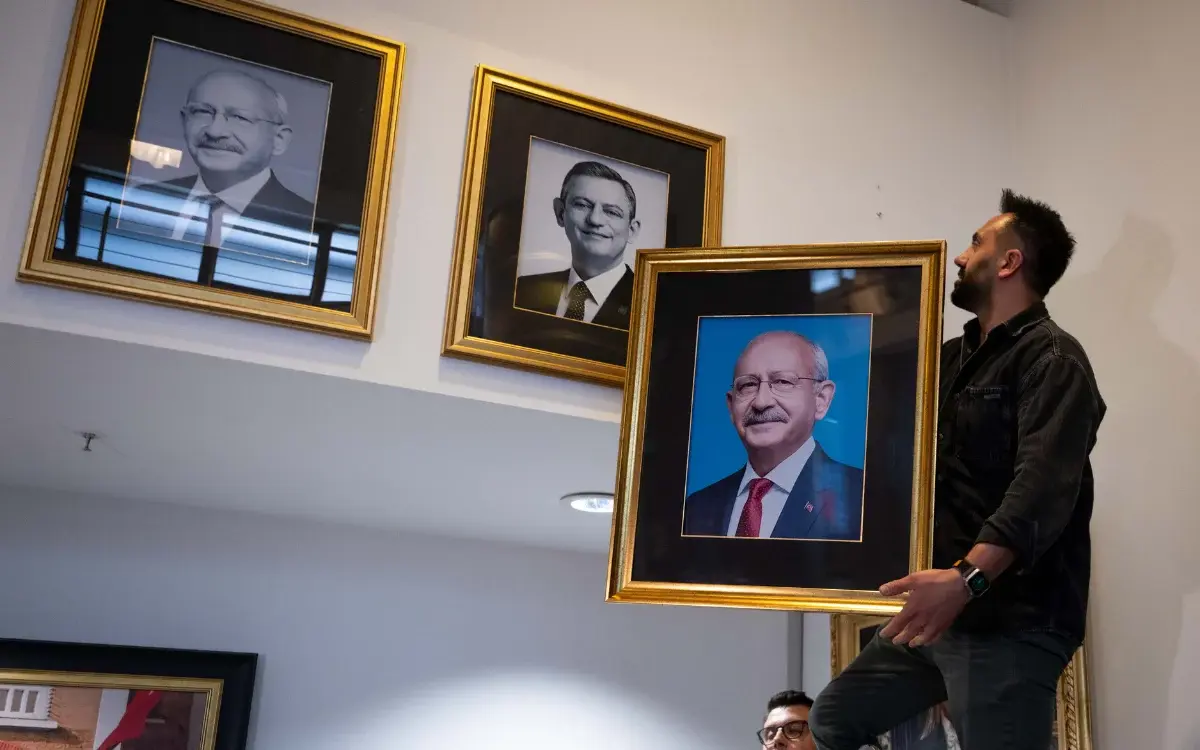
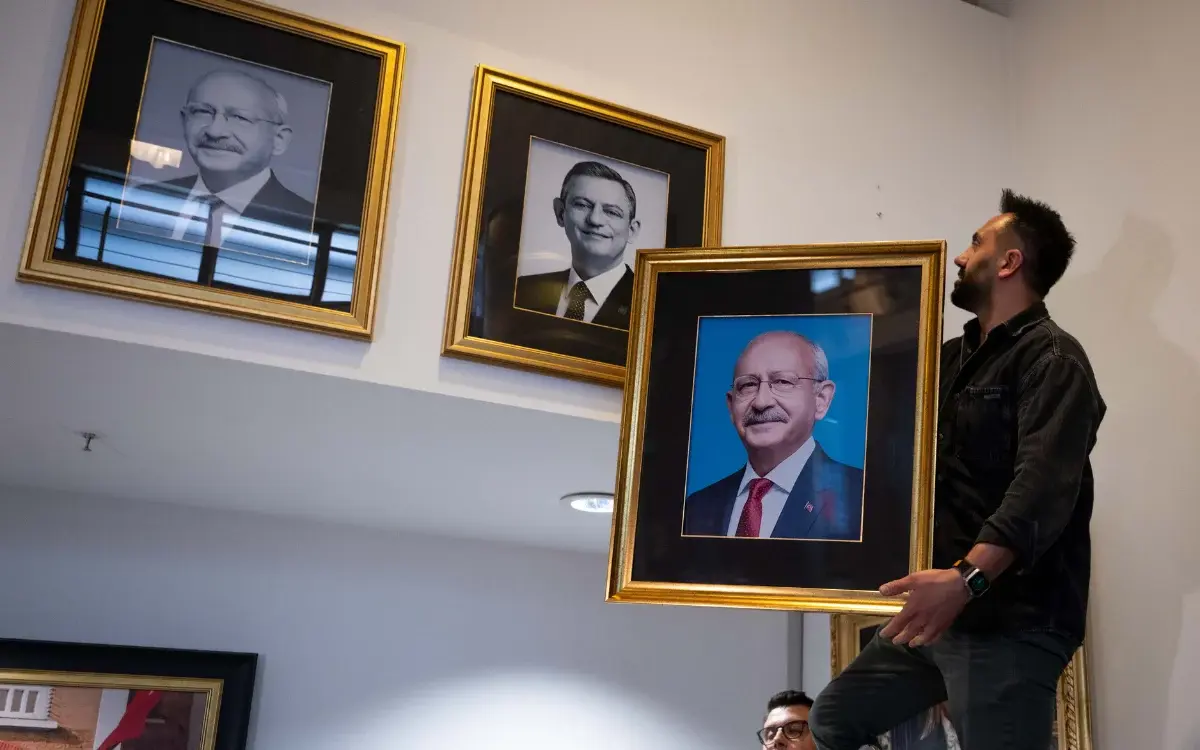
Kılıçdaroğlu, awaiting appointment by the state!



I first heard a realistic analysis of Kemal Kılıçdaroğlu from the academic Behlül Özkan in 2024. At the heart of Behlül Özkan’s analysis lies the thesis that Kemal Kılıçdaroğlu’s “series of failures” is not a personal coincidence or mistake; rather, it is the direct result of a systemic, “bureaucratic” political style stemming from his way of perceiving the state and the people.
In an interview, he says:
“There is a very important and exceptional situation that distinguishes Kılıçdaroğlu from all other political leaders in Turkish political history, especially those who have come to power. Kılıçdaroğlu is a bureaucrat, a high-ranking bureaucrat and technocrat. He joined the Finance Ministry in 1971 and rose through the ranks there, eventually heading Bağ-Kur and the Social Insurance Institution (SSK). Consequently, Kılıçdaroğlu has always acted in a collaborative manner with the state and the establishment, and this has benefited him as a bureaucrat. He took the helm of SSK, one of Turkey’s largest public institutions with over 60,000 employees. Despite being a leftist, the establishment, the state, and the ruling power—under a political structure where Demirel was prime minister and Özal was president—trusted Kılıçdaroğlu. Consequently, Kılıçdaroğlu’s approach as a bureaucrat has always been built on rising through the ranks by collaborating with the system and the ruling power. When I asked him about 2002 and his CHP leadership, he made a very telling remark: ‘When I joined the CHP, I didn’t know what a party was or what party politics entailed.’ This means: He is not someone who understands political party organization. Nor is he a politician who can rally the masses behind him.”
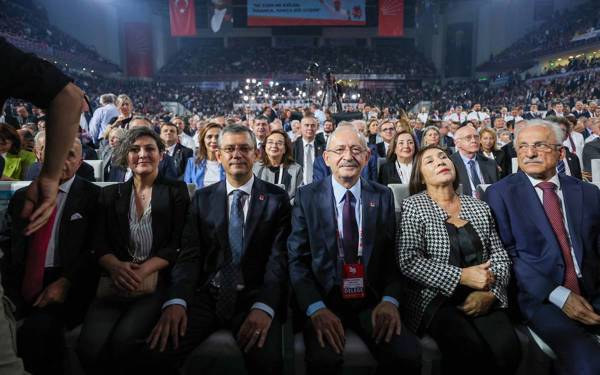
Court removes leadership of Turkey's main opposition party
In other words, Özkan says, “Kılıçdaroğlu ran against Erdoğan; but he did not establish a genuine political break with the state order Erdoğan had built. Instead of making the people, the organization, and the streets the main force in the march toward power, he invested in approval from within the state, internal system-level compromise, and the ‘emergence of suitable conditions.’”
Again, according to Özkan—and I believe this is the crux of the matter—this bureaucratic background has led Kılıçdaroğlu to perceive power not as something to be wrested from the state through the people’s strength, but as a position the state will “deem appropriate to appoint” once conditions ripen. For Kılıçdaroğlu, politics is an appointment process. And the fact that we are once again discussing “an appointment” in May 2026 is surely no coincidence.
Özkan even went further, stating that Kılıçdaroğlu’s general attitude—which, like a pressure cooker releasing steam, pacifies the opposition into accepting the status quo—has elevated him to the position of “the regime’s leading collaborator.”
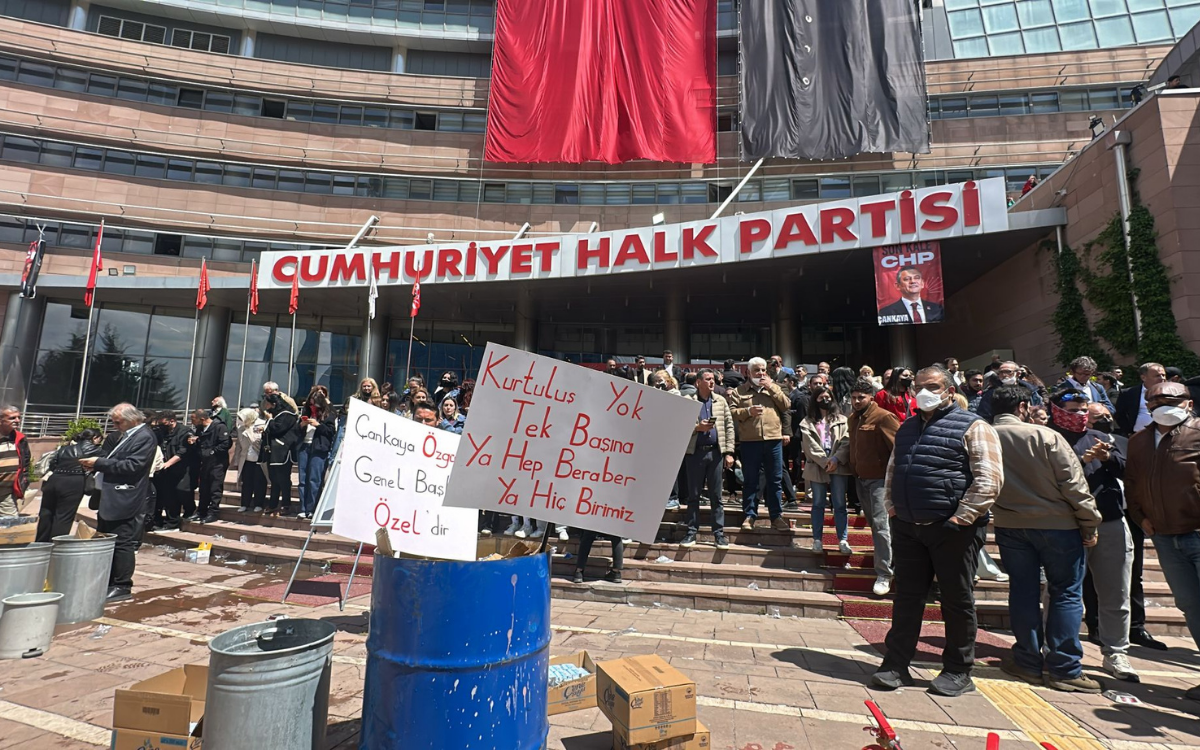
Police storm CHP headquarters after leadership ouster
***
A second context involved certain truths articulated by political scientist Aytuğ Şaşmaz.
According to Şaşmaz, Kılıçdaroğlu has sought to soften the CHP’s classic ‘hardline secularist’ image; through steps like the language of reconciliation, opening up to the right, and the headscarf law, he has aimed to steer the party toward a line that is ‘non-threatening’ to conservative segments. Although he knew what not to do by purging the old elitist cadres, he did not know how to fill the resulting void or what to do. In other words, he thought about the strategy of destruction but not the strategy of construction. As someone unfamiliar with the organization, he avoided engaging in the exhausting and long-term struggle to transform the party organization into a merit-based structure from the grassroots up. He quickly lost hope that the organization could be transformed and abandoned the vacuum within the party to local power centers (delegate networks). By giving up on growing his party’s internal dynamics and its own inherent strength, he expended his energy outward—that is, at the negotiating table, forging “top-down” alliances with other parties. He has become a successful “architect of alliances” but has failed to be a leader who builds his party’s organizational machinery.
***
Now, drawing on these two analyses, perhaps the following point needs to be made.
Kılıçdaroğlu truly acts with a “bureaucrat’s reflex.” He has lived his life believing that the state would constantly “call upon him” and “bring him back.”
Kılıçdaroğlu’s political inaction is not a personal flaw but the inevitable result of a specific understanding of the state-society relationship.
It is highly likely that he views the decision of absolute nullity as “a kind of call from the state.”
According to his logic, the state told him to take up his post. It was the state, not the government, that said this! (But let us emphasize that there is also a concentrated power-oriented mindset embedded within this state.)
Because for him, legitimacy comes not from the will of the people but from the state’s endorsement.
In other words, it can be said that during his 13-year tenure as party leader, Kılıçdaroğlu worked alongside Erdoğan. During this time, he moved forward by convincing “those who trusted him” and repeatedly defusing any momentum that could have shaken the system. That was his function.
Let’s look at this final, absolute case. Kılıçdaroğlu did not engage in any confrontation, did not take any action; he simply waited and held out until the state told him to go.
Imagine a country where the main opposition (in the person of Kılıçdaroğlu) has learned, over decades, to fall in line instead of resisting, to “wait for the right conditions to emerge” instead of winning, and to set up a negotiating table instead of building; this is the failure of an opposition culture. Without dismantling this learned obedience, neither can the CHP be revitalized, nor can the Kurdish issue be resolved, nor can the regime be truly defeated. Because the secret to Erdoğan’s ability to stay in power for so long cannot be explained solely by his own strength; the real reason lies in the fact that the opposition he faces has been shaped by a reflex that waits to be called upon by the ruling power rather than demanding power itself. The fundamental lesson to be drawn from this is that “politics that awaits the state’s approval cannot rally society behind it.” (SB/VC/VK)

Uluslararası ilişkiler ve Siyaset Bilimi öğrencisi. Güncel siyasal okumalar ve gelişmeler üzerine çalışıyor.