












The Radio and Television Supreme Council (RTÜK) issued a directive to broadcasters ahead of the Jul 7-8 NATO summit in Ankara, urging them to observe "national security perspective" during news bulletins and discussion programs.
The directive sent on Jul 5 says the summit would highlight "Turkey's key role within NATO and its regional deterrence:
"This summit, which will once again highlight Turkey's key role within NATO, its diplomatic effectiveness, and its regional deterrence, is an important process in which we will display the dignity of our state and the hospitality of our noble nation in the international arena."
"In this critical period where global security and diplomacy topics intensify, it is of great importance for our broadcasting organizations to observe the public interest and our national security perspective in news and discussion programs.
"It is our basic expectation that broadcasts are carried out with an understanding based on verified information, measured, observant of societal sensitivities, and free from disinformation."
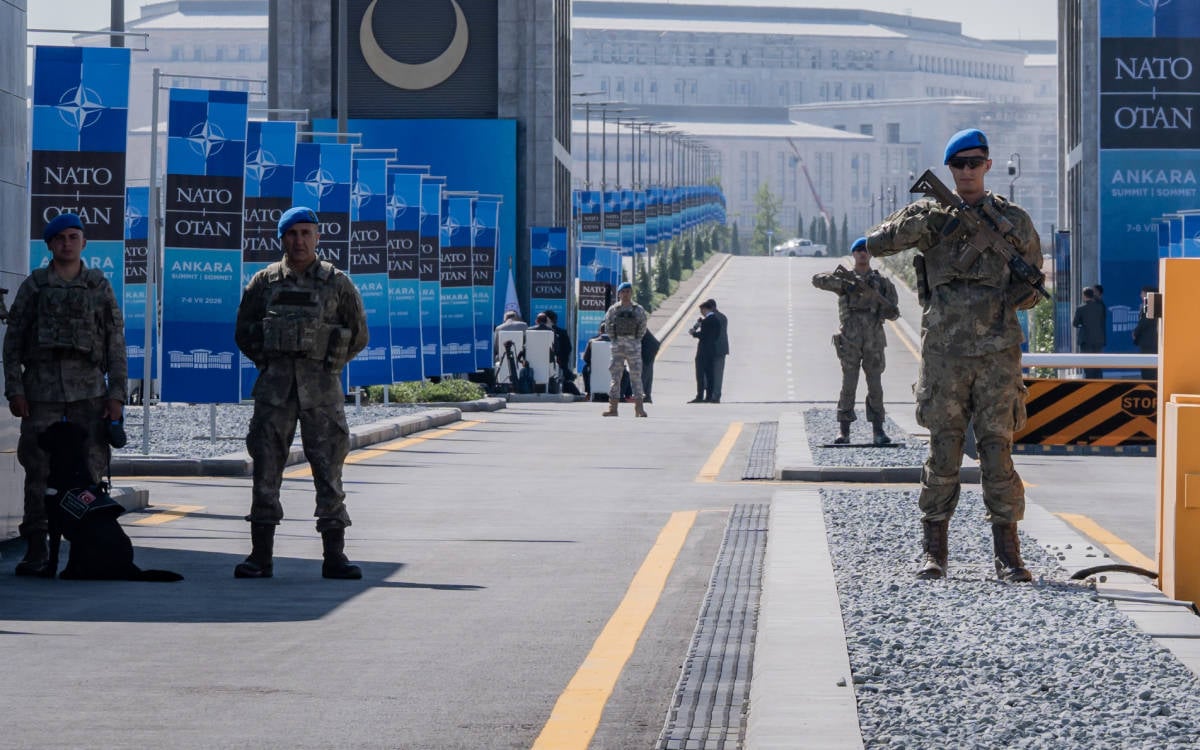
Turkey detains dozens, including journalists, in new wave of raids ahead of NATO summit
Broadcasts to be monitored
The council also added a warning that it will be monitoring programs:
"As the Radio and Television Supreme Council, we base our approach on the balance between freedom of expression and broadcasting responsibility; we importantly remind that all broadcast streams are being monitored by our Monitoring and Evaluation Experts with a meticulousness appropriate to the significance of the summit
"We believe that our broadcasting organizations will act with a professional ethic worthy of our country's international standing, and we wish all our media members success in their duties."
RTÜK imposed 625 sanctions on TV, radio outlets in 2023
Legal framework on RTÜK's duties
According to the council's directive, experts monitor broadcasts for compliance with Law No 6112 on radio and television services and relevant legislation. The council decides whether to apply sanctions after expert reports are submitted.
However, it's not among the council's duties to decide how broadcasters will report on a topic or from which perspective a public debate will be conducted as per the law in question. Newsworthiness, editorial choice, and the public's right to receive information are not determined by expectations of administrative institutions.
Article 26 of the Constitution guarantees freedom of expression, while Article 28 guarantees press freedom. The Constitutional Court has also ruled in various decisions that freedom of expression and press freedom were violated, referring to the importance of the right to report and criticize in public debate. (HA/VK)

