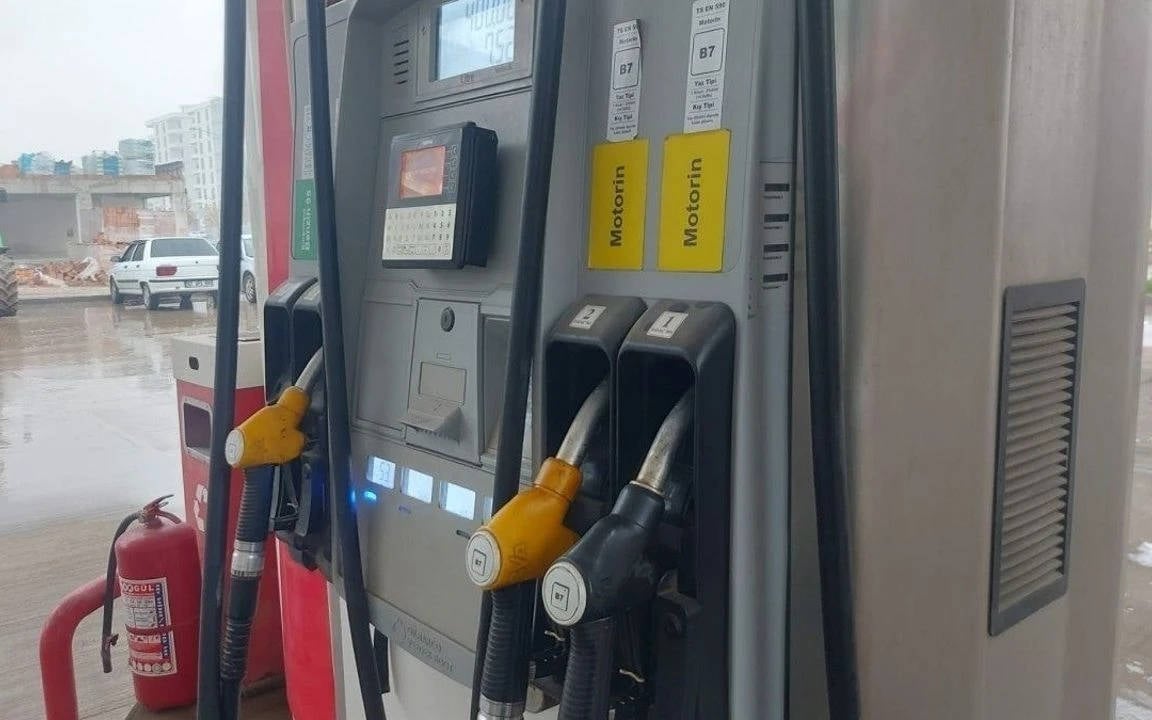






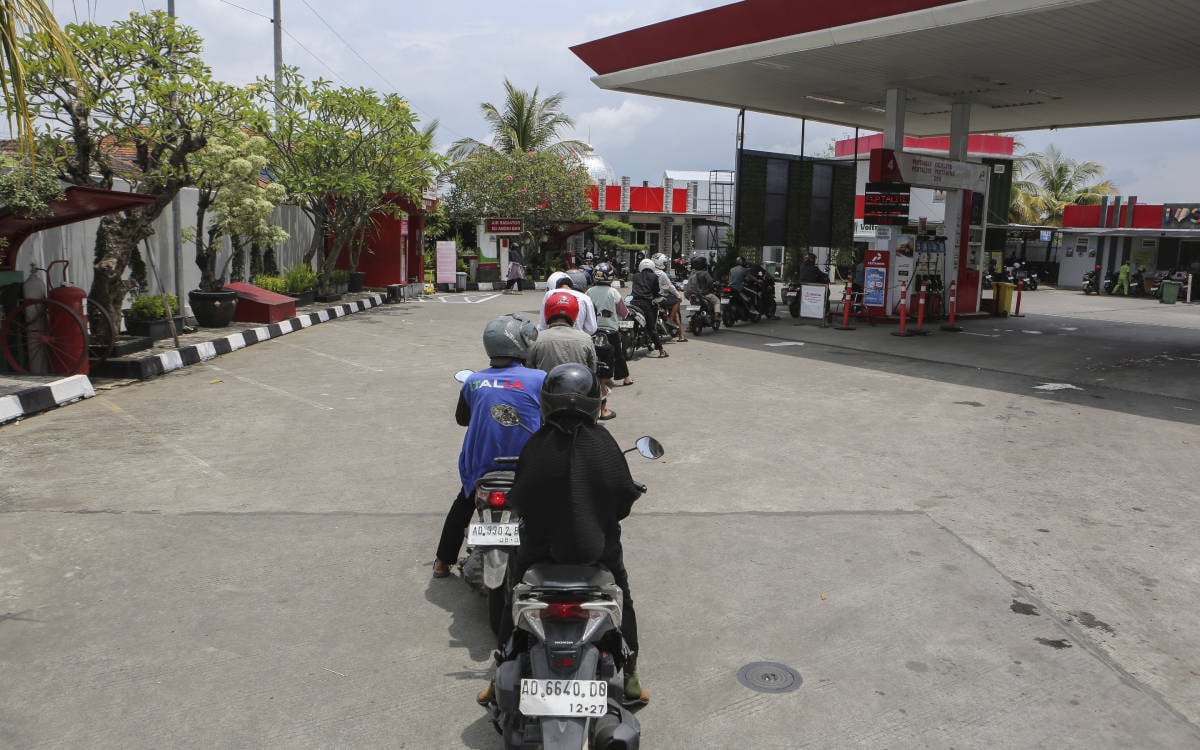



A sharp decline in global crude oil prices, triggered by a temporary ceasefire between the US, Israel, and Iran, is expected to result in a reduction of up to 17% liras in domestic fuel prices, according to media reports. The breakthrough follows the reopening of the Strait of Hormuz, which has significantly alleviated supply concerns and caused oil prices to plummet by more than 10%.
Industry sources by various Turkish outlets indicate that the drop in Brent crude will now translate into lower costs at the pump. While the exact figures will be finalized following the opening of the Italian markets, initial data suggests a reduction exceeding 10 liras for both gasoline and diesel.
The application of these discounts will vary due to the sliding scale (eşel mobil) system. The discount for diesel is expected to be reflected entirely in the pump price as the Special Consumption Tax limit has been exhausted. Under the current system for gasoline, 75% of the calculated discount will be used to replenish the ÖTV, while the remaining 25% will be applied as a price cut.
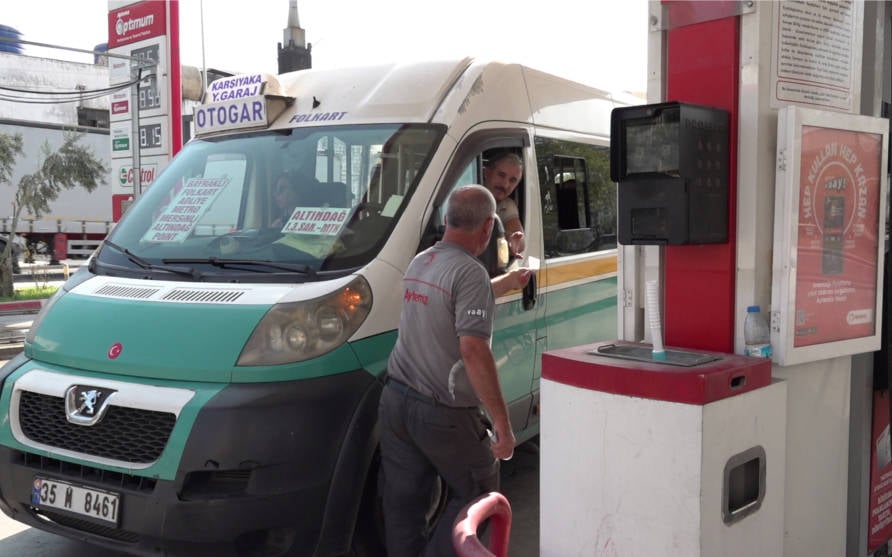
Amid Iran war, transport prices jump over 4.5% in Turkey in a month
The conflict, which began on Feb 28, saw Brent crude appreciate by 53% in a short period. To mitigate the impact on consumers, the government implemented the sliding scale system, absorbing 75% of potential price hikes through tax adjustments.
Despite these measures, fuel prices have risen significantly since the start of the war. In İstanbul, gasoline rose from 58.34 liras to 63.25 liras, while diesel surged from 60.39 liras to 85.29 liras. LPG prices also saw a 15.5% rise during the same period, moving from 30.29 liras to 34.99 liras (1 US dollar = 44.51 Turkish lira). (VK)