









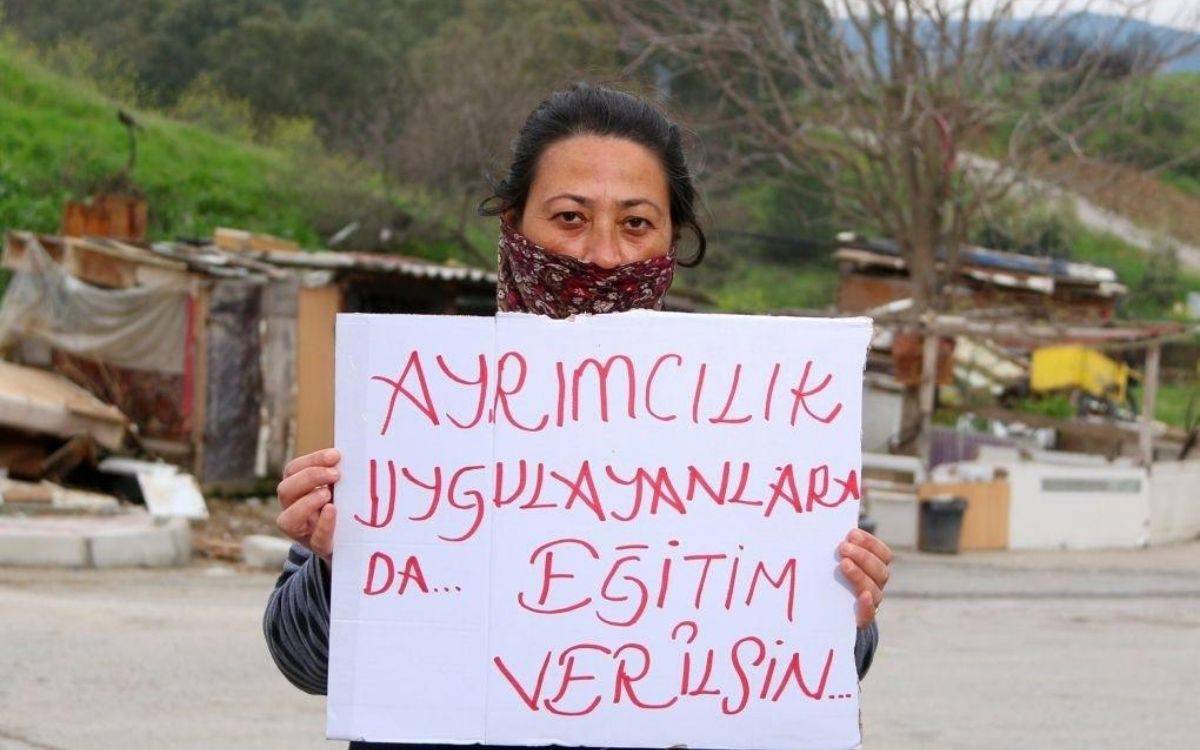



A new report reveals that deep poverty, systemic discrimination, and registration hurdles are preventing one-third of Turkish and Syrian Dom and Abdal children in Antep, southeastern Turkey, from regularly attending school.
Doms and Abdals are distinct minority groups living in Syria. Doms are a subgroup of the Roma people and Abdals are a semi-nomadic community historically living in Anatolia.
The study by the Antep-based Kırkayak Kültür association indicates that deep poverty, multiple forms of discrimination, seasonal migration, address registration issues, and school expenses frequently interrupt the right to education.
The report, published in Mar 2025, is based on interviews with 150 caregivers conducted between Mar 2024 and Jan 2025, alongside focus groups involving 21 parents, 8 teachers, and 7 school administrators.
Living conditions and economic insecurity
According to the research, 564 children reside in the 150 households surveyed. Two-thirds of these families live in shantytowns, shacks, or multi-story informal dwellings. Half of the households occupy two-room houses, while 19 percent live in single-room homes. The report notes that children often lack quiet study spaces or access to tablets and computers. Furthermore, 55.1 percent of the 147 women interviewed are illiterate.
Economic instability remains a primary factor in educational access. Among the women surveyed, 67.9 percent stated they married as children. Most families access healthcare through the 'Green Card' system, with only 17 individuals covered by Social Security Institution (SGK) insurance. Additionally, 13 Syrian households reported having no social security coverage at all.
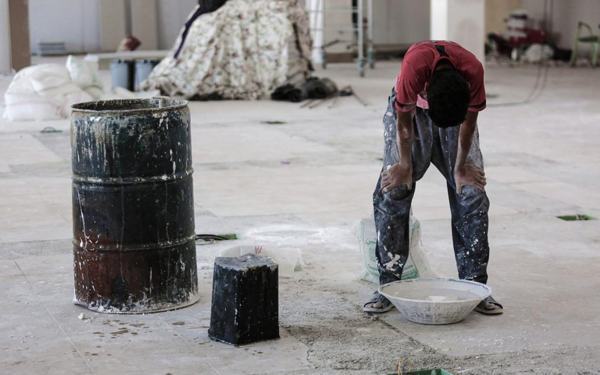
Invisible in data, embedded in workforce: Refugee child workers in Turkey
High absenteeism rates
One of the most striking findings concerns school attendance. In four primary schools where Kırkayak Kültür conducted pilot work, 36.7 percent of enrolled children do not attend school regularly. The report emphasizes that when parents claim a child 'attends school,' it sometimes refers to attending only one or two days per week.
Reasons for absenteeism and dropouts include peer bullying, negative teacher attitudes, lack of uniforms, and the need for children to care for siblings or work. Other factors include seasonal agricultural migration, health issues, and fears regarding harassment or kidnapping on the way to school.
Intergenerational poverty
The report highlights the impact of intergenerational poverty through parental testimony. One parent stated, "We want our children to reach a good place and have a profession when they grow up. We do not want them to be like us. We did not study; we became housewives and took care of our children. We married at a young age."
Teachers also stressed that the issue extends beyond the classroom. One educator remarked that 'simply sending them to school is not enough,' noting that every child has a background story and a family situation. They argued that the right to education cannot be separated from housing, transportation, and the burden of care.
CORONAVIRUS
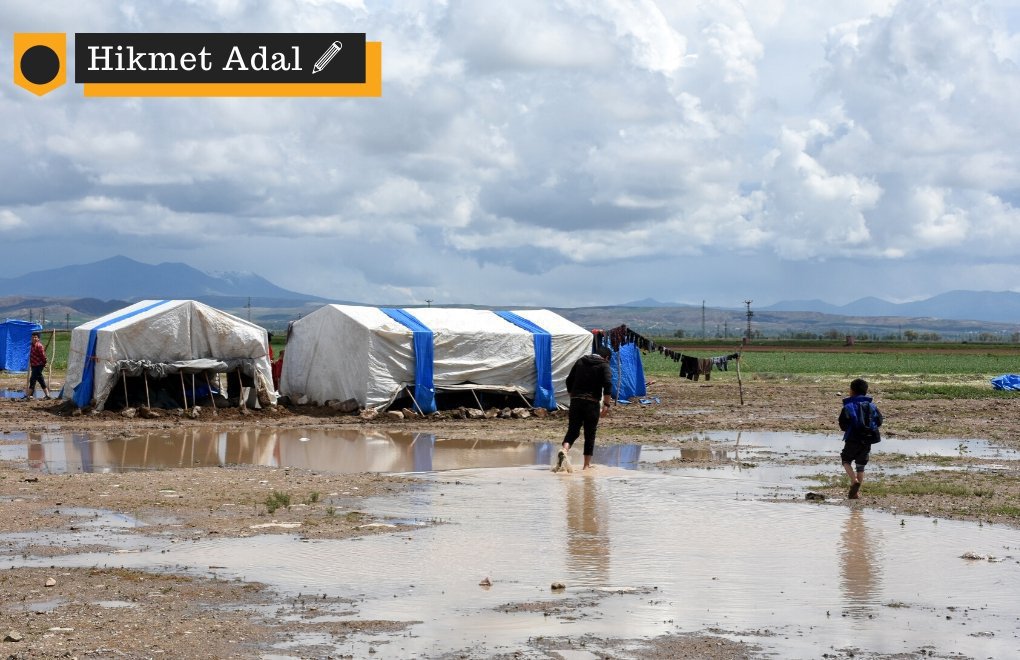
‘If Seasonal Agricultural Workers Cannot Find a Job, Child Labor will Increase’
Pathways to solutions
Address registration systems present a specific barrier for Syrian Dom and Abdal children. Delays in updating addresses often hinder school registration, causing long gaps in education.
The report recommends providing flexibility in registration processes and creating temporary solutions for children lacking address records. It also calls for strengthening support mechanisms for transportation, school supplies, and meals.
The strategic roadmap proposed by Kırkayak Kültür includes enhancing preschool adaptation, organizing parent workshops, and providing inclusive education training for teachers and administrators. It further suggests regular home visits for attendance monitoring and makeup programs for children of seasonal workers. (NÖ/VK)

