








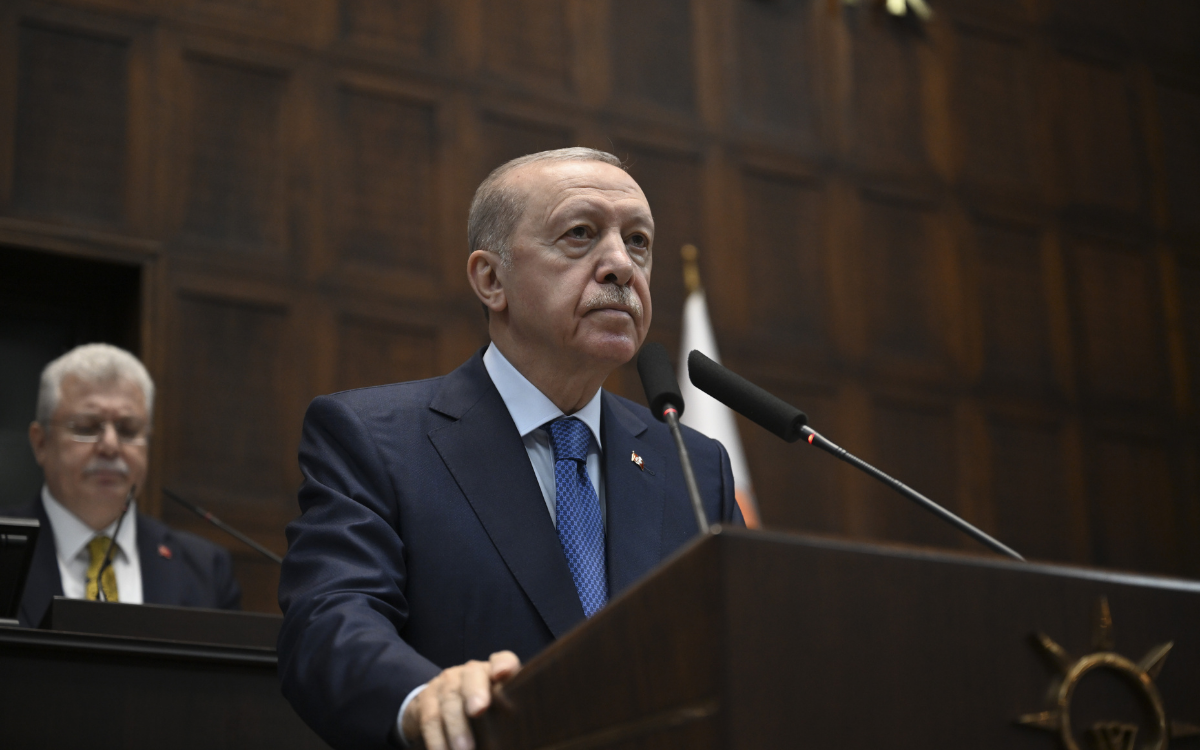



President Recep Tayyip Erdoğan said today that a legal framework will soon be introduced to parliament as part of the Kurdish peace process that has been ongoing for nearly two years.
"At the point we have reached, we are working on a legal framework that will accelerate the liquidation process of the PKK," Erdoğan said in a speech to his ruling Justice and Development Party (AKP) parliamentary group. "After holding the necessary consultations, we will present the regulation in question to the discretion of parliament without much delay."
The current peace process began after Devlet Bahçeli, Erdoğan's key ally and the leader of the Nationalist Movement Party (MHP), suggested in Oct 2024 that imprisoned leader Abdullah Öcalan could be released by utilizing the right to hope in exchange for the Kurdistan Workers' Party (PKK) dissolving itself.
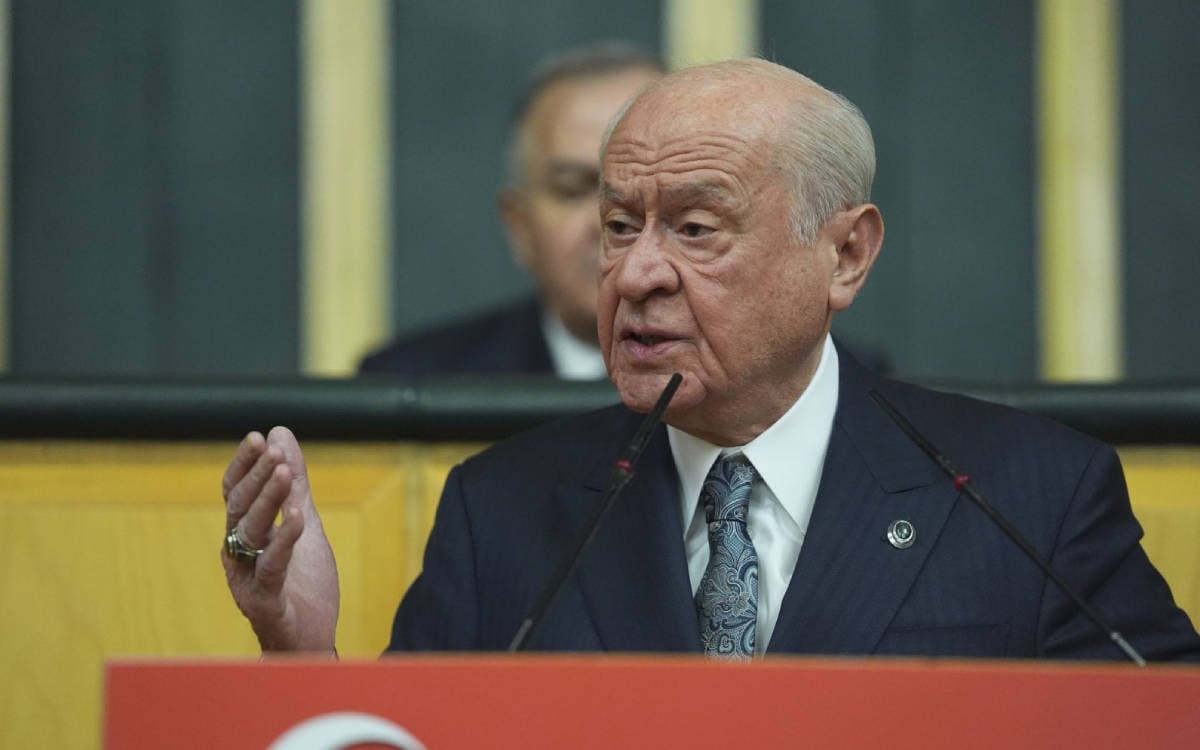
Bahçeli proposes formal status for Öcalan to guide PKK dissolution
The PKK declared its dissolution at a congress in May last year and later held a symbolic disarmament ceremony. Subsequently, a commission was established in parliament in the second half of the year to determine the legal process regarding the peace process. The commission completed its work in December.
While no other concrete developments have taken place in the process so far, the pro-Kurdish Peoples’ Equality and Democracy (DEM) Party has been regularly calling on the ruling bloc to create the legal framework.
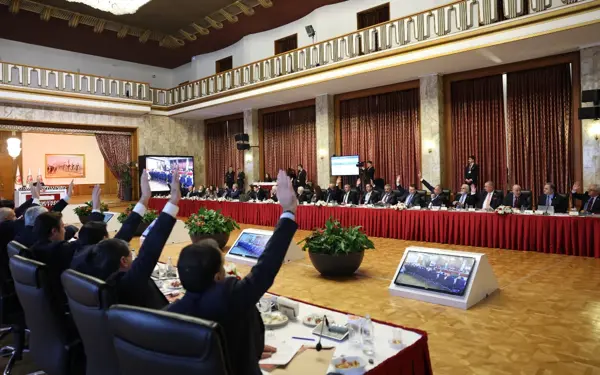
Parliamentary committee passes final report on Kurdish peace process
Impact of regional developments
Erdoğan also highlighted the impact of regional developments, which slowed down the peace process in Turkey. "We would very much wish to resolve this 50-year-old issue swiftly and put it behind us. Unfortunately, the dynamic geopolitical situation our region is currently facing makes it essential for us to address multiple crises simultaneously and to proceed with the utmost caution," he said.
He welcomed the Syrian Kurdish forces’ integration into the Syrian interim government, which he said was “one of the biggest obstacles in front of the process.”
Syrian Kurds and the Damascus government reached an integration agreement in January after Kurdish-led groups lost most of the Arab-majority territory they held after weeks of clashes.
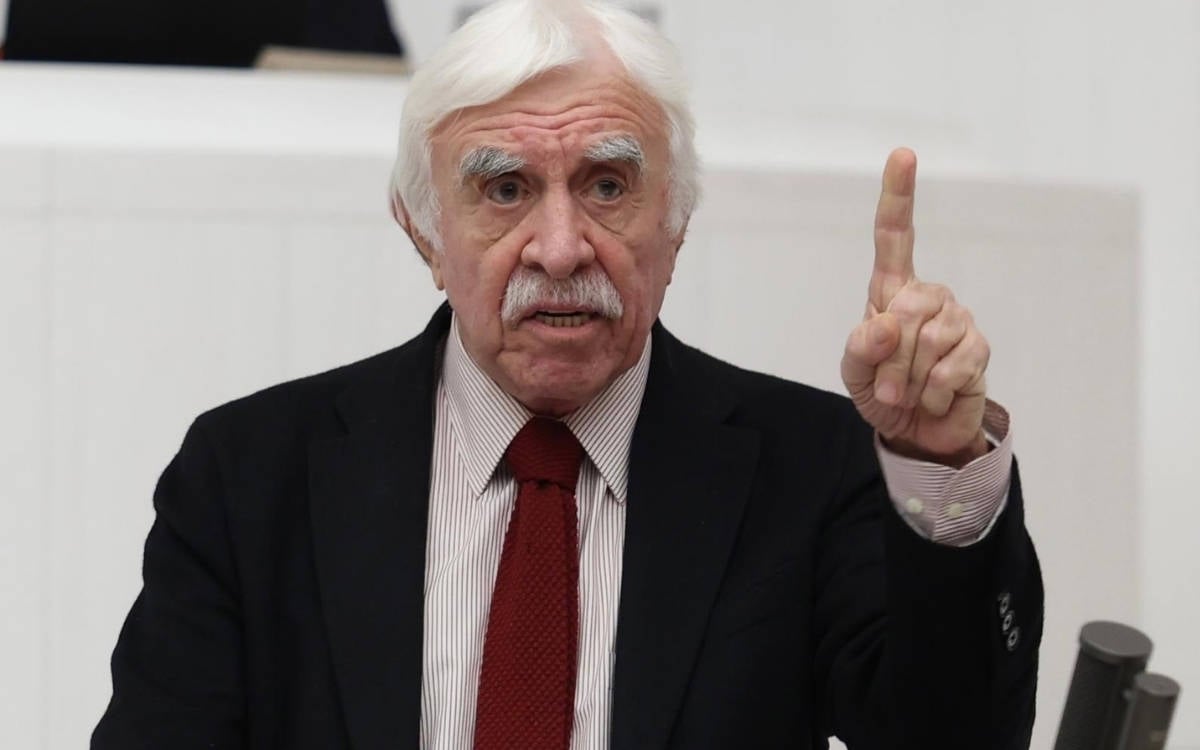
INTERVIEW WITH MP CENGİZ ÇANDAR
'Turkey's peace process will gain momentum after Damascus-SDF agreement'
“The Iranian crisis has certified that the process is of vital importance not only for our country and region but also for our Kurdish brothers,” Erdoğan continued. “Thanks to the positive atmosphere and dialogue channels provided by the process, greater seditions that would also harm our Kurdish brothers have been prevented.
"I will suffice to say only this here: It will be seen more clearly in the future what a bloody, what an insidious game we have disrupted as Turks, Kurds, Arabs, and Persians.”
In the war launched by the US and Israel against Iran on Feb 28, the prospect of supporting Kurdish armed groups in Iran against the Tehran administration gained traction. US President Donald Trump claimed that they had sent weapons to the Kurds but that they kept them for themselves rather than supplying them to insurgent groups, which was denied by Kurdish groups.
PKK rejects US-Israeli war on Iran: 'Kurds are not anyone’s soldiers'
(VK)

