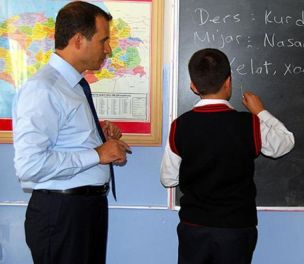





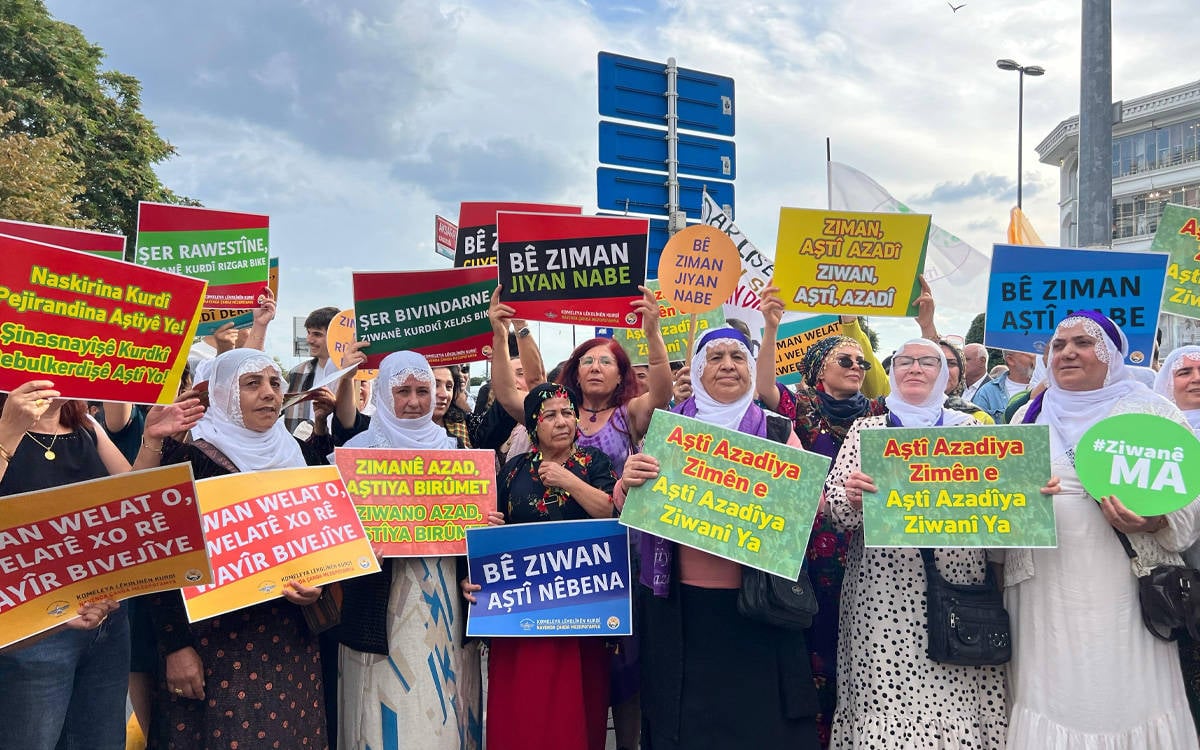



Demand for elective Kurdish language courses in Turkey’s middle schools reached its highest level in 15 years during the 2025-2026 academic year, according to a report by the Memur-Sen civil servants union and Rawest Research pollster based on National Education Ministry data.
Student selections for Kurdish dialect courses rose to over 35,000 with 30,441 students enrolled in Kurmanji and 4,488 in Zazaki dialects, the figures showed.
Enrollemnts in Kurdish language courses made up over 90% of all selections. Adyghe was chosen by 400 students, Bosnian by 144 and Laz by 41.
The figures mark the highest number of enrollment in the "Living Languages and Dialects" course since introduction in 2011. It was nearly 60% above the previous peak in 2015 and marked a 295% increase from the lowest level recorded in 2020.
The course is available at middle schools, which have a total enrollment of about 5.3 million students nationwide.
Survey shows strong support for Kurdish in education amid declining use among youth
Situation in Kurdish regions
Demand for Kurmanji was concentrated in Diyarbakır, Mardin and Batman. Diyarbakır recorded the highest enrollment with 7,421 students, followed by Mardin with 6,058 and Batman with 4,694.
Hakkari had 3,226 Kurmanji students, while Van had 2,971 and Şırnak had 2,256. Enrollment stood at 1,016 in Ağrı, 939 in Urfa, 676 in Bitlis, 565 in Siirt, 324 in Mersin and 183 in Muş.
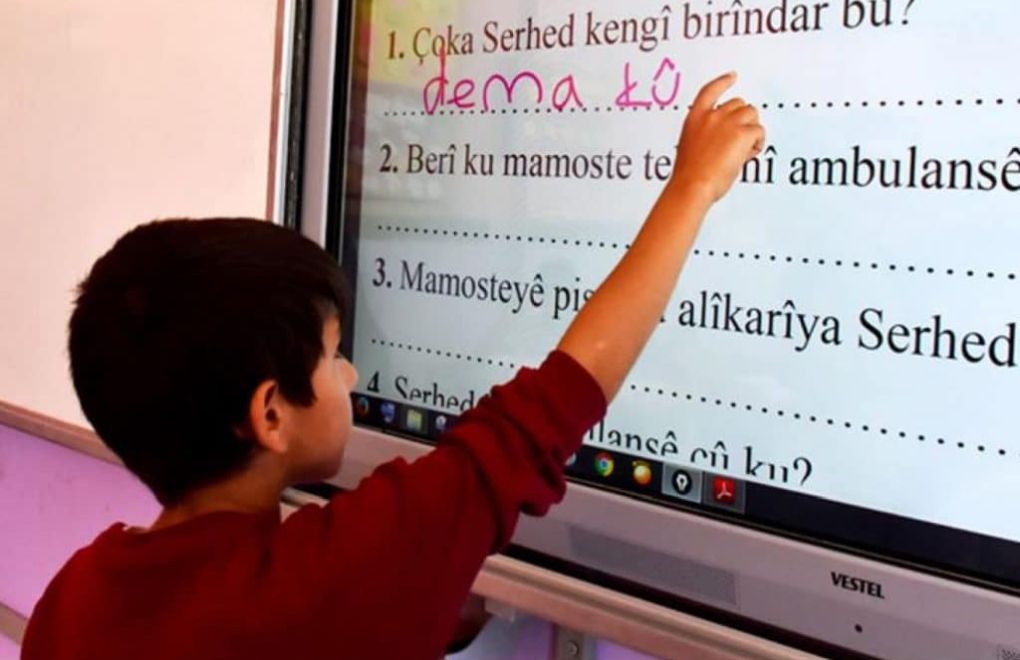
Survey: 31 percent of Kurdish families don't speak to their children in Kurdish
Diyarbakır, Mardin and Batman together accounted for about 60% of Kurmanji enrollment. Diyarbakır alone represented nearly one-quarter of the nationwide total.
Changes from the previous academic year varied by province. Kurmanji enrollment rose by 47% in Bitlis, 31% in Van, 17% in Ağrı, 14% in Batman and 12% in Şırnak.
It fell by 35% in Urfa, 16% in Hakkari, 10% in Diyarbakır and 5% in Mardin.
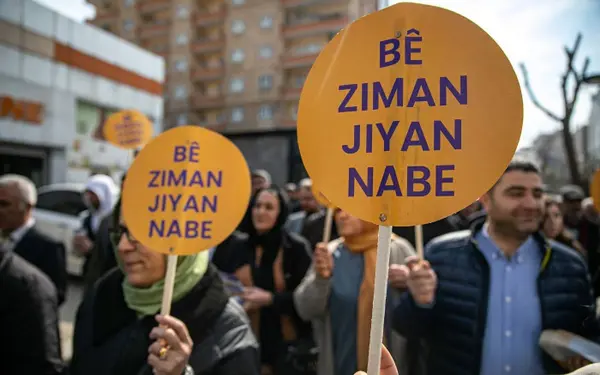
'A response to pressure': Full enrollment in universities’ Kurdish language departments
Zazaki enrollment was highest in Bingöl, where 3,021 students selected the course. Diyarbakır followed with 1,285 students, while Dersim recorded 171.
The presentation identified Diyarbakır as the main center for Kurmanji enrollment and one of the few provinces where demand was high for both Kurdish dialects.
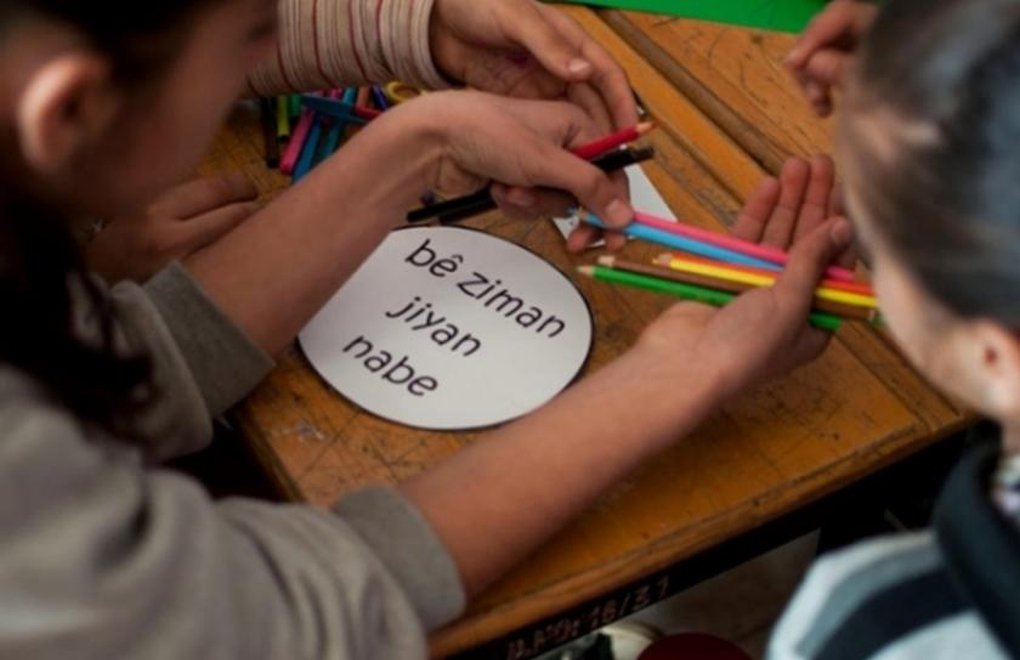
Study: Kurds want education, municipal services in mother tongue
Gender distribution among Kurmanji students was nearly even. Boys accounted for 15,631 students, or 51.3%, while 14,810 girls made up 48.7%.
Kurdish language teachers were largely assigned to districts in eastern and southeastern regions of the country, broadly matching the provinces with the highest demand.
Assignments in western provinces remained limited, except in several migration destinations, including İstanbul and Antalya. (NÖ/VK)