







Bilgesu Erenus, a prominent playwright, author and activist whose work brought Turkey’s political and social conflicts to the stage, died yesterday at the age of 83.
The İstanbul Metropolitan Municipality City Theaters announced her death and offered condolences to her family.
“We are deeply saddened to learn of the death of Bilgesu Erenus, one of the valuable figures of Turkish theater and literature,” it said. “We remember with respect and mercy Bilgesu Erenus, who left a profound mark on dramatic literature through her works and wrote ‘Yaftalı Tabut,’ which is part of our repertoire.”
A memorial ceremony will be held at the Harbiye Muhsin Ertuğrul Stage on Aug 8 at 10.30 am local time (GMT+3).
Erenus continued writing politically engaged plays even when they struggled to find stages. Her works addressed labor, history, political pressure, identity and the position of intellectuals in society.
Her plays included “El Kapısı,” “Ortak,” “Kaside,” “Kelaynaklar,” “Halide,” “555 K,” “Dokumacılar,” “Fikret,” “İkiantikomünist,” “Themis ile Lombroso” and “Yaftalı Tabut.”
She also wrote the novels “Kazı,” “Gece” and “Göz,” as well as memoirs, essays, biographies and screenplays. Her screenwriting credits included “Bir Tren Yolculuğu,” “İkili Oyunlar,” “Devlerin Ölümü” and “Dersim 38.”
Erenus worked at the Turkish Radio and Television Corporation (TRT) from 1965 to 1973. She left after her first play was staged by Ankara Art Theater, but later described both TRT and the theater as her principal schools.
Erenus served on the executive board of the Writers Union of Turkey between 1977 and 1979, when author Aziz Nesin chaired the organization.
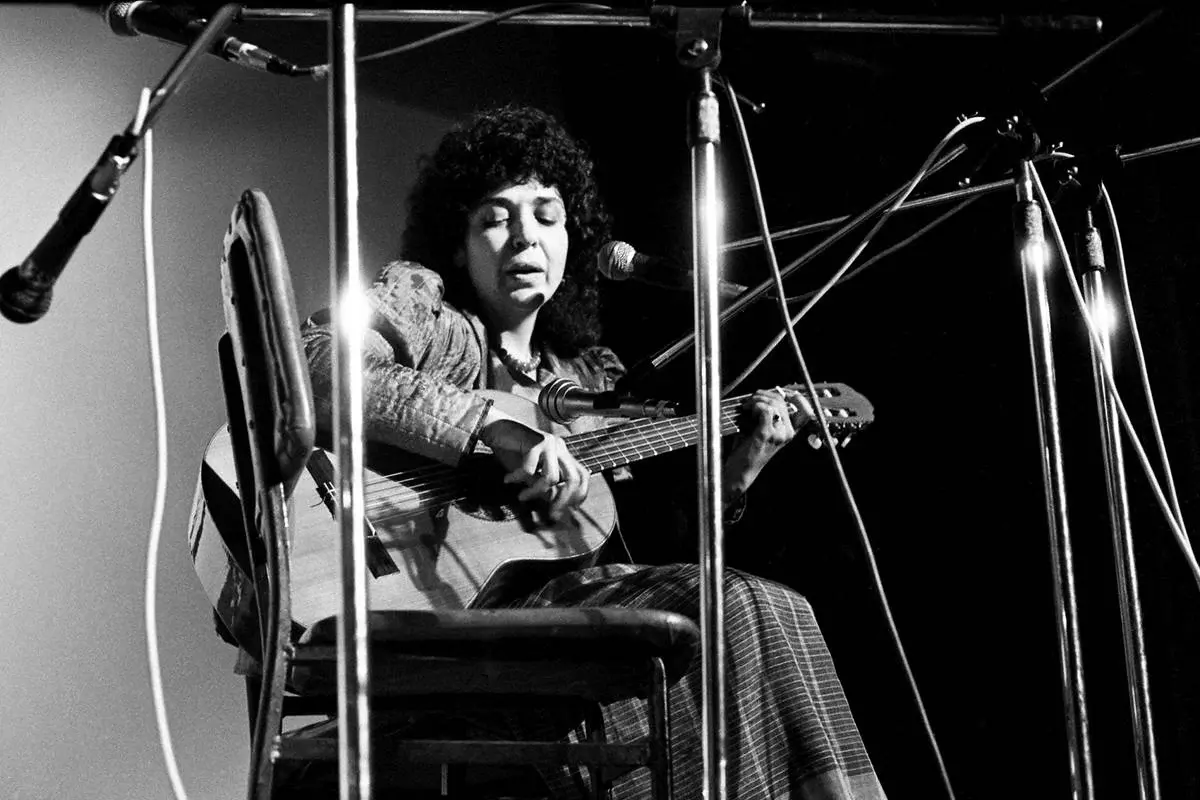
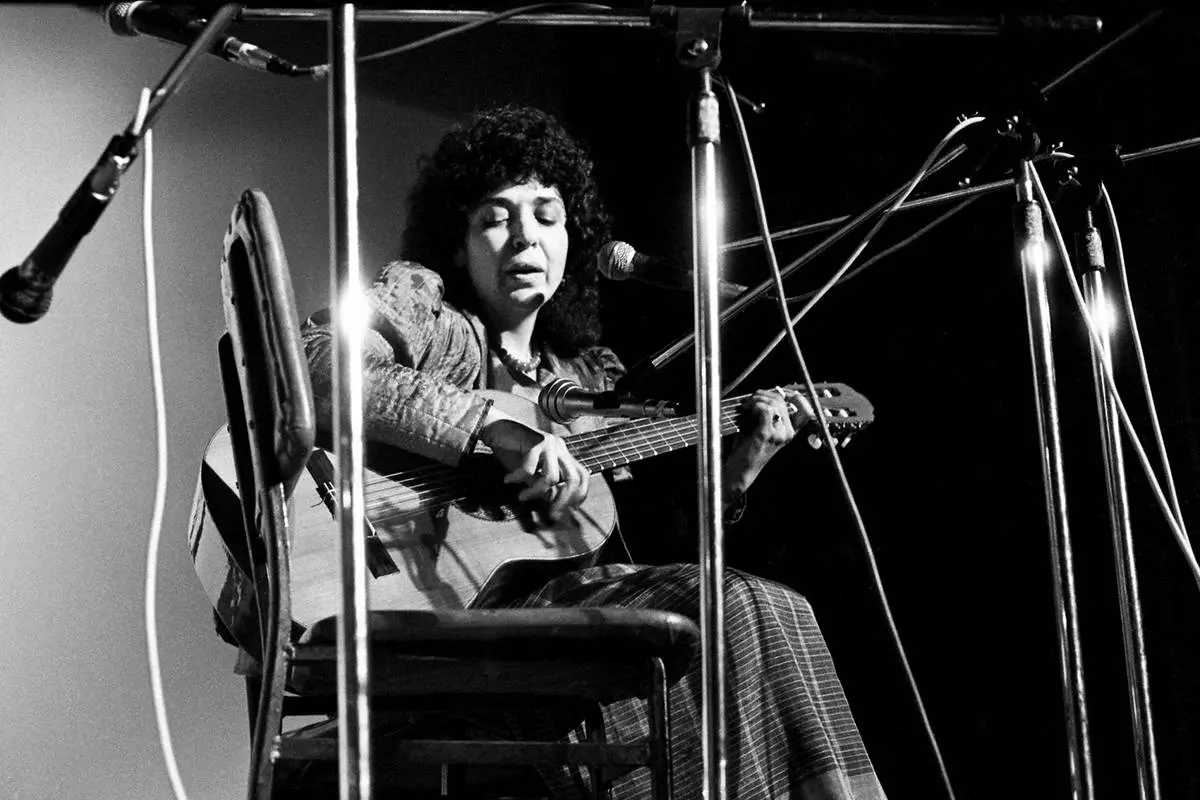
Erenus also recorded the music albums “Şarkılarımız” in 1987 and “Şarkılarımız Kardeştir” in 1998.
Political activities
In 1984, she was among the intellectuals who took a declaration opposing the rule of Kenan Evren to Çankaya.
She also contributed to Toplumsal Kurtuluş magazine, founded by the late socialist author Yalçın Küçük and his colleagues, and was its owner for a period. In 1987, she helped organize and presented the first May Day gathering held after the 1980 military coup.
Her efforts to challenge restrictions on the Kurdish language through music frequently resulted in her detention.
In 1995, she was briefly held at Bayrampaşa Prison after being tried by a military court on an accusation of discouraging the public from military service. The case followed her participation in a meeting organized by the Cam-İş union.
Erenus also opened her home to people involved in political protests. In 1986, she hosted university students who could not find a place to hold a hunger strike during protests against the Council of Higher Education.
In 2001, she hosted mothers of prisoners who sought to voice demands concerning prison conditions, aiming to protect them from police violence in the streets.
Pandora's Box
During the 2000s, Erenus performed a show titled “Pandora’nın Kutusu,” or “Pandora’s Box,” at public gatherings and university theater departments. Accompanied by her guitar and İbiş, a traditional Turkish theater character, she revisited scenes from her plays to examine the recent history of Turkey and the world.
Journalist Meral Aslankaya recalled meeting Erenus during the student protests of Apr 1987, when more than 2,000 students marched from Aksaray to Beyazıt against a proposed law restricting student associations.
Erenus arrived with her guitar to support students holding a hunger strike after hundreds of protesters were detained, Aslankaya wrote.
“At the darkest moment, when artists, intellectuals, academics, trade unionists and society as a whole had been intimidated, Bilgesu Erenus stepped forward with her guitar and her heart,” she said. “She was an honorable intellectual of this country and an important symbol of a period’s struggle for democracy.”
She was born in 1943 in Gölpazarı, in the northwestern province of Bilecik, where her father served as a district governor.
After attending Kadıköy Girls’ College, she briefly studied law and at a conservatory. She later graduated from İstanbul University’s Institute of Journalism. (VK)