Galician communities take on the challenge of revitalizing woodlands to fight wildfires


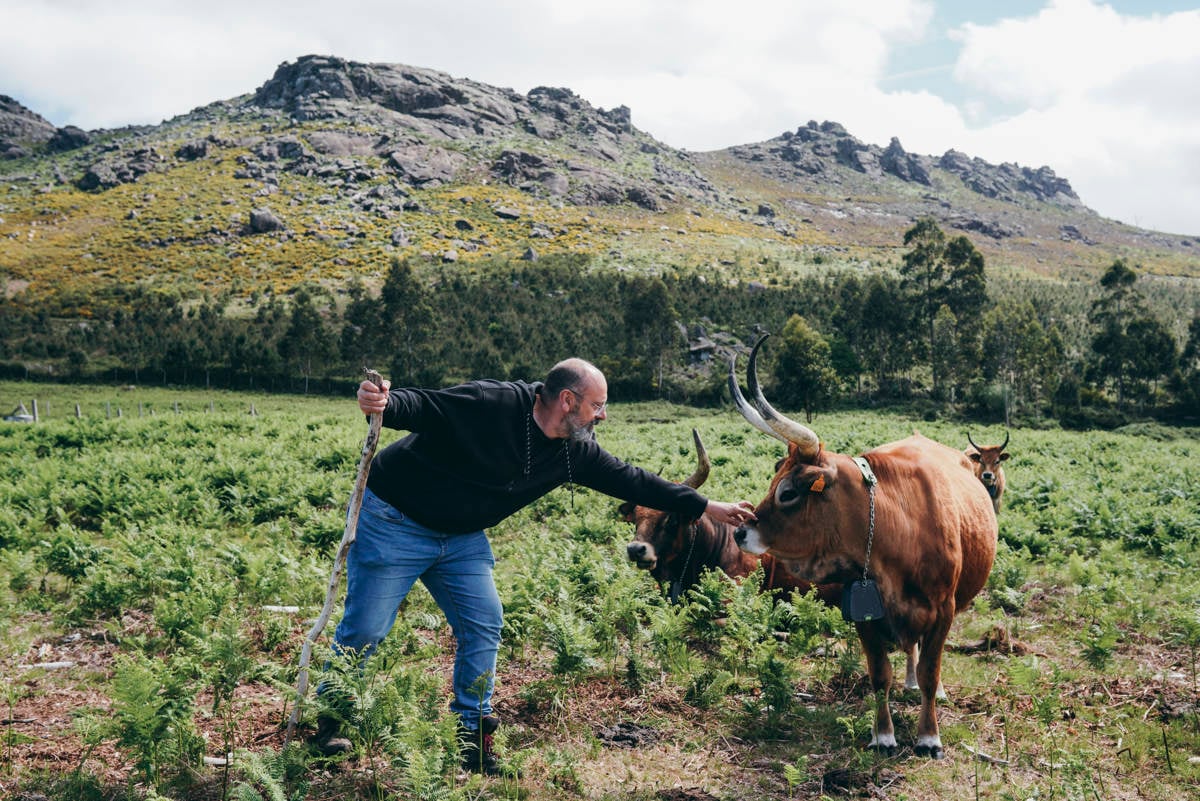



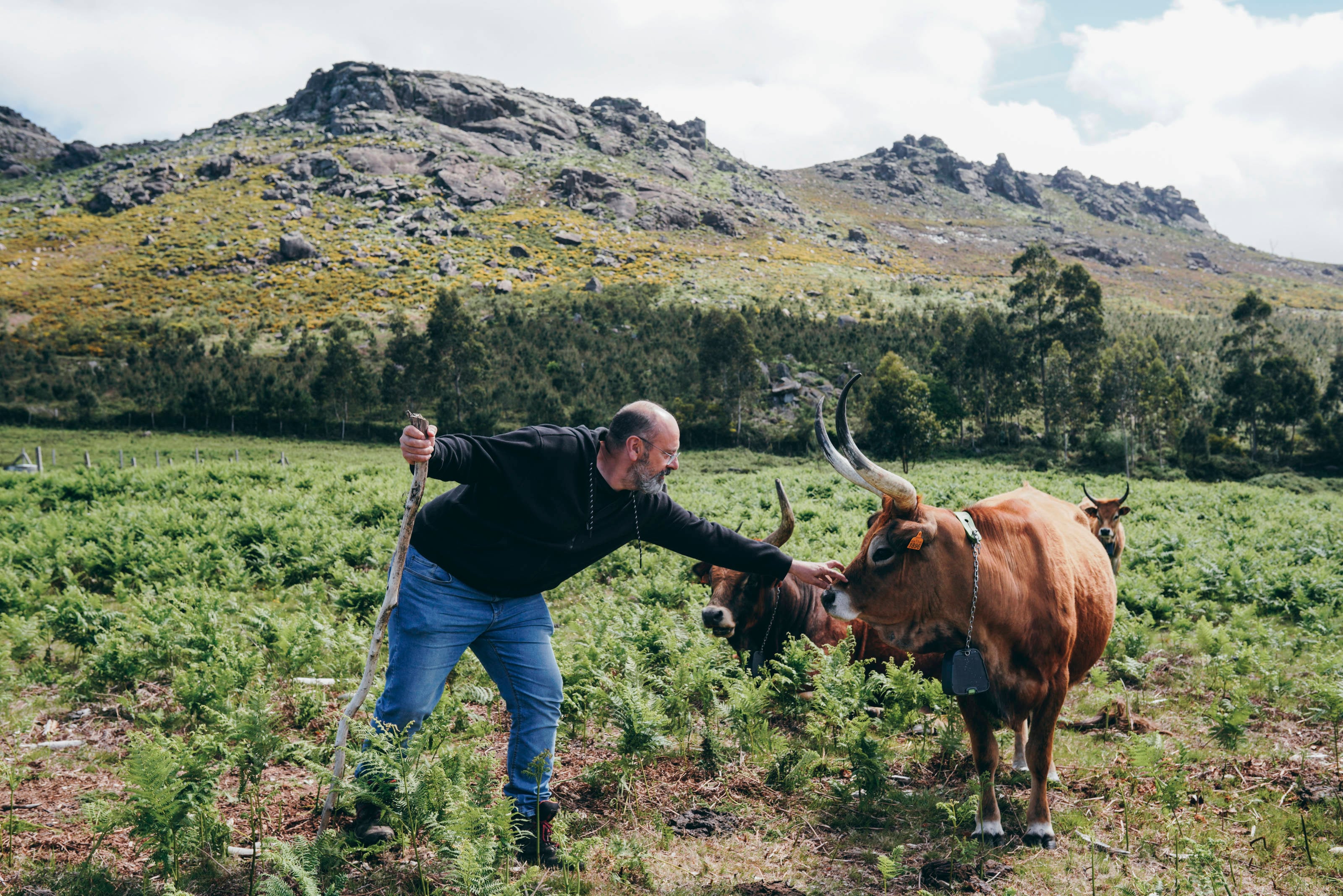
Monte Galiñeiro is a rocky lookout that towers over the Vincios forest in north-west Spain, one of the greenest areas of the Iberian Peninsula. At its foot, Cachena cows, a sturdy native breed known for its imposing horns graze daily the area.
José Taboada, a resident of Vincios, goes up every day to tend to these animals, which eat the local vegetation, clearing the land and protecting it from fires.
“In 2017 we had a fire that burned 81% of the mountain, about 500 hectares. That was our starting point. It wasn’t like that across the whole forest, but basically it was pine and eucalyptus land, there are still plenty of them around here,” explains Taboada, referring to two highly pyrophytic tree species whose surrounding undergrowth also fuels fires.
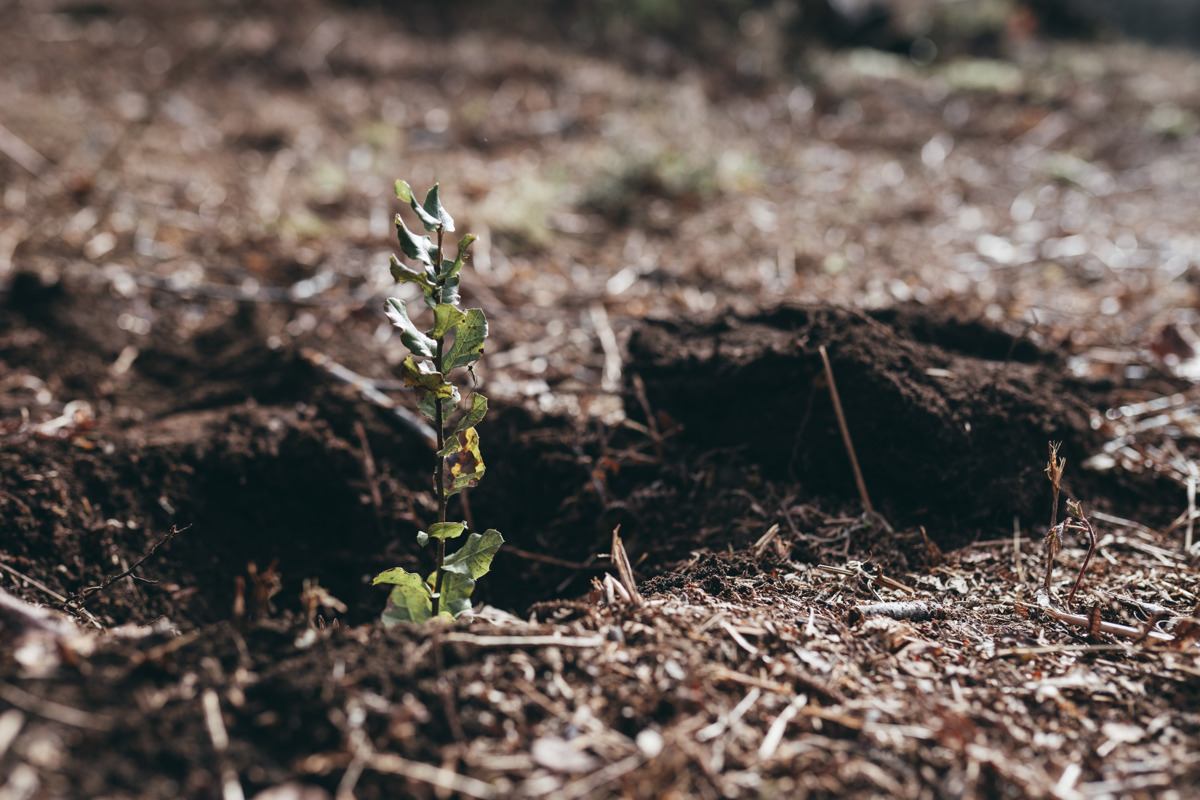
“That was when we experienced a paradigm shift. After the fire, we removed the eucalypts because their natural regeneration was completely out of control. Suddenly there were entire fields of pines and eucalypts. Little by little we got rid of them, pulling them out by the roots – it took many days of work,” he describes.
Taboada speaks enthusiastically about the changes to the mountain, decided by assembly in the Comunidad de Montes de Vincios. This form of collective ownership, dating back to the Middle Ages, is present throughout Galicia, with more than 2,800 community woodlands where residents own the land and decide together how to care for it.
“I’m from Baroña, I was born here, my parents too, my grandparents. The moment I move to another city, I lose my status as a commune member. So when decisions are made, the future of the mountain is taken into account,” says Ovidio Queiruga, president of the Comunidad de Montes de Baroña. The mountain is indivisible and immune to seizure; all resources are reinvested in the community, in an effort to support the rural economy and sustainable forest management.
In this region of Spain, battered by some of the worst fires in southern Europe, every decision has a major impact on the forests, and the community woodlands could be key to fire prevention. Two years ago, Vincios introduced cows and goats to clear the land, but other communities across the region have started using horses, Galician pigs, and rotating animals according to the season to keep the hills free of biomass.
“It’s a complete change in how we manage the mountain. We’re just starting out, we’re making mistakes, but it’s very clear: there is no other viable solution than extensive livestock farming. Anyone who says otherwise, I think, doesn’t understand what the mountain is,” Taboada asserts.
In 2025, forest fires in Galicia burned nearly 150,000 hectares – equivalent to more than 210,000 football pitches – across 1,492 recorded fires throughout the year. This year is shaping up to be even worse for the whole of Spain, where more hectares have already burned than in the entire previous year, making it the European country hardest hit by wildfires.
The fire situation presents very similar scenarios across southern Europe: increasingly prolonged heatwaves and droughts, fires spreading with unprecedented speed and intensity in forested areas, and woodlands suffering the effects of growing rural depopulation. The community woodlands have been testing different methods for years to care for the land while preventing fires. Silvopastoral practices can offer a more sustainable, lower-cost alternative to mechanical clearing for keeping the hills clear. By eating the vegetation, the animals create open areas, breaking up the continuity of the landscape and acting as natural barriers that hinder the spread of flames.
A study by the Basque research and technology alliance NEIKER suggests that this method can reduce biomass by up to 60% in forested areas. Many of these communities supplement livestock farming with solar-powered virtual fencing, without permanent infrastructure, so they can move the animals according to vegetation growth and fire risk. This technique also helps reduce costs while keeping animals in natural environments, contributing to the production of quality meat.
“There didn’t used to be as many fires as there are now; that’s because of active land management and people’s connection to the forest. One of the key factors was animals, livestock,” explains Queiruga from the Baroña community. “Here, horses help us manage the gorse. As the forest biomass load decreases, we introduce goats. And where there is more pasture, we bring in cows and finally sheep, which eat slightly grassier vegetation. That creates a rotation system across the whole mountain."
In Baroña, they have managed to create jobs for nearly a dozen people through timber management and other uses of the land, such as selling meat. In Vincios, they do not trade the meat from their livestock, but using animals is already proving economical compared to mechanical brush clearance.
“Fires are like that in Galicia, the undergrowth grows very fast. We need a lot of livestock, well established and free-ranging. That will help create jobs in rural areas, keep people living in these territories and prevent fires,” says Taboada.
“It’s more economical, more environmentally friendly and a very good alternative to more mechanized methods,” says conservation ecologist Okan Ürker of Çankırı Karatekin University.
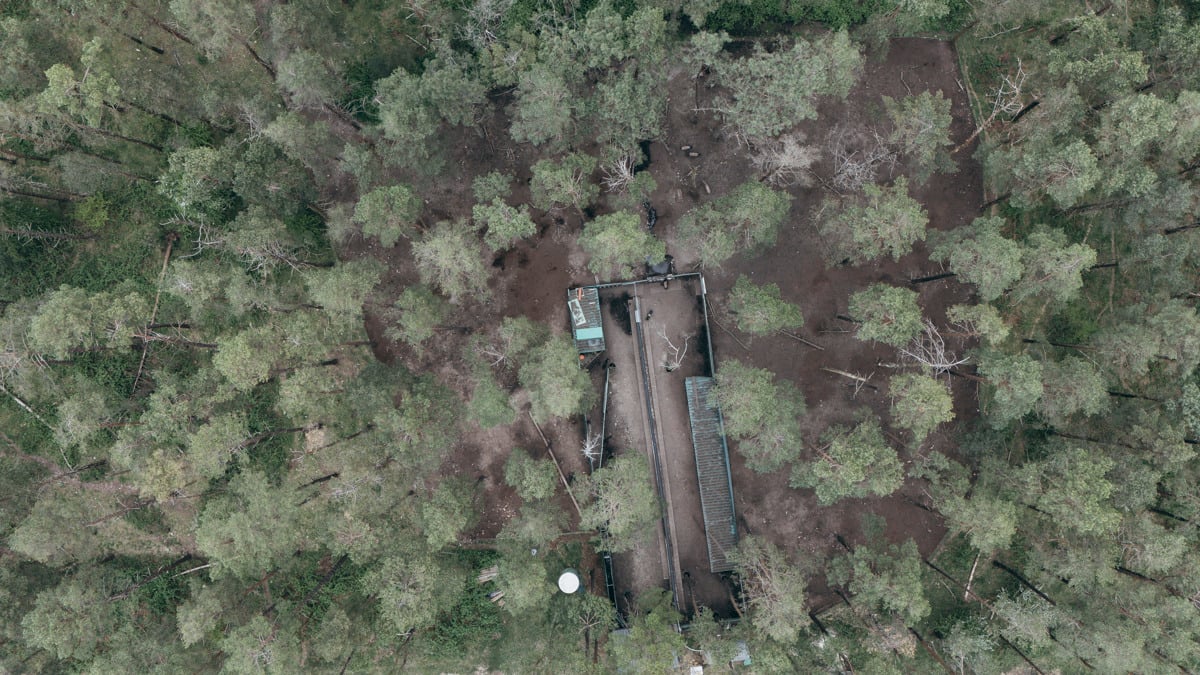
The spread of scrubland is partly a consequence of the decline of extensive livestock farming in Spain. Low profitability, rural exodus and bureaucratic hurdles have left the forest neglected, at the mercy of multiple factors that favour fires. The depopulation of these areas has also led to the disappearance of controlled burns, a traditional method that once helped maintain ecological balance.
Galicia lost 32 villages last year, reaching a new annual low, with 1,900 settlements without a single resident, while another 1,000 have only one inhabitant. The comuneiros are the last profile of local residents who know the mountain and aim to bring it closer to the population in order to care for it collectively.
Recent fires have shown that the authorities are not sufficient and do not know how to reach every corner of the territory. Residents complain that when emergency services arrive, they often do not know the terrain, making firefighting even more of a race against time. Emergency protocols leave no room for local people to devise joint action plans for managing the land, even though they know it best. Prevention, therefore, may be key to averting larger disasters.
“Now we talk about mega-fires in Turkey, in Spain, in Portugal. We are at a critical point for fire management, which deserves a separate budget, because the current system can no longer cope,” describes Ürker. “There are less aggressive ways to care for both burned areas and prevention areas. Above all, large expanses of pines and other pyrophytic trees can be avoided. That is one of the critical points in fire prevention."
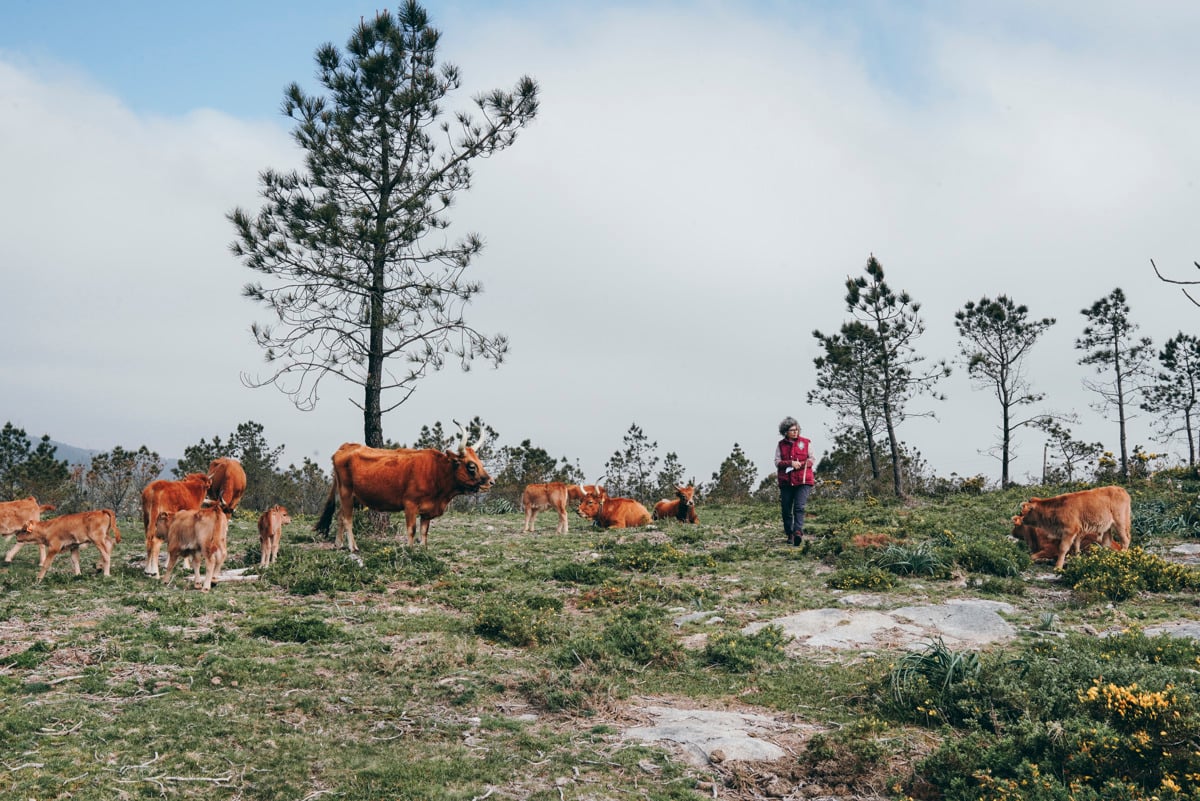
In many community woodlands, joint actions have been organized to remove non-native species such as eucalyptus, planted years ago for their rapid growth and use for timber and derivatives. “For these areas to be better protected in a few years’ time, we need to rethink how we plan the mountain. The impact of a fire is not the same in a eucalyptus forest as it is in an area of oaks,” warns Queiruga.
Communities such as Baroña are studying native trees and how to make use of them through other methods, such as inoculating mushrooms for sale. “We’ve even looked at place names. If there is a hill called ‘the chestnut grove’, perhaps that’s because there used to be chestnuts there. Why not plant some?” he suggests.
Taboada, for his part, insists on the need to constantly rethink the mountain to find the most ecological and effective ways to care for it. However, he believes that all mechanisms can still fail if the mountain remains an ethereal concept detached from the population: “We have to bring the mountain closer to new generations,” he insists. Infesta, a mountain village of fewer than a hundred inhabitants near the border with Portugal, has joined the “Model Villages” programme, which revitalizes farmland to prevent fires and halt depopulation.
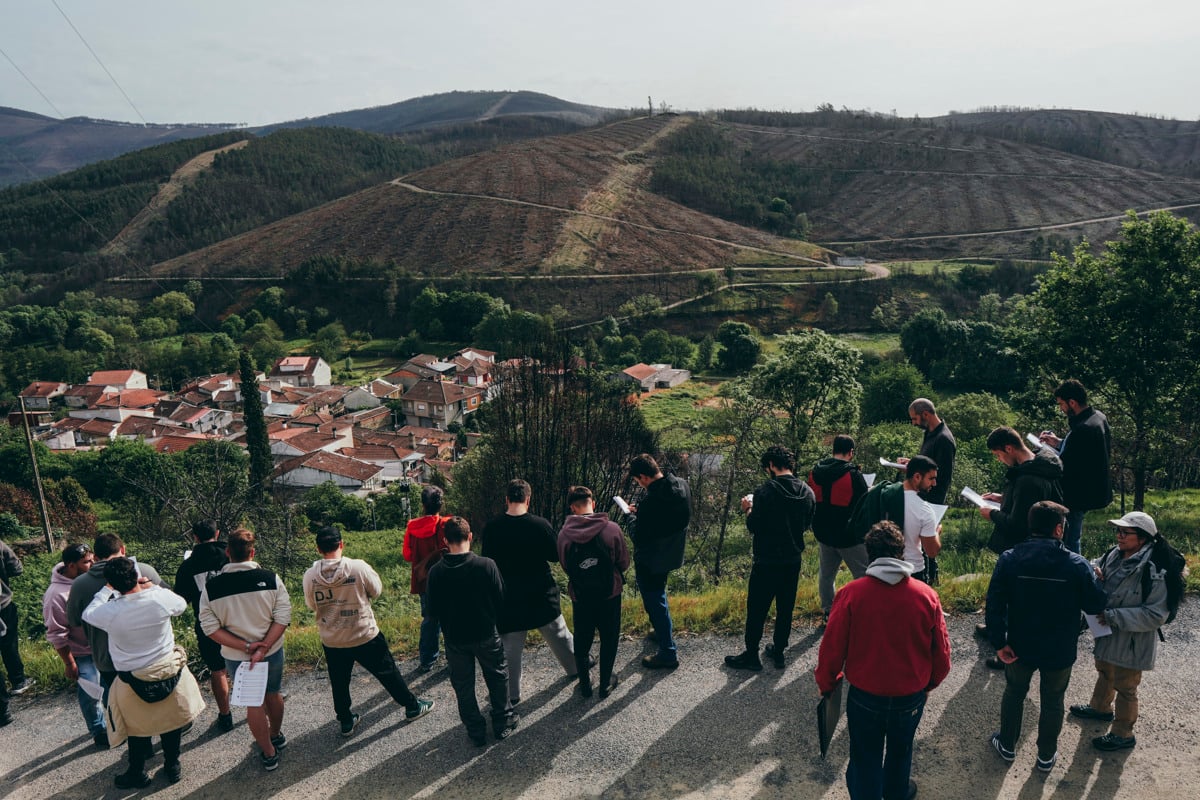
In mid-April, the Juan de Vega Association brought a group of students to the village to imagine ways to revive the mountain, to draw a future in which people can live, survive and care for the forest. “This is the only positive thing to come out of the fires, which are becoming increasingly harsh and critical. We are starting to realize that if we come together, we can understand the land better and learn from each other,” the organization said.
The community woodlands agree that the mountain must be accessible to everyone, so that those who walk there, live nearby or work on it can enjoy it and have a say in the future of the territory. “Above all, when citizens feel that the mountain is also theirs, they take care of it,” concludes Taboada.