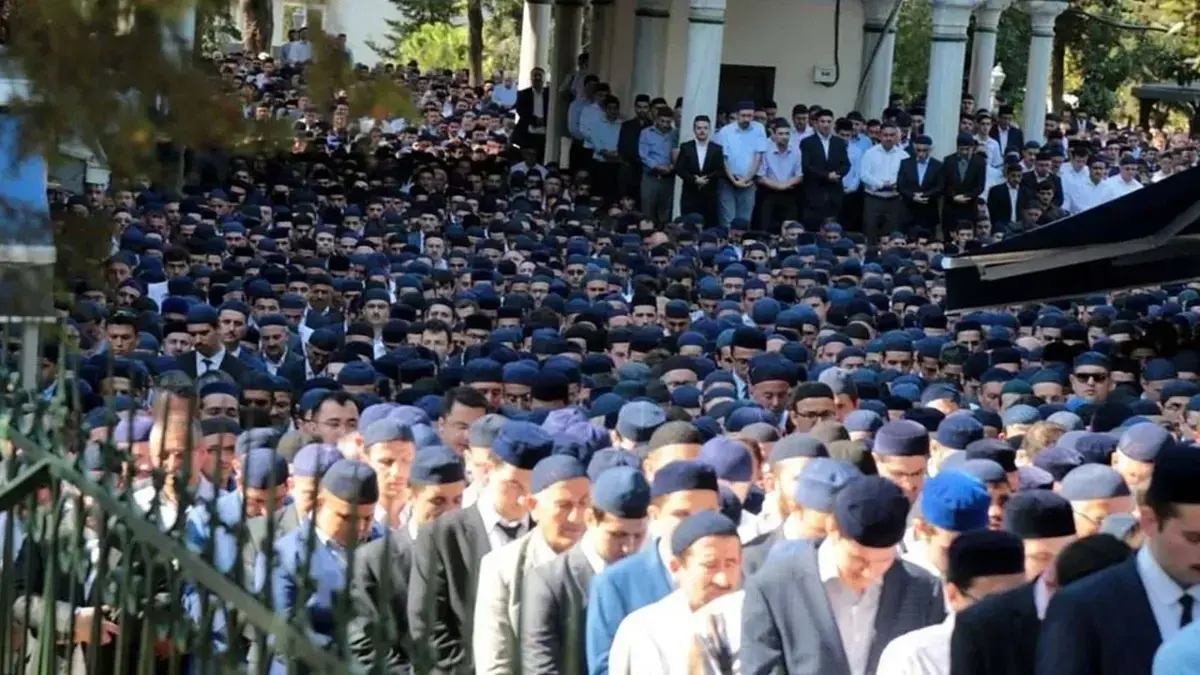
Dozens detained, assets seized in crackdown on Süleymancılar religious order

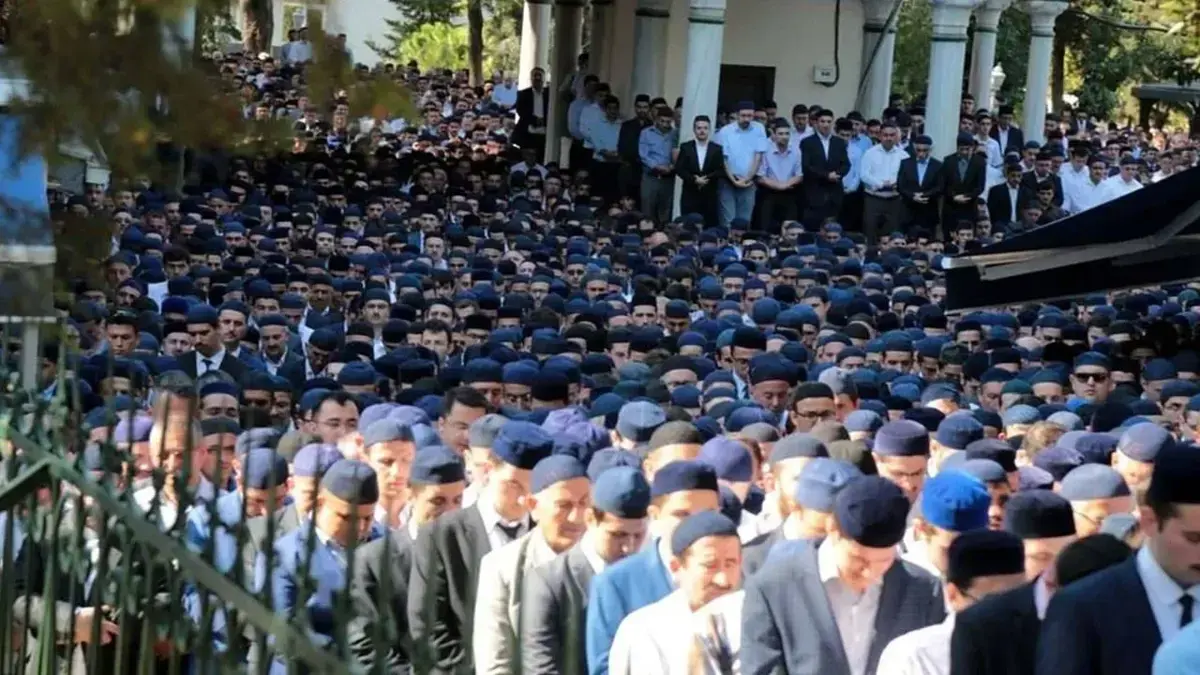



Police have detained at least 30 people, including Alihan Kuriş, the leader of the religious order known as Süleymancılar, in an investigation led by the Ankara Chief Public Prosecutor’s Office.
Simultaneous raids targeted 123 addresses in 17 provinces, İstanbul, Ankara and Antalya. Prosecutors issued detention warrants for 49 suspects and three were found to be abroad.
Authorities also seized assets belonging to the group and appointed trustees to companies linked to their members.
The group is facing allegations of “establishing and leading a criminal organization,” “membership in a criminal organization,” “laundering assets derived from crime,” “fraud to the detriment of public institutions and organizations” and violations of the Tax Procedure Law.
Similar religious orders and communities in Turkey have a presence in both civil society and the economy, operating through foundations and companies.
Who are the Süleymancılar?
The Süleymancılar, which literally means “Süleymanists,” is a Sunni Muslim religious order, or tariqa, based in Turkey. It is believed to have a few million followers and sympathizers.
The group takes its name from Süleyman Hilmi Tunahan, who conducted religious education activities during the early republican era. It is known for Quran courses, student dormitories, associations and educational activities.
After Tunahan’s death in 1959, the group continued to be led by members of the his family and people close to them.
Alihan Kuriş became the group’s leader following the death of Arif Ahmet Denizolgun in 2016.
The Süleymancılar also operate outside Turkey, particularly in Germany, through religious education centers and associations.
The group’s relations with public institutions, its student dormitories and educational activities, and its economic structure have previously been the subject of public debate and news coverage.
Suspicious money transfers
The prosecutor’s office said the investigation was focused on the financial activities of companies linked to the suspects.
According to a report by Turkey’s Financial Crimes Investigation Board (MASAK) included in the case file, some of the companies examined saw sharp increases in financial transactions and the volume of goods bought and sold after 2020.
MASAK assessments found that some companies received large cash inflows whose sources required explanation and that substantial transfers were made between companies and their shareholders.
Investigators are also examining discrepancies between some companies’ commercial records and banking transactions, as well as foreign currency transfers received from companies abroad.
Some 100 billion liras, or around 23 million dollars, were transferred abroad through various methods using individuals and companies believed to be linked to the group, according to MASAK.
The investigation includes allegations that some transactions may have involved fraudulent invoicing. (NÖ/VK)