










On discovering Turkey, one of the surprising facts was how big it is. Like many Brits we learn about the region by the countries we have invaded, bombed or owned. As it was not plain sailing for the British in Turkey, this is completely erased from our collective memory, as is the Ottoman empire as well, it was until the end very successful.
But I digress from this Vast Culture of Turkey.
Well, for many knowledge of Turkey could be written on a match box. There is sand, sun and package holidays. İstanbul is mysteries, it has always had that lure and you have lots of refugees so we (Europe) don’t have to have them. This is simplistic but largely true. Culture is in its widest sense for the west, by and large, does not exist or is overlooked. This is throwback to colonial imperialist days and it remains the fact that this is at a detriment to the populations of the UK and elsewhere who would love and thrive on even the little snippets I’m going to share with you.
This is my story, other greats that I have yet to discover hopefully lie in wait.
Music
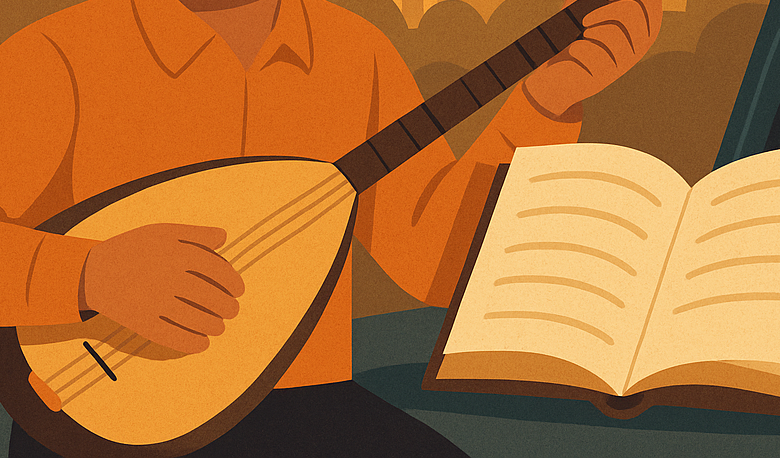
Listening to the radio in my brother in law’s car on one of my first visits to Turkey with my then girlfriend. A sound came on the radio, it was melodic, like Indian classical music but it had a rhythmic pound that moved right into the soul, driven by a deep soulful voice . “Who is this?” I quizzed. “Neşet Ertaş.” It was my first encounter with Turkish Folk. I listened to his work and have moved further with the help of TRT Türkü and TRT Müzik. The regional differences providing a rich tapestry of Turkey that we have sadly lost.
English folk music also has a rich history, but is now only kept alive by enthusiasts on the fringes of popular culture. The lives, voices and folk songs of the farmworker’s, miners and mill workers, particularly of the early 20c now rarely see the light of day.
The folkish melodic tone is still present in modern Turkey exemplified but such artist as Can Kazaz. A modern İstanbul singer breathing his life into songs, with an angelic powerful voice and lyrics, turning the everyday into folk tunes, even the most traumatic experiences.
Such painful openness can also be seen in the Suicide Songs of the 70s, yes you heard right. Here the singers connect with the audience by enabling them to express their own personal sorrow identifying with the singers’ woes. They are still worshiped today (Müslüm Gürses). The authorities tried to outlaw their music as being too dangerous at the time .
If you are like me partial to a bit of melancholy the above is ideal for you.
Other avenues of interest could also include Turkish classical music and rock, each has its own distinct sound.
Literature
During the writing of this part, I may occasionally bang my head against the screen or the nearest brick wall, more about that later, ouch.
Whether you like it or not, the most popular Turkish writer in the UK is Elif Shafak, no other is on such display. Each time a new book is revealed bookshops like Waterstones become a shrine to it.
She is interviewed, written about or asked for her opinion on all Turkish things constantly.
I will leave it there.
Around the above-mentioned store, you will have some difficulty locating others, maybe a Nobel prize winner or a book about time (The Time Regulation Institute) and then you’re in the dark.
Time to bang my head against the screen as this difficulty happens everywhere you look in seeking to locate Turkish literature.
You have to be an explorer to find many more anywhere and to have a large stash of gold as and when, or if, you find any.
To be continued next week…
I promise you I will find Turkish gems; May the force be with me. Tho they might be out of stock.