



I’m in a vast auditorium, or that’s how I remember it. Like everything in this series, I do not revisit places or art, it’s just that unfathomable imprint it makes, like a scent you can’t quite locate. I’m at a film festival in Turkey, Little David would have no idea such places exist, let alone abroad. Entertainment back then was watching a school fight.
It’s completely full. We managed to get the last two places (middle-left-perfect). There is a low-level hum in the cinema of excitement and anticipation, like before any eagerly awaited concert. The great and the good are sitting in the first row, including those involved in the film, they look like nice people. I have a large tub of salted popcorn and don’t understand or want to understand people who buy sugar popcorn, it’s just wrong. In the other hand I have a barrel of coke which would replace all the blood in me.
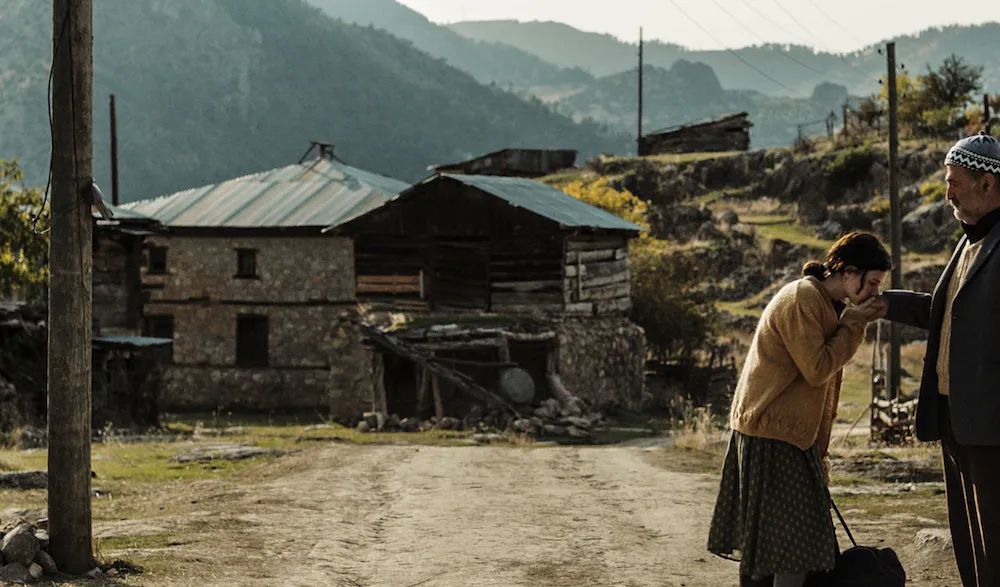
The lights go down til you could hear a pin drop. It’s vast, the plains of rural Anatolia are a back drop to rich village life centering around three sisters. Within no time it’s over and I’m still sitting with my first popcorn still in my hand and the coke untouched. Slowly the ripple of applause became a stampede, we all rise to our feet; the director producer and cast take a bow, smiles beaming across their faces. “What was that ?” I said to my wife, breathless “That is the best of Turkish cinema.”
(A Tale of Three Sisters: Dir. Emin Alper) (2019)
That was my starting point, so I’d seen a Turkish film and that was that, time to move on.
Then at home, one day, from the corner of my eyes I was struck dead in my tracks.
There were more meat and grit in this film than a herds of cows, stylish Hitchcockesque but different. The camera floated round like a dove driving us into the soul of these characters, battling injustice, righteous folk winning.
I applauded widely in my living room until my wife with affection said, “I think you should sit down now.” “Yes, of course,” I replied, dusting myself down.
(The Ballad of Ali of Keshan: Dir. Atıf Yılmaz) (1965)
After the stunningly affective biographical film Müslüm (2018) which charts his rise from rags to riches with all the pain and glory, I dipped into Turkish comedy and got my toes well and truly tiddled.
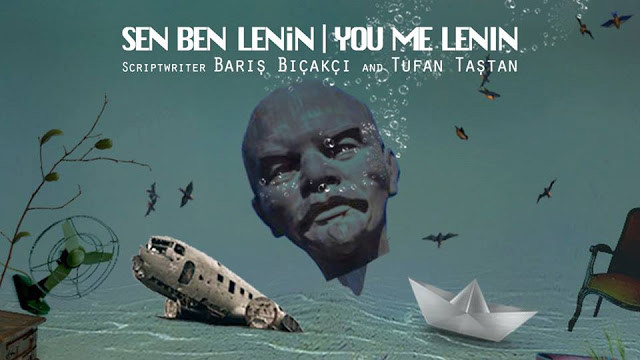
From the wickedly absurd You Me Lenin (2021) in which I laughed so much I cried. It centres around a wooden Lenin statue that mysteriously appears in a small town to the puzzlement of the police. It is beautifully put together with wit and charm as is the glamours and hilarious 7 Husbands for Hürmüz (2008) spinning husbands like plates.
If I had to rate the comedy genre in general I would have
1. British
2. …
3. USA
2nd being Turkey, with Germany 77th or 1.700th and before all the complaints come in, I’ve lived there.
Incidentally one of my favourite actors is Kemal Sunal and he is terrific in Gurbetçi Şaban (1985). Here real life and the humour in it is brought to life in a Turkish family, making their way in a hostile environment in the then West Germany.
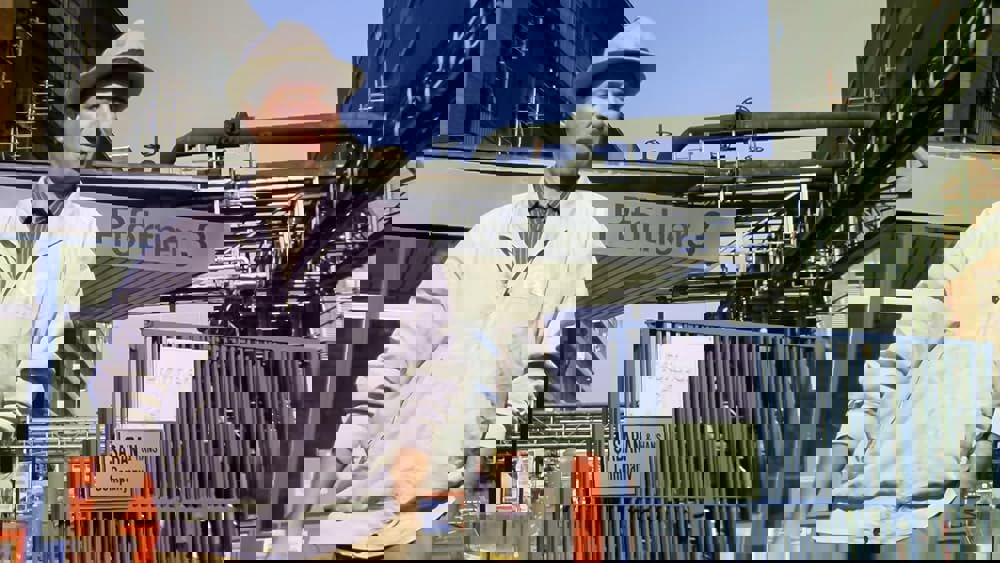
To the modern-day, Ata Demirer, he is one of the funniest comedy actors I have ever seen and the plots in these love-struck family dramas are just perfect for him (Eyyvah Eyvah 1, 2 and 3, 2010, 2011 and 2014).
Before I wrap up this section I must not leave out my guilty or not so guilty pleasure. Popular films of the 70s. Here a few actors and actresses dominate, one wonders if they ever had time to even go to the toilet (Ediz Hun, Tarık Akan). The actresses on first glance appear to be the typical damsel in distress as depicted in the UK and US at the time. But far from it, such parts played by the likes of Hülya Koçyiğit and Emel Sayın are strong female roles, holding all the cards, they are moralistic and always come up on top. A cursory glance and films and series on TV now in Turkey and you could argue they have a lot to learn from what is seen as old and out of date.
Turkish TV drama – from the sublime to, being not my cup of tea
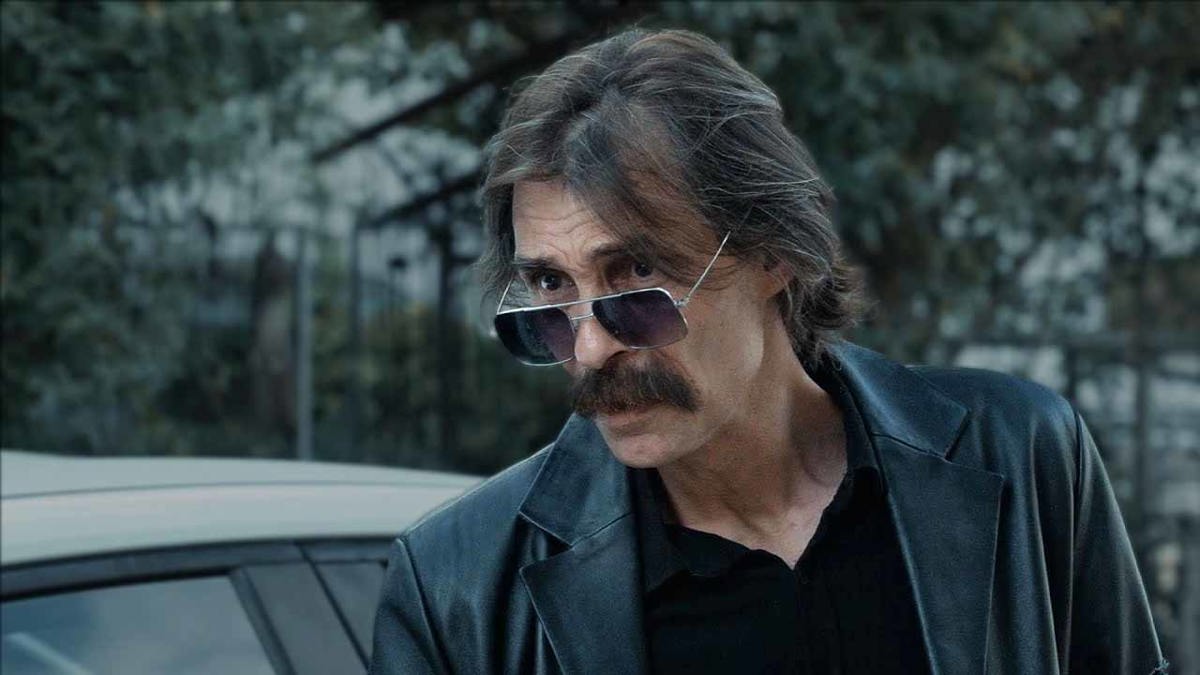
There is a rich tradition of good Turkish TV drama as there is in most countries. Many such programmes can at times bind the country together in a shared experience. This was the case with İkinci Bahar my wife informing me that she would run home from work to catch the new episode. Such devotion was also shown to the excellent police drama Behzat Ç.
This was the 1990s and early noughties, the golden age of such shows, few if any having a global impact. That was all about to change with the onset of global platforms, it was about to go semi nuclear.
The first stirrings of this were Ethos (2020) on Netflix. Social and family realism played out against the backdrop of a cleaner of a rich man’s house Öykü Karayel is stunning in the main role.
But nothing could prepare us for The Club (2021-23). This was magical; glamour politics and family strife of the 1950s a perfect combination and it spread like wildfire across the globe.
Trailing just being was the bonkersly brilliant Midnight at Pera Palace (2022 - ). The legendary hotel Agatha Christie is supposed to have stayed in when she disappeared. Here the majestic Hazal Kaya goes back in time to ensure Turkey’s independence is secured from evil forces.
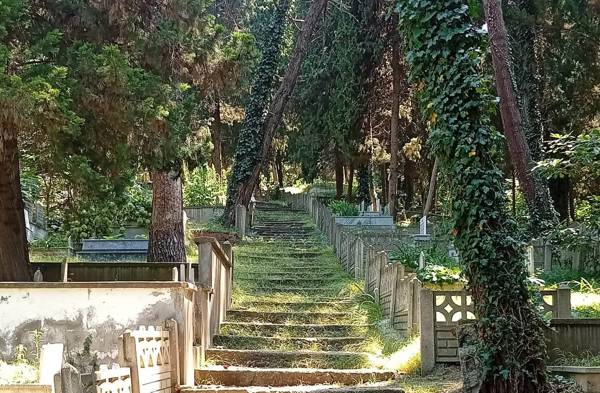
Less of an Impact but no less brilliant is the police drama Mezarlık (The Graveyard) and the sorely neglected (why no second season) Hot Skull (2022) which I urge you to watch, this dystopia sci-fi is scorched into my memory.
I now come to modern day TV dramas, in which the number of programs are more than the whole population of Turkey, or feels like it. Each episode lasts between 3 or 4 hrs or decades, depending on how you feel.
Each set look like it’s made from an IKEA flat pack as does the acting, except the mesmerising performance of Özgü Namal in Kıskanmak (Jealousy).
Nobody behaves like this, I scream at the TV every time. It appears to be illegal to show any kind of dynamism, instead when something happens there is camera head shot of each character in which we can see what they have eaten or if male characters have hairs in their nostrils. When we are finished on these painful slow-motion reactions the characters look out at us pleading, I don’t want to be here .
But I could be wrong, I’m an old fuddy-duddy and any glance at the Twitter feeds of these shows will show thousands of devoted fans, what do I know.
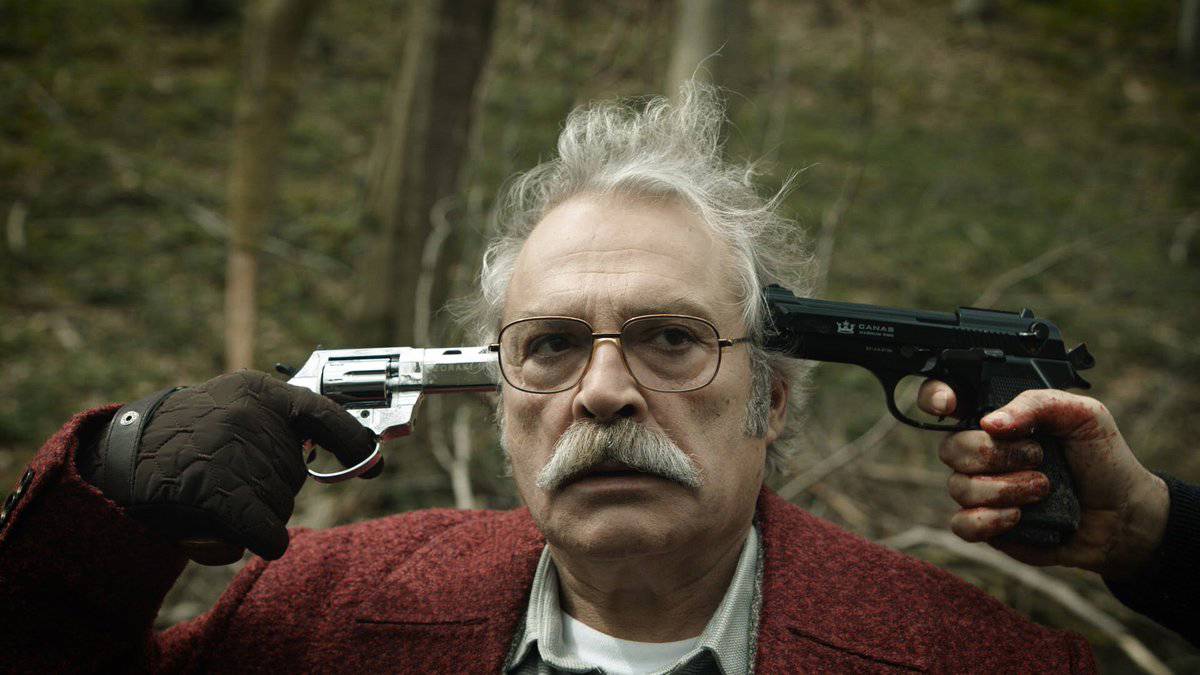
But what I do know is we have failed to mention the acting god Haluk Bilginer. He has done everything in particular andI like him in Şahsiyet (2018-2024).
Drum roll…
He is the most famous Turkish artist in the UK and why, well he appeared for good while in our leading soap opera Eastenders and this seems a fitting end to our story. (DM/VK)