



All around the world, the energy transition is being used not only to mitigate the climate crisis but also as an opportunity to directly reduce people’s expenses and strengthen local economies. Thanks to renewable energy projects, cities and towns save money, create new jobs, and help communities build more resilience to extreme weather events and earthquakes.
There are many examples from municipalities that turn the energy transition from an abstract climate target into concrete projects that make daily life fairer, safer, and more livable.
In Zaragoza, Spain, the Barrio Solar initiative provides neighborhoods with solar energy without the need for individual rooftop installations, while allocating 10 percent of the electricity produced to households experiencing energy poverty—reducing energy costs and strengthening solidarity.
In Larissa, Greece, a solar park built on municipal land supplies electricity to socially vulnerable groups and municipal buildings. In Wolfhagen, Germany, a citizens’ cooperative owns 25 percent of the municipal energy company, sharing revenues with members while also funding energy efficiency projects. Cities such as Valencia, Barcelona, and Strasbourg make their municipal rooftops or land available to energy cooperatives, enabling citizens to produce collectively and directing part of the income to reducing energy poverty.
Role of municipalities
Other examples show how renewable energy investments can finance municipal services. In Büttstedt, Germany, revenues from wind turbines were used to build a school and a multi-purpose hall without taking on debt. In cities like Poreč in Croatia and Ghent in Belgium, energy cooperatives are improving the energy efficiency of historic buildings and reducing household electricity bills through neighbourhood-scale energy production. In southern Evia, millions of euros from wind farms were allocated to renovating village hospitals, fire safety, and local sports clubs. In Margonin and Kobylnica, Poland, tax revenues from wind farms finance a significant share of municipal budgets, strengthening infrastructure investments and social services.
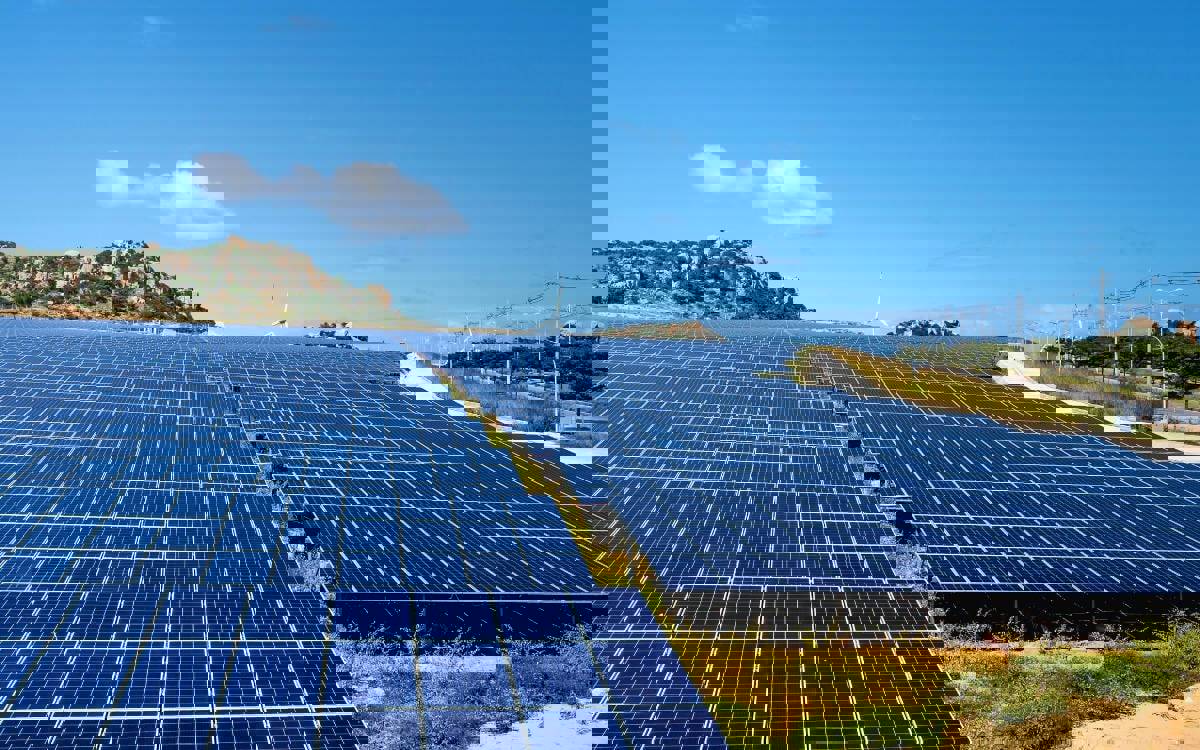
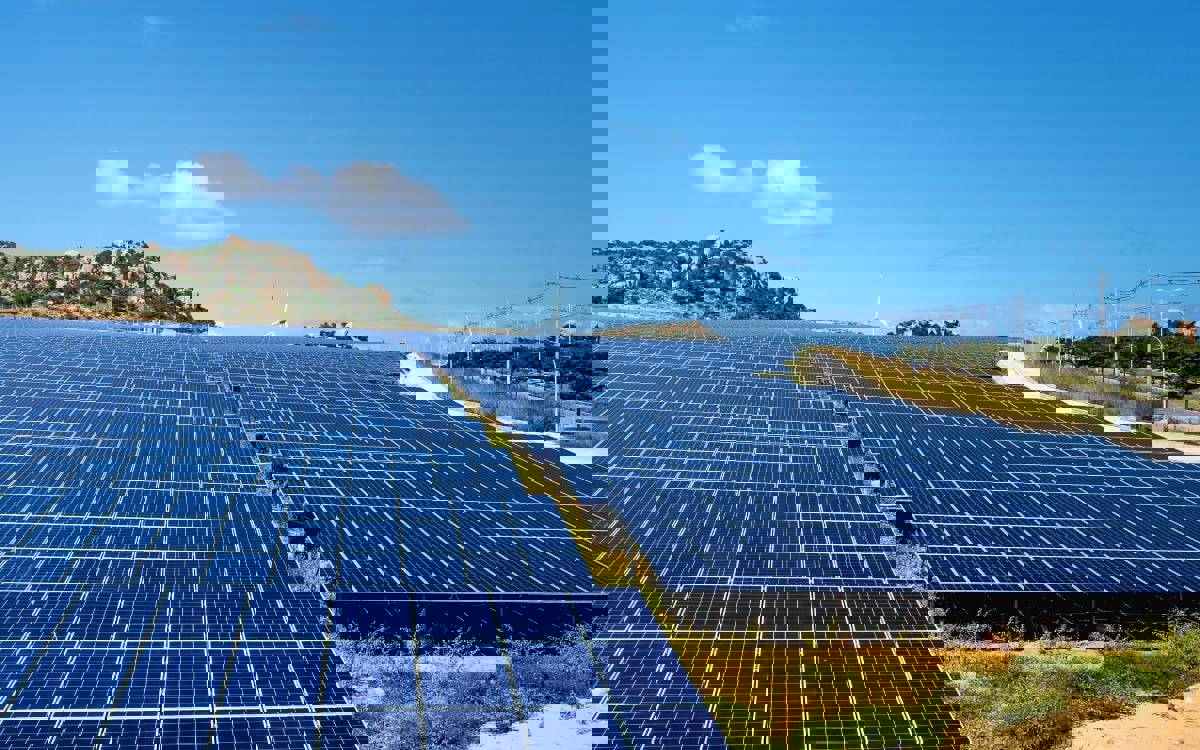
In Turkey, interest in renewable energy installations has been growing in recent years too.Many municipalities have begun installing solar panels on the rooftops of public service buildings such as stadiums, wedding halls, neighbourhood markets, and sports centres. These investments cut municipal electricity bills, providing additional income and reducing their carbon emissions.
Renewable energy projects
A report published by Beyond Fossil Fuels and 350 Turkey examined the 2025–2029 strategic plans of Turkey's 30 metropolitan municipalities through the lens of the energy transition. The findings show that although municipalities acknowledge the importance of clean and healthy energy sources, they struggle to put the right policies in practice to make this happen. Many plans remain limited to small-scale systems installed only on the rooftops of municipal service buildings. Considering the full potential of cities, this approach has an overly narrow framework.
For solar energy projects, there are no additional steps to support installations in other buildings, homes, and small businesses across cities. While wind is mentioned in many plans as a potential resource, there are no concrete projects that ensure public participation nor local benefit-sharing measures. Local benefit sharing mechanisms are mechanisms, set either by law or voluntarily negotiated among municipalities, developers and communities, to ensure that a part of the financial profits of the renewable energy or clean flex project flow back to benefit surrounding communities.
Awareness campaigns for the energy transition are included, but there are no job training activities nor energy advisory desks to guide citizens. The establishment of renewable energy cooperatives—where people themselves could be part of energy production—is not supported. The role of the energy transition in tackling energy poverty or ensuring security during natural disasters has also been overlooked.
This narrow scope is not solely due to a lack of vision on the part of municipalities. As noted above, there have been some very successful renewable energy installations in Turkey in recent years. However, these examples do not sufficiently reflect the country’s full potentialEven the most willing municipalities face significant obstacles ranging from delayed grid connections to access to finance, from ever-changing regulations to slow-moving bureaucracy. Unless these barriers are addressed, the transition will remain constrained, no matter how eager local governments may be.
This is where the role of the central government becomes critical. On the one hand, the government assigns major responsibilities to local administrations in achieving Turkey's 2053 net zero target. On the other hand, it fails to clear up regulatory uncertainty or provide adequate financial and technical support to open the way for municipalities.
In a country blessed with abundant sun and wind like Turkey, the energy transition is not only an environmental necessity but also essential for the public budget, local employment, disaster resilience, and an independent future. Examples from around Europe and within Turkey show that this is achievable.
(DK/TY/VK)